




Why 51? Because as fun as it is to wrangle our favorite athletic shindigs in the West — we had to stop somewhere. From classic rodeos and moving Native competitions to Super Bowl-caliber spectator events and sublime sufferfests open to all of us, the greatest sports happenings in C&I’s big beautiful backyard fuel our collective tank, get our hearts pumping, and most importantly bring us together.
The Spirit of the West
The American Rodeo Championship Weekend
Arlington, Texas: May 2027
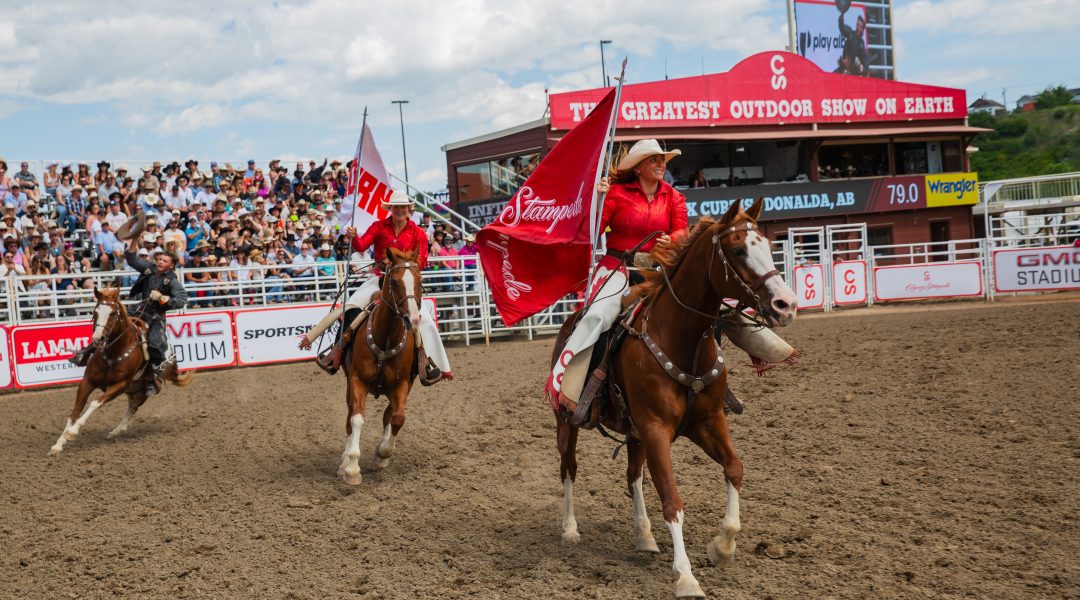
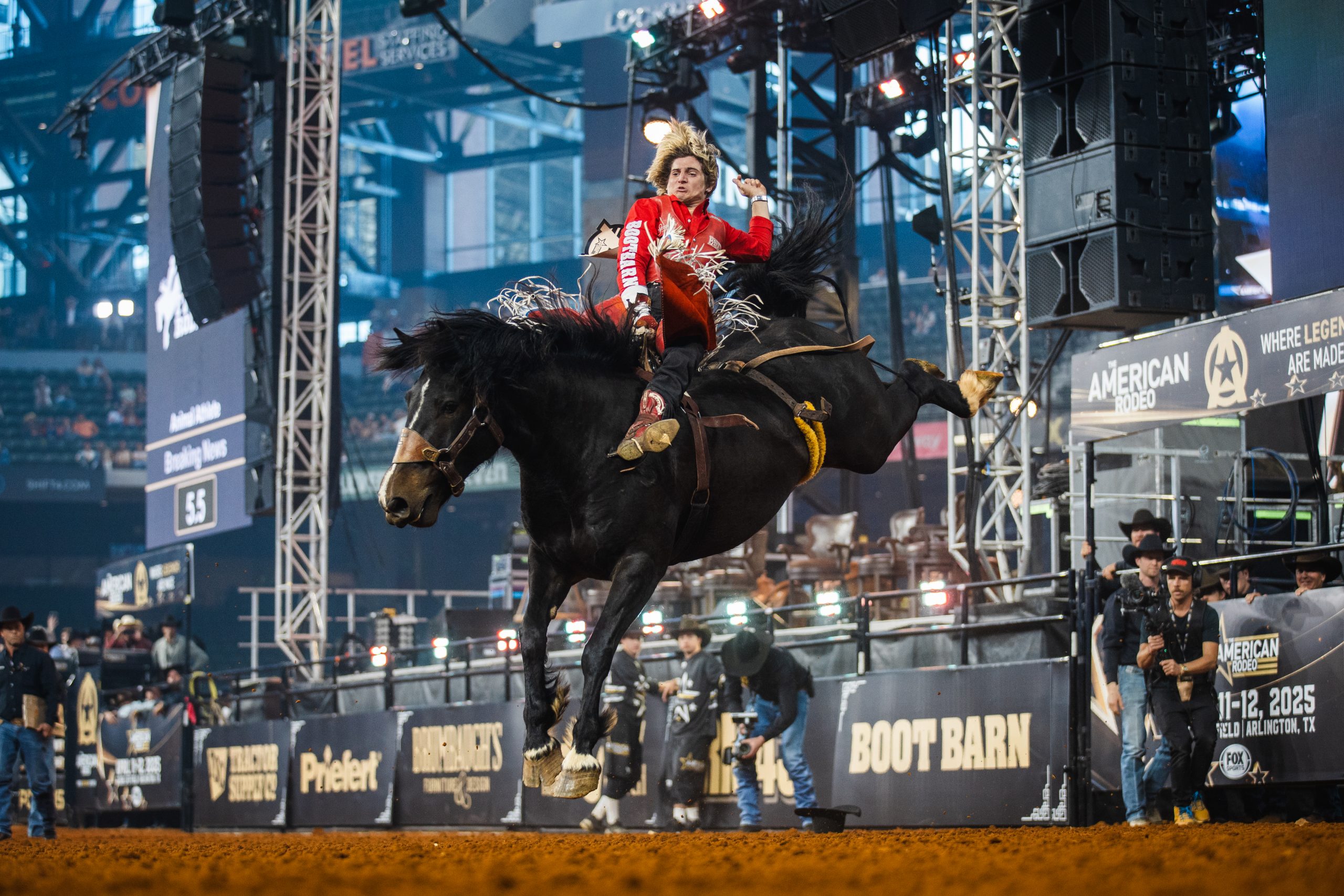
For over a decade, The American Rodeo has embraced the idea that this multifaceted sport embodies the unified spirit of the American West — and that it should come with prize money that goes snout to tail with all of that grit, courage, and resilience. Go big, or go home, right? Just ask bull riding sensation and American Rodeo five-titleholder, Stetson Wright, who took all-around champion honors at this year’s American in late May after throwing down an 89-point ride in a victorious Championship Weekend at Globe Life Field.
At Championship Weekend of The American, the Friday night semifinals event sets the stage for the best of the best bull and bronc riders, tie-down and team ropers, barrel racers, steer wrestlers, and breakaway athletes to converge in the Saturday championship. For athletes, it’s the pinnacle of high-stakes, high-payout, stay-in-the-saddle time. For fans, it’s a chance to witness top rodeo athletes doing their thing on the dirt, whether it’s a big-name competitor or dark horse go-getter rising through the ranks.
In one epic night, The American dream comes to a climax with concerts, vendors, a party zone, and a tangible energy that something thrilling is afoot. It’s the arena
adrenaline of dreams dusted — and coming
true — during one hot night of heads high, hats down, hanging onto the reins for dear life. How American is that? americanrodeo.com
 PHOTOGRAPHY: Clay Guardipee
World Championship Indian Relay Races
Sheridan, Wyoming: July 14–17, 2027
World Championship Indian Relay Horse Racing, held at the Sheridan Rodeo, is an invite-only showcase of high-speed, high-risk relay racing with bareback mounts, flying dismounts, and teams in traditional attire. Indian relay racing features teams of one rider, three horses, two holders, and a mugger, charging from a standing start and circling the track while executing two rapid horse exchanges in front of the grandstands. Timing, courage, and precision decide every race.
Integral to life on the Great Plains, horses transformed Indigenous life, tipping the balance of power toward mounted warriors and
becoming symbols of wealth, identity, and survival. For Native communities today, they endure as emblems of tradition, pride, pageantry, and healing.
In Sheridan, teams compete nightly for $90,000 in cash and prizes,
with the fastest advancing to Saturday’s championship race before the PRCA Rodeo performance, making it the sport’s premier stage. SheridanWyoRodeo.com
Calgary Stampede
Calgary, Alberta, Canada: July 9–18, 2027
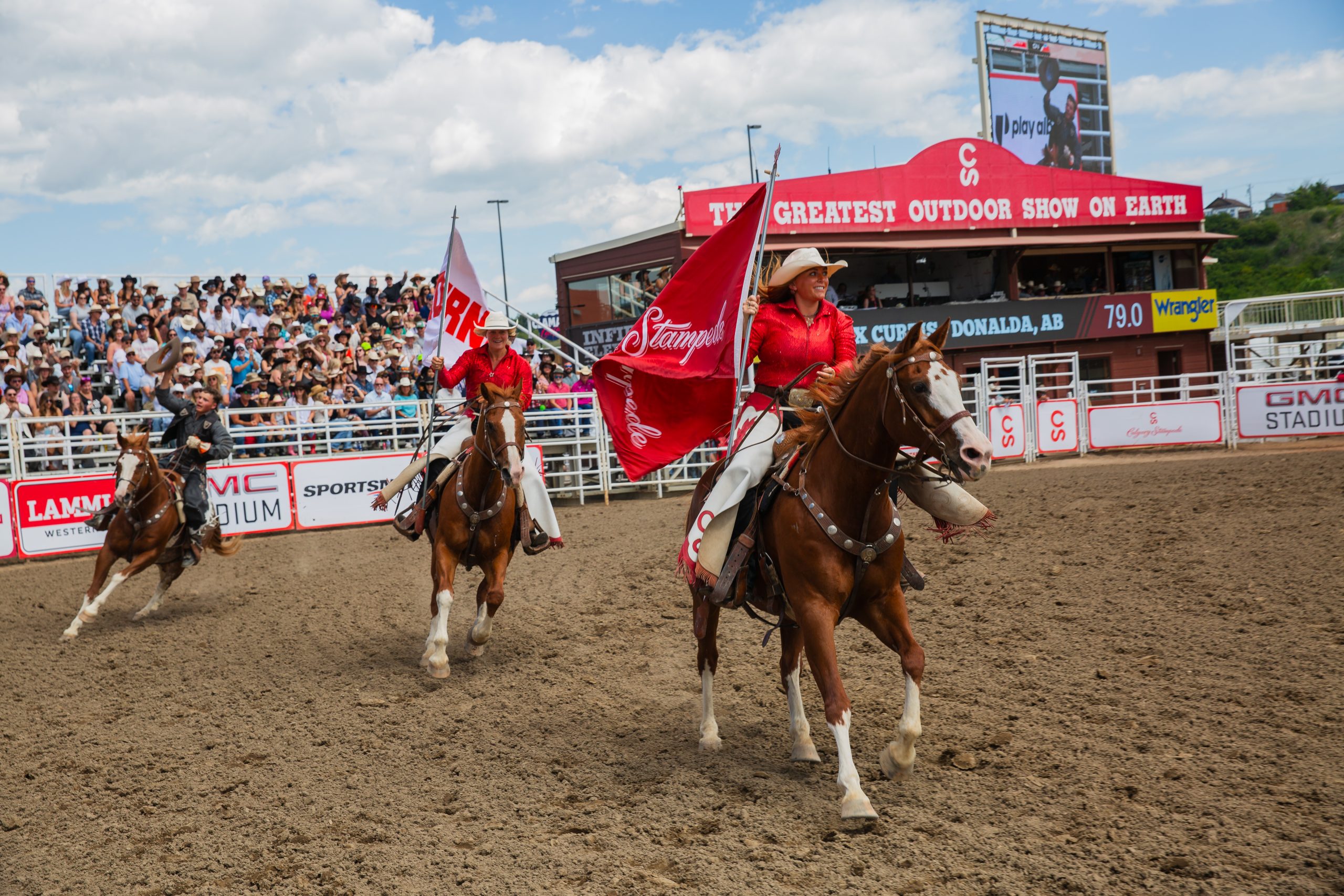
There’s no shortage of the Western lifestyle north of the border in Calgary, Alberta, the cowboy capital of Canada. Located in the foothills of the Canadian Rockies, the town celebrates its ranching heritage every day just like we do in West-loving burgs south of the border. Like Fort Worth in Texas, Calgary is nicknamed Cowtown. A major player in the Canadian beef industry, its Wild West days in Canadian history rival our own.
The Canucks really do it up big and let their polite hair down with the Calgary Stampede. It’s give’r verve writ rodeo large.
The historic Stampede dates back to the 1800s. Steeped in the glories of life spent outdoors, Calgary’s love affair with Canada’s wild side no doubt helped its beloved event become known as the “Greatest Outdoor Show on Earth.”
You’ll get a real taste of classic cowboy culture the “O Canada” way — in a true rodeo mecca that wholeheartedly embraces its annual extravaganza and goes all in on events like the beloved chuckwagon races and all sorts of entertainment. Top names in the sport converge in Calgary to compete for lucrative prize money and international notoriety. Come for the Stampede — stay for the captivating Canadian spirit. calgarystampede.com
 PHOTOGRAPHY: Courtesy of Calgary Stampede
Cherokee National Holiday
Tahlequah, Oklahoma: September 4–6, 2026
Held over Labor Day weekend in the capital of Cherokee Nation to commemorate the signing of the 1839 Cherokee Constitution, which reunited the tribe in Indian Territory after the Trail of Tears, the festival celebrates with traditional sporting events including stickball, cornstalk shooting, and dancing. Fireworks, a parade, arts and crafts markets, and cultural demonstrations round out the festivities. thecherokeeholiday.com
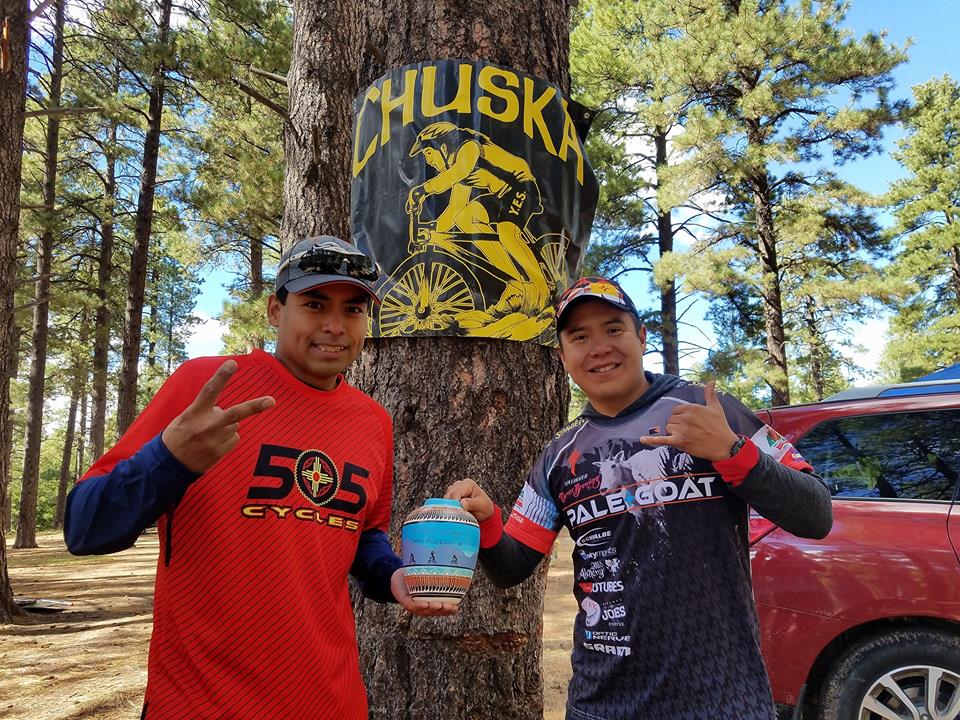
Chuska Challenge
Navajo Nation, Arizona: September 26, 2026
This three-day grassroots mountain-bike festival has been rolling since 1995. Hosted on a remote part of the Navajo Nation near the Arizona-New Mexico border, it’s about an hour from Chinle, the last stop for groceries, gas, and a hotel. Most riders camp, and breakfast is provided
with registration. The scenery is spectacular; the course is a 20-mile loop that winds through the Chuska Mountains, meandering across Red Valley near Buffalo Pass. You can race or opt for the noncompetitive ride — and pros and amateurs alike are welcome. Coming from sea level? Acclimatization matters. The course tops out around 9,000 feet, with roughly 1,900 feet of climbing. Expect rocky terrain, ridgeline riding, and plenty of technical singletrack. Off the bike, it’s as much cultural gathering as race, with a raffle, live music, dancing, and Diné celebration.
The food trucks alone are worth the trip — don’t miss the frybread. navajoyes.org
 PHOTOGRAPHY: Courtesy of NavajoYES
National Championship Chuckwagon Races
Clinton, Arkansas: August 29–September 6, 2026
The free-for-all known as the National Championship Chuckwagon Race started as a Labor Day party among friends in 1986. Today the race draws about 20,000 spectators to a working ranch outside Clinton, Arkansas, where many of them camp and participate in trail rides. Four days of chuckwagon races cap nine days of activities that include dances, cookoffs, live music, and rodeo events like team roping and barrel racing. Hundreds watch from the saddle of their own horse; others set up lawn chairs on a bluff above the field where horse- and mule-drawn wagons race to the finish.
And, yes, wagons do flip. Thankfully, ambulances are on hand, and medical care’s just two miles away, says event founder Dan Eoff. “They can send you to the hospital, and you’ll be back out in time for the dance afterward.” chuckwagonraces.com
World Championship Hoop Dance Contest
Phoenix: February 6–7, 2027
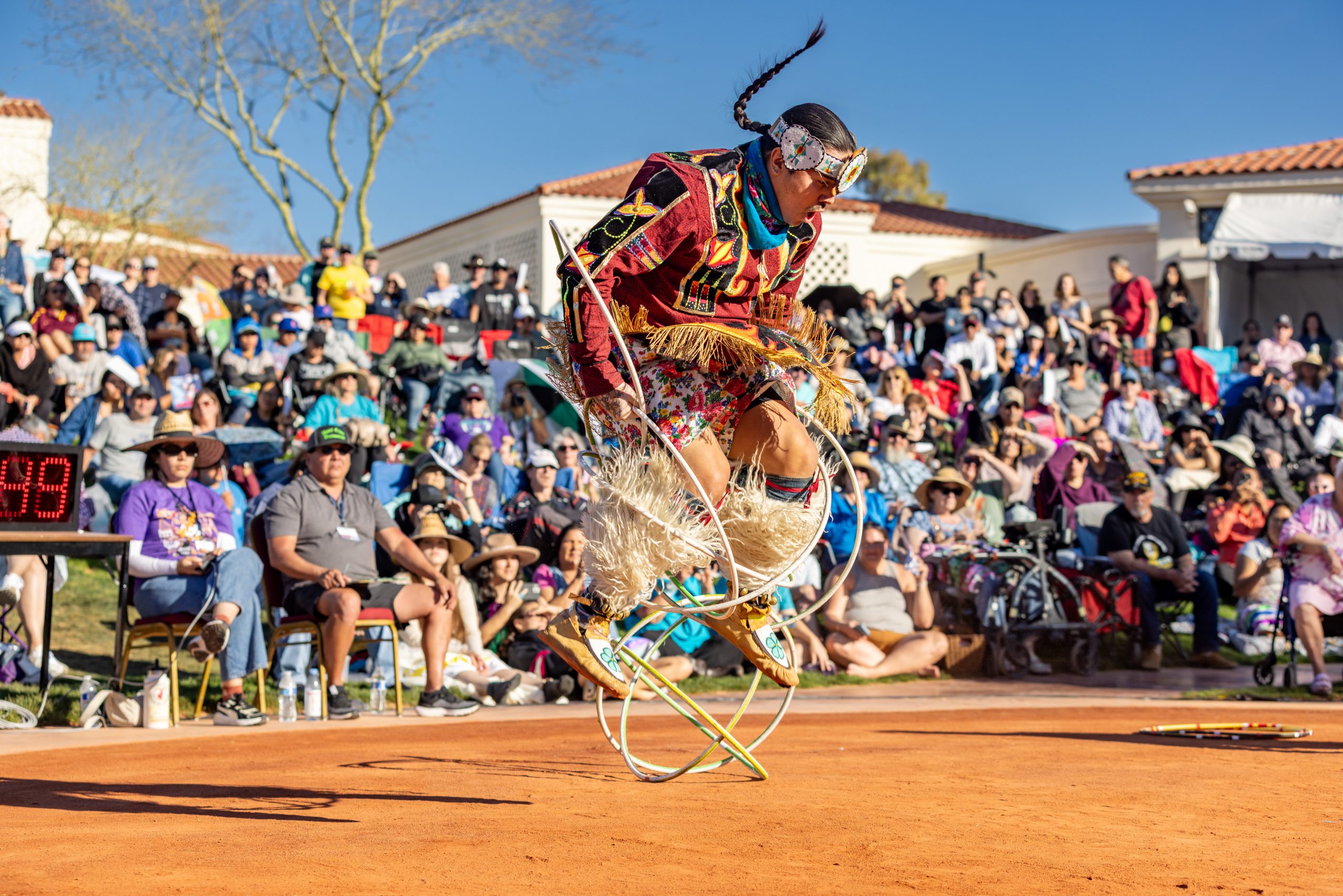
Rooted in ancient healing and storytelling ceremonies among Pueblo and Taos peoples of the Southwest, Native American hoop-dancing rituals originated with a single hoop — symbolizing the enduring cycle of life. Today’s top artist-athletes at the annual World Championships of Hoop Dancing have been taking the sacred practice to a whole new level of complexity, virtuosity, and competition over the past 37 years since the inaugural contest at the New Mexico State Fair in Albuquerque in 1991. The event moved to Phoenix’s Heard Museum the following year, where it’s become a major cultural event and a popular must on the calendar.
Drawing over 4,000 spectators to watch more than 100 top Indigenous dancers, the event has been called the “Super Bowl of hoop dancing” for good reason. The two-day affair boasts three rounds of often astonishing routines that can incorporate as many as 50 hoops into an intricate five- to seven-minute program. Dances in youth, adult, and senior age groups are judged according to precision (every hoop in the routine must be used; none can be accidentally dropped), timing and rhythm (bells, tinklers, or deer hooves must be worn), showmanship (audience appreciation is key), creativity and originality (new moves are recognized), and speed — which will amaze you as well.
Added anticipation for 2027: The event’s three-year reigning champ — Josiah Enriquez — will be returning to the Heard in hopes of taking top honors for an unprecedented fourth consecutive time. heard.org
 PHOTOGRAPHY: Courtesy of Heard Museum
Pendleton Round-Up
Pendleton, Oregon: September 16–19, 2026
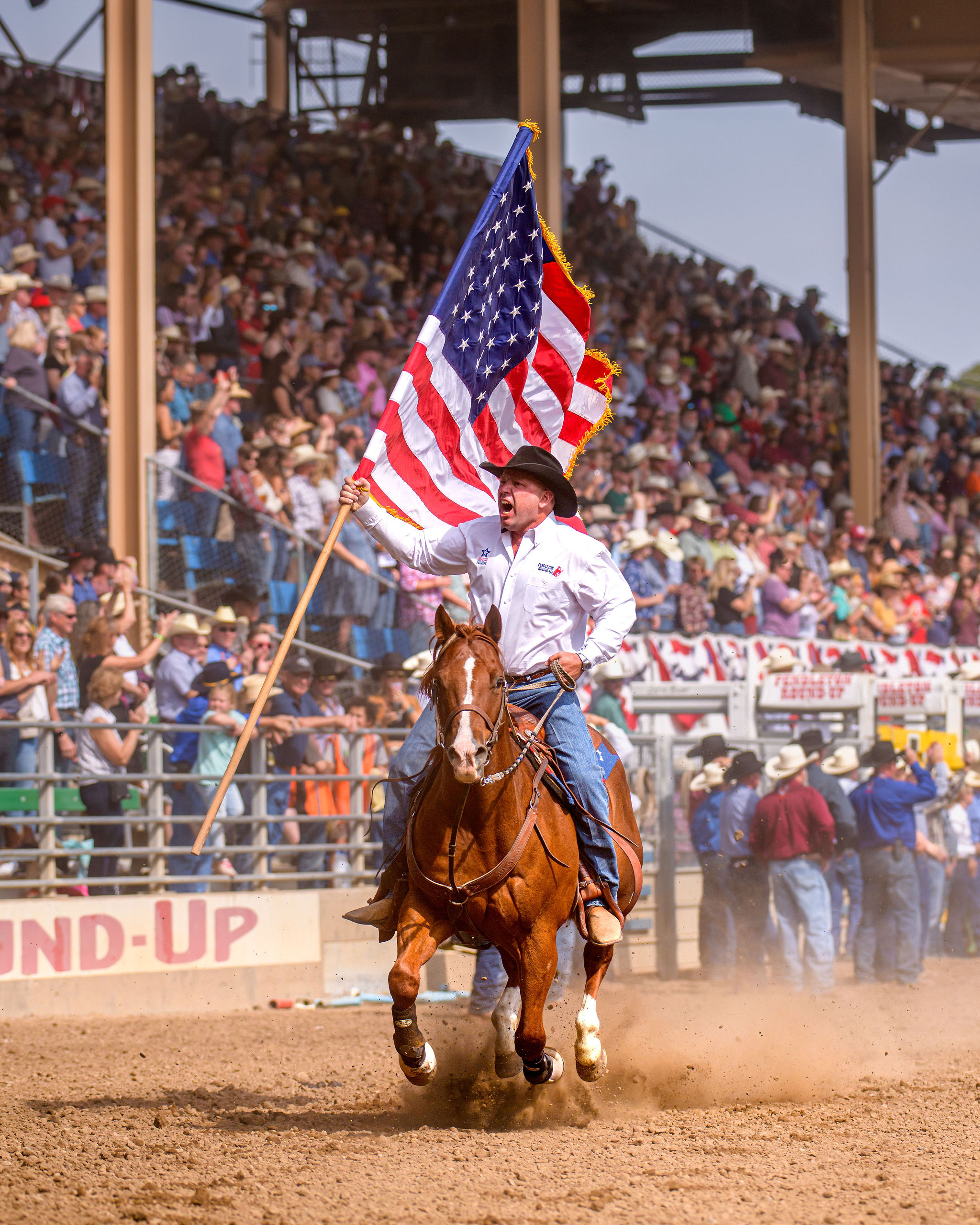
With its characteristically large grass arena offering a unique challenge to four-legged competitors and its colorful collection of wooden bucking chutes adding uncommon charm, this 116-year-old rodeo is one of the most storied in the country and a true standout. Seriously amazing stuff has happened on Pendleton dirt, from George Fletcher’s legendary (and controversial) 1911 saddle-bronc ride, often cited as the best in the rodeo’s history, to Jackson Sundown’s historic 1916 ride, when, at 53, the broken-body, never-say-die competitor became the first Native American to win the title Bronc Buster of the World.
We say embrace Pendleton’s “Let ’er Buck” philosophy and do just that during the weeklong festivities and all-out rodeo party. Our Round-Up of course includes the daily heart-stopping action of all the traditional events, along with special mix-ins like Indian Relay Racing, the “Dress Up” parade, concerts, and “Wild Cow Milking” competition. We hit the tribal tepee village to take in the 300 traditional structures and tribal ceremonial dancing — and there’s no way we’re missing the Happy Canyon Night Show, Oregon’s official outdoor pageant celebrating 100 years of bringing to life the story of the settling of the West in performances with actors on horseback. pendletonroundup.
PHOTOGRAPHY: Nate Van Mol
Indian National Finals Rodeo
Las Vegas: October 13–17, 2026
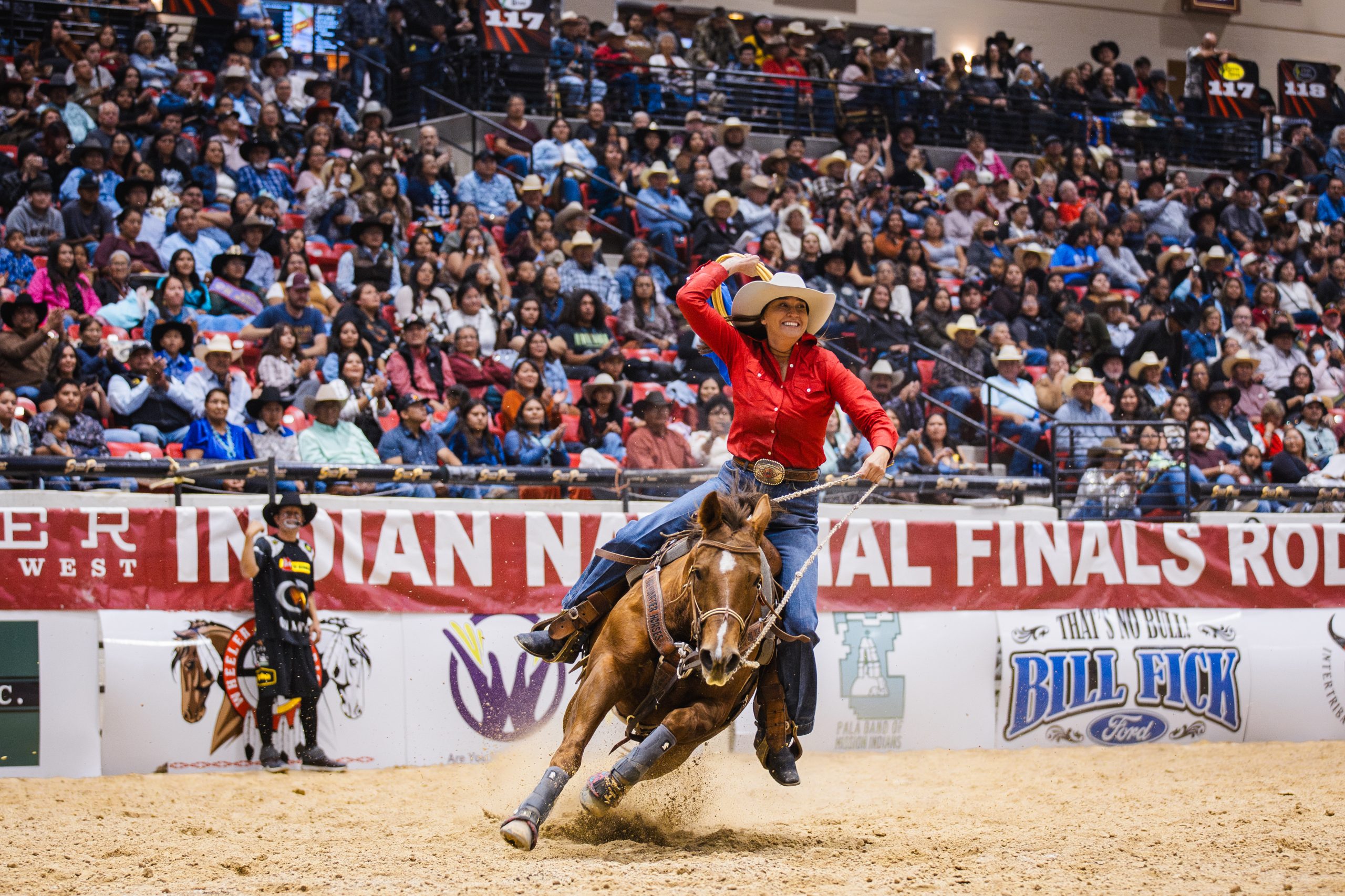
This year is a big one for the Indian National Finals Rodeo (INFR), as the premier Native American rodeo championship celebrates its 50th anniversary. The road to Las Vegas’ South Point Arena begins at rodeos on reservations and in small towns across 11 regions of the U.S. and Canada, culminating in the ultimate celebration of Indigenous athleticism. Hundreds of athletes representing an estimated 75 tribal nations vie for more than $1 million in prizes and coveted golden belt buckles in eight major events: bareback riding, saddle bronc riding, bull riding, steer wrestling, tie-down roping, team roping (header and heeler), ladies’ barrel racing, and ladies’ breakaway roping. There are also special honors for men’s and women’s all-around champions as well as dedicated events for juniors (age 18 or younger) and seniors (age 50 or older).
Alongside the unmatched athletic prowess, rich culture is on full display throughout the five-day affair, which kicks off with an elders blessing ceremony and grand entry featuring traditional music, dance, and regalia. Athletes quite literally wear their heritage on their sleeve, often donning tribal motifs and designs during competitions. That focus on family, culture, and tradition dates back to the INFR’s founding in 1976, when a small group of cowboys rallied around the need to create a unified, dedicated space for Native rodeo during a time when Indigenous athletes often faced discrimination. Today, the nonprofit organization sanctions nearly 700 rodeos annually and bestows Hall of Fame honors upon the sport’s greats (including the likes of INFR commissioner Carole Jackson-Holyan, featured on page 94). Many of those iconic athletes will return to Vegas this year to help celebrate the INFR’s golden jubilee — and its legacy of preserving Indian rodeo. infr.org
 PHOTOGRAPHY: Clay Guardipee
Navajo Nation Fair
Window Rock, Arizona: September 8–13, 2026
It’s like your favorite state fair, but with an Indigenous twist — and great rodeo. What began in 1937 as a small gathering to bolster Navajo livestock enterprises has become one of the largest Native American fairs in the country. Some 15,000 daily visitors descend upon Window Rock — the capital of the Navajo Nation — during this cultural extravaganza’s six-day run kicking off right after Labor Day. The action-packed schedule features the Miss Navajo pageant (including fan-favorite sheep butchering and frybread-making contests), livestock exhibitions, traditional song and dance performances, grandstand concerts, an artisan marketplace, food vendors galore, and — the fair’s premier sporting attraction — all-Indian rodeo showcasing traditional and modern Western skills, including bareback riding, bull riding, barrel racing, and timed events. All of it is intended to promote and preserve Diné heritage through immersive, enriching experiences. nnfair.org'
Colorado Triple Crown of Burro Racing
Fairplay, Colorado: July 26, 2026 — Buena Vista (August 2); Leadville (August 9)
Running with pack burros traces back to the mid-19th-century Colorado Gold Rush, when prospectors hustled alongside gear-loaded burros through mountainous terrain, racing to return to their claim before someone jumped it. Organized races began in 1949, and today annual events are held across Colorado. Each race can be run individually, but the Triple Crown — Fairplay Burro Days, the Leadville Boom Days Burro Race, and the World Championship Pack Burro Race — is the gold standard.
The World Championship is the most grueling: nearly 30 miles of trail, with elevations from 10,000 to 13,000 feet and more than 6,000 feet of climbing. Many Triple Crown competitors are elite endurance athletes who’ve developed close working relationships with their four-legged partners, but any registered member of the Western Pack Burro Ass-ociation (WPBA) with an agreeable burro, pick, shovel, and gold pan can enter. Rules are simple: no riding, you must control the burro on a lead rope, and your pack burro — those stubborn mountain donkeys that are as likely to plant their feet as run — must be trained to trot alongside you. packburroracing.org
Cheyenne Frontier Days
Cheyenne, Wyoming: July 23–August 1, 2027
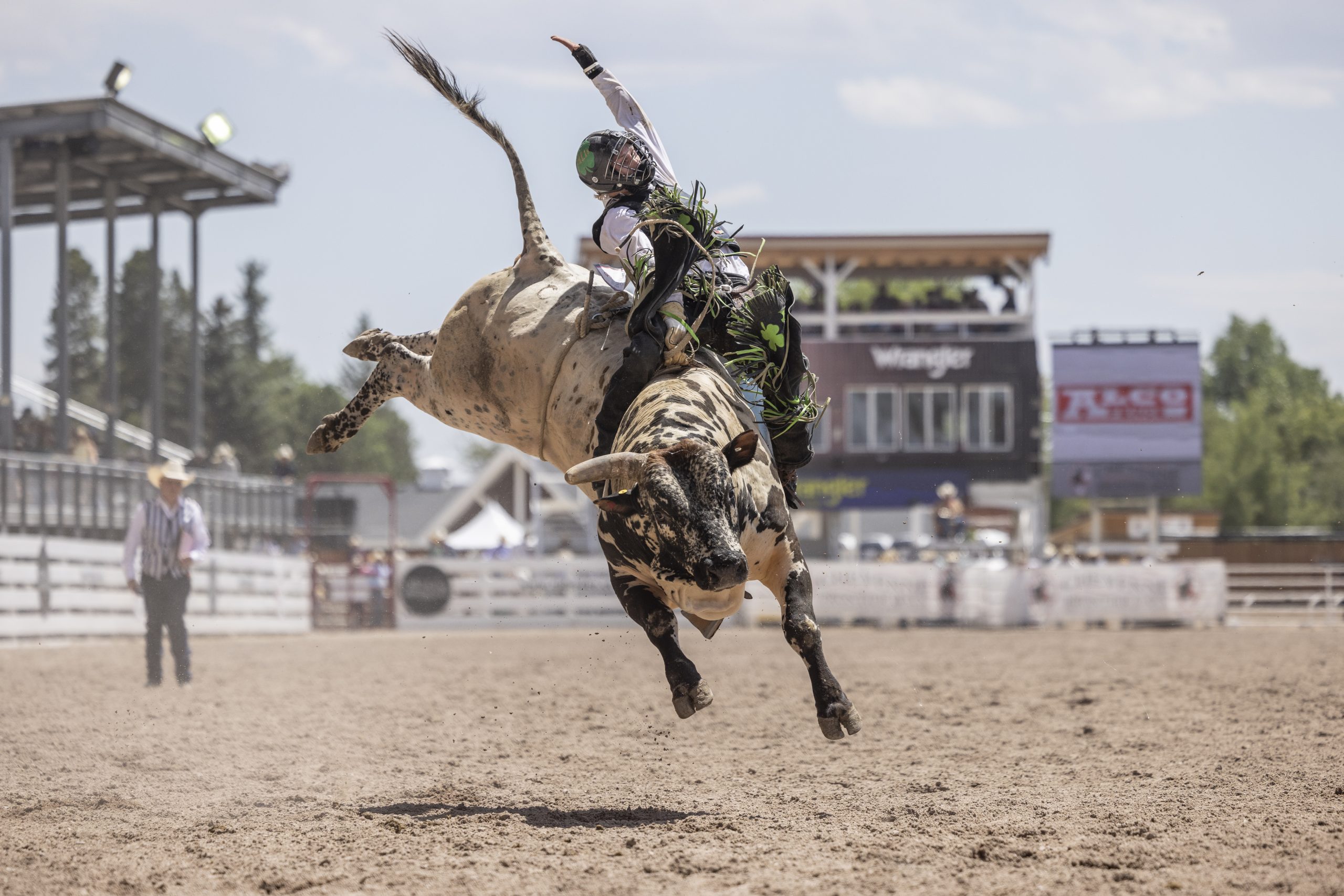
When we think of summer rodeo, the “Daddy of ’em All” immediately springs to mind. What began as a modest cowboy roundup in 1897 has since grown into the world’s largest outdoor rodeo on an expansive dirt stage that has showcased practically every legend in the sport. Accompanying all of that thrilling athletic greatness, the 10-day event features a plethora of craft, clothing, and culinary vendors, frontier heritage events, nightly musical entertainment, and the very best in Wild West and Native culture at every turn.
For its 130th anniversary in 2026 (July 17–26), the CFD celebrates with the exhibit “Year of the American Indian” and the grand opening of Morning Star American Indian Village, a beautiful 3.8-acre permanent village in Frontier Park. Morning Star will serve as a year-round gathering place to captivate and educate visitors through Native dance, storytelling, and tribal arts and crafts.
Over at Cheyenne Frontier Days Old West Museum (northeast corner of Frontier Park), you’ll find the statue Champion Lane Frost, where you can pay tribute to the beloved 25-year-old bull rider who was killed here after successfully riding Takin’ Care of Business for eight seconds but succumbing to fatal injuries when the bull struck him in the back with its horn. Following Frost’s tragic and untimely death, his friend and fellow rider Cody Lambert developed a protective vest that’s now mandatory in professional bull riding.
CFD 2026 will be underway just as this issue comes out, so unless you’re in Cheyenne in late July this year, chances are you’ll want to start planning for 2027 (July 23–August 1) and perusing the full roster of Native programming also happening on these hallowed grounds in the meantime. cfdrodeo.com
 PHOTOGRAPHY: Courtesy of Cheyenne Frontier Days
End of Trail SASS World Championships
Phoenix: February 22–28, 2027
The World Championship of Cowboy Action Shooting, End of Trail, is the Super Bowl of cowboy shooting comps — big, colorful, and steeped in Old West flavor. This year’s theme is The Cavalry, and the costumes alone are worth the trip. It’s part shooting match, part performance art, where competitors dress in period clothing and compete with single-action revolvers, lever-action rifles, and side-by-side or pump shotguns.
You’ll hear steel plates plinking, see knock-down targets fall, and watch Old West showdowns play out among world-class competitors. Side matches include cowboy fast draw and mounted cowboy shooting, where riders wield a brace of single-action revolvers loaded with blanks. Everyone has an alias, from Deadeye Dick to Gunslinger Grace.
“End of Trail is where the fastest cowboy shooters on the planet come to face off,” says Leo “Rattlesnake Slim” Horton, president of the Arizona Territorial Company of Rough Riders. “But even the slowest shooters have plenty of fun dressing up, shooting, shopping, and making friends from all over the world.” endoftrail.org
Rivers, Lakes, and Oceans
FIPS-Mouche World Fly Fishing Championship
Idaho Falls, Idaho: September 13–18, 2026
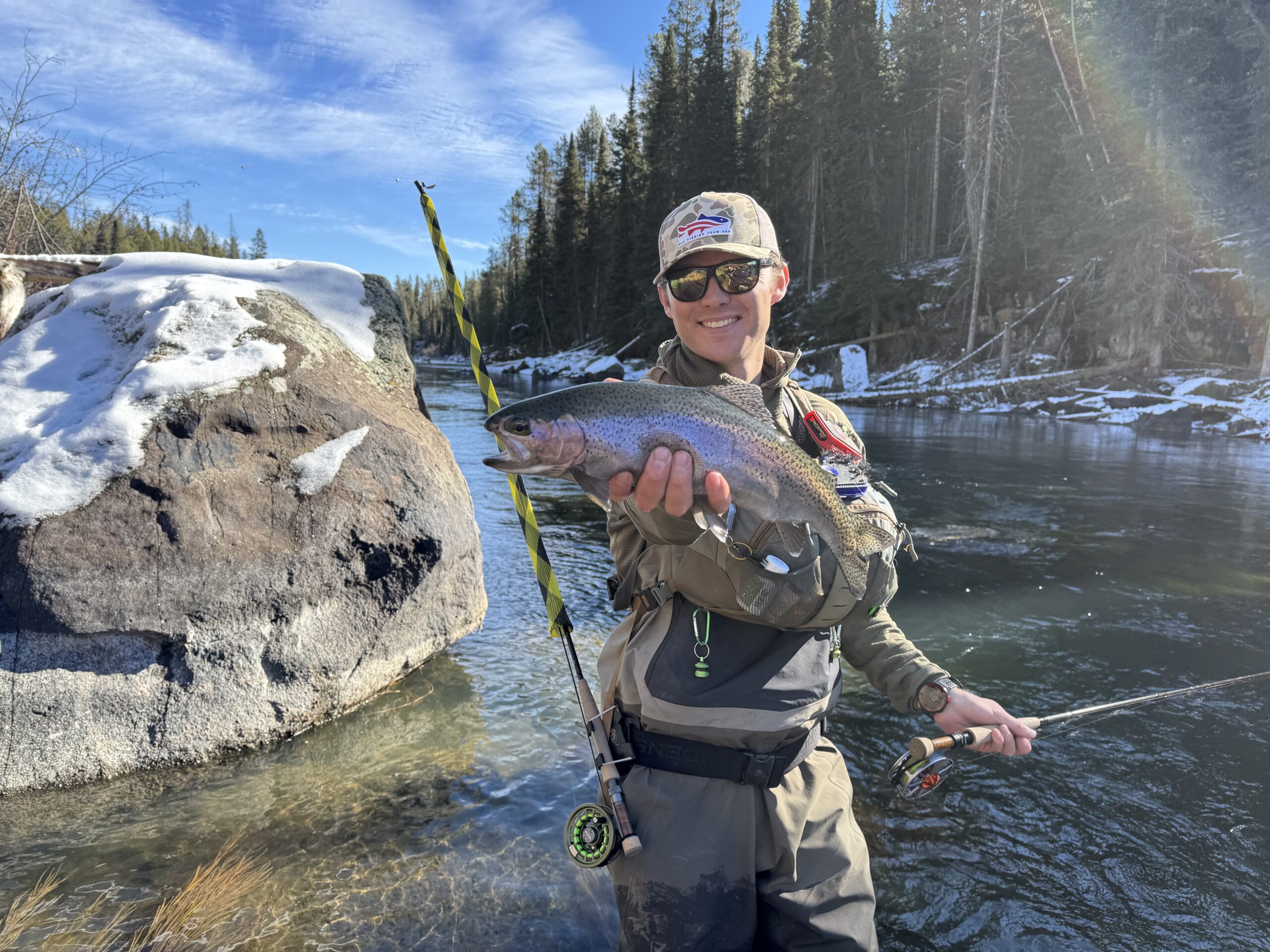
Anglers from around the world will descend upon Idaho Falls late this September for the 45th FIPS-Mouche World Fly Fishing Championship, where individual champions and countries will be crowned in an Olympic-style competition. Staged across trout-rich Idaho, Wyoming, and Montana, the West’s fabled “Golden Triangle” of fly-fishing event tests competitors on everything from riffled rivers to stillwaters at Hebgen Lake and Sheridan Reservoir. Legendary fisheries like the Henry’s Fork and Snake River challenge participants casting for browns, rainbows, and cutties from assigned 200-yard beats under strict rules — no fish finders or GPS allowed. Success hinges on reading currents, choosing the right flies, and presentation, with catch totals and fish size determining the winner. fips-mouche.cips-fips.com
 PHOTOGRAPHY: Chrystine Whyte
U.S. Open of Surfing
Huntington Beach, California: July 25–August 2, 2026
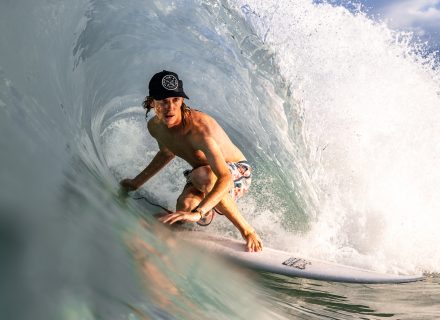
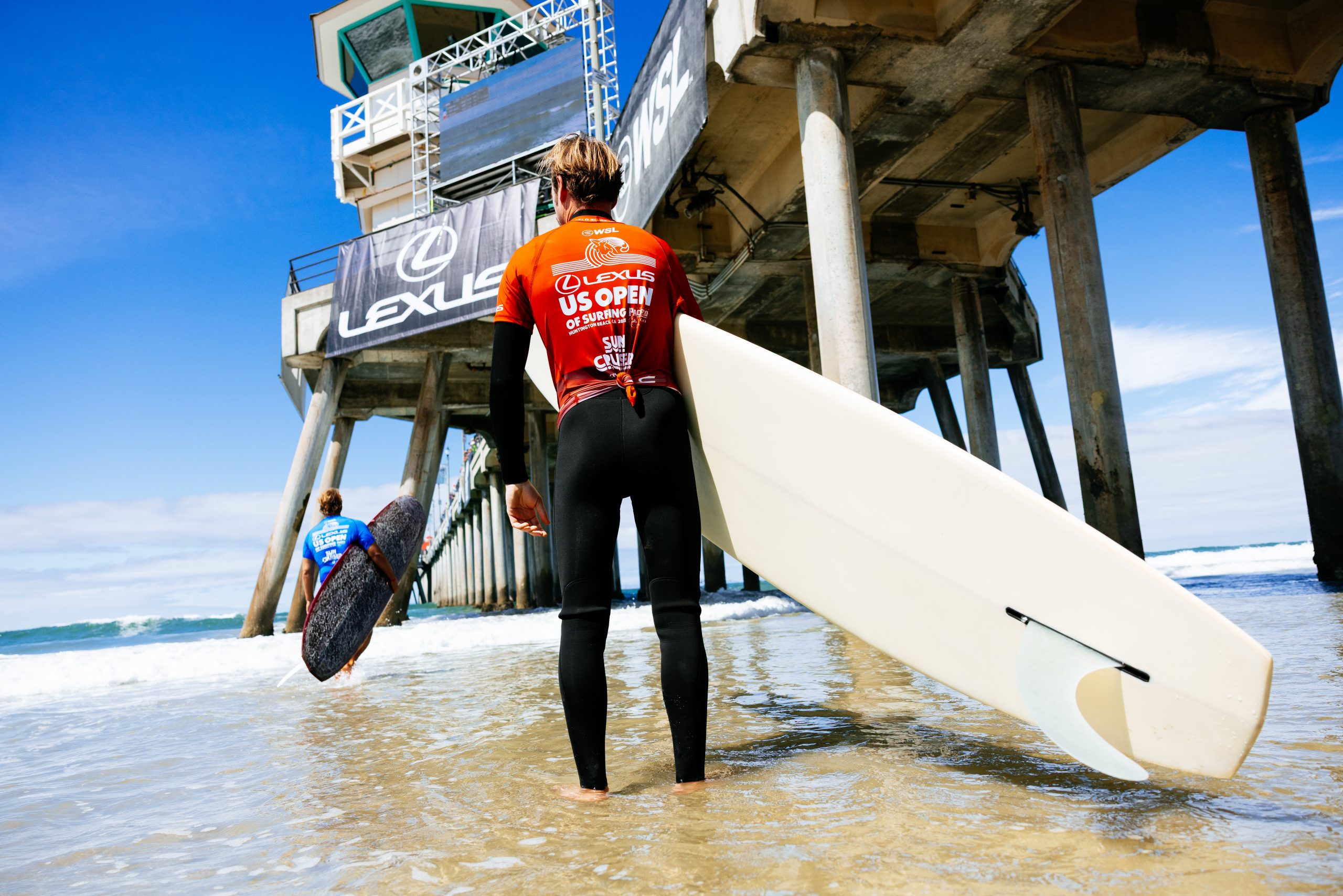
Get you and your flipflops, sunscreen, brimmed hat, and beach chairs to the pier in Huntington Beach, where the U.S. Open of Surfing once again earns its beach-lifestyle stripes as the world’s largest surf competition. The free annual event features nine festive days of swell competition of the World Surf League (WSL) Challenger Series and Pro Juniors. Live music, food trucks, and, in a sign of the surfin’ times, brand activations compete with the wave-riding for your entertainment attention. You can stream the action on worldsurfleague.com or the WSL app. usopenofsurfing.com
PHOTOGRAPHY: Pat Nolan_WSL
Texas Water Safari
Central Texas: June 2027
Organizers call the Texas Water Safari “The World’s Toughest Canoe Race,” and they’re not exaggerating.
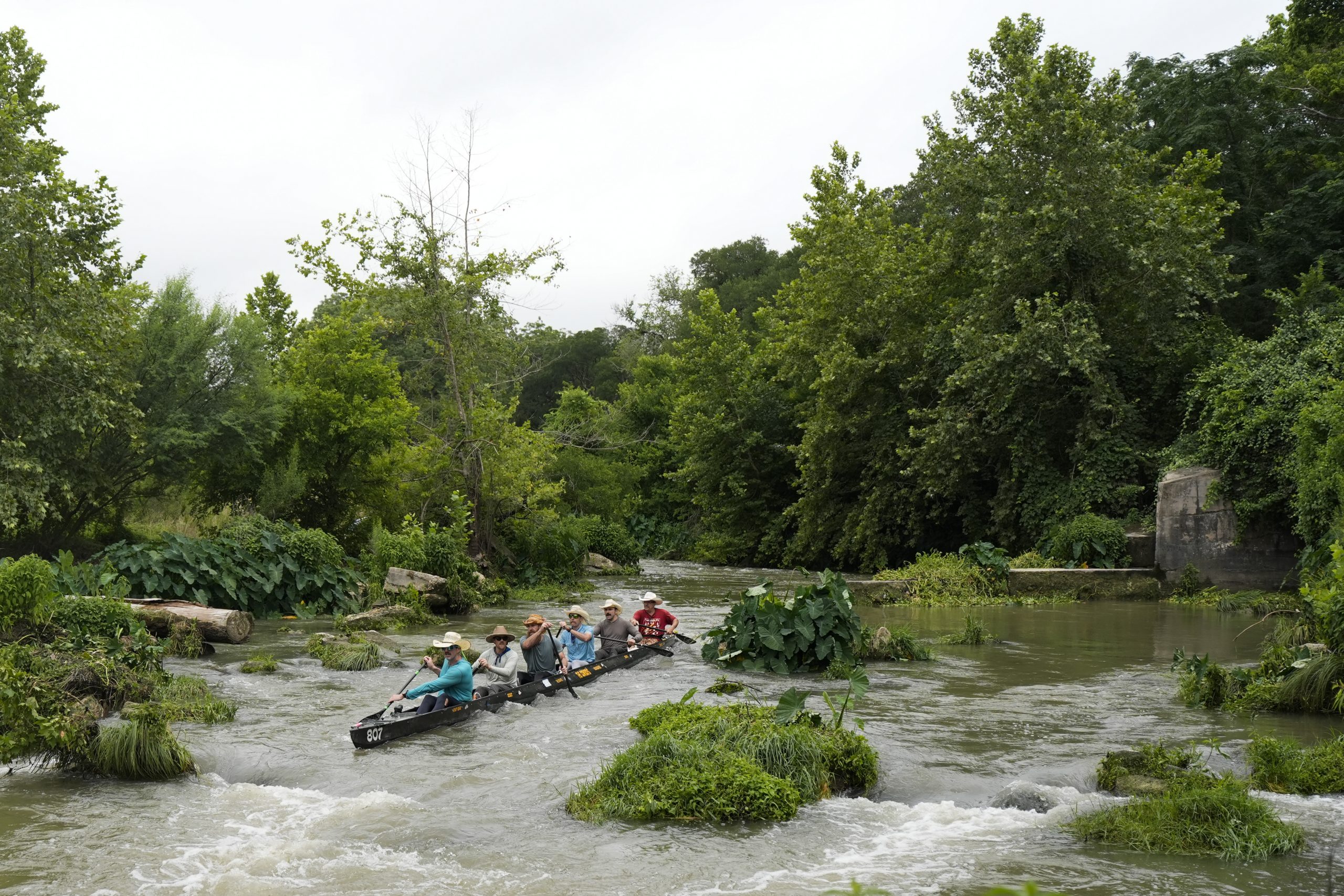
Each June, competitors in the ultramarathon event paddle — many of them without stopping to rest — 260 miles from a spring-fed lake in Central Texas to the town of Seadrift along the Texas Gulf Coast. To earn a coveted finisher’s patch, they must get there in 100 hours or less.
Along the way, athletes, both solo and in teams of two to six, face a host of challenges. They navigate rapids, drag their boats around dams, and clamber over logjams — huge bobbing mats of logs, branches, snakes, spiders, trash, and the occasional dead farm animal. Now and then, a prehistoric-looking alligator gar, shaped like a torpedo, jumps out of the water and smacks them as they hustle past. Only the hardiest can stand up to the heat and humidity with temperatures frequently hovering over 100 degrees.
Paddlers keep moving day and night, and hallucinations typically kick in after about 40 hours without sleep. Alligators swirl along the banks as the river nears the bay, and mosquitos, snakes, and palm-size spiders all add to the misery. As they cross the bay near the finish, racers contend with brutal headwinds and boat-capsizing waves.
Frank Brown and Bill “Big Willie” George dreamed up the race in 1962, when they spent about 30 days boating from San Marcos to Corpus Christi, hunting and fishing as they went. The inaugural race took place the following year. The finish line has shifted, and racers now have support crews to hand them food and water — but the safari has earned legendary status in paddling circles, with some diehards returning to compete in the grueling race year after year. texaswatersafari.org
PHOTOGRAPHY: Ashley Landis
Lummi Stommish Water Festival Canoe Race
Bellingham, Washington: June 2027
The Lummi people call themselves the Lhaq’temish, meaning “people of the sea.” It’s fitting then that the Pacific Northwest tribal nation has hosted an annual water festival for 80 years. The inaugural Stommish — which translates to warrior — celebrated the safe return of World War II veterans in 1946. Drawing thousands of spectators, the modern multiday rendition reflects those origins with a veterans’ parade as well as traditional singing and dancing, a moonlight concert series, a carnival, a Lummi-style salmon barbecue, and the headlining war-canoe races. Dozens of canoe clubs from across the United States and Canada — ranging from singles to perfectly synchronized 11-person paddling teams — take to the water in these high-intensity competitions honoring heritage.
Fields, Courts, and Fairways
Pecos League Baseball
Eight western states: May–July
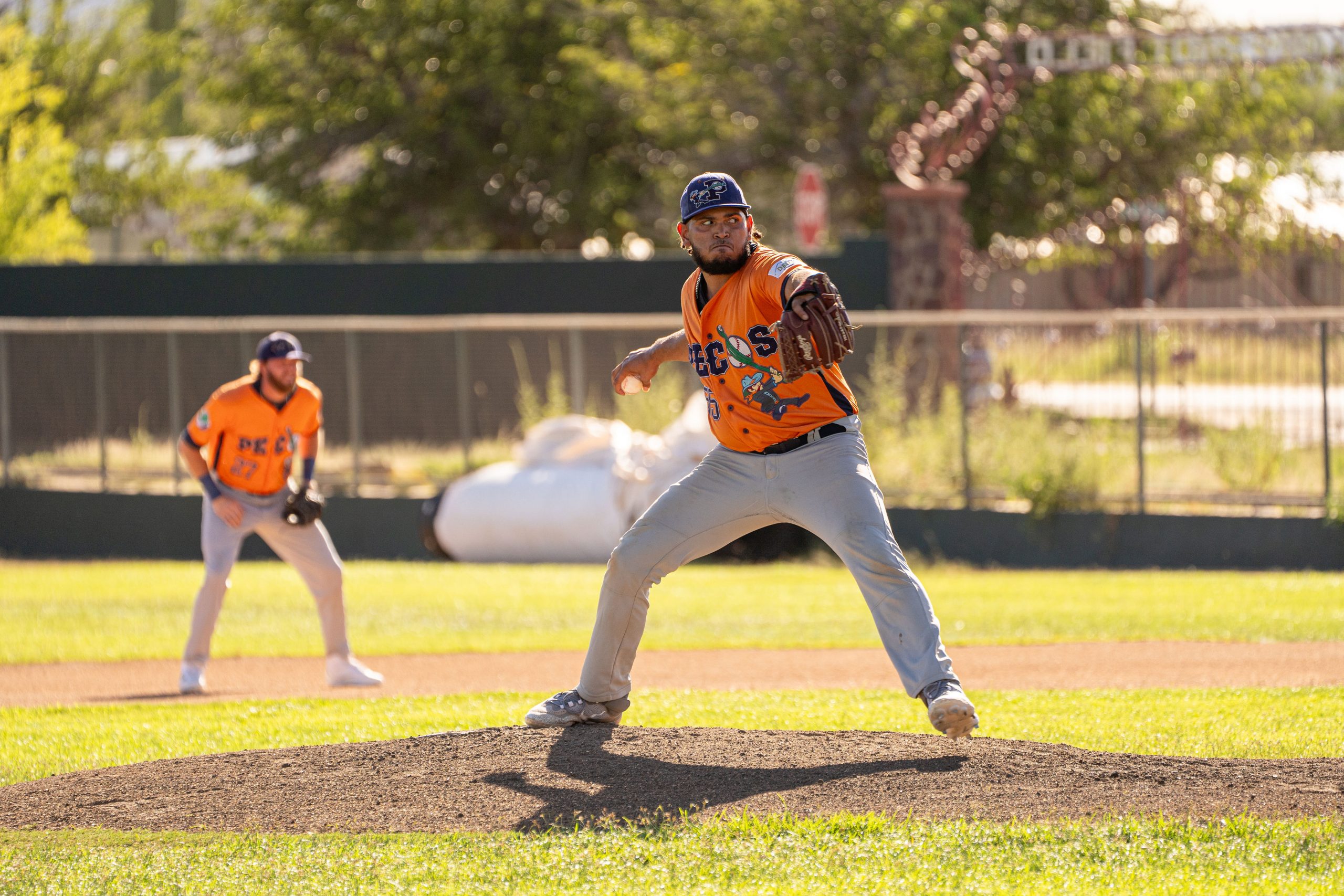
Kevin Costner might have forged his mythic Iowa Field of Dreams in 1989, but back in 1947, millionaire Big Bend rancher Herbert Lee Kokernot Jr. built a real one in Texas for his semiprofessional baseball team, the Alpine Cowboys. The 1,400-seat stadium, with its magnificent edifice of local stone and giraffe-style masonry (irregularly shaped, rough-textured stones set in wide mortar joints), became one of the most revered sports venues in the West. Texas Monthly once said it “may be the prettiest little baseball stadium in the country.”
“There was a fellow running a baseball team in Alpine and it was about to break up,” Kokernot once explained. “He was going to quit so I bought him out, built a nice little ballpark. I guess you’d call it civic pride, love of baseball, and the kick I get from doing things for those young men.”
Kokernot’s spirit is alive today in the Cowboys and 14 visiting teams who play at his stadium as part of the Pecos League, an independent baseball league that operates in desert mountain regions across eight western states. Teams play in cities without Major or Minor League teams — Grand Junction, Blackwell, Santa Fe, Tucson, Bakersfield — in stadiums built at an average of 4,870 feet elevation. Teams have no Major League affiliations and play a May–July schedule.
Kokernot Field might be steeped in history, but the Pecos League is not. Launched with six teams in 2011, it was originally based along the Pecos River from Alpine to Roswell, New Mexico. As it has expanded so has interest, but the approachable civic vibe remains. As the league’s website proclaims, “Any player who is not currently under contract with another Professional Baseball Team may try out.”
To reference another Costner baseball flick, if you’re looking for love of the game on a warm summer night, the Pecos League is where you’ll find it. pecosleague.com
PHOTOGRAPHY: Courtesy of Pecos League Baseball
Super Bowl LXI
Los Angeles: February 14, 2027
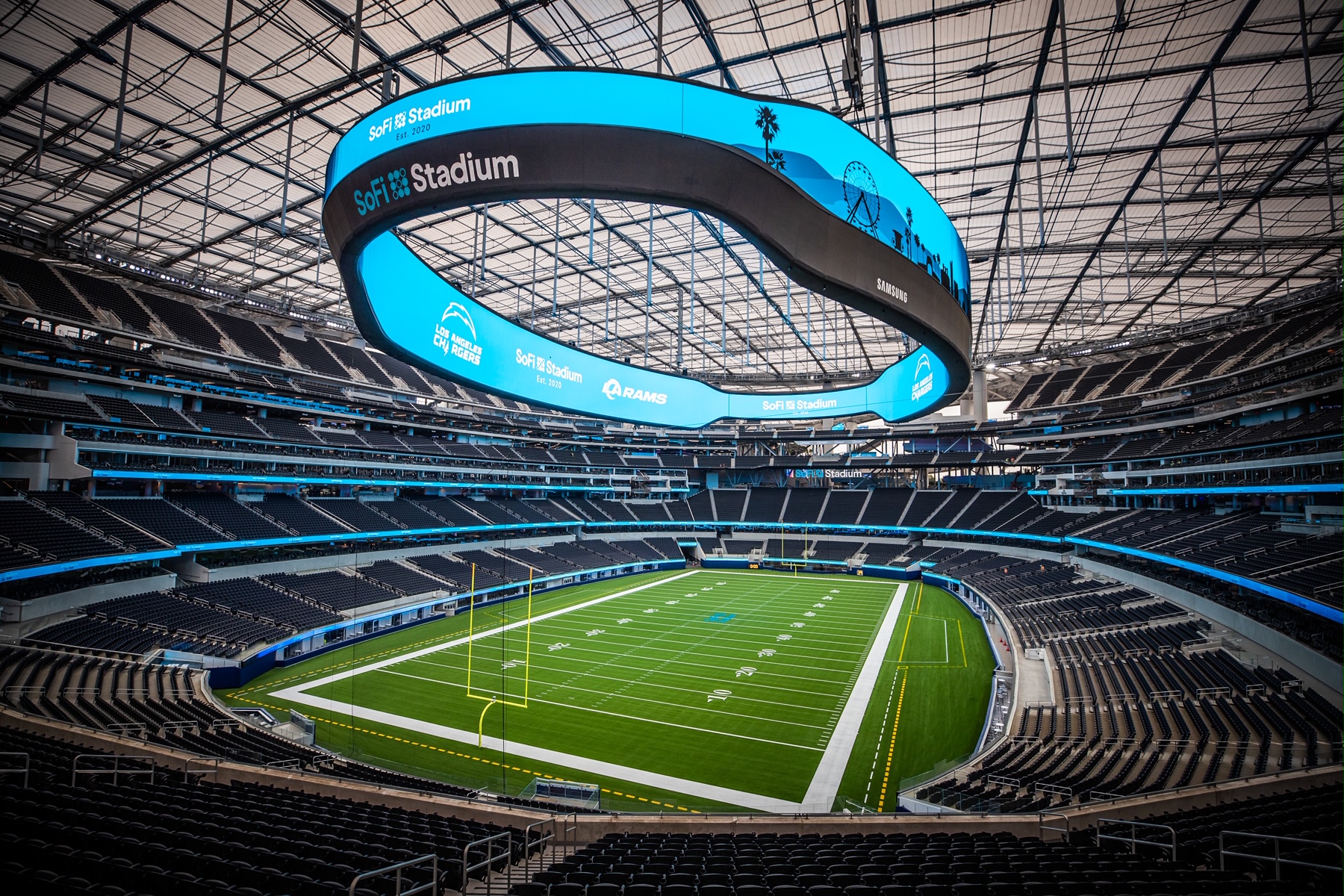
Love — of the pigskin variety — will be in the air when Super Bowl LXI lands in Los Angeles on Valentine’s Day 2027, marking the ninth Super Bowl hosted across the region at venues including the Rose Bowl, Los Angeles Memorial Coliseum, and now SoFi Stadium, the futuristic $5 billion gridiron of the Rams and Chargers. At press time, the hometown Rams are early favorites to win it all after becoming just the second team in NFL history to capture a Super Bowl inside its home stadium when SoFi hosted the big game in 2022. Expect a superstar halftime performer — typically revealed in early fall — along with a week of concerts, red carpets, and celebrity-packed parties in true Hollywood fashion. lasuperbowlhc.com21.
PHOTOGRAPHY: Getty Images for Hollywood Park Management Company.
“Bark at the Park” Major League Baseball Games
San Diego Padres Petco Park: August 26, September 9, 2026
Major League Baseball’s canniest promo for canine parents — originally called “Dog Days of Summer” — began 30 years ago at Chicago’s New Comiskey Park (now Rate Field) when White Sox fans and their dogs were permitted to sit together in the bleachers during the first
designated pet-friendly day at a ballpark. Since then, MLB’s “Bark at the Park” program has expanded to numerous ballparks across the country — featuring pup parades, contests, special seating, and of course dog toy giveaways.
San Diego’s Petco Park is our pick this season for your hound’s happiest ballgame outing with its off-leash dog park in Gallagher Square overlooking center field. The Texas Rangers, Seattle Mariners, Colorado Rockies, Arizona Diamondbacks, Kansas City Royals, and several other major league teams also host pet-friendly game days; check online to find out when, and don’t forget your ballcap, sunscreen, leash, collapsible water bowl, and biodegradeable bags. Toughest call? Deciding whether to share your hotdog with your hot dog.
Rose Bowl
Pasadena, California: January 1, 2027
On New Year’s Day in 1902, arguably the lamest-ever college football game pitted a fired-up Western squad from Stanford against Eastern juggernaut U Michigan at Tournament Park in Pasadena. Down 49-zip with eight minutes left, Stanford threw in the towel — and that was that for the inaugural Rose Bowl, initially dubbed the Tournament East-West Football Game. It would take two decades before the Rose Bowl was played in Rose Bowl Stadium, completed for the 1923 game, when a decisive USC Trojans victory over Penn State ushered in an era of respectability for Western college football, which thankfully hasn’t let up.
Today, the oldest college bowl game — nicknamed “The Granddaddy of Them All” — remains the most revered gridiron event in an ever-evolving post-season melee saturated with bowls. Over 91,000 fans will congregate for this year’s 113th Rose Bowl, which hosts the College Football Quarterfinal game. Come early to experience California’s most hallowed pageantry — the Rose Parade — with a million or so folks, featuring ornate floral-covered floats, marching bands, and equestrian units stretching along over five miles of Colorado Boulevard. If you like flowers, football, and friendly “winter” weather, there’s no rosier way to usher in the new year. rosebowlgame.com
BNP Paribas Open
Indian Wells, California: February 28–March 14, 2027
The BNP Paribas Open is the “Grand Slam of the West,” — or tennis’ “fifth major” — bringing top players to the hard courts of the Indian Wells Tennis Garden each March. Fans can watch them up close on the practice courts before settling into Stadium 1, a 16,000-seat arena, the second-largest outdoor tennis stadium in the world. From Federer and Nadal to Williams, the game’s greats have all won here, while A-lister fans like Will Ferrell and Ben Stiller are regulars. Framed by palm trees and the Santa Rosa Mountains, the setting is tennis paradise, with standout food (Michelin-starred Nobu and Le Burger by Camphor), craft cocktails, and a sun-soaked SoCal vibe. bnpparibasopen.com
NBA All-Star Game
Phoenix: February 21, 2027
The Valley of the Sun will become basketball’s center of gravity when NBA All-Star Weekend takes over Phoenix next February. Friday night festivities tip off with the star-studded celebrity game before rolling into fan favorites like the Slam Dunk Contest and 3-Point Contest, with long-range GOAT Stephen Curry vowing to make his return. Sunday’s main event, the All-Star Game itself, is expected to continue its crowd-pleasing Team USA vs. Team World format introduced in 2026, potentially pitting Anthony Edwards and Jayson Tatum against Luka Doni and Victor Wembanyama, the generational 7-foot-4 big man from France, at the Mortgage Matchup Center. nbaevents.nba.com/nba-all-star-2027
Seaside Beach Volleyball Tournament
Seaside, Oregon: August 5–9, 2026
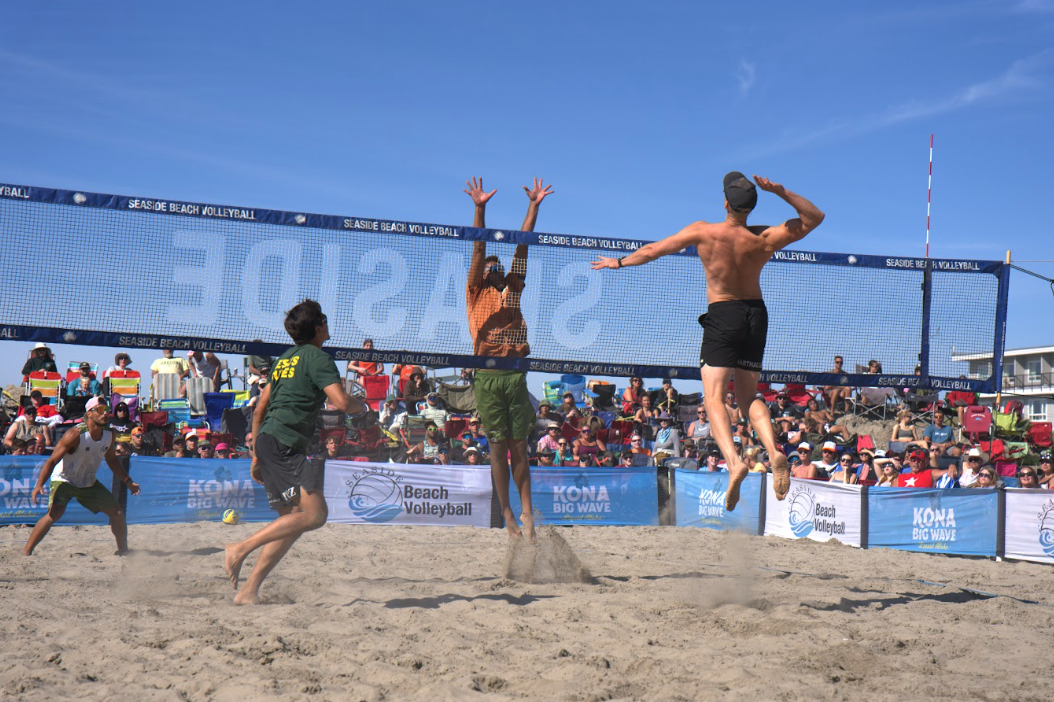
The largest beach volleyball tournament in North America (and second biggest on the planet after Venice, Italy), this sandy shindig on the Oregon coast attracts more than 40,000 spectators to watch the serving and spiking of an estimated 7,000 players on about 240 courts with juniors to adults digging deep across divisions for all skill levels. Launched in 1982, the event originally sprouted from a small local fundraiser to raise bucks to buy a lifeguard tower in charming Seaside. The birth of the sport itself dates back to 1915 on Waikiki Beach but really got traction and organization during the 1920s in Santa Monica, California, where the modern two-player game was introduced in 1930. Elevated to an official Olympic sport in 1996, beach volleyball will be held at Alamitos Beach in Long Beach, California, during the 2028 Summer Olympics. seasidebeachvolleyball.com
PHOTOGRAPHY: Courtesy of Seaside Chamber of Commerce
AT&T Pebble Beach Pro-Am
Pebble Beach, California: February 1–7, 2027; U.S. Open, June 17–20, 2027
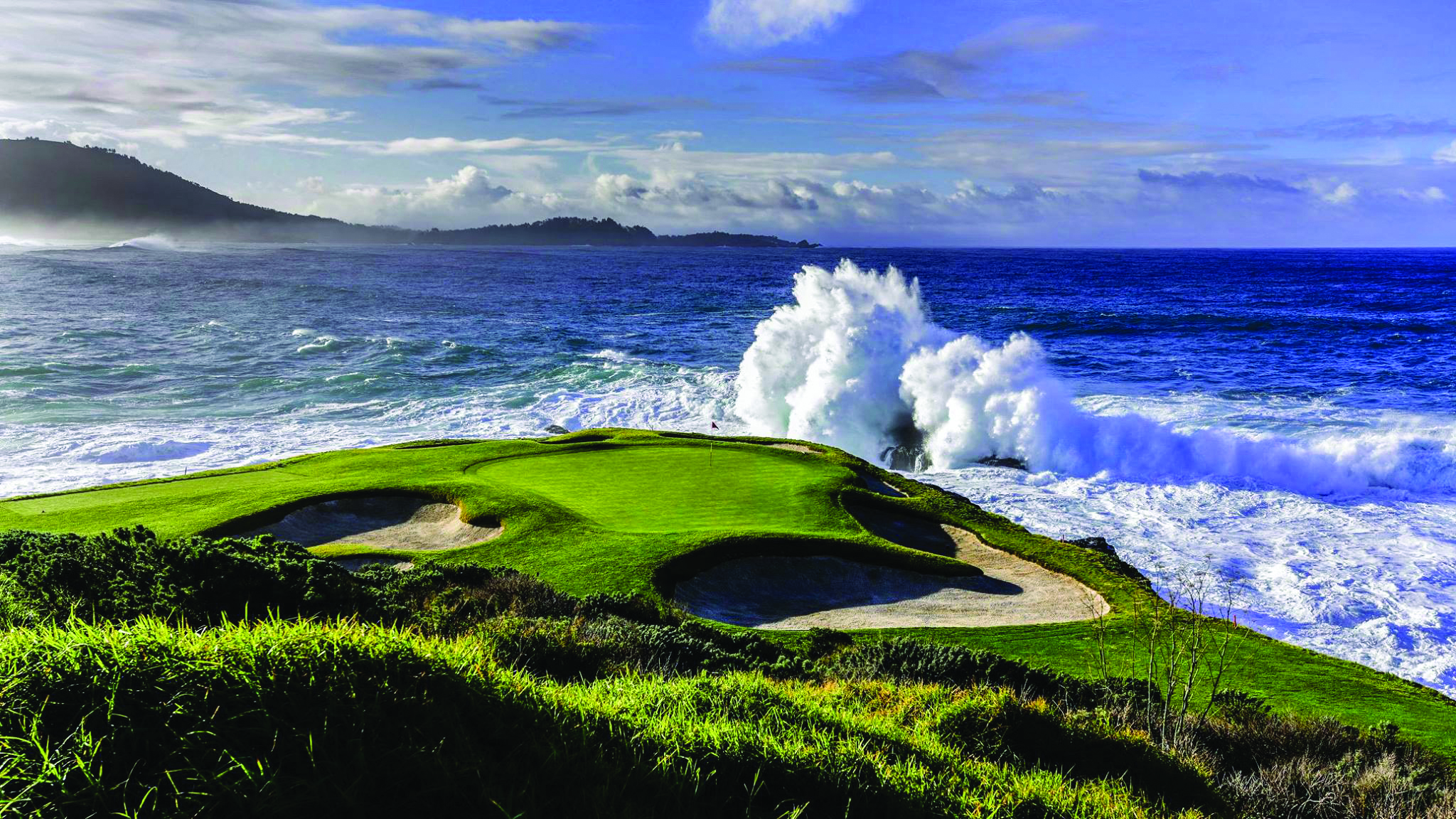
Bing Crosby put Pebble Beach on the map when his celebrity-studded pro-am — known as the Crosby Clambake — moved to the Monterey Peninsula in 1947. The oceanside layout along 17-Mile Drive, widely considered the most beautiful public golf course in America, hugs a rugged stretch of Pacific coastline often called “the greatest meeting of land and sea in the world.” It still hosts the AT&T Pebble Beach Pro-Am and will welcome the U.S. Open in 2027. Tiger Woods’ 15-shot win here in 2000 remains one of the sport’s defining moments. Mere mortals can nab a tee time (for a pretty penny) and walk the same fairways as legends, including former Carmel-by-the-Sea mayor, western movie icon, and Pebble Beach part-owner Clint Eastwood. pebblebeach.com
 PHOTOGRAPHY: Bart Keagy
WM Phoenix Open
Scottsdale, Arizona: February 8–14, 2027
The WM Phoenix Open is not your grandfather’s PGA Tour event — it’s a full-blown desert party, more spring break than professional golf tournament. Known as “The People’s Open,” the bash draws half a million fans each year to the Stadium Course at TPC Scottsdale during Super Bowl weekend, many beelining early for the coliseumlike grandstands ringing the par-3 16th hole. Inside the infamous arena, 20,000 rowdy fans pack in each day — some in themed outfits, others shirtless — on a fast track to tomorrow’s hangover. On the tee, players pump up the crowd in Happy Gilmore fashion. Poor shots earn boos. If an ace drops, the place erupts into bedlam — beer showers, cups, and cans raining onto the green. wmphoenixopen.com
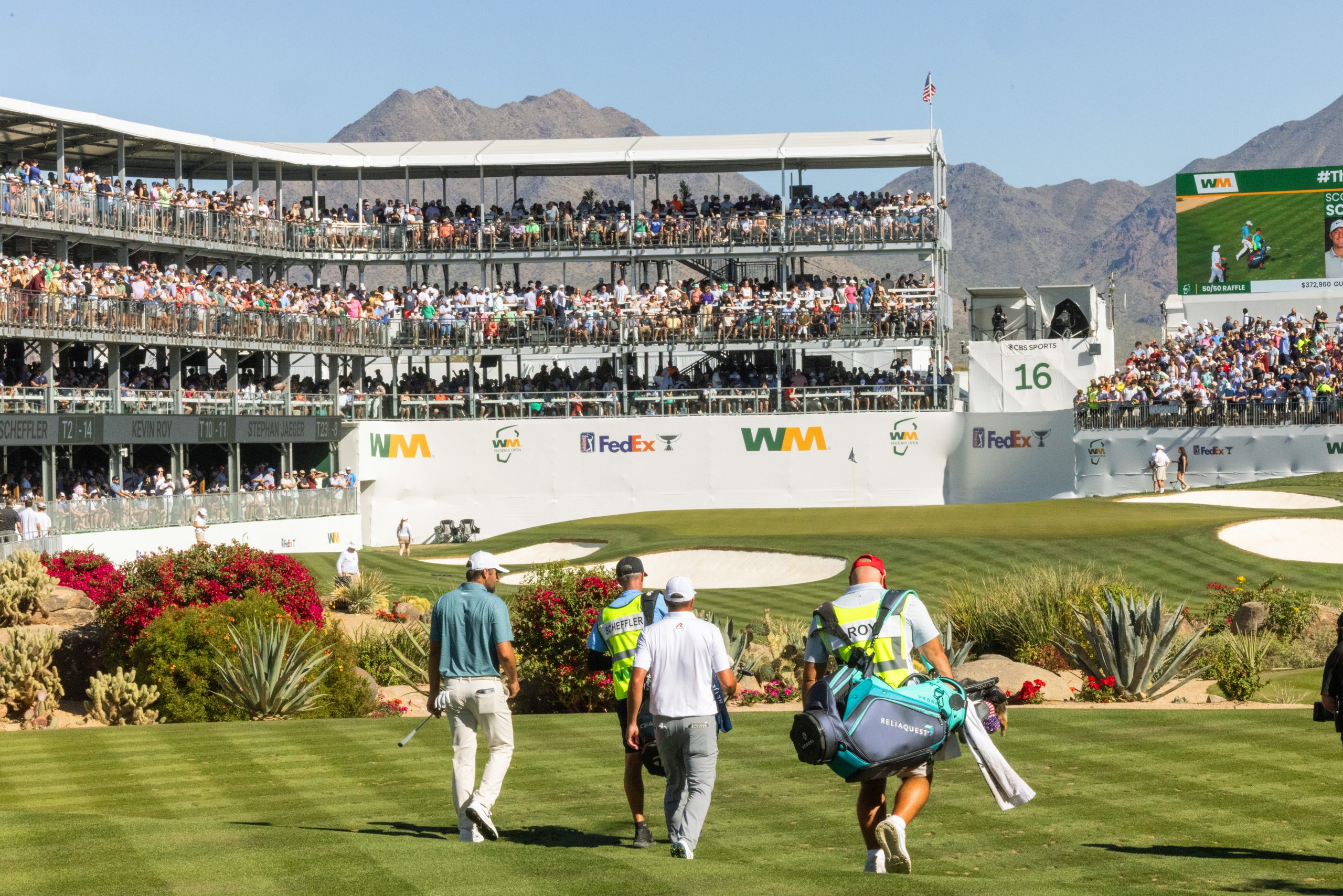
PHOTOGRAPHY: Courtesy of Phoenix Open
USA Ultimate National Championships
San Diego: October 22–25, 2026
Hosted at the Surf Cup Sports Park in San Diego, the ultimate in ultimate Frisbee pits the best teams from across North America against each other. Sixteen teams each in the men’s, mixed, and women’s divisions vie for one of the most prestigious titles in the sport of ultimate — many spinning discs of difference from the first national championship in 1979 in State College, Pennsylvania, when there was only a men’s division. Impress your fellow spectators with this bit o’ fris-trivia: Inspired by students at tony East Coast unis like Yale who would toss metal pie tins from the Frisbie Pie Company, inventors of the modern plastic Frisbee, Walter Morrison and Warren Franscioni, created the “Flyin-Saucer” in 1948 in Southern California. When Wham-O bought the rights in 1957, they renamed it Frisbee. usaultimate.org
PHOTOGRAPHY: Courtesy of Utah Olympic Legacy Foundation
Sky and Wonder
Great Texas Birding Classic
Statewide: April 15–May 15, 2027
Few states can go pound for pound with Texas for sheer birding diversity. During peak spring migration, the Great Texas Birding Classic turns this abundance of wings into a competitive endurance sport.
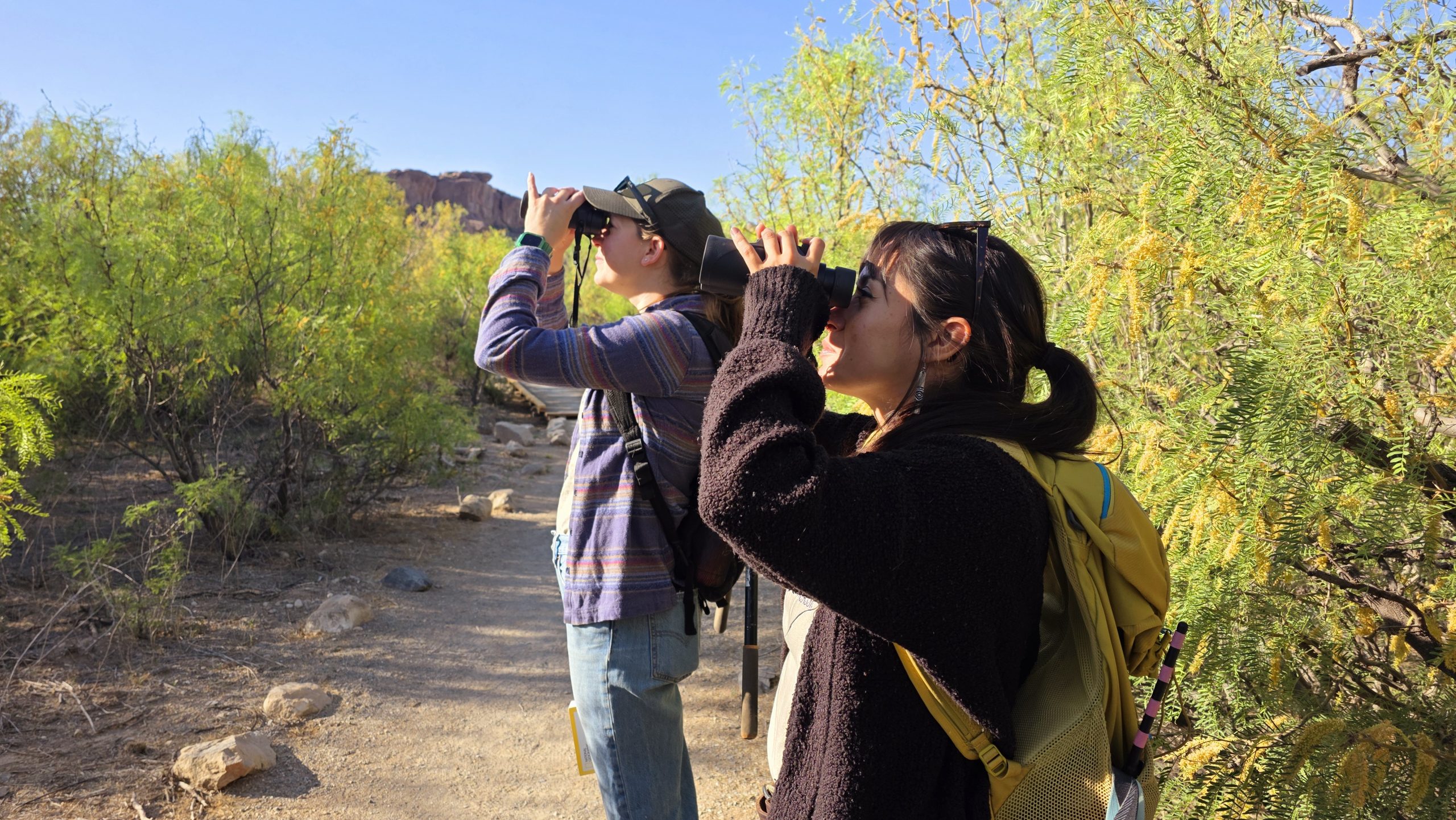
Armed with checklists and binoculars, seasoned birders and youth teams alike race across the Lone Star State pursuing subtropical species in the Rio Grande Valley to Gulf Coast fallouts at High Island. Billed as the nation’s “biggest, longest, and wildest” birdwatching tournament, the monthlong conservation event draws more than 250 teams competing in everything from “Big Day” marathons — midnight-to-midnight counts identifying as many species as possible — to the “Big Sit,” where teams bird inside a 50-foot circle for 24 hours straight. “It’s like a tailgate party for birders,” says Shelly Plante of Texas Parks and Wildlife.
Teams with names like Vireo Killed the Radiostar, Nine Inch Rails, and Crows Before Bros. scour hotspots like Port Aransas and South Padre Island for warblers, shorebirds, American flamingos blown off course, plus rare mangrove cuckoos and mottled owls. Turns out everything really is bigger in Texas. Even birdwatching. tpwd.texas.gov/events/great-texas-birding-classic
PHOTOGRAPHY: Courtesy of Texas Parks and Wildlife
Albuquerque International Balloon Fiesta
Albuquerque, New Mexico: October 3–11, 2026
The best way we know to get over your recurring nightmare of Dorothy jumping out of the basket to run after Toto and missing her ride out of Emerald City back to Kansas is the 54th
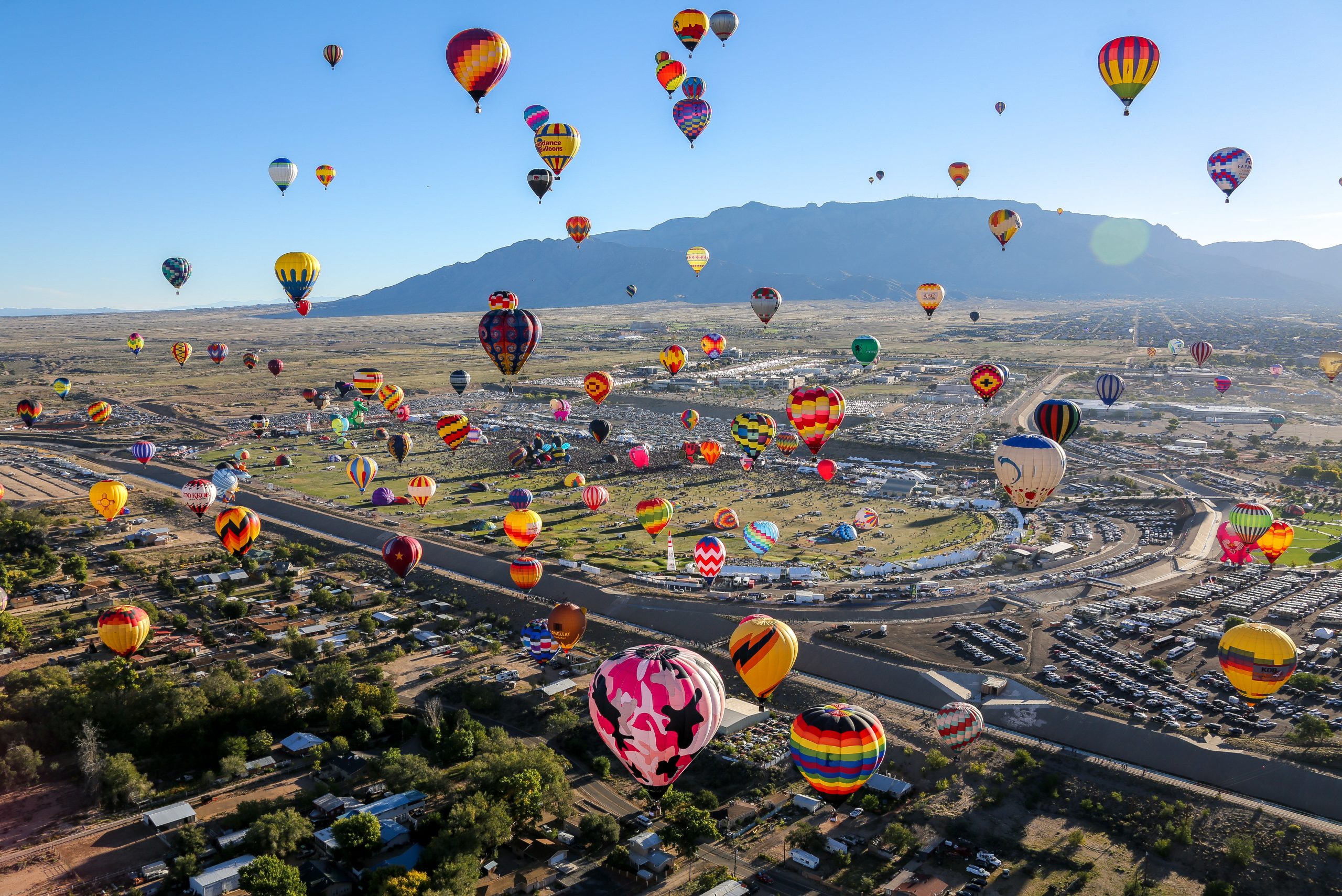
annual up, up, and away in ABQ, when hot air and hundreds of Montgolfiers (after the brothers who invented them) fill Balloon Fiesta Park and the Fifth Dimension seems to be singing “Would you like to ride in my beautiful balloon?” Well, yes, in fact, we would — and especially this year, when the “Scenic Route” theme celebrates the 100th anniversary of Route 66, which runs right through the host city.
More than 500 hot air balloons will launch over nine days into The Land of Enchantment’s blue skies in the world’s largest gathering of balloons and balloonists. The competition involves navigating pilots’ dropping markers at declared goals on the Balloon Fiesta Pilot Map. Hard to imagine that what began with 13 thermal airships in a shopping mall parking lot has grown to this 365-acre extravaganza — mass ascensions, the popular “Special Shape Rodeo,” chainsaw carving, balloon rides — that attracts almost a million visitors, all eyes skyward.
The evening balloon glows are insanely, otherworldly beautiful. Now if the whole gaping crowd would just break out in song: “The world’s a nicer place in my beautiful balloon / It wears a nicer face in my beautiful balloon.” You don’t even need Champagne and strawberries aloft to sing the song and sail along the silver sky. balloonfiesta.com
PHOTOGRAPHY: Courtesy of ExxonMobil Albuquerque International Balloon Fiesta
Adventure, Speed, and the Pursuit of Limits
Formula 1
United States Grand Prix
Austin, Texas: October 23–25, 2026; Las Vegas: November 19–21, 2026
Phil Hill remains the only American-born Formula 1 world champion, winning the title driving for Ferrari in 1961. Yet despite America’s limited success on the grid, the pinnacle of motorsport has exploded stateside in recent years, with three races and two U.S.-backed teams. In Austin, drivers tackle the 3.4-mile Circuit of the Americas (COTA), known for steep elevation changes, a technical mix of high- and low-speed corners, and one of Formula 1’s most difficult first turns. A few weeks later, F1 shifts to Sin City, where drivers rocket down the Las Vegas Strip past the Bellagio fountains and beneath the Sphere’s moon-bright psychedelic glow at 200-mph speeds
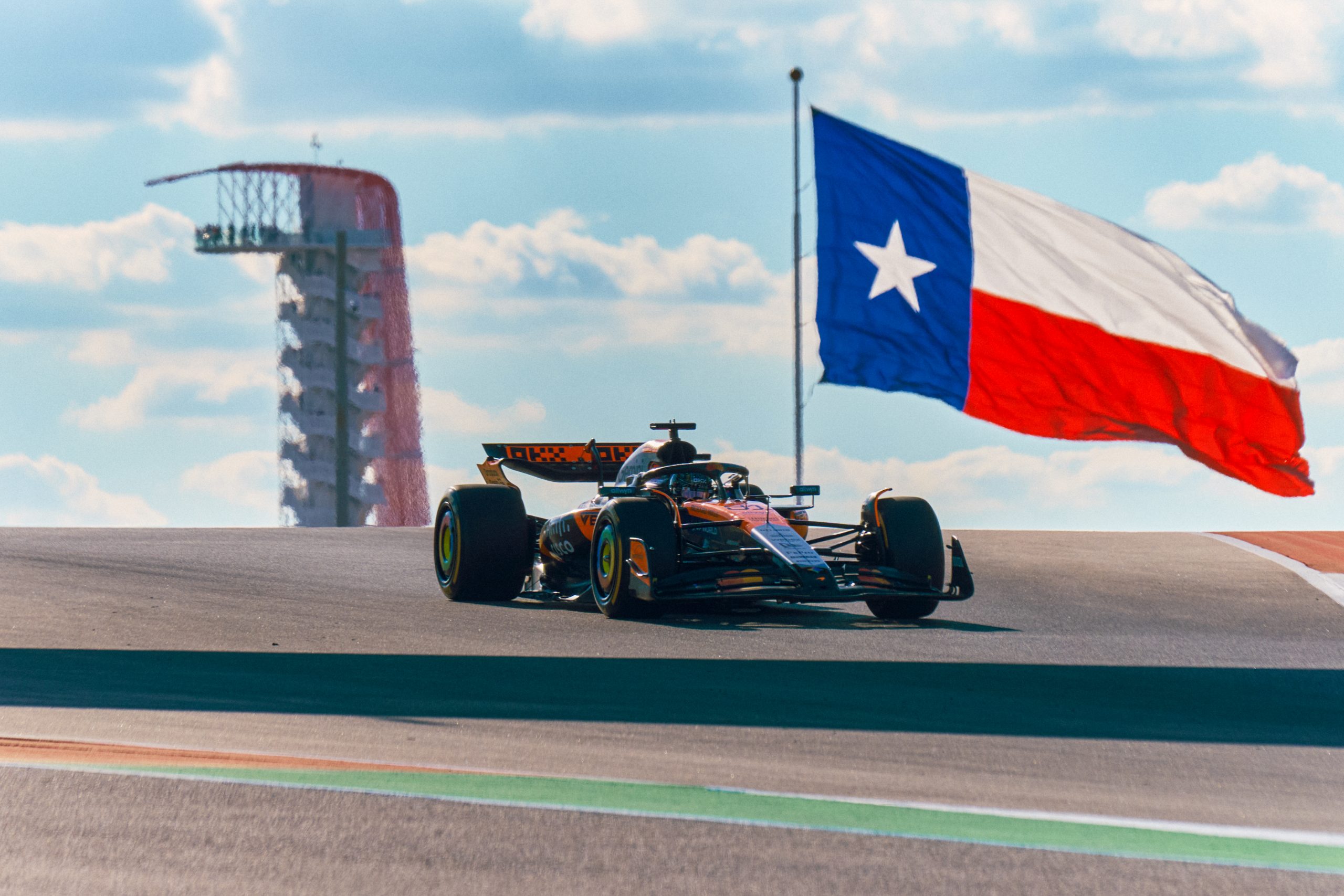
PHOTOGRAPHY: Courtesy Circuit of The Americas
Bay to Breakers Run
San Francisco: May 16, 2027
The third Sunday in May transforms the “Bay to Breakers” route — starting at The Embarcadero (the Bay) and winding through the city and up Hayes Street Hill on the way to Ocean Beach (the Breakers) — into one big costume party. One of the world’s oldest annual footraces, the 12K (with a 15K option) sees elite serious runners throw in with thousands of costumed participants and about 100,000 spectators taking in the wild proceedings. Iconic scenery and traditions like the centipede (groups of 13-plus running tied together) and the tortilla toss ensure a continuity of contained craziness from year to year. baytobreakers.com
Day of the Tread
Albuquerque, New Mexico: October 24–25, 2026
With a name that evokes the Mexican holiday Day of the Dead but cleverly makes it a weekend of Halloween-style costumed walking and biking races, this annual cycling event in ABQ features the Bosque Boneshaker Gravel Grinder on Saturday, October 24, and the main road rides and 4K walk on Sunday, October 25, 2026. Entertaining though the costumes might be, the competition is no joke. There are six-, 12-, 18-, 23-, 47-, 55-, 66-, and 100-mile routes, with themed recharge stations every seven to 12 miles, live music and entertainment along the courses, a costume contest, and the Treadfest post-event party at Sawmill Market. “Treadheads” of all ages pedal and perambulate for good causes, raising funds for New Mexico children and charities, including Tread Setters Adaptive Cycling, a program of the Carrie Tingley Hospital Foundation. dayofthetread.com
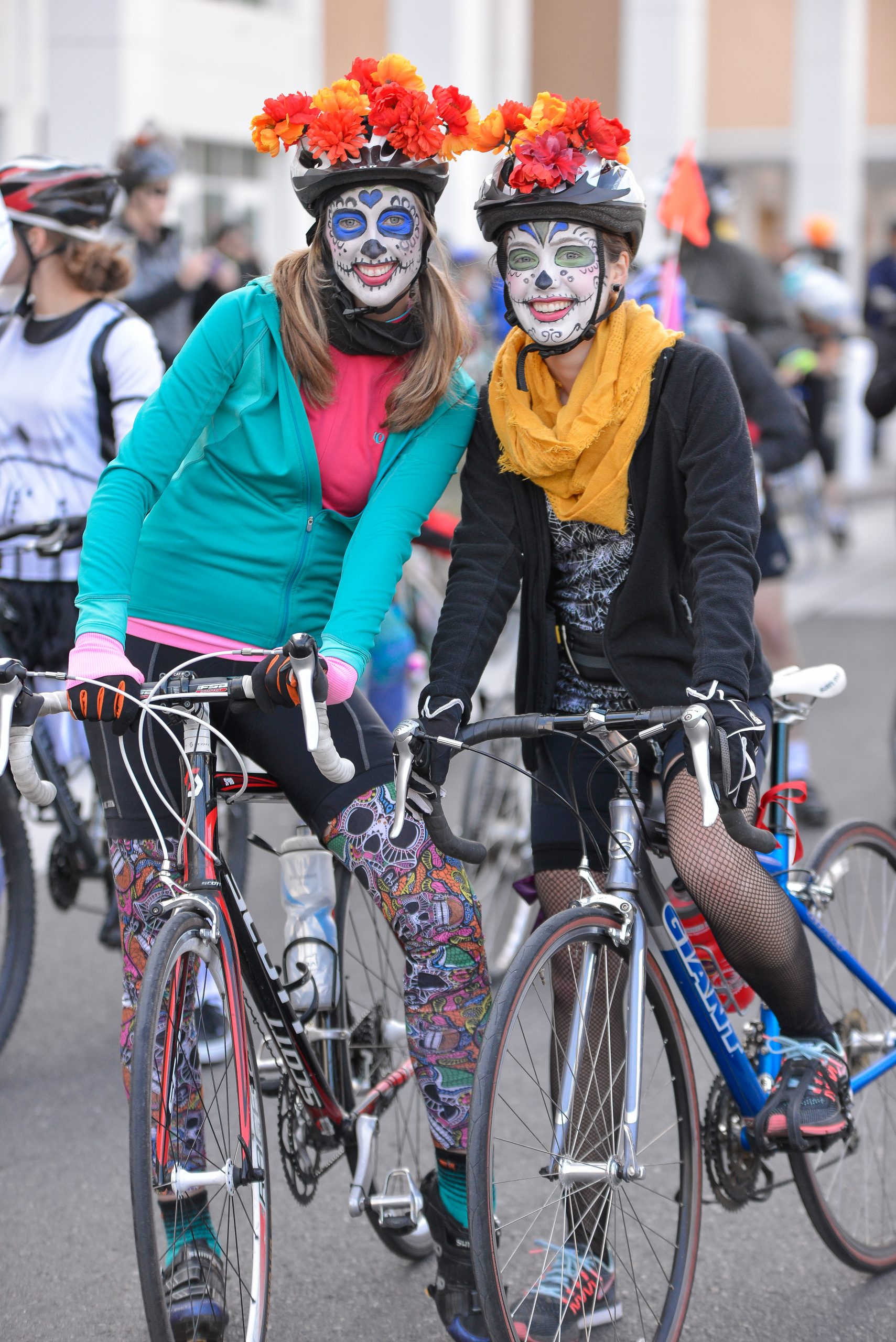
PHOTOGRAPHY: Courtesy of Day of the Tread
International Climbers’ Festival
Lander, Wyoming: July 2027
International Climbers’ Festival is one of the oldest climbing festivals in the world, turning the mysterious culture of climbing into a full-on celebration of sport and community. You might find yourself hip-to-hip at the crag or on the dance floor with famous climbers, but the festival welcomes everyone, from first-timers to hardcore crushers. There are climbs for every ability level, plus clinics where you’re introduced to equal amounts of technique and campfire climbing lore. Beyond the rock, the festival spills into town with food, art, competition, films, and an Art Walk. The event has become truly international as the area’s evolved into a world-class climbing destination.
“Back in ’93, we came up with the idea of a climbers festival,” says local hardman Sam Lightner. “Then someone noted there were climbers from South Africa, Switzerland, Canada, and Germany in Lander — so we called it the International Climbers’ Festival instead. People come from all over the world to climb, camp, and celebrate. climbersfestival.org
Pikes Peak International Hill Climb
Colorado Springs, Colorado: June 2027
Seventy racecar drivers. Triple-digit speeds. One hundred fifty-six turns. Nearly 5,000 feet of elevation gain over 12.42 miles with an average 7.2 percent gradient en route to a summit finish atop America’s Mountain. Founded in 1916, the Pikes Peak International Hill Climb — the famed “Race to the Clouds” — is the second-oldest motorsports race in America. Top drivers clock speeds over 140 mph on sections of the road to 14,115 feet, buzzing death-defying switchbacks in pursuit of the coveted “King of the Mountain” crown. Mario Andretti won here in 1969, while French driver Romain Dumas set the speed record in 2018 behind the wheel of an electric Volkswagen ID. R. Race weekend kicks off at Fan Fest, when 35,000 fans flood downtown Colorado Springs. ppihc.org
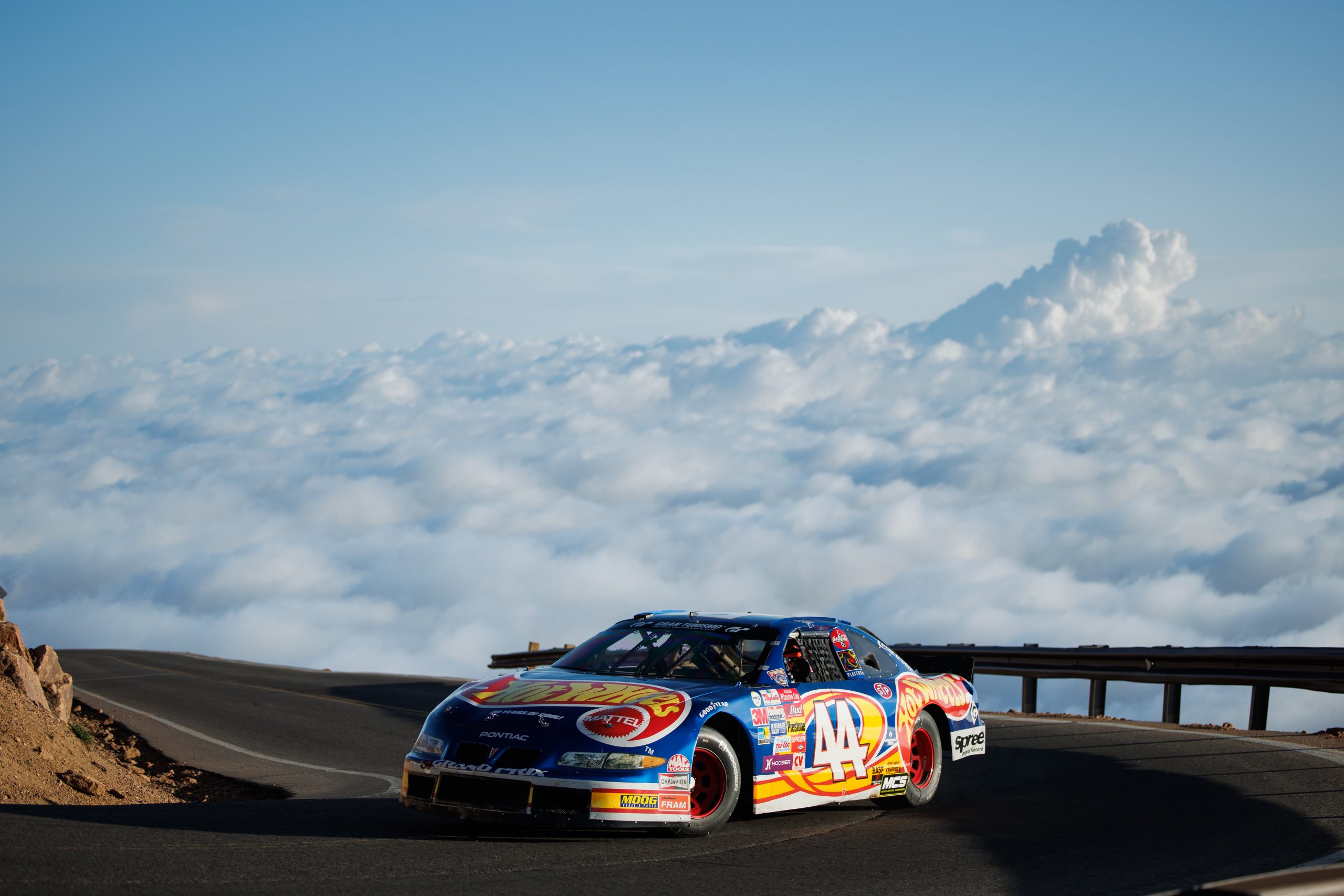
PHOTOGRAPHY: Pikes Peak International Hill Climb, JR Hildebrand
Escape From Alcatraz Triathlon
San Francisco: June 2027
Any race on the pro-triathlon circuit is naturally going to be pushing the limits of human endurance and self-inflicted punishment, but only one of them could make Al Capone, Whitey Bulger, or The Birdman of Alcatraz pee their Speedos from the starting gate. Launched in 1981 as a shorter, nastier alternative to Hawaii’s Ironman slog during the early years of triathlon competition, this Bay City butt-kicker begins with a leap into San Francisco Bay from a passenger ferry parked near the infamous former offshore penitentiary. A frigid, choppy, 1.5-mile swim from The Rock to the mainland’s Marina District is accompanied by vicious currents and a dozen mild-mannered species of bay-inhabiting sharks rolling their eyes somewhere in the murk beneath you. The remaining two thirds of the triathlon cover some of the prettiest corners of San Francisco’s Presidio and Golden Gate Recreation Area — at top speed on an 18-mile bike course full of brutal hills and hairpin turns, followed by an 8-mile run on pavement, grass, dirt, and beach that includes a crippling set of 400 cliff stairs called the Sand Ladder.
Entering its 47th year, the Escape From Alcatraz Triathlon (EFAT) has ballooned from a small band of neopreneless locals pioneering even rougher earlier versions of this course to more than 2,000 pro and amateur triathletes from over 50 countries with a 30 percent chance of hurdling the general admission lottery. Open to age-grouped amateurs, college athletes, relay teams, and pros, EFAT requires that participants be at least 18 years old on race day to compete. Selections happen during two rounds of random drawings in the fall. escapealcatraztri.com
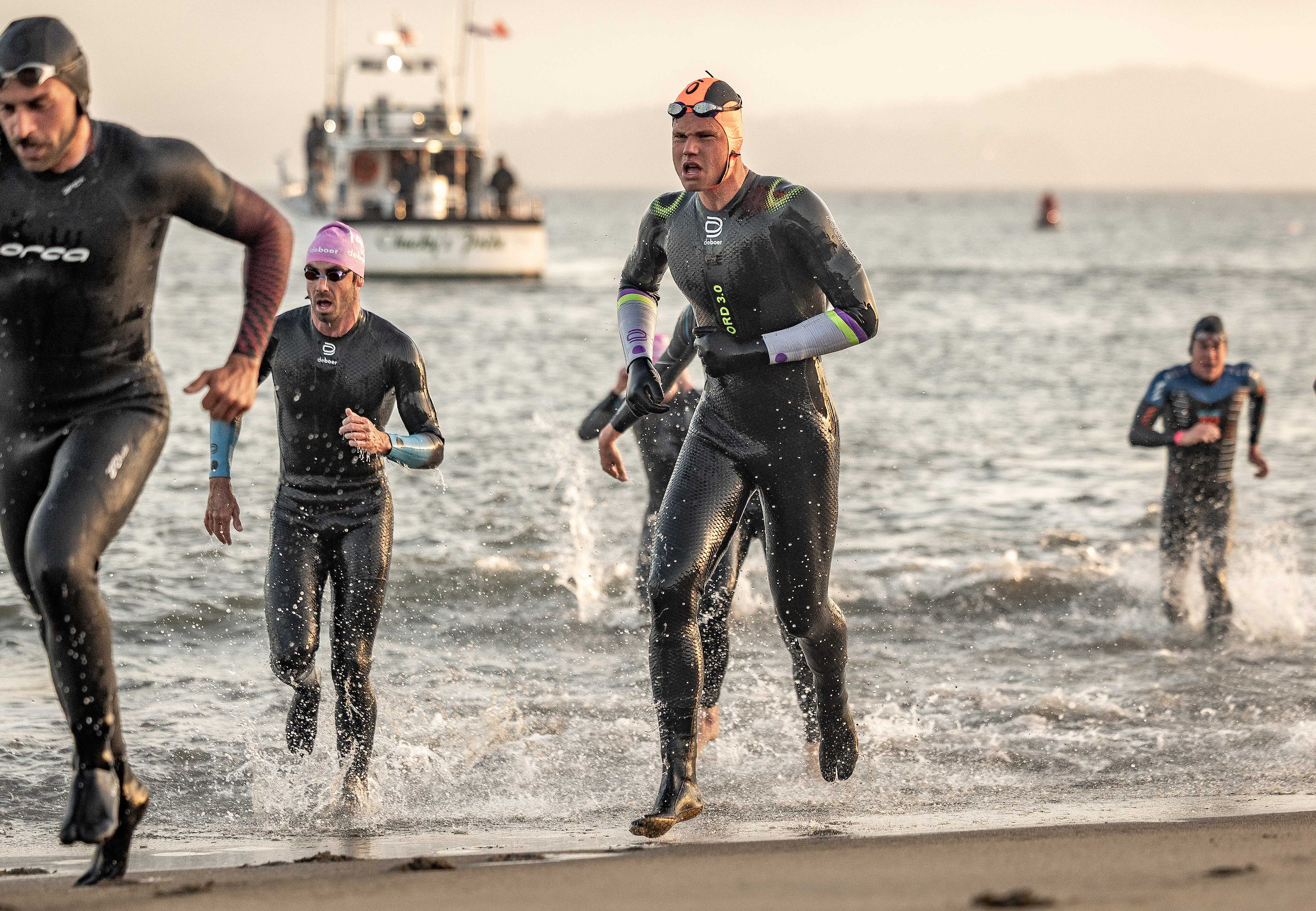
PHOTOGRAPHY: Escape From Alcatraz Triathlon
Tevis Cup Ride
Truckee, California: August 1, 2026
In 1955, to revive the spirit of the Wild West and prove that horses could make the grueling 100-mile mountain crossing across the rugged Sierra Nevada, Wendell Robie — an Auburn, California-based lumberman and horseman — rode the entire Western States Trail in a single day with some friends. The ride gave birth to what would become one of the world’s premier endurance horse races, tracing steep, narrow canyons along an ancient Native trading route where sure-footing is a must. Strict checkpoints ensure the health of horses and riders — and given the remoteness, teams watch out for each other. The Tevis is known for wild scenery, technical terrain, and some terrifying sections — climbing Emigrant Pass (8,700 feet), traversing the remote Granite Chief Wilderness, then descending to the American River. After about 18,000 feet of climbing and 23,000 feet of descent, finishers earn a commemorative belt buckle with several prestigious cups going to top performers. Entry is capped at just over 200 riders, all of whom must have completed 300 miles of sanctioned rides or previously finished the race to compete. In any given year, about half of them are expected to finish. teviscup.org
BASE Jumping at Perrine Bridge
Twin Falls, Idaho, year-round
Perrine Bridge in Twin Falls is one of the few places in the United States where BASE jumping is legal year-round, making it the country’s most accessible gateway to the sport. BASE — short for Buildings, Antennas, Spans, and Earth — is essentially skydiving without an airplane.
While solo jumps require serious training, visitors here can sign up for tandem jumps with professional instructors, no experience necessary. Strapped into a harness, jumpers step off the 486-foot bridge spanning the Snake River Canyon, freefall for several seconds, then float gently to the landing zone below.
“The Perrine is America’s entry-level BASE jump, dispelling all notions that the sport is only for highly trained or elatedly skilled daredevils,” says J.T. Holmes. “In skier’s jargon, it’s a green run. It’s hard to imagine a more fun way to spend a summer day than parachuting off the bridge.” Professional BASE jumper Matthias “Super Frenchie” Giraud calls it “one of the last true bastions of freedom in America.” basejumpthebridge.com
The Grand Traverse
Crested Butte, Colorado: March 2027
The Grand Traverse Triple Crown consists of three point-to-point races in backcountry Colorado between Crested Butte and Aspen. It began in 1998 as a cross-country ski race following a historic mail route that connected two mining towns nearly 150 years ago. The 40-mile route now boasts a trio of athletic challenges: skiing, running, and biking.
The self-supported ski race starts at midnight, when the avalanche risk is lowest. Teams of two carry everything they need to traverse the Elk Mountains at night, including avalanche gear and the knowledge of how to use it. Along the way, competitors cope with blisters, frostbite, wrong turns, inclement weather, and more. For some, it’s worth the agony.
The other races take place as summer ends — this year, September 5 for the run; September 6 for the ride — and come with their own pitfalls and fun. Whatever portion, the triple crown can get real Western. “I didn’t anticipate the self-doubt, the what-the-heck-am-I-doing-here-I-can’t-do-this,” says Austyn Dineen, who competed with her husband. “The mind is really the biggest hurdle, but at the end of the day, your body can do so much more than your brain thinks it can.” cbnordic.org/thegrandtraverse
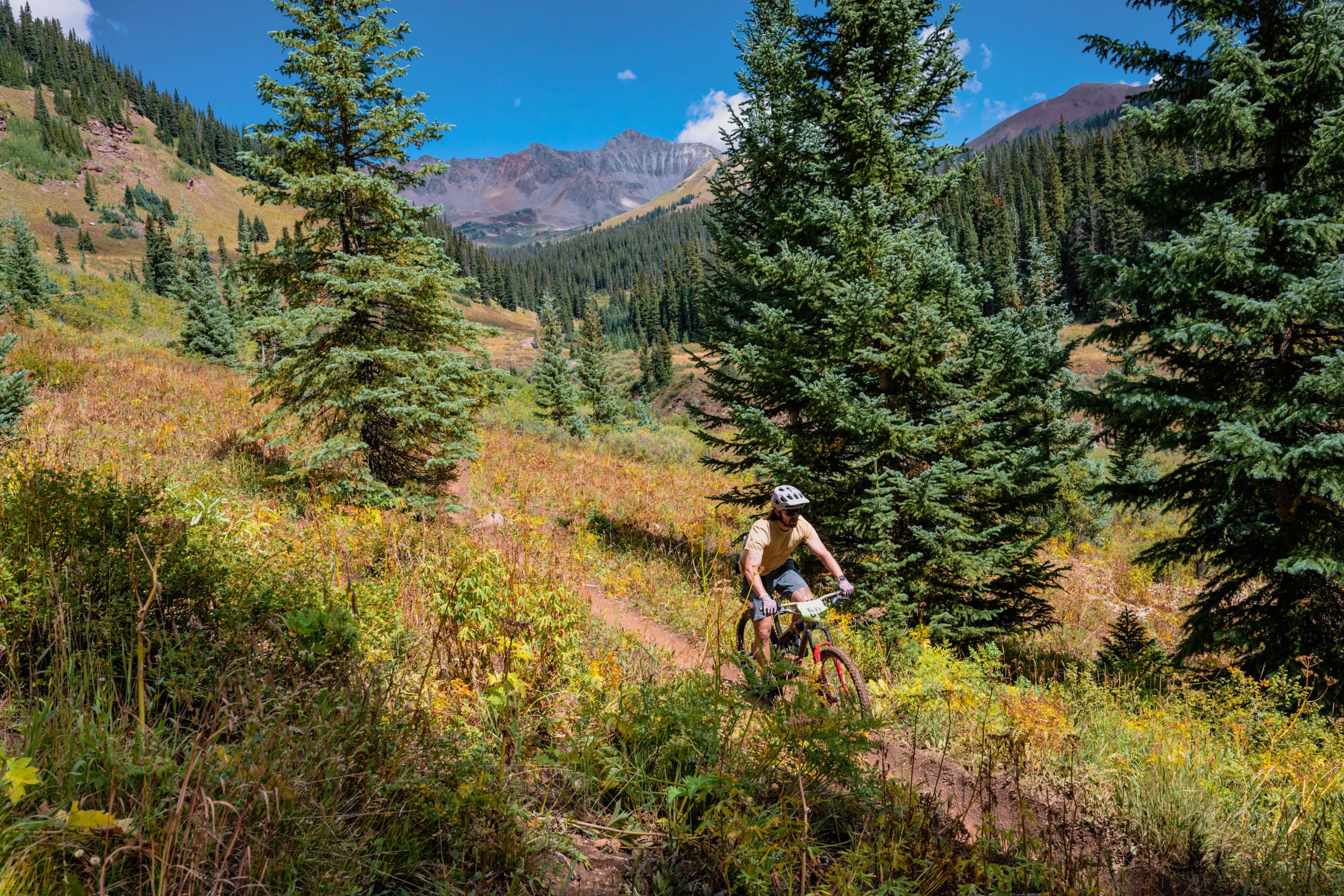 PHOTOGRAPHY: Courtesy Xavier Fane
Big Sur International Marathon
Big Sur, California: April 25, 2027
Officially billed as the world’s “largest rural marathon,” the more applicable pair of superlatives for this coastal 26.2-miler celebrating its 40th anniversary next spring along Big Sur’s Highway 1 are “most spectacular” and “most punishing.” Described by ESPN as a run on the “ragged edge of the Western World,” the equally gorgeous and grueling route subjects its 4,500 lucky bib-wearers to relentless hills, severe elevation gains, and fierce Pacific gusts hitting their stride around mile 10 — where a steep 2-mile climb peaks on a headwind-blasted summit befitting the name Hurricane Point. At the midway mark, runners cross the precipitous Bixby Creek Bridge — where a man seated at a grand piano in a tuxedo tickling the ivories serves as a halfway-there fixture of encouragement. You’ll need it. Nine steep inclines await during the second half of an epic odyssey graced with coastal redwoods, crashing surf, and bucket list jubilation at the lovely finish line in Carmel. bigsurmarathon.org
Western States 100-Mile Endurance Run
Olympic Valley, California: June 26–27, 2027
If horses can traverse the Western States Trail in 24 hours, why can’t a human? In 1974, Gordy Ainsleigh proved it — starting the Tevis Cup Ride on foot and finishing within the cutoff. The first official Western States 100 followed in 1977; just one of 14 runners made it under 24 hours. Today, 369 runners start, with about 11,000 applicants.
The race begins at Olympic Valley, then launches into punishing climbs and long descents. Runners cross the American River — by foot or raft — while aid stations, pacers, and strangers keep them moving into the night. “Historically it’s the most iconic, storied 100 in the USA,” says Nick Yardley, longtime ultrarunner. “There’s plenty of downhill — it should be easy. Wrong.”
“We are an organization fueled by the community for the community,” adds race director Topher Gaylord, “delivering a world-class, life-changing experience.” wser.org
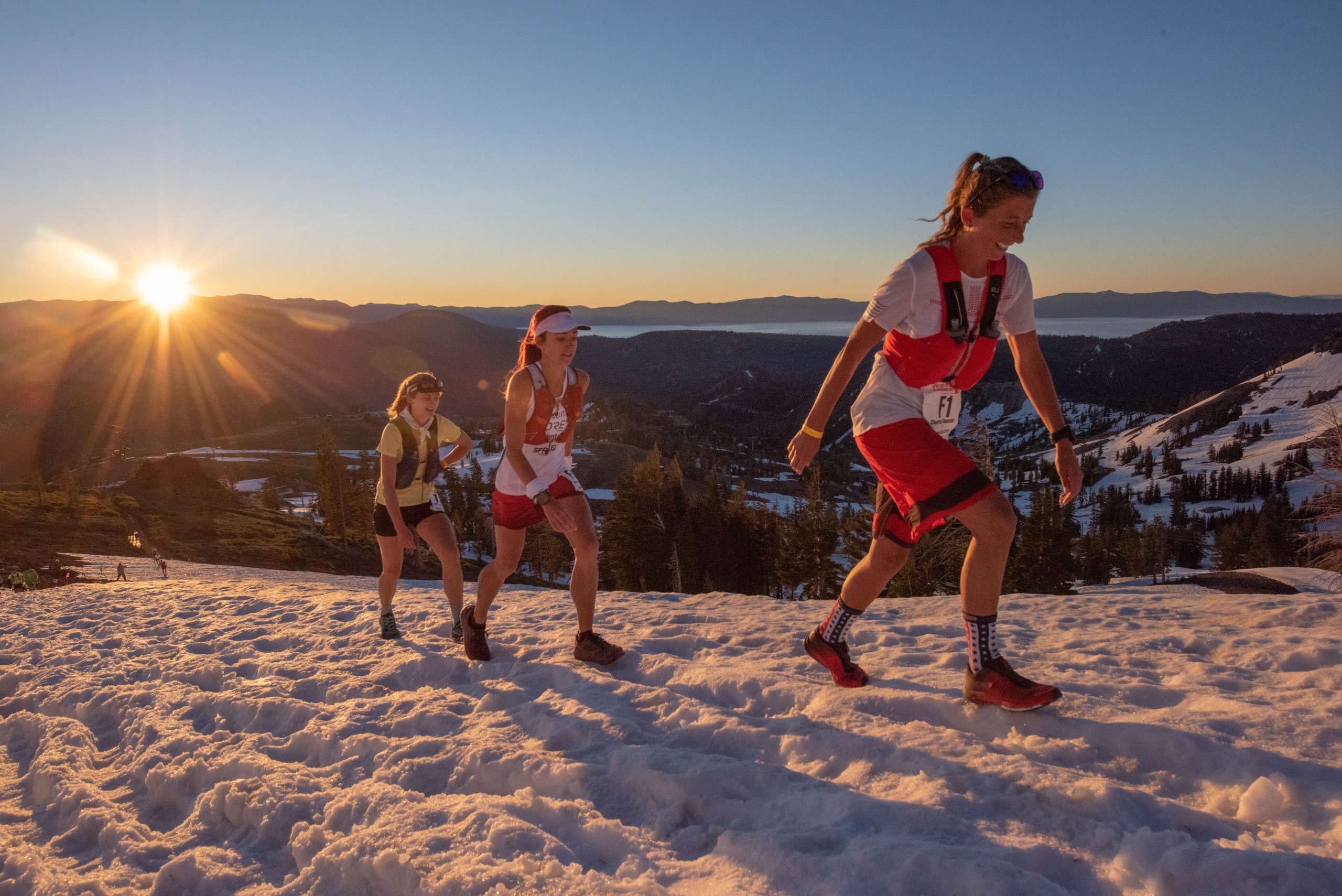
PHOTOGRAPHY: Western States Endurance Run
Prefontaine Classic
Eugene, Oregon: July 3, 2027
Track and field is in Eugene’s blood, from Hayward Field and the Prefontaine Classic to Nike’s roots on the University of Oregon campus. Established in honor of legendary distance runner Steve Prefontaine following his death in 1975, the summer event has welcomed generations of stars, from Carl Lewis in the 1980s to today’s headliners like Noah Lyles and Sha’Carri Richardson. The meet is especially famous for its mile races, including the Bowerman Mile, where record-setting performances and the crowd-fueled “Hayward Magic” have propelled world records for decades and helped cement Eugene’s reputation as TrackTown USA. preclassic.com

PHOTOGRAPHY: Courtesy of Tracktown USA
Red Bull Rampage
Virgin, Utah: October 2026
Widely regarded as the world’s premier freeride mountain bike competition, Red Bull Rampage is one of the most visually arresting spectacles in action sports. The high-adrenaline showdown is not for the faint of heart. Professional riders huck massive cliffs, throw backflips over canyon gaps, and charge razor-thin ridgelines across some of the harshest desert terrain imaginable.
The event’s 25th anniversary brings the world’s best riders back to the Utah desert for another round of gravity-defying two-wheel stunt riding, where creativity and planning matter just as much as courage. Unlike traditional competitions, there’s no marked course and no room for error. Riders carve their own lines into the mountain, committing to massive drops and technical features at full speed with everything on the line.
“The Rampage is the only event in mountain biking where you’re truly on your own. No set course, no safety net,” says pro rider Luke Whitlock. “It’s raw, unpredictable, and completely unforgiving. That’s what makes it so special.” redbull.com
The Mint 400
Las Vegas: March 3–7, 2027
Glitz and glamour meet dust and dirt as thundering machines parade down The Strip before heading into a 90-mile racecourse on BLM land south of town. Embodying Las Vegas’ desert racing heritage, the epic rally pits 500 drivers over 400 miles in tricked-out buggies, ATVs, motorcycles, and trucks. It’s loud, fast, and all about endurance, skill, and mechanical resilience. According to stunt coordinator and lifelong desert racer J.T. Holmes, “It’s brutal terrain, with huge whoops, sharp rocks, ditches, cliffs, washouts, cacti, and beds of silt — like 2-foot-deep seas of talcum powder — all working against the drivers, who are often navigating blind in flying dust.”
Winning trucks are million-dollar, 1,200-horsepower all-wheel-drive monsters throwing 40-foot plumes of dust. Each passing vehicle further destroys the track that’s already riddled with stuck, broken, or overturned vehicles. Holmes calls it “chaotic, exciting, and unabashedly American.” Attrition rates regularly hit 50–60 percent. themint400.com
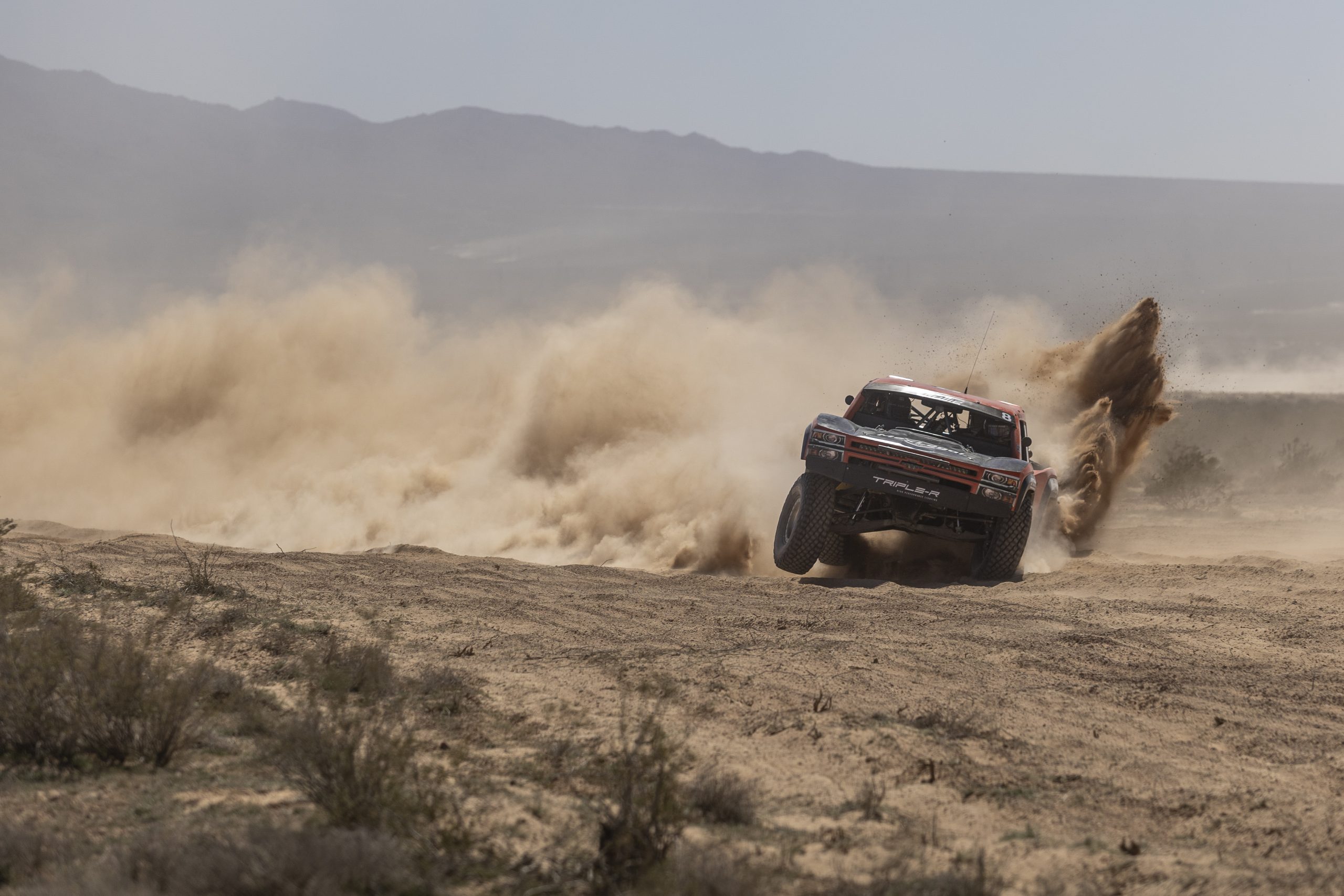
PHOTOGRAPHY: Courtesy of the Mint 400
Frozen Frontiers
Busch Light Cowboy Downhill
Steamboat Springs, Colorado: January 18, 2027
For more than 50 years of powder camaraderie, the Busch Light Cowboy Downhill has taken to the slopes of Steamboat for two fringe-flying events: the dual slalom (over a jump, lasso a person, saddle a horse, and cross the finish line) and the “stampede” (thundering mass start and winner-takes-all schuss to the bottom). Qualifiers must be members of the PRCA or PBR and be entered in the National Stock Show & Rodeo in Denver (January 9–24, 2027). Competitors must don cowboy hat and chaps, for which you can thank world champion rodeo badass Larry Mahan and alpine ski legend Billy Kidd, who founded this crazy entertaining mashup. “The rowdiest event on skis” doesn’t even begin to describe what busts out when these two thrill-seeking sports compete during a day of downhill derring-do. Also awarded: Best Wreck of the Week. steamboat.com
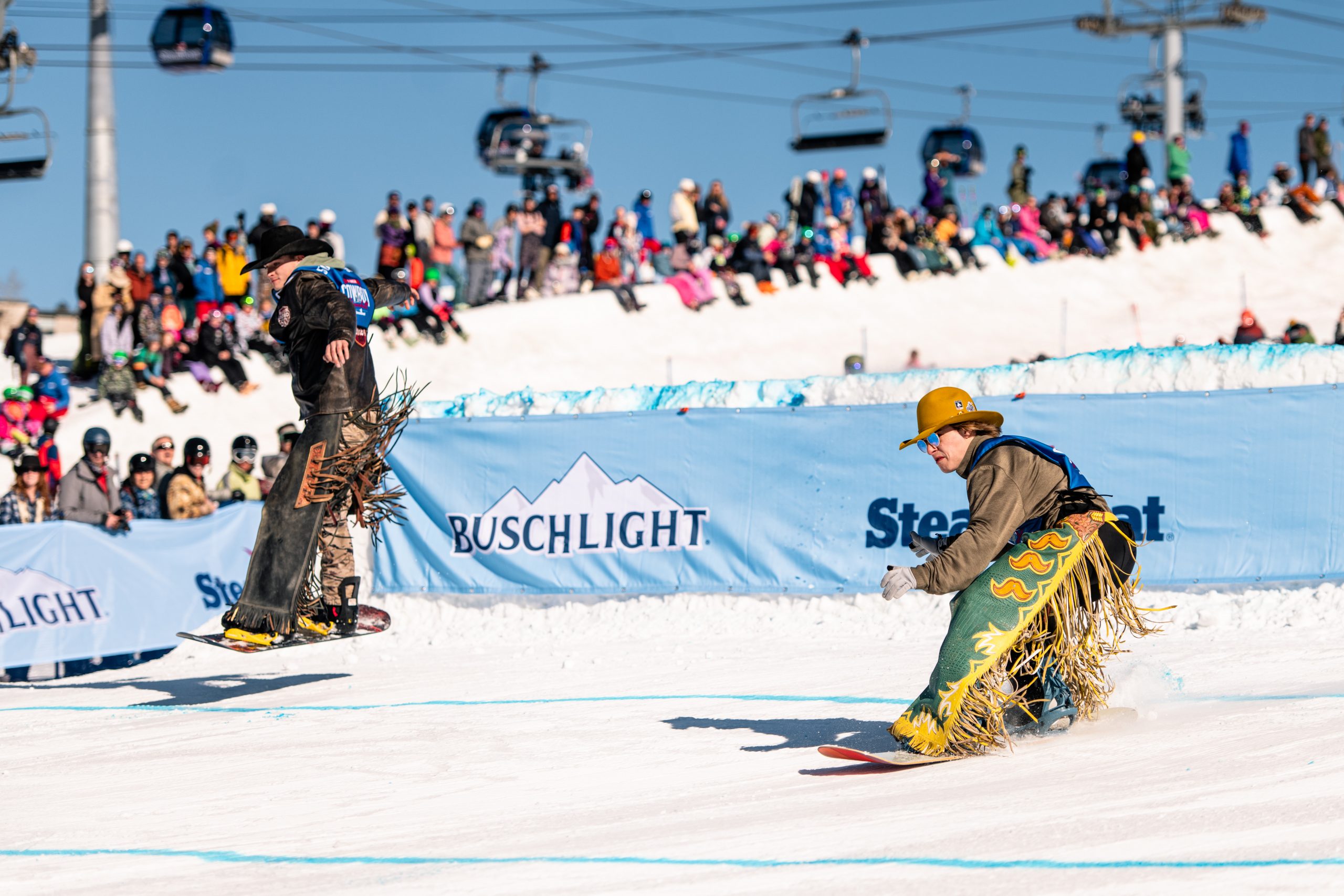
PHOTOGRAPHY: Steamboat Springs Resort
Cache Valley Pro Skijoring
Logan, Utah: January 30–31, 2027
Think horse-drawn chariot races — but trading wheels for skis. It’s just as exciting as any coliseum, but rather than Roman games, rodeo-honed horsemanship is fused with the high-speed ski swagger of a Warren Miller flick. Born over a century ago in Scandinavia, skijoring quickly spread to the Alps and North America, where it became deeply rooted in the rugged terrain of mountain and cowboy cultures. All you need is a fast horse, a sure seat in the saddle, and a skilled skier holding fast to the tow rope. You’ll see some of North America’s best horse-and-rider combinations launching their teammate on skis over jumps and through gates at breakneck speeds. It’s a winter festival based on Western culture, community, and thrills. From first-timers to seasoned pros, everyone is welcome to compete. There’s even a Lil’ Buckaroo division for ages 12 and under. cachevalleyskijoring.com
Utah Olympic Park Discover Skeleton
Park City, Utah: November 2026–April 2027
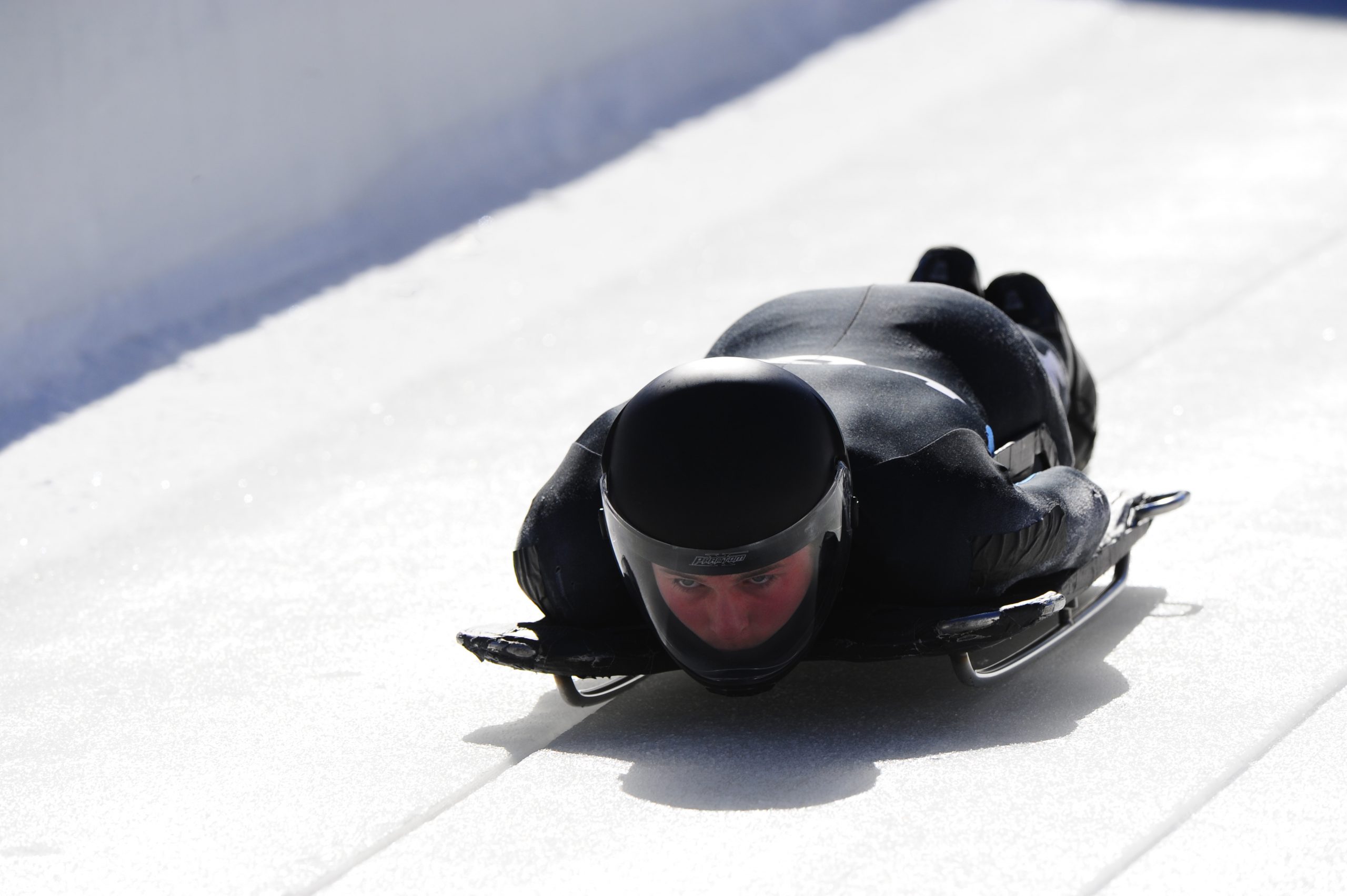
Got all-coverage “abrasion-resistant” pants, long sleeves, gloves, and gumption enough to sign a waiver before diving onto a little sled and experiencing some G-force sliding at the former Winter Olympics facility in Park City? If so, and if you (or your kids) are between 11 and 28 and game to learn a kind of crazy sport, the “Discover Skeleton” program lets you check it out — three times a year, by registration only. Hop on the sled (provided) wearing a helmet (provided) and elbow pads (provided), and rocket face-down, headfirst on the same twisting frozen track used by Olympians. It’s just you and slight shifts in your body weight pressing with shoulders, knees, and toes against the frame. No brakes, no mechanical steering as you reach speeds around 50 mph and navigate tight turns on a rig named for its bare-bones resemblance to a human ribcage. Hurtling-good nose-to-ice fun. For the rest of us older John Q. Publics, there’s year-round bobsledding — during the summer (through the end of September) it’s on wheels; come winter (December through April), it’s the real deal on ice. utaholympiclegacy.org
Iditarod Trail Sled Dog Race
Anchorage to Nome, Alaska: March 6, 2027
Covering a good portion of a state too massive to get your head around, the world’s longest annual sled dog race is inconceivable for its length alone. Yet, mere distance is but a snowflake in a blizzard of Alaskan-sized challenges that between 30-to-60 mushing teams will face during the 55th annual Iditarod next March. Tracing an old mail and supply route famous for delivering lifesaving medicine — by sled dog — to a remote coastal community on the western Bering Sea during a diphtheria epidemic over a century ago, the roughly 1,000-mile journey from Anchorage to Nome crosses jagged mountain ranges, frozen rivers, dense arctic forests, desolate tundra, and dicey stretches of arctic coast. Freezing temperatures and protracted hours of darkness add extra toil to what many consider the toughest race on Earth. The speediest Iditarod time ever took over eight days. The slowest winning time crossed the finish line in just under three weeks. The most pivotal time: 18 days, 20 minutes, and 17 seconds, logged by the first female victor Libby Riddles in 1985, would break the race’s dude barrier and also inspire one of the state’s most famous souvenir T-shirts: “Alaska: Where Men Are Men and Women Win the Iditarod.” iditarod.com
Arctic Man Ski and Snowmachine Classic
Paxson, Alaska: March 26–April 3, 2027
Set in the snowy mountains of Alaska, Arctic Man has been called the love child of Burning Man and a monster-truck rally. The ski/snowmobile extravaganza turns the Hoodoo Mountains (about a 4.5-hour drive from Anchorage) into a temporary city of ATVs, RVs, and party tents.
At its core is a 5.5-mile ski-and-snowmobile race born from a bar bet more than 40 years ago. The founder challenged two friends to a race. They each bet $100 then lined up their snowmobiles and skis to settle it. Now, more than 13,000 “sled-necks” show up, along with often 50-plus teams of competitors. There are food carts, kegs of homebrew, a makeshift bar, live bands, and firepits where storytelling rivals the cold.
Skiers start at 5,800 feet and drop nearly two miles — about 1,780 vertical feet — through a narrow canyon to meet their snowmobile partner. The snowmobile then tows the skier 2.5 miles up the second mountain at high speeds — the record is 92.3 mph — before releasing them into a final downhill sprint. You’ll see some of the best sled riding in the world, as well as world-class skiing. There’s also a handful of less-technical races.
The 40-year-old event now has a purse of about $70,000, and competitors include pro athletes, Winter X Games champs, former Olympians, and a whole lot of people just out for a good time. Pro tip: You can bring your couch to the event, but you can’t burn it afterward. arcticman.com
Pole, Pedal, Paddle
Bend, Oregon: May 15, 2027
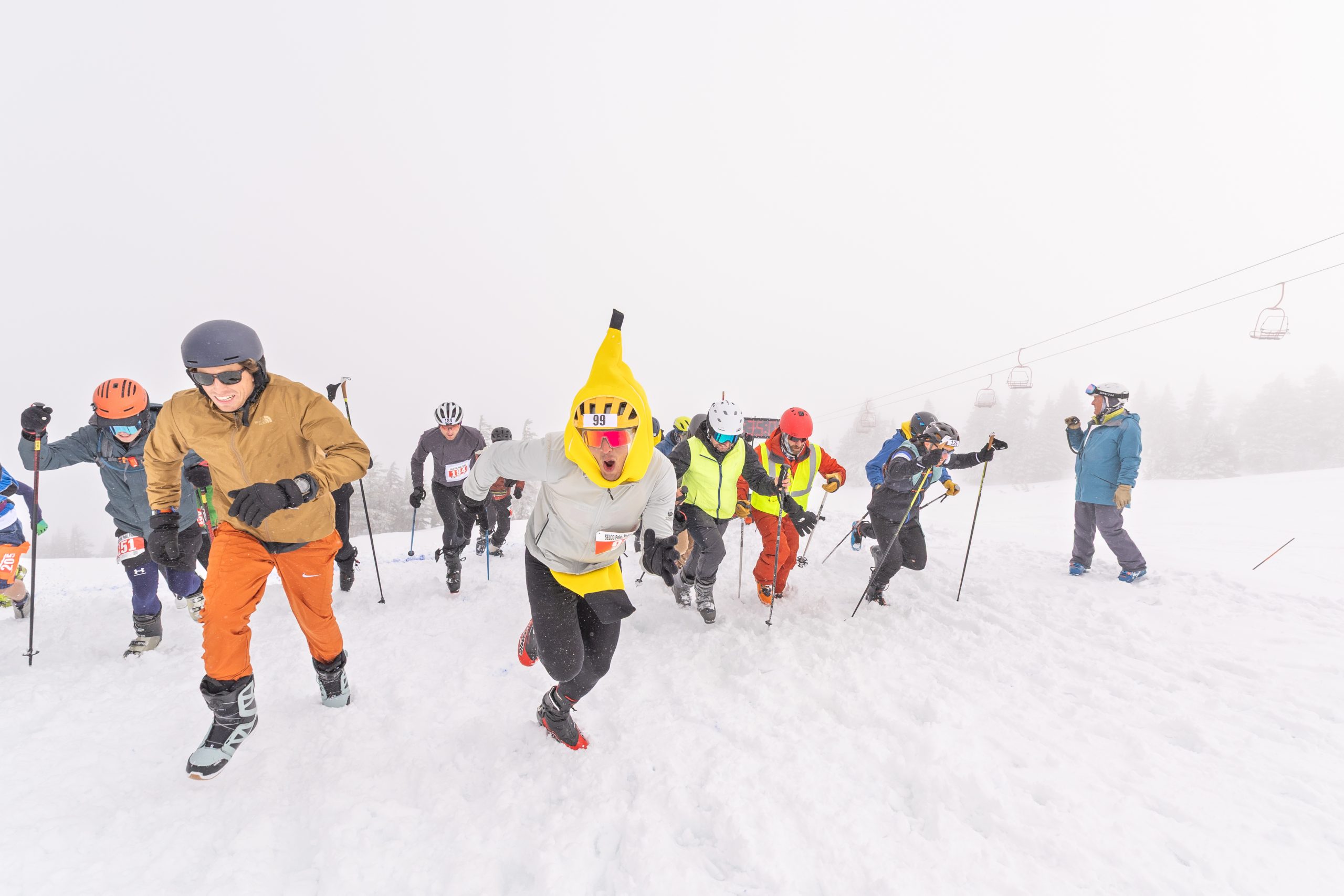
In Bend, where multisport days reign supreme, this ski-bike-paddle-run sufferfest from the slopes of Mt. Bachelor to the Deschutes River is in a class of its own. What began in 1976 as a grassroots fundraiser is now Oregon’s biggest multisport race. It starts with a 200-foot uphill sprint from the top of Mt. Bachelor’s Red Chair — in ski boots — where you’ll grab your skis or snowboard and bomb down Leeway, an intermediate groomer, before switching into Nordic mode for a 6-kilometer loop. Next up, a 20-mile bike ride with several grueling climbs sends racers rolling through Deschutes National Forest to Bend, followed by a 5-mile run. The most punishing part of the race is the paddle — 1.2 miles downriver on the Deschutes and a brutal three-quarters of a mile back up. Finally, if you’re still upright, there’s the half-mile sprint to the finish. An awards celebration afterward includes music, dancing, costume contests, food trucks, and endless beer. “You’ll recognize the racers by the ones drinking from their prized PPP mugs,” says local racer Bill Buchanan, whose 27 years of PPPs have garnered an enviable collection. pppbend.com
PHOTOGRAPHY: Daniel Stark
Western Junior and Minor League Hockey
October – April
Possibly the name Boris “Maddog” Fistric escapes you, but among hockey fans of a certain age in British Columbia he remains legendary. Over the 1978-79 season while playing for the New Westminster Bruins, the dukes-up defenseman led the Western Hockey League with a whopping 460 penalty minutes in just 64 games played. Then again, how could the Alberta-born enforcer not be constantly dropping his mitts when playing for a team coached by Ernie “Punch” McClean? The same grit, color, and energy guys like Fistric and McClean brought to small-market hockey fans, the likes of which were depicted in the Paul Newman classic Slapshot, remain on full cross-checking display in major junior and minor league arenas across the West.
Along with the WHL’s current 16 teams, including the Medicine Hat Tigers, Brandon Wheat Kings, and Portland Winterhawks, the NHL’s top prospect leagues — the AHL and ECHL —keep winter feisty in surprisingly robust hockey towns like Boise (Idaho Steelheads), Loveland/Greeley (Colorado Eagles), and newly added Albuquerque/Rio Rancho (Go Goatheads!).
With a refreshing lack of jaded millionaires (players on last season’s Regina Pats roster averaged just under 18 years old), the West’s bounty of feisty NHL-feeder hockey tucked everywhere between ESPN-spotlight-hogging markets like L.A., Seattle, and Denver is as pure as it gets this side of a frozen pond behind the subdivision. It’s often excellent, as well. Future NHL stars who played in the WHL include two-time Stanley Cup winner Joe Sakic, nine-time all-star Bryan Trottier, legendary goalie Grant Fuhr, and the toothless-grin captain of the 1970s Broad Street Bullies Philadelphia Flyers championship teams Bobby Clarke, who led the WCHL (original, pre-expansion WHL) in scoring for both of the seasons he played for his hometown Flin Flon Bombers.
Aside from all the obvious reasons — affordable tickets, easy parking, cool team names — a chance to check out the next crop of NHL and Olympic hockey hopefuls is an easier and closer shot than you might think. chl.ca/whl, theahl.com, echl.com
World Eskimo-Indian Olympics
Fairbanks, Alaska: July 21–24, 2027
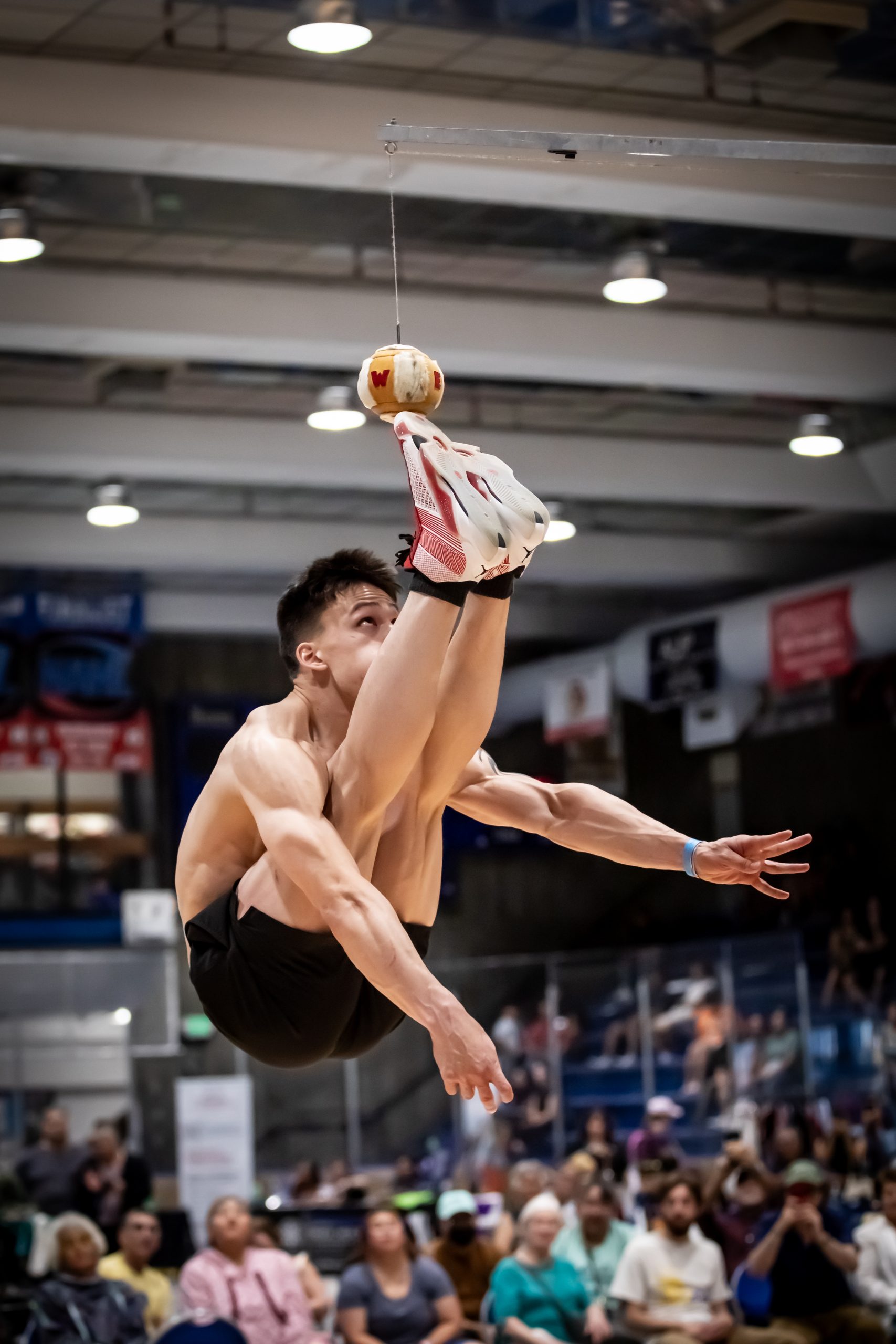
Every July in Fairbanks, the World Eskimo-Indian Olympics turn Arctic survival skills into one of North America’s most physically punishing sporting events. During the blanket toss, volunteer “pullers” grip the edges of a walrus- or seal-skin hide, launching athletes skyward as judges score balance, height, and aerial style. In the ear pull, competitors sit face-to-face with a loop of sinew stretched between their ears in a brutal tug-of-war of pain tolerance. The four-man carry challenges participants to walk as far as possible while supporting the weight of multiple people draped around their bodies, echoing the demands once required to haul supplies across the Arctic. Other physically wrenching and dexterity-testing events include the knuckle hop, stick pull, one-hand reach, Alaskan high kick, and fish-cutting contests, where competitors race to prepare salmon for drying using traditional ulus. Founded in 1961, the games pair competition with dance, drumming, storytelling, and regalia to honor and celebrate Indigenous identity. This year’s event — the 65th annual — will be held July 15–18 at the Carlson Center in Fairbanks. weio.org
PHOTOGRAPHY: Courtesy of WEIO
From our August/September 2026 issue