



Cherokee photographer Cody Hammer showcases rich cultural traditions through an Indigenous lens.
Cody Hammer’s photography career happened by accident. The year was 2018, and he was working for the Osage Nation helping out with communications. One day, his boss handed him a camera and asked him to snap some photos at an important event taking place on the reservation. And what a happy accident it was. “Before then, I had never really touched a camera in my life, but I’ve been hooked ever since,” recalls the 36-year-old member of the Cherokee Nation. “Now, it’s just a part of me; sometimes I don’t even realize that I’m carrying it. I’m very shy and quiet, so I really like this visual mode of storytelling.”
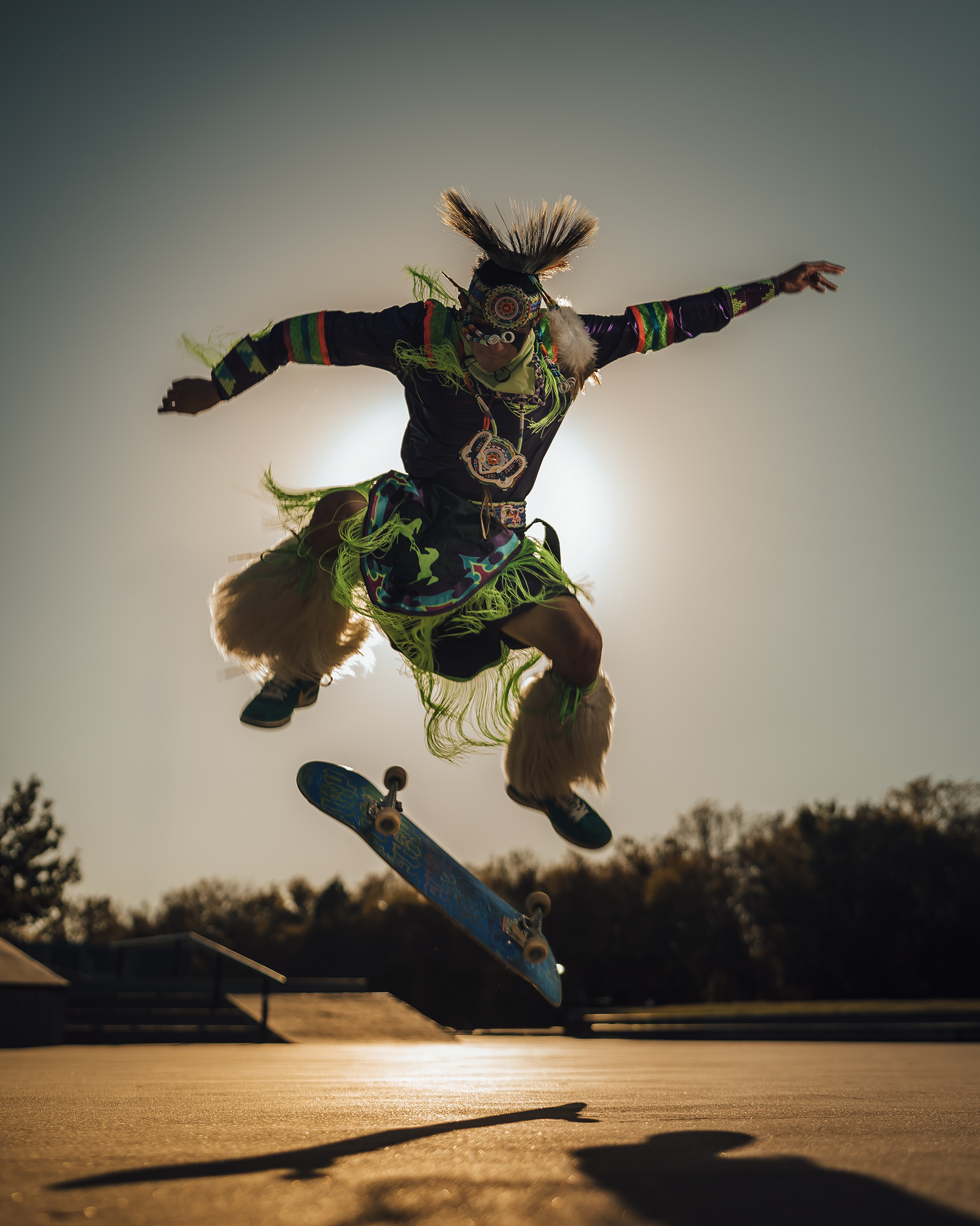 Was Born to Rise Against Them (2025), taken in Owasso, Oklahoma.
In that sense, one of Hammer’s pictures really is worth a thousand words. His vibrant, dynamic photography communicates so much about Native identity, heritage, and resilience in a way that never feels didactic. Instead, his striking aesthetic draws in viewers and urges them to take time to examine an image’s every spectacularly detailed element, from intricate beadwork to twirling fringe. These days, Hammer is the go-to photographer at powwows, ceremonies, and similar gatherings across his home state of Oklahoma and beyond. When he turns up at an Indigenous event, dancers quite literally gravitate toward the humble self-taught photographer, hoping to be captured in his signature style.
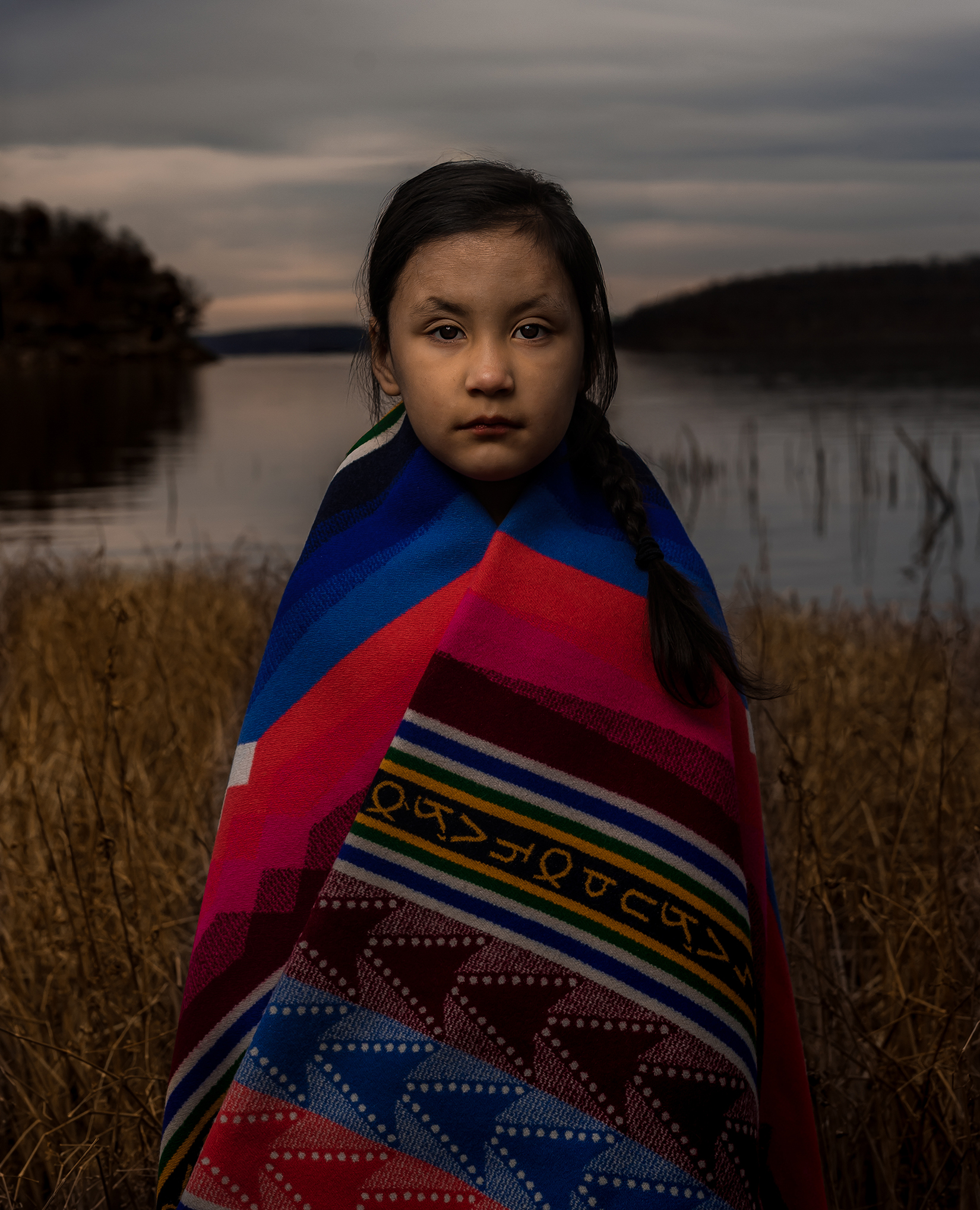 Be Like Brave (2020), of Cody’s daughter Bravery on the Osage Reservation at Skiatook Lake.
But Hammer isn’t just chronicling Native history in the making; he’s also preserving cultural traditions and showcasing them to wider audiences. “I hope that what I’m documenting will speak volumes even beyond my time,” says Hammer, who lives with his wife and four daughters on the Osage Nation (of which she’s a member). “What I do isn’t for me. It’s about people feeling seen and appreciated. It’s about a Native kid 20 years from now seeing a photo of his parent or his uncle or his relative in a really powerful moment and feeling proud of who they are.”
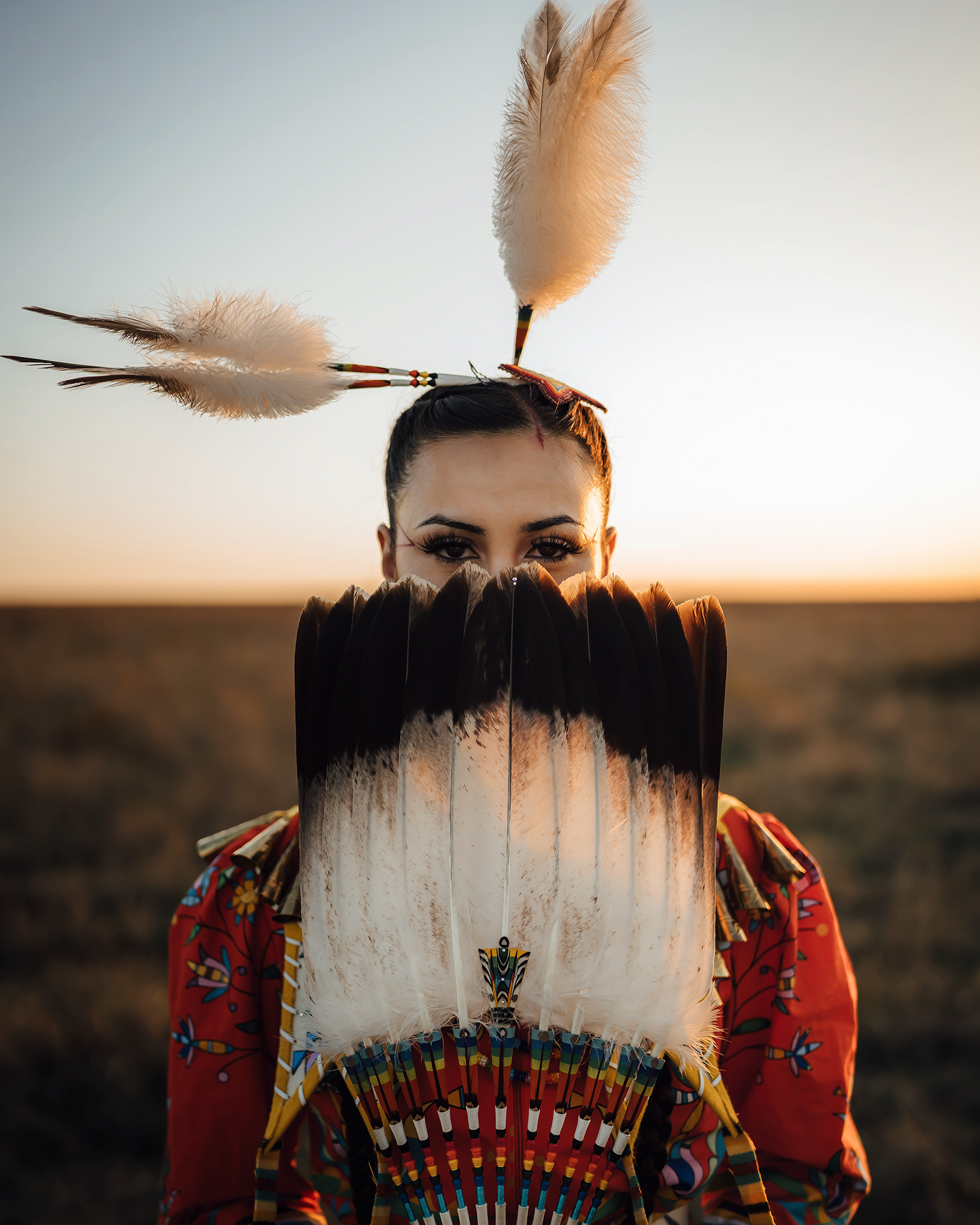 Story With No Words (2024)—“One of my favorite photos I've ever taken. She was quiet and calm, but I could see the power in her eyes.”
Indeed, Hammer is helping reclaim the Native gaze by snapping both important and everyday moments through a Native lens. That requires a level of respect, empathy, and understanding that stands in stark contrast to the often-exploitative photography conventions of the past. Even the practices of legendary photographer Edward S. Curtis—long heralded for documenting more than 80 tribes in the early 20th century in his seminal publication The North American Indian—have been called into question. One thing Hammer brings to the table that Curtis couldn’t? A true insider perspective. “Indian Country is small, especially here in Oklahoma,” he says. “Wherever I go, I put in time with people to build relationships so everyone knows I’m going in with a good intention. Especially when I’m on other tribal lands, I understand that I’m a visitor, and I want to make sure I’m doing everything with the utmost respect. A lot of people, especially non-Natives, show up at events and just start snapping photos without asking for permission. Having those conversations and developing that trust goes a long way.”
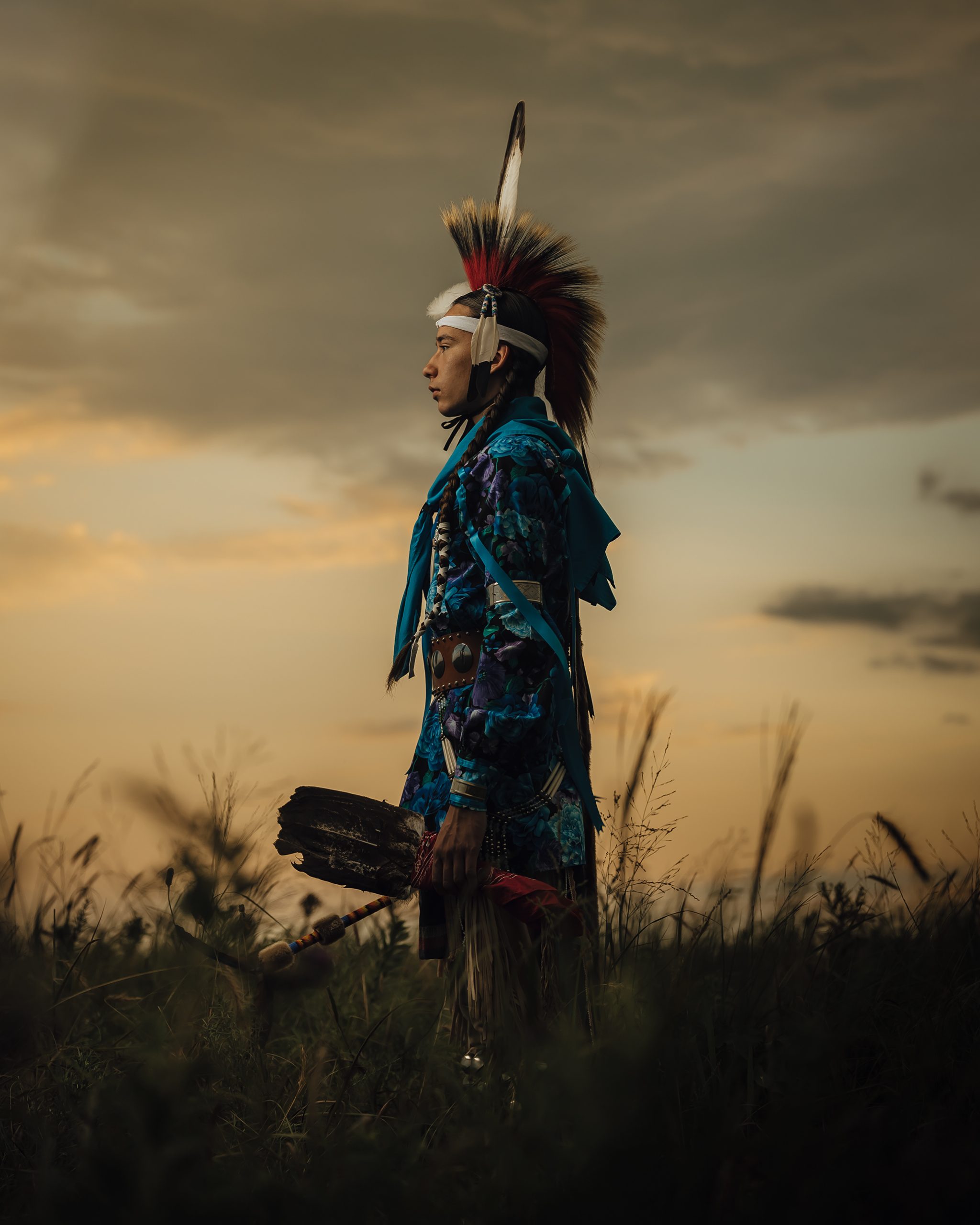 Strength (2025)—“The cinematic tones and depth are what bring me in with this photo.”
Even though he’s often attending these events by invitation, Hammer doesn’t assume he has special access to sacred moments. A crucial part of his work is understanding what can and can’t be photographed, as not all ceremonies and sessions are made for public consumption. To discern the difference, he looks to community leaders and event hosts to provide guidance. Hammer also uses his photography and his platform to amplify issues affecting tribal communities, such as the Missing and Murdered Indigenous Women (MMIW) crisis. In fact, it was a photo he snapped of his wife, Mary, during a 2019 Women’s March in Oklahoma City that really sealed the deal for him that he wanted to pursue photography.
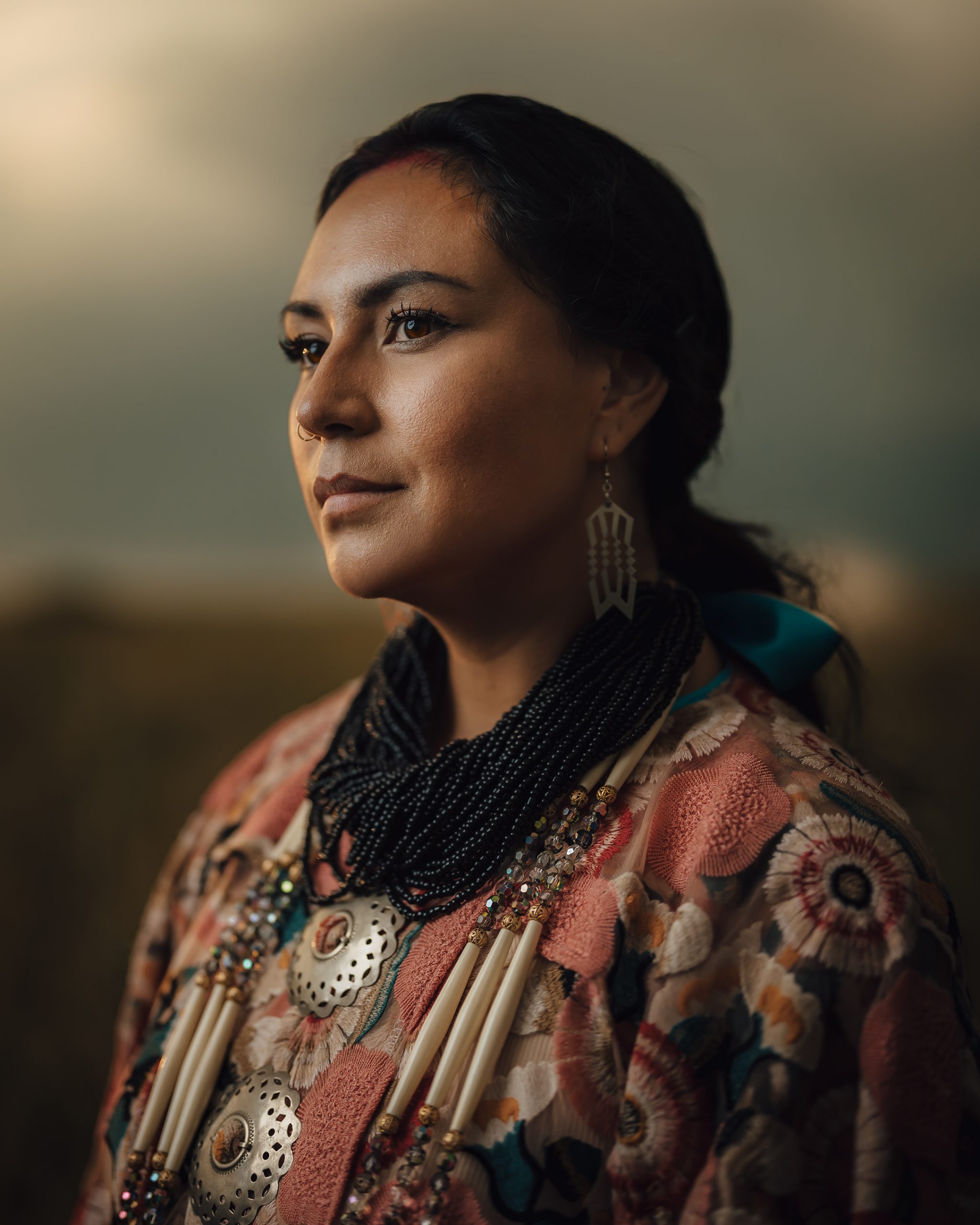 My Heart (2025)—“My beautiful wife, Mary, has been my biggest supporter on this journey and is my motivation to keep pushing my creativity.”
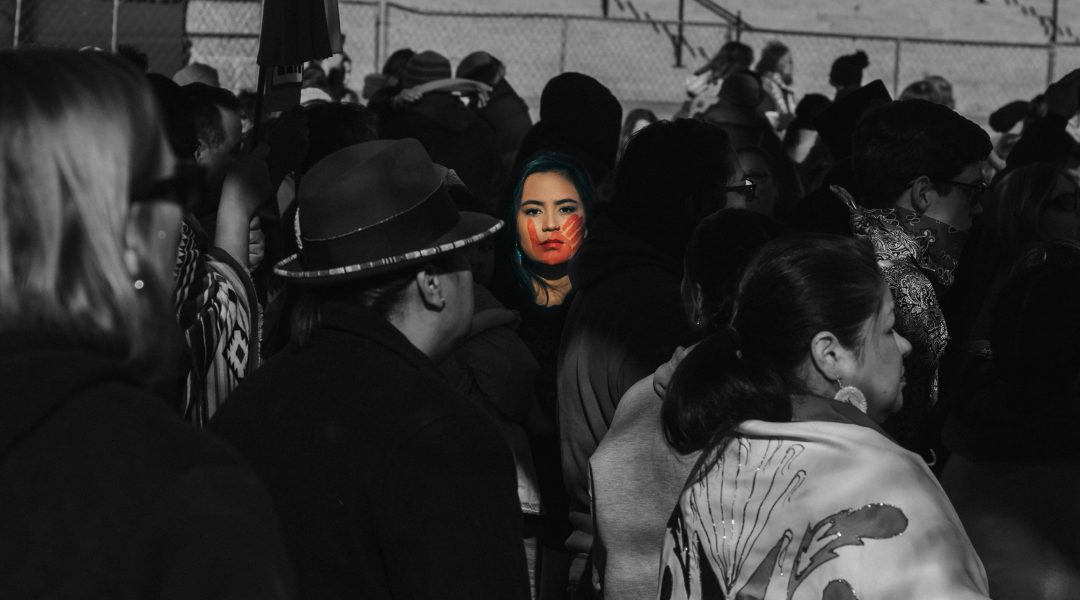
Cover photo entitled Remember Me, the image shows Mary in clear focus standing among a moving crowd, a bold red hand-print—which has become a widely used MMIW symbol—emblazoned across her mouth. She is in color while the world around her is in black and white, emphasizing the need to shed light on this topic. The photo was selected to appear on a 2019 International Women’s Day postcard through a contest presented by the National Indigenous Women’s Resource Center. “This image is very close to my heart,” Hammer wrote in his artist statement at the time. “I care deeply about this topic as a father, son, and husband of Indigenous women. Bringing awareness to these cases and legislation means that my daughters might have a safer future.
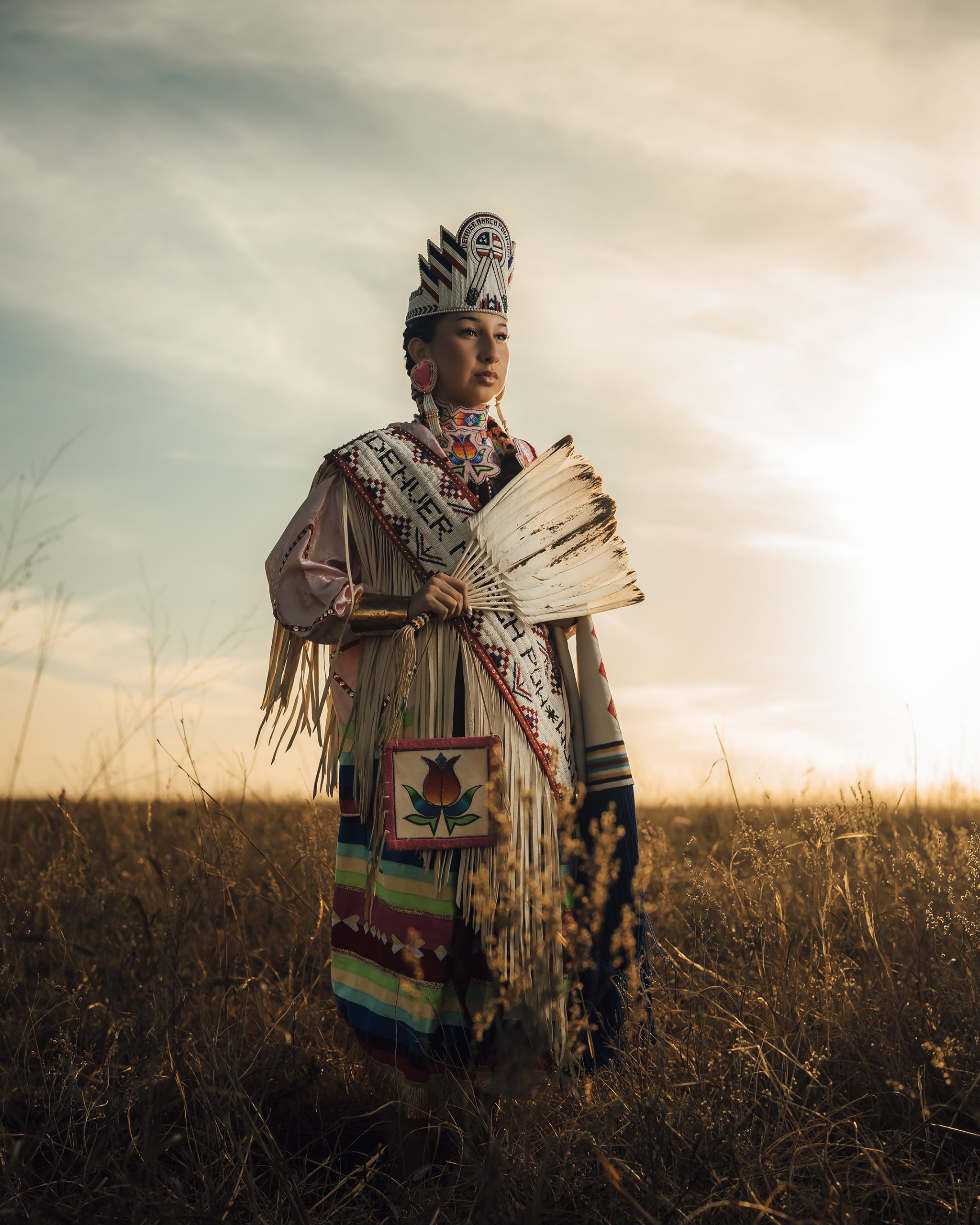 The Power of Us (2025), taken at the Tallgrass Prairie Preserve in Pawhuska, Oklahoma.
MMIW is the reason why I protect my family to the best of my abilities and advocate for the fallen sisters who can’t advocate for themselves.” That powerful image is a prime example of Hammer’s hallmark candid style. He’ll often prompt people to pose for him, but he is typically capturing a blink-and-you-miss-it moment in time in the great outdoors, working amid the elements, the natural light, and other existing conditions. His studio? Wherever the action takes him that day—from the pristine Tallgrass Prairie Preserve in Oklahoma to the storied San Manuel Pow Wow grounds in California.
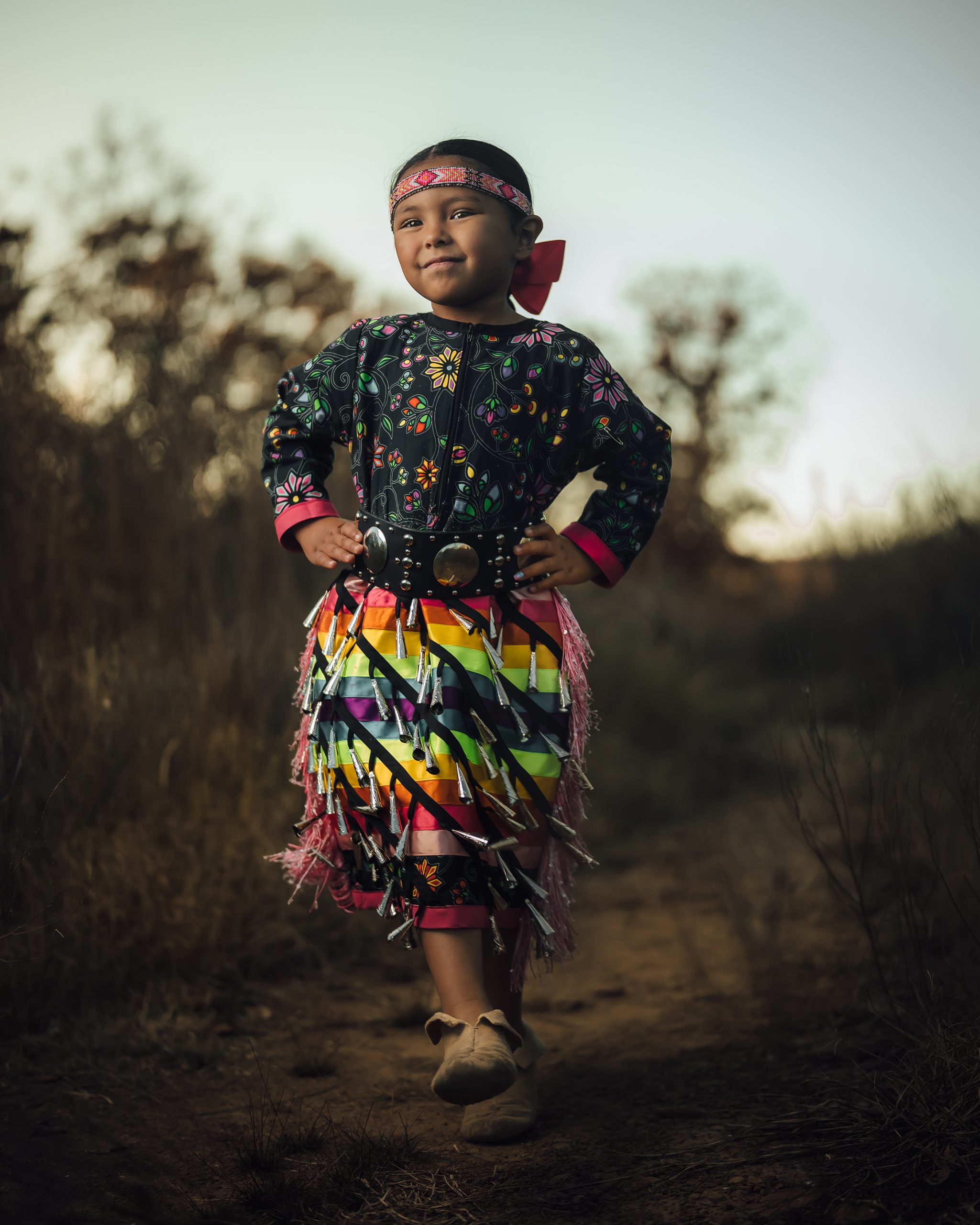 Biggest Heart (2025)—“This little dancer was so interactive and just smiled the whole time.”
It’s this kind of raw authenticity that makes Hammer’s portraiture so standout. It feels uncensored and unfiltered, creating a feeling of connection between the viewer and the subject. It also lends a sense of agency and power to the featured individual, who is actively cocreating the image with Hammer. In an era when many content creators keenly control every aspect of their image (literally and figuratively), his is a refreshingly holistic and authentic approach. Having made a name for himself within Indian Country, Hammer has since expanded into adjacent storytelling mediums, including film. He currently serves as the cinematographer manager for Cherokee Film, which has established itself as a leader in Native-focused productions. He works closely on the docuseries Osiyo, Voices of the Cherokee People, which has earned 29 Heartland Regional Emmy Awards.
But for Hammer, this isn’t about fame or fortune. He’s as down to earth as they come, and his imagery reflects that groundedness. And behind those phenomenal photos are relatable, everyday anecdotes that reveal Hammer’s true character. “There’s a funny backstory behind Remember Me,” he says.
“In the photo, my wife is walking away from me, because she had just handed me a meat pie. So I had a meat pie in one hand and my camera in the other. Then with a mouthful of meat pie I shouted, ‘Stay right there; let me take a picture of you really quick.’ That’s still one of the top photography moments that stands out to me—not just because the photo ended up being such a conversation starter, but also because it was this special moment between my wife and me.” An epic image—and career—that happened almost by accident.
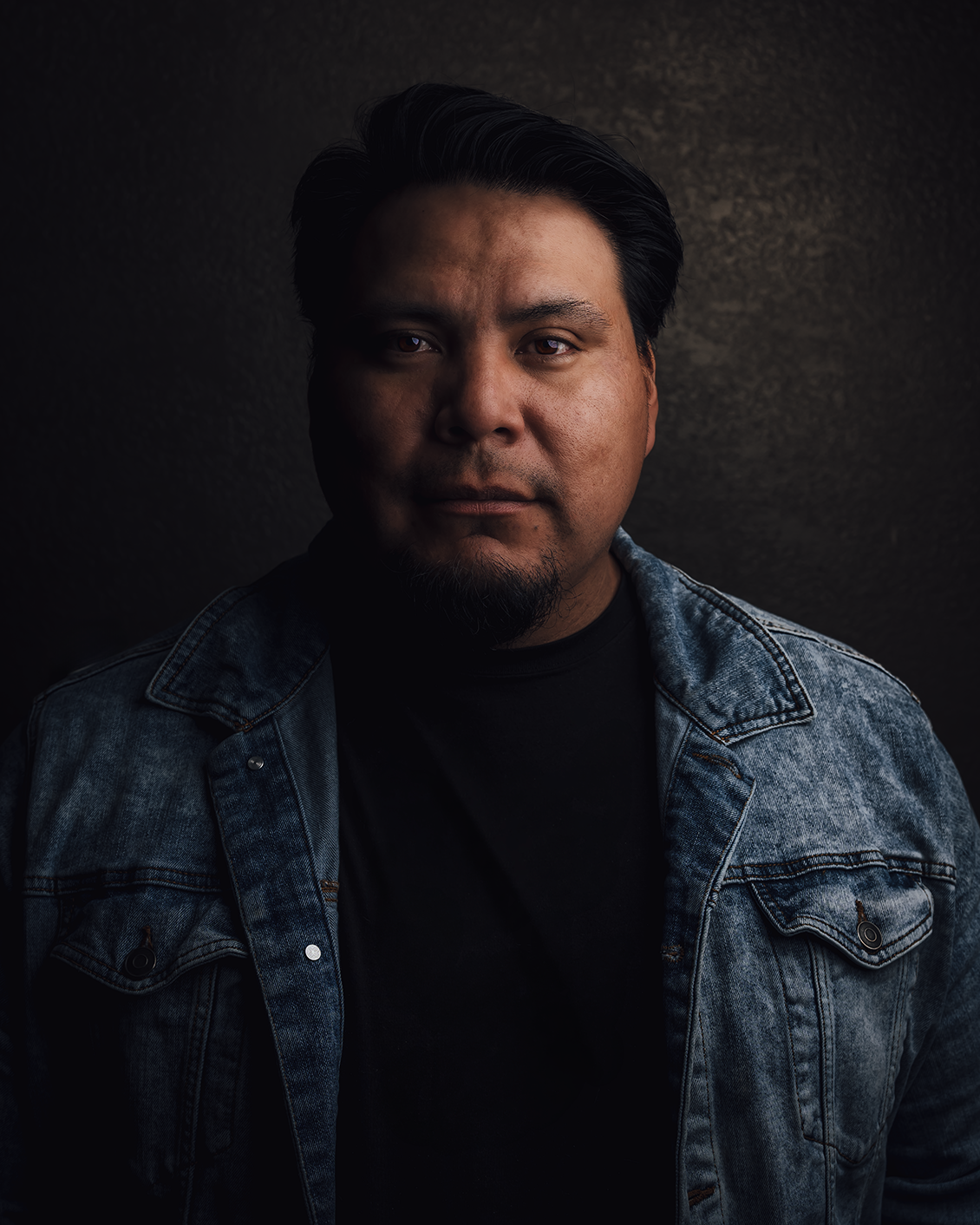
Cody Hammer
Cover photo: Remember Me (2019), taken of Cody’s wife, Mary, during a Women’s March in Oklahoma City.