



We talk with sporting artist and fly-fishing guide Bob White about casting a line in Alaska.
It should go without saying that there are plenty of fish in Alaska’s Bristol Bay, to say nothing of the myriad of watersheds that create it. Hooking them is the hard part, at least for out-of-towners unfamiliar with the famously far-flung wilderness of Southwest Alaska. Enter Bob White, sporting artist and fly-fishing guide extraordinaire. As the co-owner of Bob White Studio and Sporting Travel, which White operates with his wife, Lisa, he regularly hosts groups of anglers at the region’s many world-class fly-out fishing lodges, where they experience the best Alaska has to offer. “Lisa and I made a rule for ourselves many years ago,” White recalls. “We would never take people to operations we didn’t know intimately; where we hadn't been before and didn't have personal relationships with the lodge’s owners, pilots, and guides.”
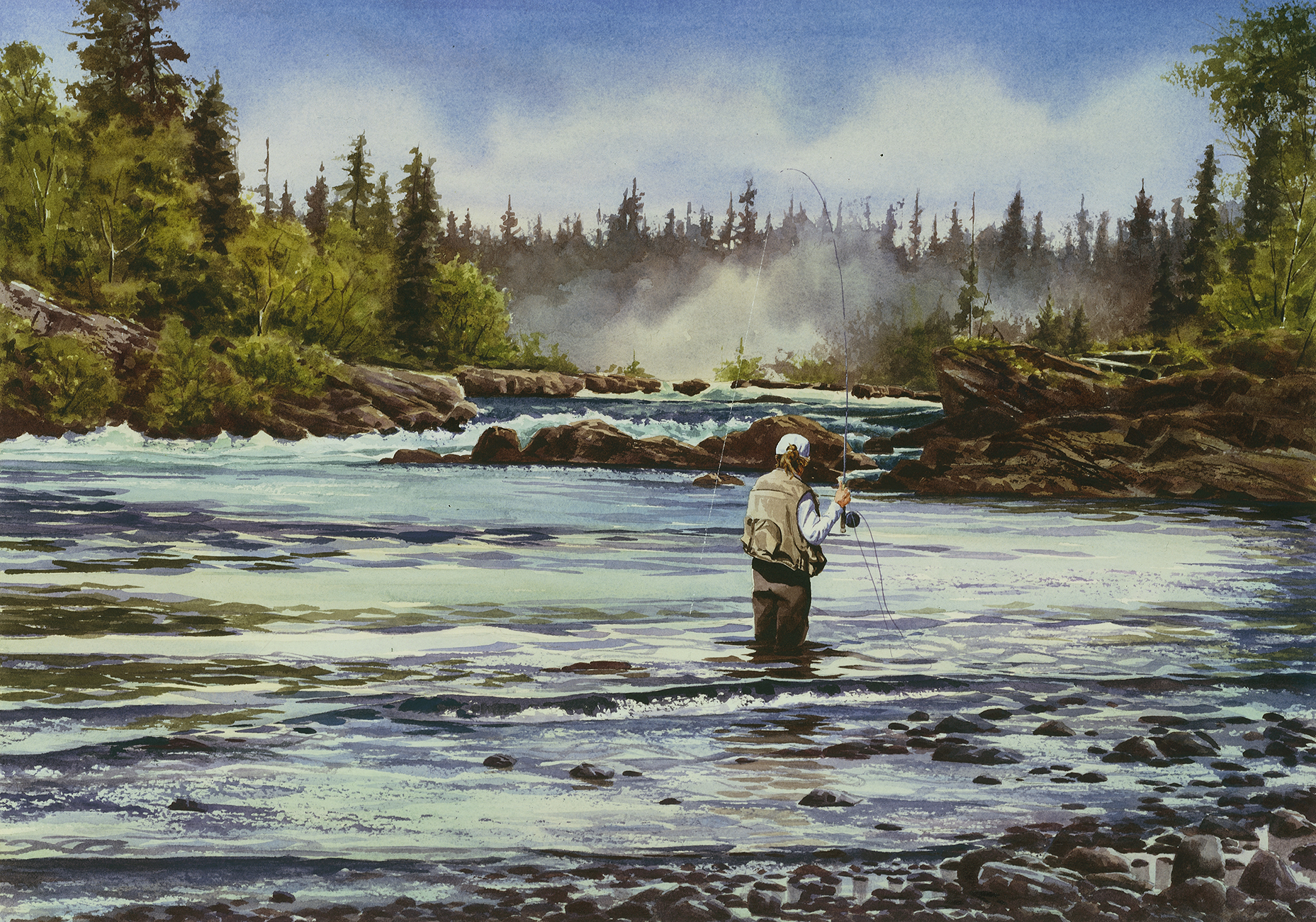
One Cast Annie
Here, White provides his expert advice for planning a bucket-list Alaskan fishing expedition.
Cowboys & Indians: What makes fly-fishing in Southwest Alaska so special?
Bob White: Two words: sheer abundance. Stretching for 40,000-plus square miles, the Bering Sea’s sprawling Bristol Bay watershed is home to five varieties of Pacific salmon, not to mention rainbow trout, Dolly Varden, arctic char, lake trout, arctic grayling, Northern Pike, and Sheefish. “It’s quite possible for a few weeks each fishing season to target and catch 12 different species of fish.
C&I: Where and when should we go?
White: Most of the lodges in Southwest Alaska operate out of the fishing villages of Dillingham or King Salmon. These include many of my go-to lodges: Royal Coachman, Tikchik Narrows, Bristol Bay Lodge, Enchanted Lake, and Alaska Trophy Adventures Lodge. These venues are only accessible by air. Go June through September.
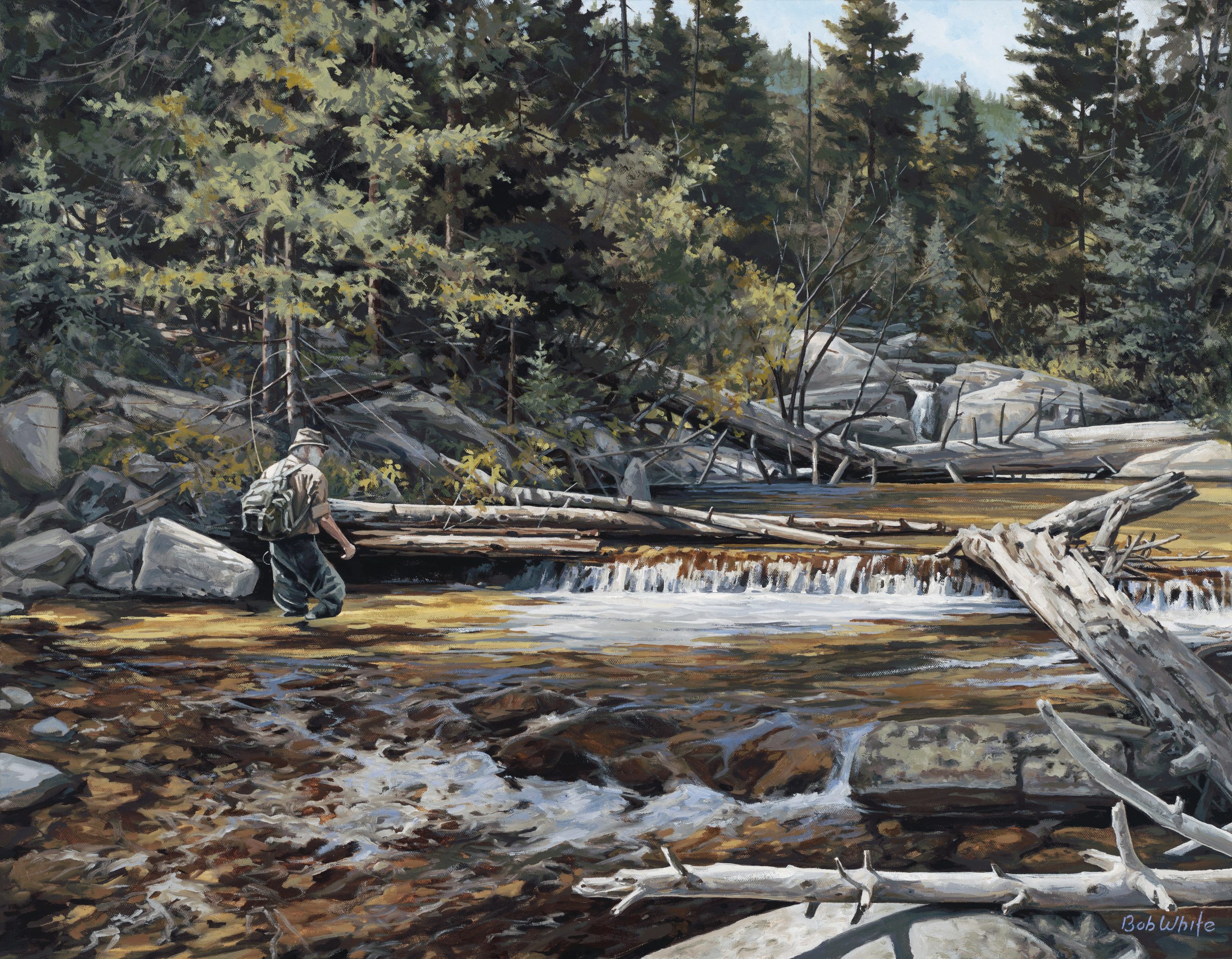
Close To Home
C&I: What styles and methods can we use to fish?
White: Some lodges specialize in fly-fishing and spey casting, my preferred techniques. Most, however, embrace a variety of fishing methods, including spin fishing, back trolling, and bait casting.
C&I: You’re booked up for the season! Who, then, should we use as a guide?
White: There are a lot of travel agencies that specialize in sport fishing and offer world-class destinations: Sweetwater Travel Company, Yellow Dog Flyfishing, Frontiers International Travel, and The Fly Shop in Redding, California, to name a few, offer guided global fishing excursions with destinations as varied as Montana or Mongolia.
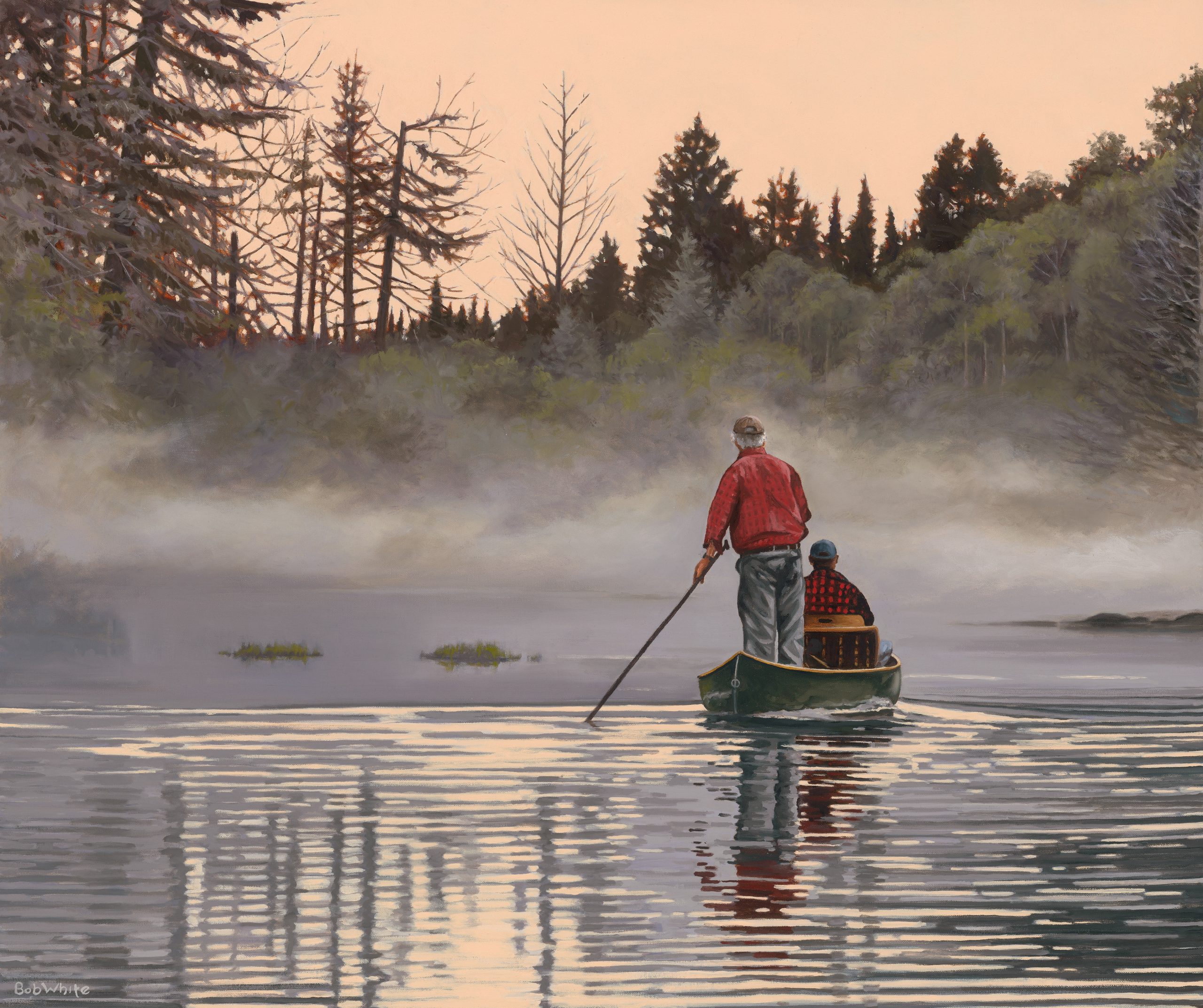
Morning Soft on the Bois Brule
C&I: Go-to fly-fishing gear?
White: You’re going to need the appropriate fly rod, reel, and line for the type of fishing that you're going to do. If you’re fly-fishing for grayling, you might use a certain rod that would be too small for silver salmon. This is where a fly shop can help you. But with a lot of lodges now, you can literally show up with nothing; they’ll have the rods and reels set up and will size you for a pair of waders, boots, and other gear.
C&I: Go-to accessories?
White: Good rain gear, polarized glasses, warm layers, sunblock, and a waterproof boat bag for stashing your camera and other personal gear. Thinking of buying new wading boots? Make sure they’re regulation: certain states and jurisdictions prohibit felt-soled boots or waders — unwitting transport vehicles for didymo, a microscopic yet highly invasive algae — or cleat-soled boots, which can wreak havoc on float plans or boats.
C&I: What’s your favorite way to cook trout and salmon?
White: Not overcooked! I always thought I’d do a guide’s cookbook. We used to poach fish over a fire, wrapped in tinfoil with lemon, dill, and white wine. There are tons of ways to do it, but the most important thing is not to overdo it.
Read our feature about Bob White’s sporting art in the August/September issue. For more information or to enlist his services, visit bobwhitestudio.com/travel.
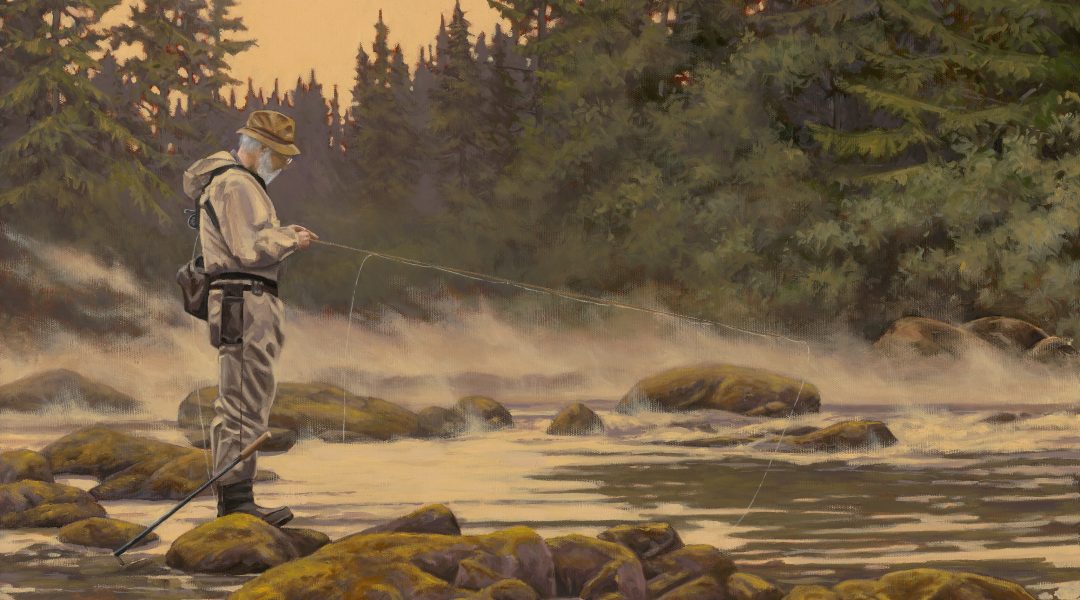
The featured image is At The End.