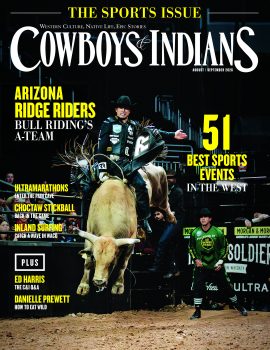




One hard-tossed triumph at a time, the Arizona Ridge Riders are helping turn a solitary sport into a group celebration. Leading the charge at the PBR World Finals, a dynamic duo of Brazilian bull riders represents a world-class roster that has put team building front and center — alongside astonishing performances.
Everyone on the Arizona Ridge Riders knows when head coach Colby Yates is frustrated — with a rider, opponent, score, whatever. The 45-year-old Texas native exhales deeply and pushes his cowboy hat back a couple of inches, revealing a throbbing red stripe across his forehead.
“I don’t know if his hatband is too tight or what,” says a laughing Jenna Morr, the Professional Bull Riders team’s Director of Social Media & Brand.
Across the table, Ridge Rider team captain and PBR veteran Eduardo Aparecido tips back an imaginary hat and massages his eyes with his fingers for emphasis. Everyone at the table cracks up.
“Everyone on the team can do a pretty good impression of Colby,” says the 35-year-old Brazilian bull rider.
Yates isn’t present when the subject of his intensity comes up at a Wednesday afternoon lunch at Aparecido’s home in Decatur, Texas. But if he were, it’s certain he’d laugh along with the gang — and appreciate the esprit de corps that has come to define his team.
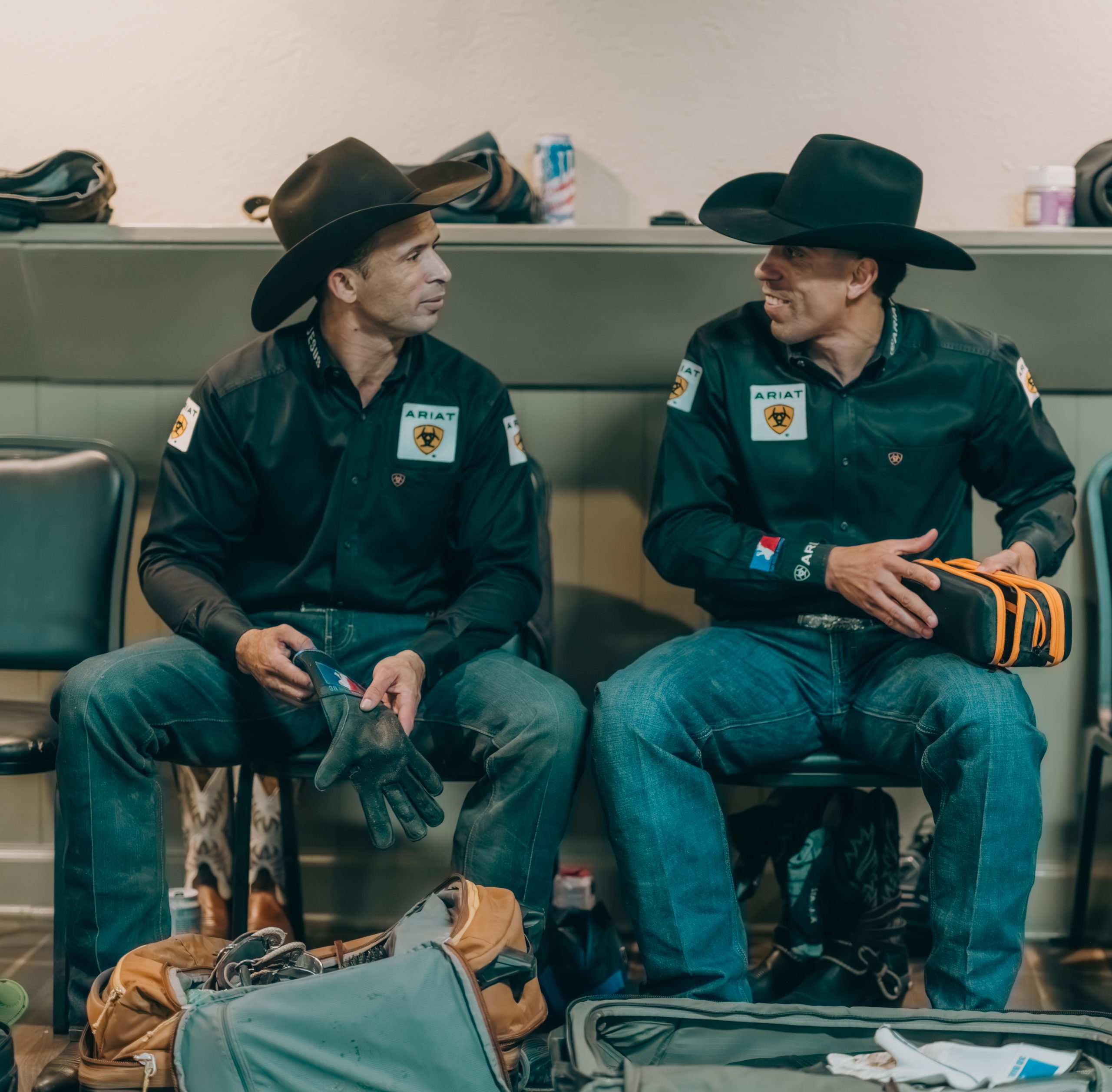 Ridge Rider Royalty: Eduardo “Fast Eddy” Aparecido (left) and Luciano De Castro rose through Brazil’s PBR circuit before becoming the team’s top competitors.
The camaraderie is no accident. In a sport long defined by individuals — 160-pound man versus 1,700-pound bull (on rough average) — the concept of bull riding in tandems or teams isn’t new, but the level of commitment this time around is. When PBR Teams launched in 2022, it wasn’t clear how the concept of a traditional league with stacked rosters and standings would translate to a sport defined by rugged individuals who live the cowboy life, answering to no one and tending to duck out of sight during rah-rah locker room speeches. As the lunch merriment proves, however, bringing riders together as teammates has been a roaring success. The athletes love it and, judging by the arena-filling crowds, so do fans.
If you need another measure of success, there’s this: The first eight PBR teams were established in 2022 with a $2.5 million franchise buy-in; in 2027, the league plans to expand from 10 to 12 teams with two new franchises — to be announced later — being shopped at north of $50 million.
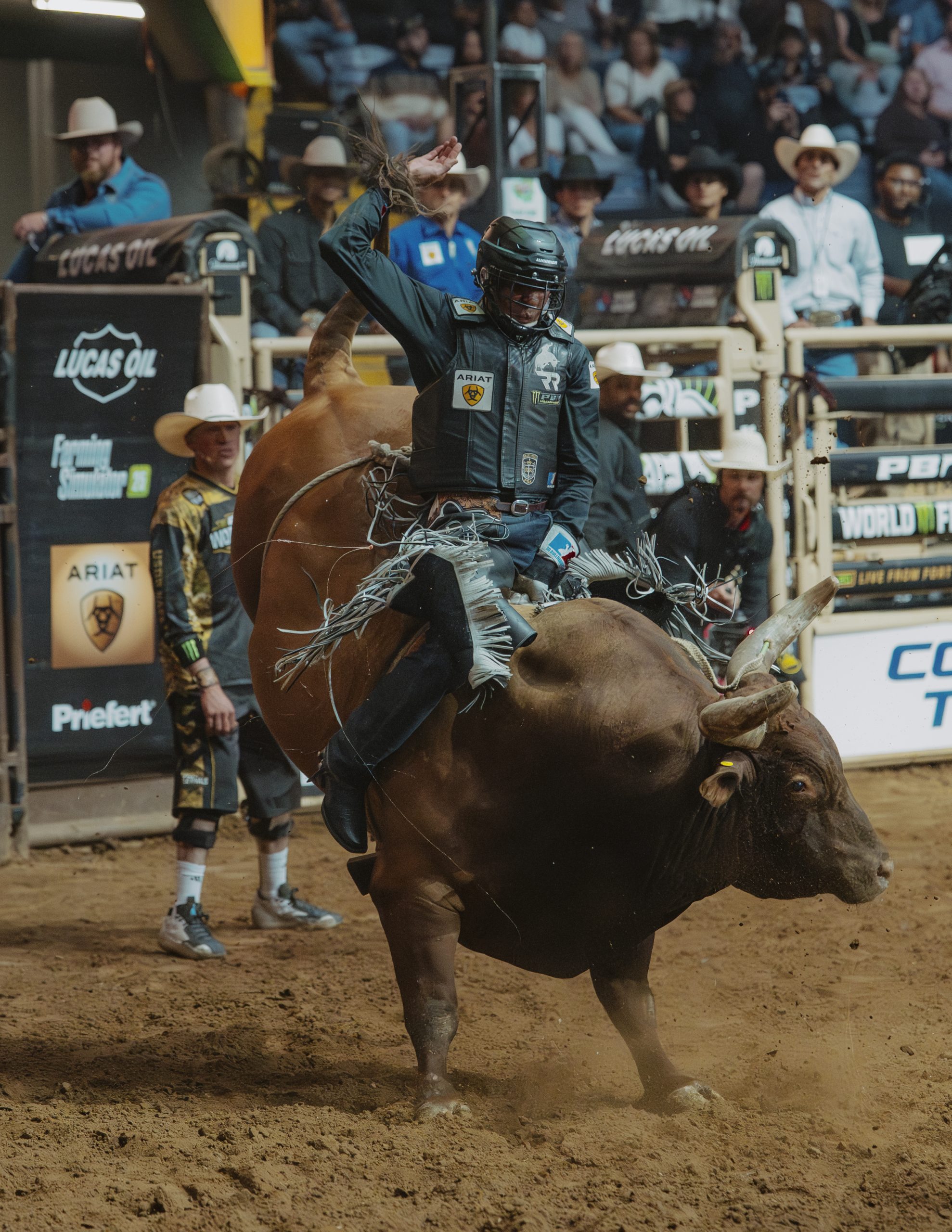 De Castro’s spectacular showing will earn the rider second place at the PBR Finals and a fifth ranking in the world at the end of the 2026 season.
For the Ridge Riders, victories on the dirt by the likes of Aparecido, fellow Brazilian Luciano De Castro, and Canadian Nick Tetz are central to that success. But credit also goes to Ridge Riders management, which has built a unique organizational foundation. Among its savvy moves has been hiring Oglala Lakota actor and ambassador Mo Brings Plenty as director of team culture. The actor may be best known for his portrayal of Mo on Yellowstone, but he’s also a horse stunt rider, rancher, and American Indian cultural consultant.
His position isn’t for show. Imparting what the team calls “his unique perspective for the diverse history of the Western landscape” has meant, for one example, introducing the Ridge Riders to a traditional sweat lodge ceremony. As part of the experience, riders and staff, including the team’s GM, Casey Lane — tapped as the league’s General Manager of the Year in January — helped construct the sweat lodge out of willow branches and other native materials.
“The whole building process is a ritual,” says Yates. “Everybody stripped down to their shorts and got into the sweat lodge. It was an experience that when you left there, you felt like the strongest team in the world.”
“Mo is someone we all look up to — I love his life story,” says Aparecido, who often talks with Mo Brings Plenty about everything from following one’s path in life to simply staying focused in what is widely regarded as the most dangerous sport in the world.
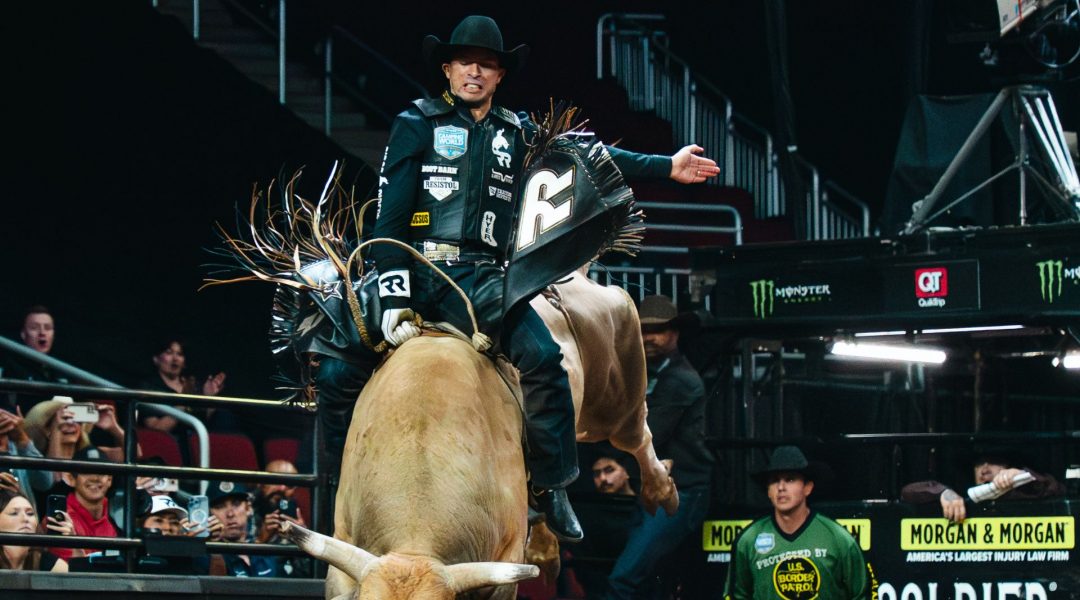
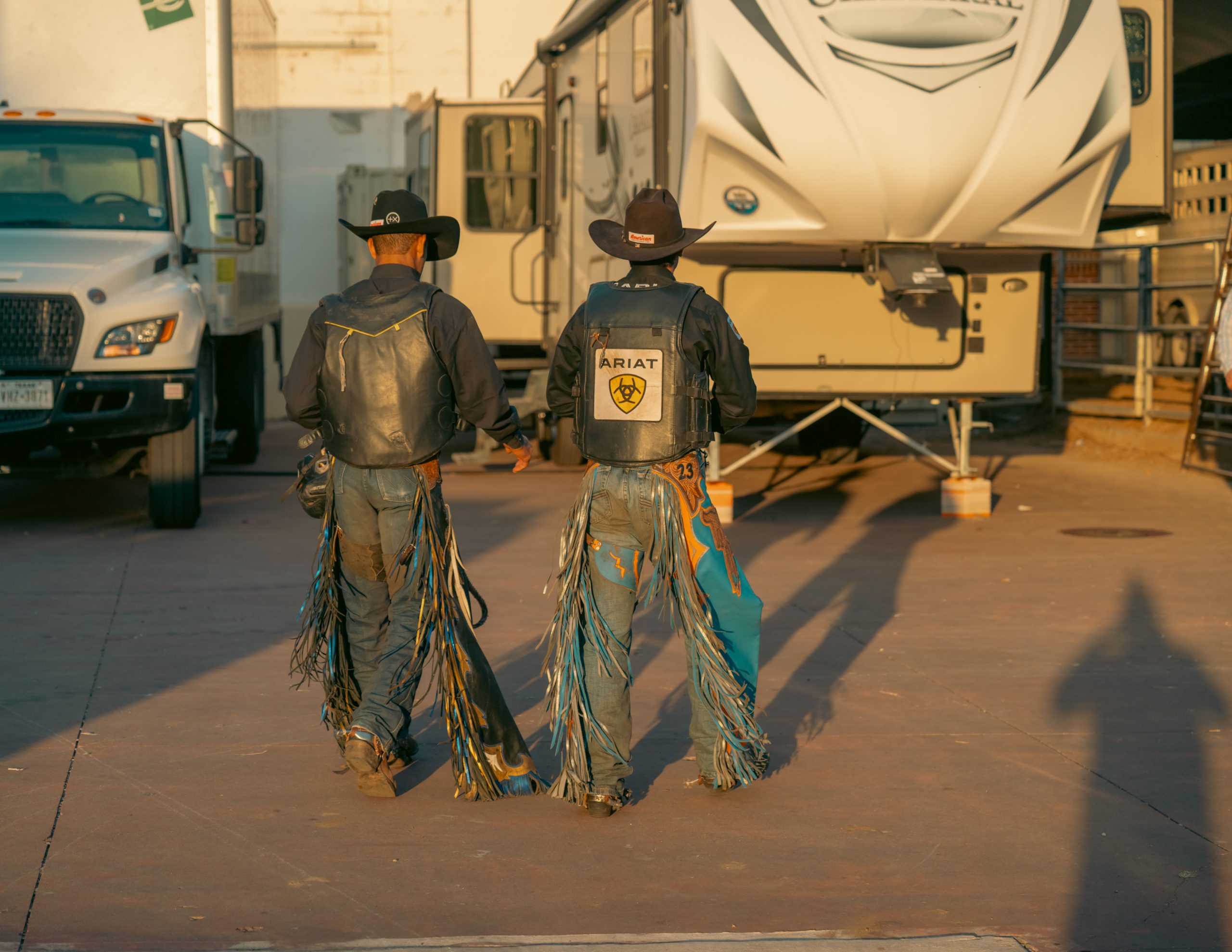 “I’ve photographed every action sport under the sun, but shooting bull riding is a completely different beast,” says photographer Jesse Ilan Kornbluth, who stumbled upon this cinematic shot behind the scenes.
All of this — world-class roster, perfectionist coach, exemplary GM, inspirational messaging, spiritual solidarity — has paid off. The Ridge Riders have become one of bull riding’s most consistently top-performing and exciting teams to watch.
King’s Ransom
It’s May 14, opening night of the four-day PBR World Finals at Dickies Arena in Fort Worth, Texas. Although this is bull riding’s premier individual event of the year — after the last ride on Sunday, the 2026 World Champion will be crowned — members of the Ridge Riders are hanging out and supporting each other inside a locker room crowded with anxious riders waiting to enter the arena. Packed shoulder to shoulder, the cowboys share greetings, rosin their ropes, or sit quietly in prayerful meditation.
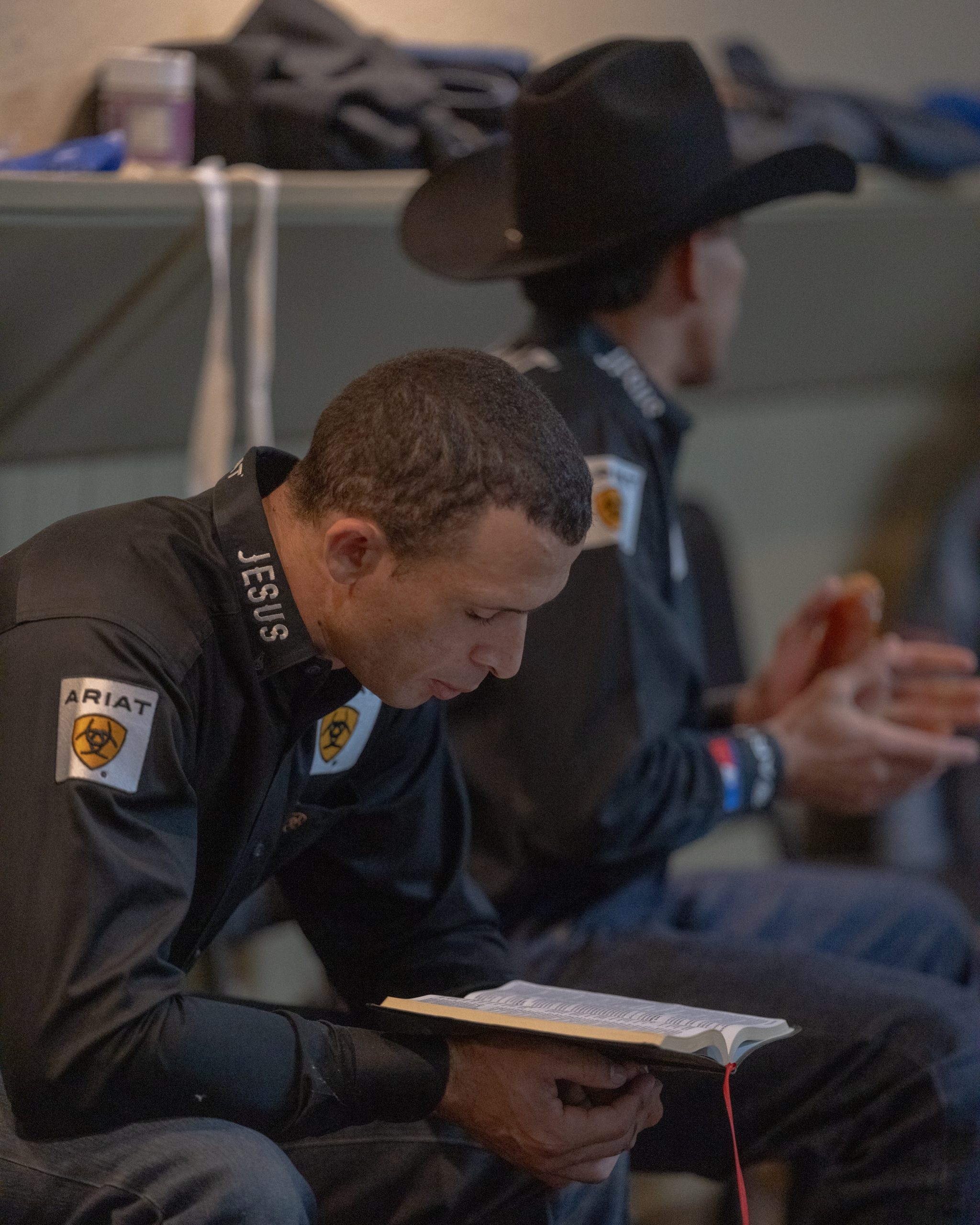 Aparecido: prepping for another big day at the PBR Finals.
Ridge Rider star De Castro is entering the last weekend of the season on a historic heater. He’s qualified (stayed atop a bull for eight seconds) in his last 13 consecutive rides, enough to vault him into a Top 10 overall ranking. Aparecido, meanwhile, is mired in an uncharacteristic slump, having been bucked off his four previous rides. Nevertheless, the famously relaxed father of three is feeling optimistic heading into the weekend.
“I’ve drawn Ransom for my first ride this week,” Aparecido noted at that boisterous lunch the day before. “That gives me a chance to post a big score. I’m too far behind to win the championship, but if I get a good ride, I can still get in the money. I’m very excited.”
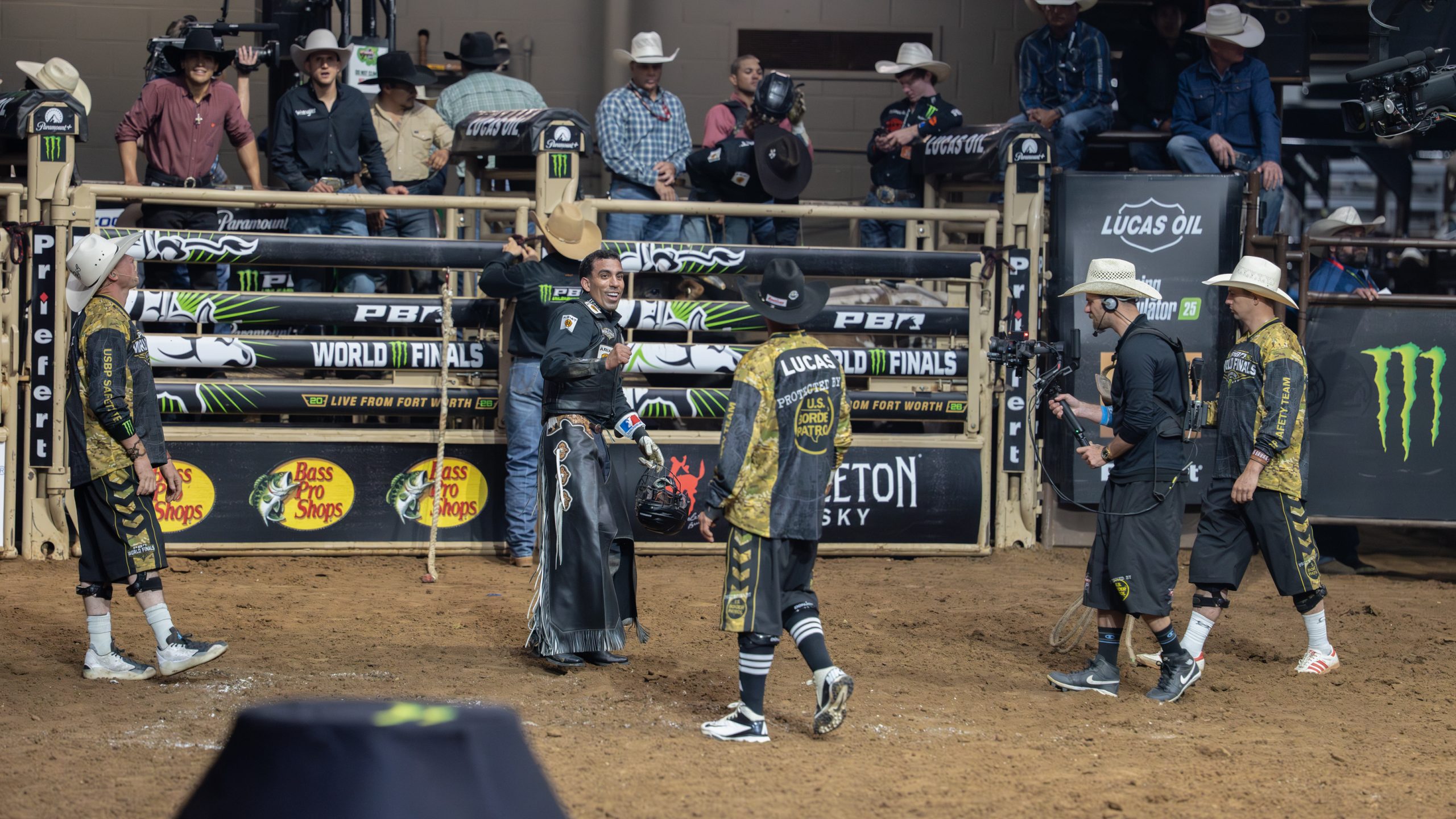 De Castro congratulated after another stunning ride. The veteran bull rider is one of the most consistent cowboys on the PBR circuit.
In individual competitions, if riders don’t qualify, they don’t get paid. It’s another reason spots on team rosters, which come with guaranteed salaries and health insurance, are so coveted by riders. No matter the type of competition, however, a top finish isn’t entirely up to the rider. In PBR events, riders and bulls are judged separately on their performance, with a maximum 50 points each per ride. Judges’ scores are combined and averaged to give a rider his final score, 100 being theoretical perfection.
The system creates an interesting dynamic. To register a big mark, riders need a “rank” (super-aggressive) bull to provide a challenging ride. No rider wants to be bucked off, but neither do they want a tepid voyage. Coming into the competition, Ransom is the No. 2-ranked bull on the circuit, with a roughly 72 percent buck-off rate and average score of 45.49. Over 13 career events, he’s become a fan favorite. And, yes, PBR spectators follow and become fans of bulls (often called “athletes,” with names like Lights Out, Lieutenant Dan, and Man Hater) in the same way they do riders.
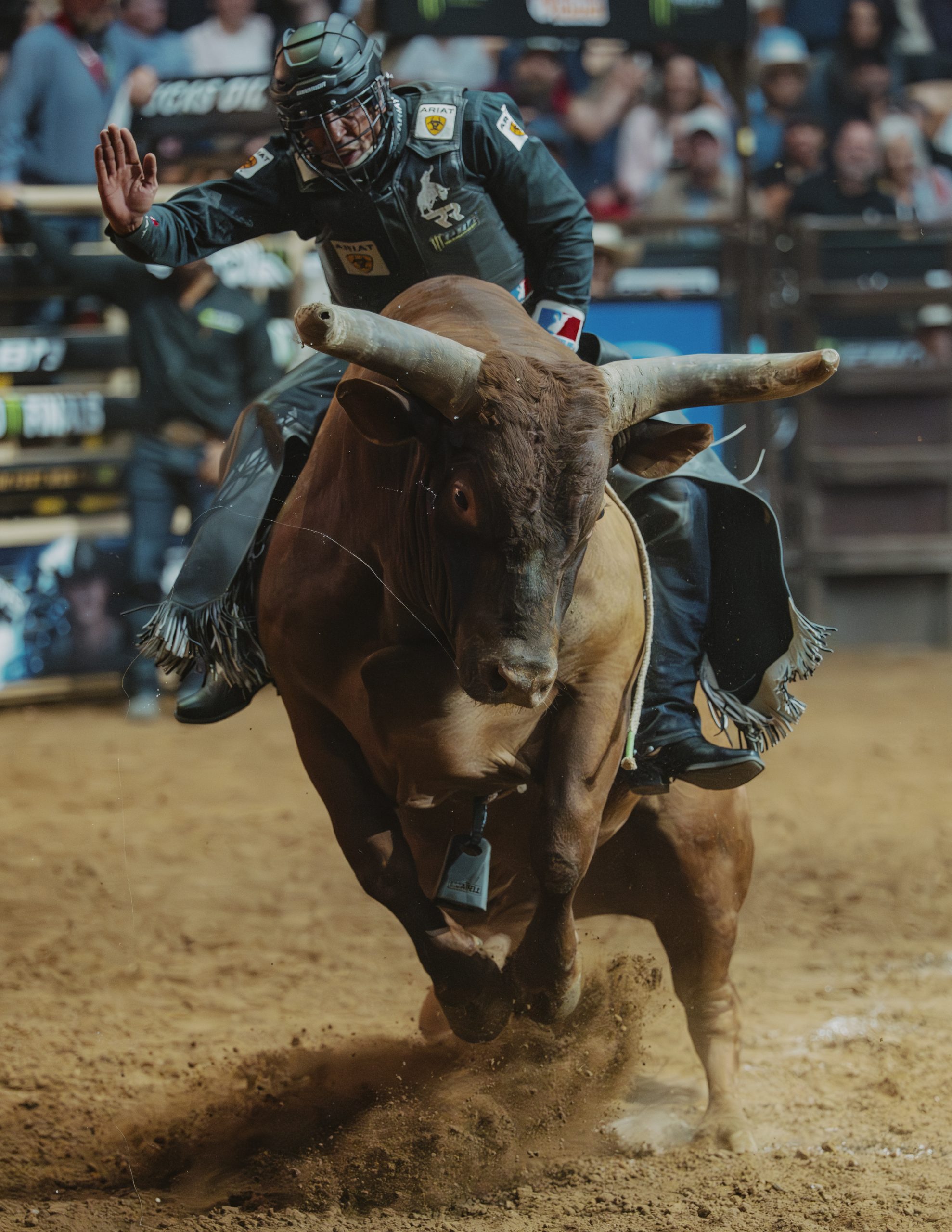 De Castro taking the bull by the rope.
Brazilian riders such as Aparecido and De Castro have become closely associated with bull riding. A large community of Brazilian riders and families has grown in Decatur. In 2025, Dallas’ D Magazine said the small town about 40 miles north of Fort Worth “is the bull riding capital of the United States — and that has everything to do with Brazil.”
The transplants excel for many reasons — technique, discipline, experience — but they’re particularly motivated by economics. For many, potential PBR earnings are massive compared with what they might expect to earn as ranch hands back home in their cattle-centric country.
“PBR is my best chance to give my family a better life,” says De Castro in the locker room before his World Finals ride on Black Harbor. Son of legendary PBR bull Pearl Harbor, Black Harbor is new on the circuit but has an intimidating 91 percent buck-off rate.
Survey Brazilian riders, virtually all of whom learned to ride in competitions in Brazil, and many will tell you that PBR riding isn’t just their best career plan, it’s their only plan. But the transition to the United States isn’t easy. Even Brazilian champions tend to get humbled upon arrival. The cultural shift is tricky, but the bulls are the biggest obstacles.
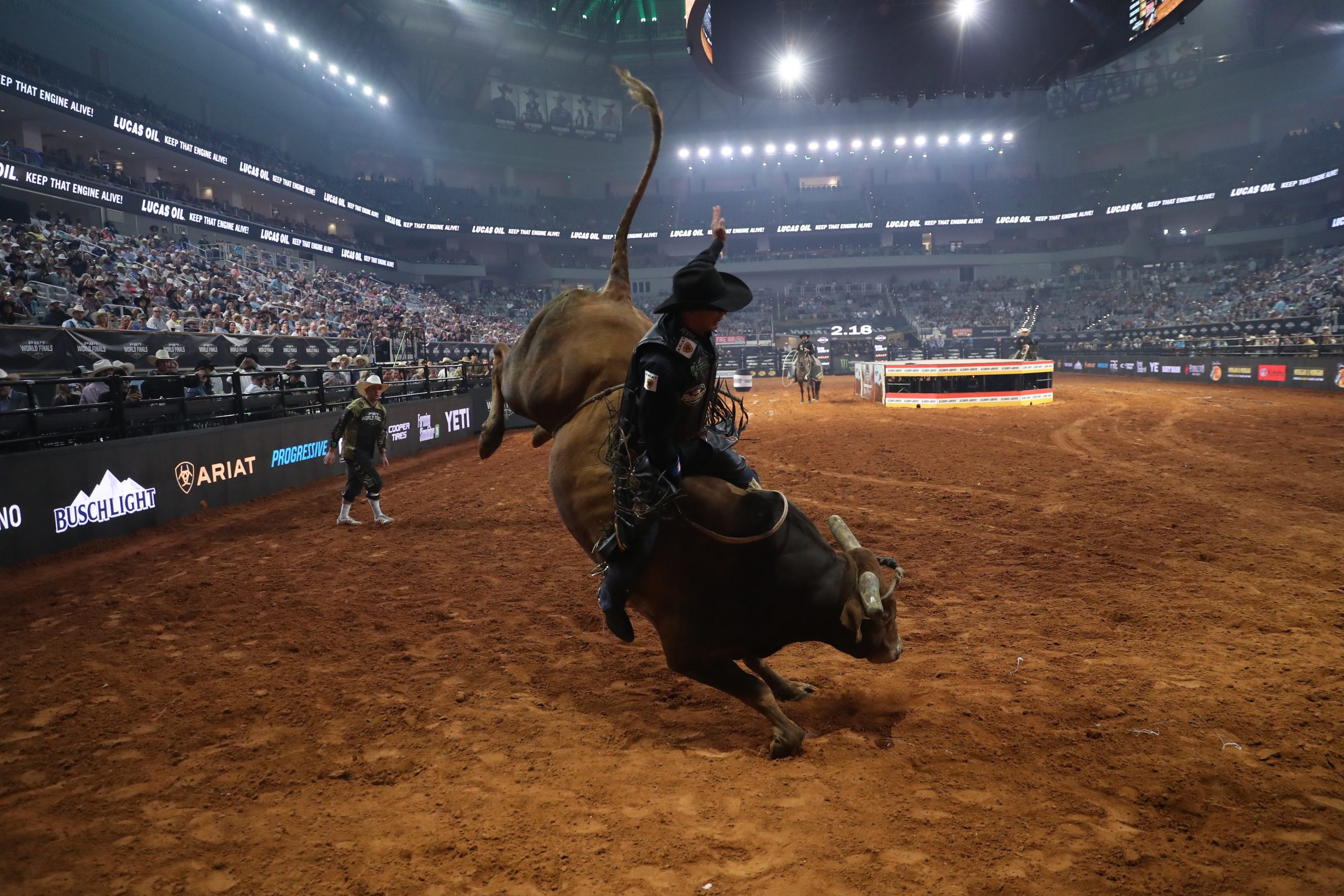 Aparecido’s Round 5 faceoff with Ransom delivers the crowd one of the greatest rides of all time — and the veteran athlete a historic 96.10 score.
“The bulls in Brazil are big and strong, but they’re lower to the ground, and they tend to buck up and down,” explains Aparecido. “In the U.S., you sit higher and the bulls spin fast, twisting right and left, as well as plunging up and down. They’re more unpredictable. They’re harder to ride.”
Within a couple of hours, the crowd at Dickies Arena will see just what he means. As Aparecido immerses himself in prayer amid the noisy locker room, Ransom awaits in the pens below the rapidly filling stands.
Coach Up
In helping the Ridge Riders navigate all of these challenges, Coach Yates has taken an unusual step. Alone among American PBR coaches, he’s taken it upon himself to learn Brazilian Portuguese — not just simple greetings and key phrases, but with the goal of fluency.
“Communication is the biggest thing, especially in coaching,” says Yates. “If I can’t understand them and feel their emotion because I can’t understand them — or they can’t feel mine because they can’t understand me — what kind of leader am I? I just bear down and put a lot of time into it. I’m still working every day, studying, reading, listening.”
“He’s the best coach there is because he’s been able to bring the team together like a big family,” says Aparecido.
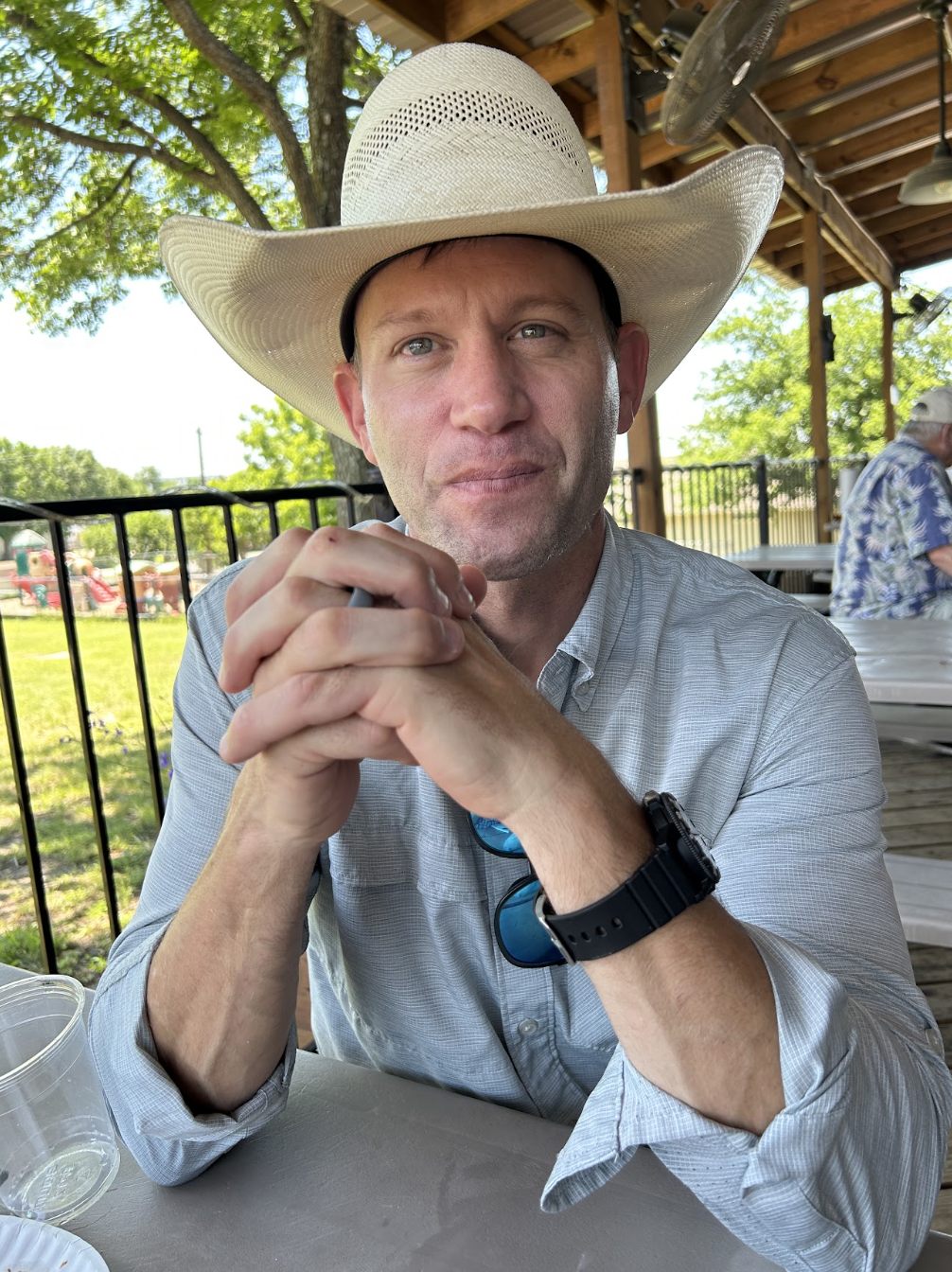 Ridge Riders head coach Colby Yates—as cowboy as they come: “It’s a game changer,” says Yates, about PBR Teams.
The discipline it takes to learn a new language at age 45 is indicative of Yates’ character. Born and raised into the ranching culture around Fort Worth, the hard-nosed Yates was a popular PBR rider from 2004 to 2012. During that period, he won three events and qualified for the World Finals five times. He also amassed a significant number of concussions — 38 by his own count — starting at age 12, when a steer threw him and then stomped on the back of his ear, knocking him unconscious.
“It was just what my life was, what I loved, and no pain was going to stop me from doing it,” says Yates. “No doctor was going to stop it either.”
“He has a personality that draws people,” said PBR cofounder Cody Lambert upon Yates’ retirement from the arena. “He carries himself the way a bull rider is supposed to.”
Yates is as cowboy as they come, but he’s not a man who resists change. He’s genuinely excited with the way the sport of bull riding is evolving, in particular the development of the team element.
“It’s a game changer,” he says about PBR Teams. “Riders get hurt, they get paid. First time ever in this sport. Most of the guys absolutely love it.”
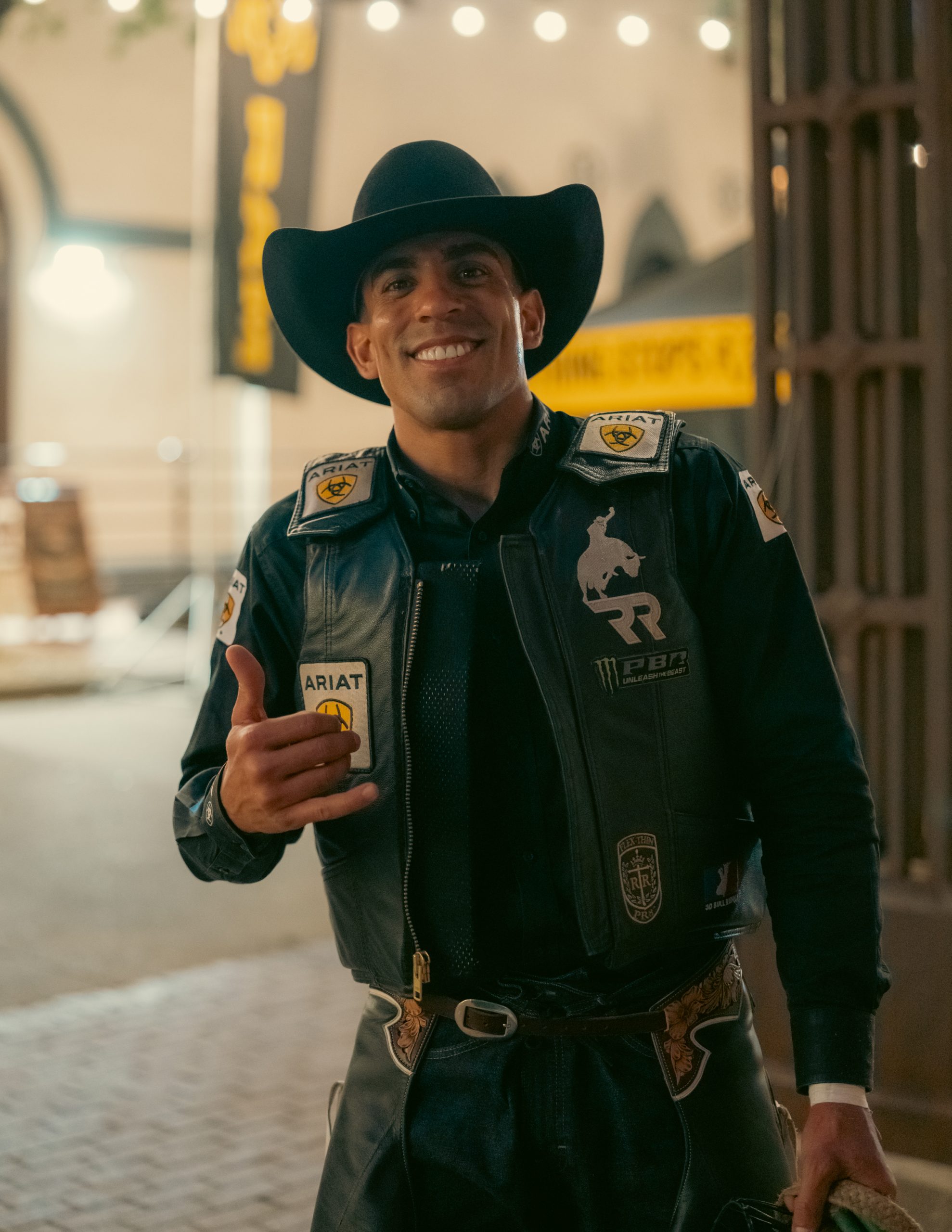 De Castro: “PBR is my best chance to give my family a better life.”
Although there are holdouts among traditionalists, team play has become so popular that it’s begun influencing smaller rodeos. At last year’s New England Rodeo, held annually in Rochester, Massachusetts, organizers put together a team competition between American and Brazilian riders, with a modest purse of $1,000. A highlight of the entire rodeo, the competition came down to the last ride and was won by the Brazilians. The team event was repeated in 2026.
“Teams is the next generation of the sport because it’s something younger followers of the sport can relate to and are latching on to,” says Frank Czarnowski, aka the “Czman,” an ex-cop and cohost of a New England-based bull riding podcast called When the Dust Settles. If you want proof of PBR Teams’ nationwide appeal, or just an in-depth take on professional bull riding delivered in thick Bwah-stun accents, this is your podcast.
The teams format also introduces a new kind of heartbreak into the business of bull riding, one that’s maddeningly familiar to fans of other pro leagues. A few months before the July start of the 2026 PBR Teams season, Ridge Riders star Keyshawn Whitehorse — billed as “the riding sensation from the Navajo Nation” — took advantage of his free-agent status and signed a contract with the 2025 league champion Carolina Cowboys. Whitehorse had been a cornerstone of the Ridge Riders roster since the inaugural 2022 season, enjoying a particular connection with fans in Arizona, the state with the largest population of enrolled Navajo tribal members.
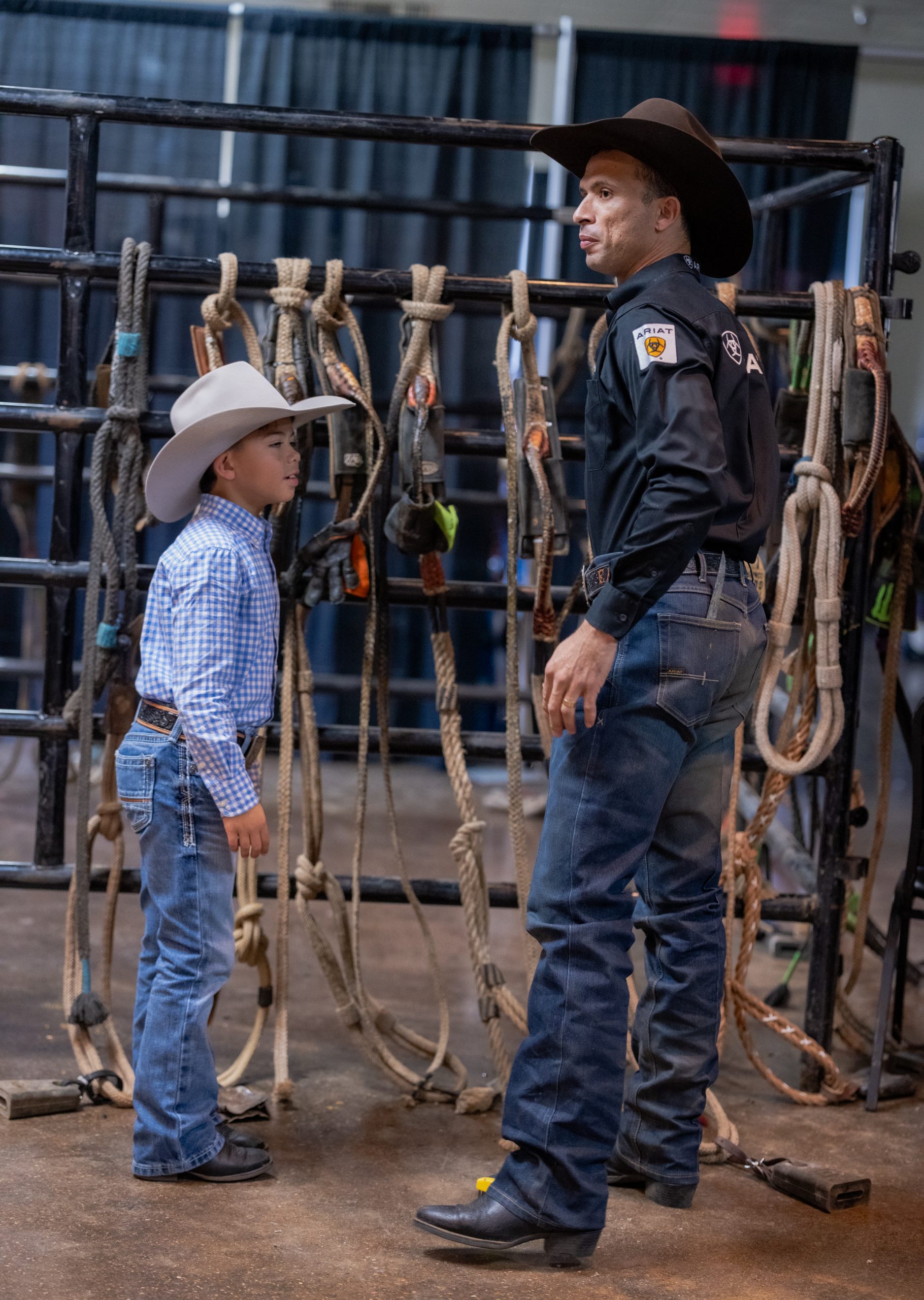 Aparecido, father of three, feels optimistic heading into the weekend: “If I get a good ride, I can still get in the money.”
“I’ve never heard a stadium in any sport roar as loud as when Keyshawn is announced in Desert Diamond Arena,” says Ridge Riders’ Morr, referencing the venue in Glendale, Arizona, where the team hosts home events.
Negotiations between the Utah-based Whitehorse and the team were reportedly intense, and not just because of the 28-year-old rider’s fan appeal.
“His teammates knew that Keyshawn was going to fight his ass off for them,” Yates says. “He’s willing to die to be able to get the win for them, not for him. The selflessness that he had was something that really, really tightened our team.”
During their time together, Yates and Whitehorse grew close, spending time working through professional and personal challenges. While Yates says he understands Whitehorse’s decision to sign with Carolina, in the weeks leading up to the 2026 season he was still emotional about the charismatic rider’s departure.
“He’s not going to be able to be replaced, but we need to make sure that we’re adding individuals to our team who have those characteristics,” Yates says. “I have a challenge ahead of me to make this team bond, because part of the reason it bonded was Keyshawn.”
Ride On
Whatever concerns the Ridge Riders might have heading into this season, the PBR World Finals in Fort Worth gave fans reason for optimism. Putting together a string of memorable qualifying rides, De Castro took second at the event and ended the 2026 season as the fifth-ranked rider in the world (despite being bucked off of Black Harbor). One-time Ridge Rider Bruno Carvalho, who started 2026 by winning the Denver PBR Chute Out at the National Western Stock Show, endured a spooky trampling at the World Finals that momentarily hushed the crowd. But after a few minutes on his back being attended by medical staff, the 26-year-old rider left the dirt under his own power and returned to compete in later rounds.
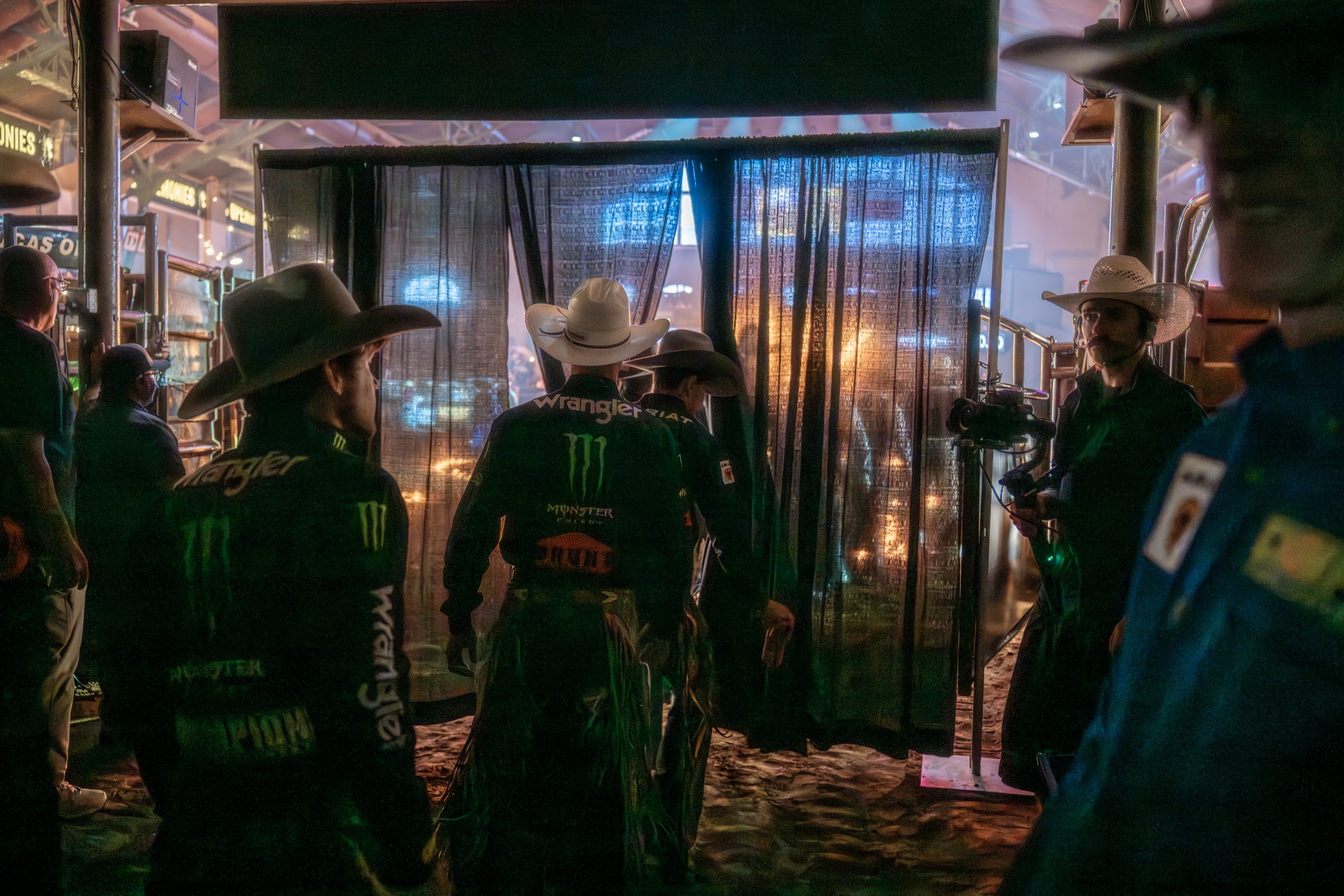 Entering the arena during the four-day PBR World Finals at Dickies Arena in Forth Worth, Texas.
“That’ll put a quiver in your liver,” bellowed the PA announcer as the applauding crowd stood in appreciation of Carvalho’s epic courage.
The biggest drama, however, was the Round 5 faceoff between Aparecido and Ransom. After settling into the chute with deceptive indifference, the tawny red beast erupted from the gate with two enormous back kicks that lifted Aparecido into a nearly vertical position high off the dirt. Abruptly changing tactics, the determined animal then swerved into four rapid-fire, 360-degree carousels that whipped the 160-pound Aparecido with malevolent authority.
Yet, never for a second was the veteran rider out of control. Aparecido rode out the spin cycle with the same placid confidence he’d displayed the afternoon before while casually flipping steaks on the grill in his backyard. He capped the brilliant ride with an artistic get-off, launching from his butt off of Ransom’s back with arms outstretched and both feet in front of him, gliding through the air like a skier executing a graceful spread-eagle, and nearly sticking the landing.
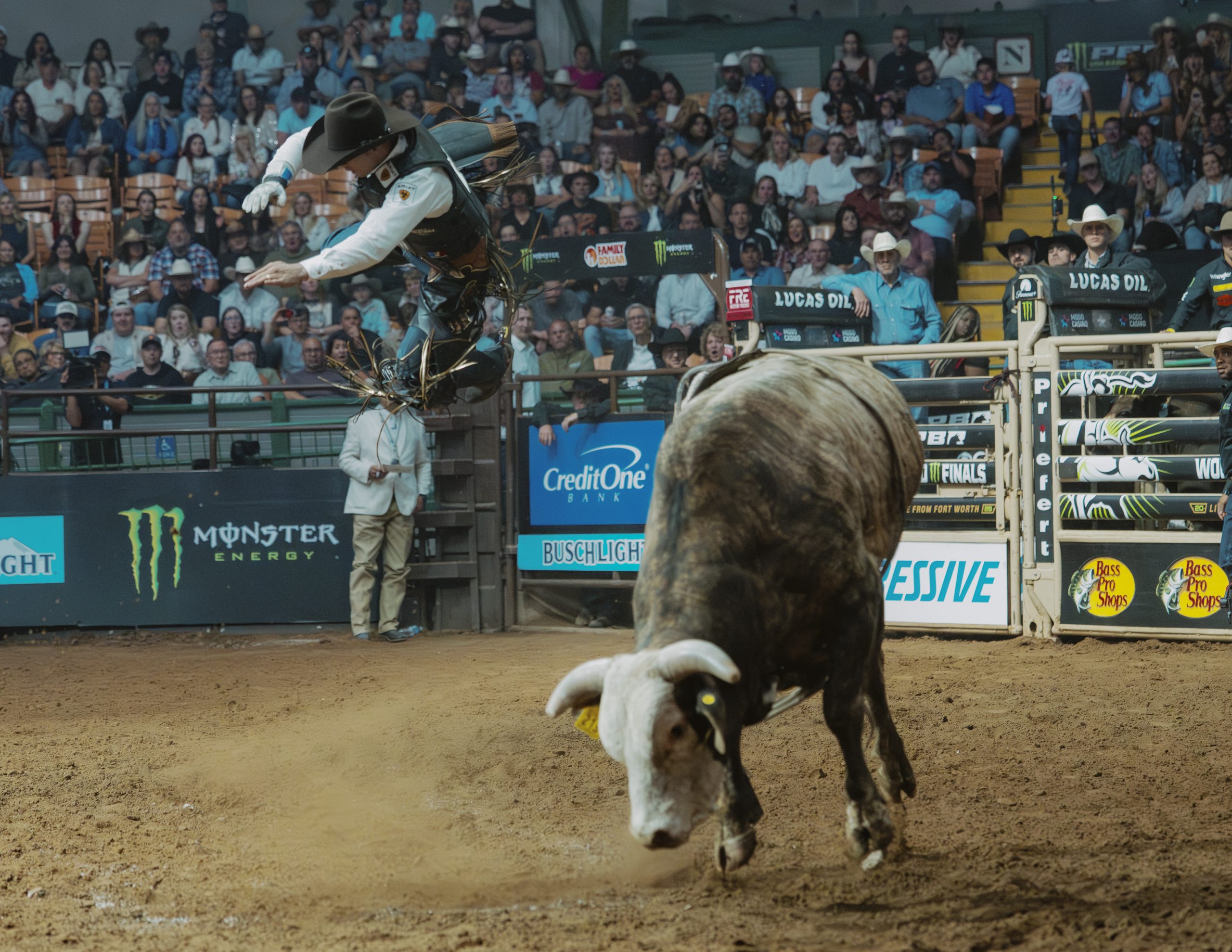
Aparecido parting ways with Maserati during an early ride at the PBR Finals. “At best, you have eight seconds to capture a one-ton bull bucking and spinning—kicking dirt at your lens with the torque of an F-150, while a 150-pound rider hangs on for dear life,” says photographer Kornbluth. “More often than not, you've only got a few seconds before the rider is thrown and the shot changes radically.”
The Dickies Arena crowd exploded, immediately understanding they’d just witnessed one of the greatest rides of all time. The judges’ score vindicated their response — 96.10, the third-highest score ever recorded in a PBR World Finals and the best of Aparecido’s storied career. Though he didn’t win the overall event, the Ridge Rider captain topped all riders in Round 5, collecting a $50,000 check at the end of the night. The performance helped Ransom, as well. He finished the season as the PBR’s top-ranked bull.
Like everyone in the arena, Yates was electrified by the ride. He also couldn’t help wondering if this might be the year that a long-standing agreement he has with his team might finally catch up to him.
“A deal I’ve had since the very beginning is if the Ridge Riders win a championship, I will get on whatever bull they want me to get on,” says Yates, who last rode a bull in 2012. “In previous years, I’ve been in the medicine room three times getting taped because we’ve been that close to winning it. And every time I’m like — damn, here we go.
“The guys are saying they’re going to give me an easy bull, not one of the ones they get on, but a nicer one. I told them it doesn’t matter which one. You can put me on the baddest one. Whatever one you want to put me on, I’ll get on.”
The idea of one of the PBR’s most beloved figures back on a bull presents a tantalizing possibility. As if anyone needed another reason to tune into the greatest, and toughest, show on dirt.
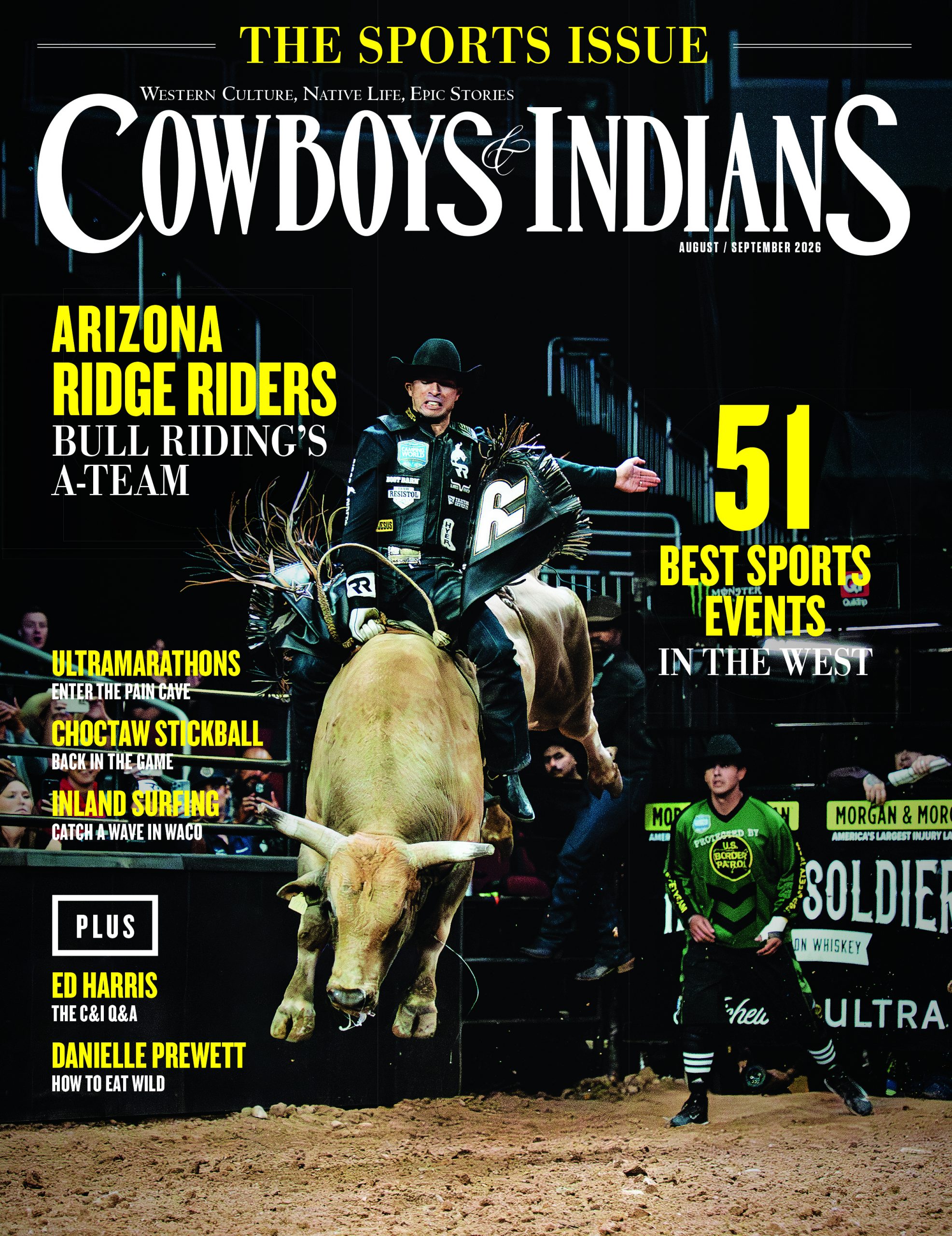 The August/September issue of C&I will be available to purchase on newsstands beginning July 21.
PBR Teams 2026 and Ridge Rider Days
The 13-event PBR Teams season kicked off in July with neutral site games in Fort Collins, Colorado. Events featuring all teams in head-to-head competition are held on most weekends throughout the summer-fall season, culminating in the PBR Teams Championship in Las Vegas (November 6 – 8). During the season, each of the league’s 10 teams host a home event. Arizona Ridge Rider Days will take place at Desert Diamond Arena in Glendale, Arizona, October 9 – 11.
Photography by Jesse Ilan Kornbluth; (Cover image) courtesy of Arizona Ridge Riders