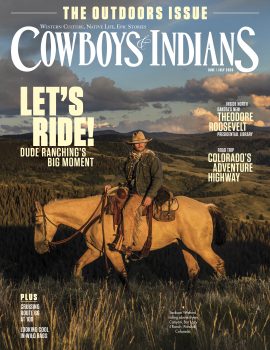




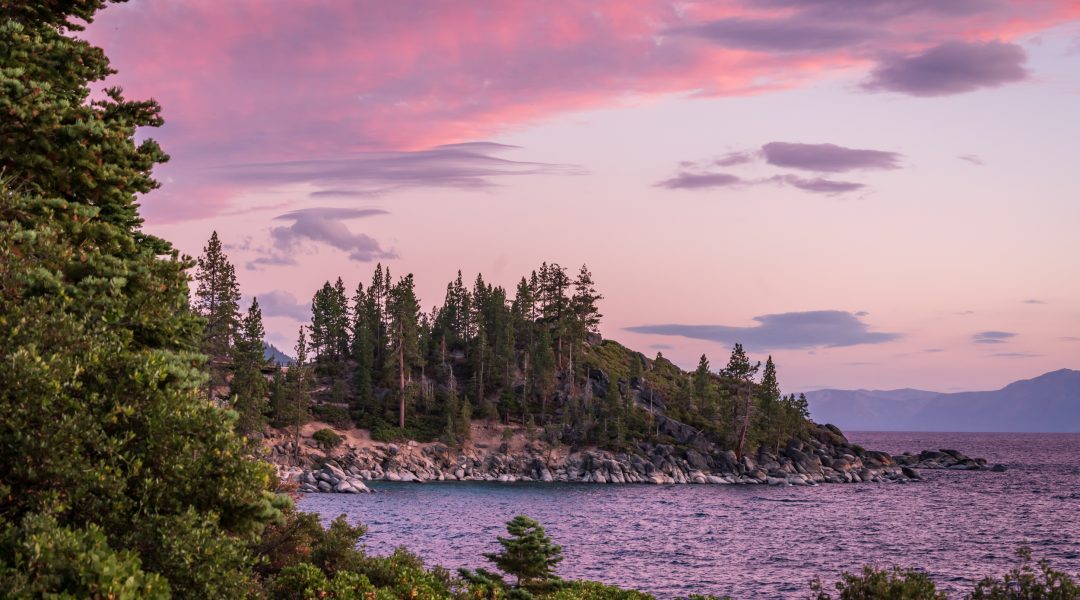
Chasing light and scenery, photographer Kial James gets golden shots close to home in California Gold Country.
You might remember Kial James’ photographs from the feature story “Good as Gold” by C&I senior editor Jordan Rane in our July 2025 issue. We wanted to know more about how James captures the glories of California Gold Country and caught up with him to talk about light, the pleasures of a life behind the lens, and finding both close to home.
Cowboys & Indians: C&I Where are you located?
Kial James: I live in the Sierra Nevada Foothills of Northern California, in that stretch between Lake Tahoe and Sacramento, in the beautiful foothills area of Auburn, California. It’s a region of crystal-clear rivers, rugged mountains, and small historic Gold Rush towns that always keep me inspired.
C&I: How did you get into photography?
James: It really started when my late future father-in-law gave me his old Nikon FE2 35 mm. I was dating his daughter, my future wife. He knew I’d taken an interest, and that gift opened the door. Before that, it was always borrowed equipment. The Nikon taught me the fundamentals. Everything manual, everything film. I took a couple of photography classes in high school and learned the darkroom, but it didn’t fully click until later when I worked at a daily newspaper in the production department. I was scanning and color-correcting film all day in Photoshop 2, surrounded by images. That unlimited access to film, a darkroom, and the mentorship of editorial photographer John Hart really pulled me deeper into the craft.
C&I: After starting with film, did you move with the times and tech to digital? Shoot both?
James: Yes, I started with film, learned the darkroom process, and later transitioned into digital as the industry shifted. Working at a newspaper gave me early access to digital workflows, which made the transition natural. Today I’m fully digital, but those film roots taught me patience, discipline, and intentionality.
C&I: What do you shoot with now?
James: I shoot Sony mirrorless systems, primarily the A7R V with GM glass (Sony lenses). For aerials, I use a DJI drone. It’s a flexible setup that allows me to move seamlessly between editorial, commercial, and fine artwork.
C&I: What did you start out shooting?
James: At first, I gravitated toward the history of the area, photographing Gold Rush–era artifacts and spending hours at Empire Mine State Historic Park, one of the oldest, deepest, largest, and richest gold mines in California. My work there still lives on today in the form of postcards sold to the public. I was also fascinated with the stories of the people around me: loggers, small shop owners, artists, entrepreneurs, and people making a difference in the community.
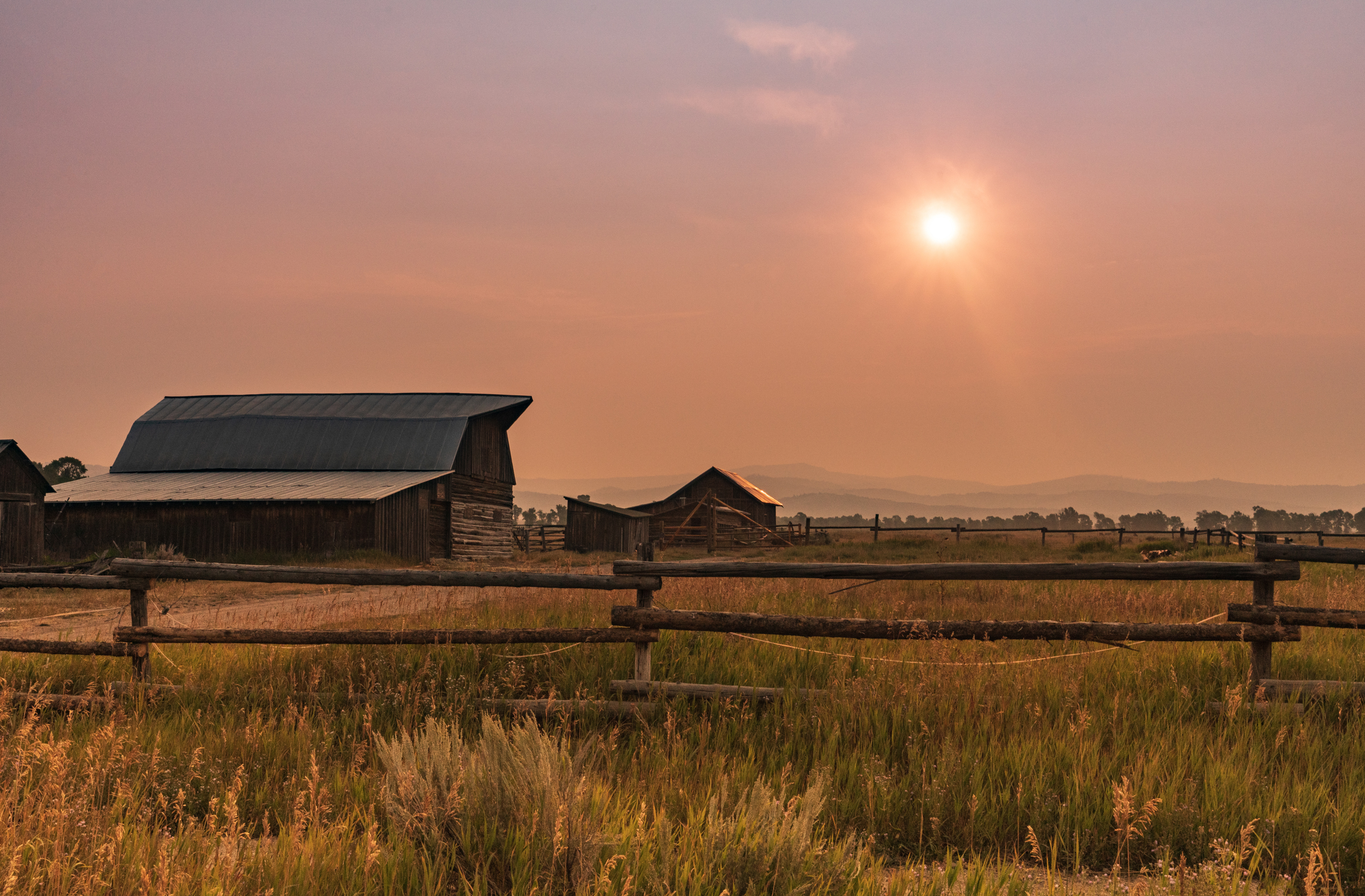
C&I: What’s a “typical” day of shooting, and how do you go about getting your shots?
James: There’s really no typical day. Some days I’m hiking into the Yuba River canyons; other days I’m walking through historic towns or photographing people for editorial and commercial assignments. It usually starts with scouting, mapping the light, anticipating what’s coming, and then waiting for that moment when it all aligns.
C&I: Talk about light. You seem very adept at capturing great images in the “golden hour.”
James: Golden hour is where the magic lives. Out here, when the foothills catch that warm light, the landscape comes alive. It’s not just about shooting at sunset; it’s about being ready for those fleeting moments when the light lines up with the land. It’s truly magical to witness. Light is everything in photography.
C&I: Do you identify locations and go back in great light?
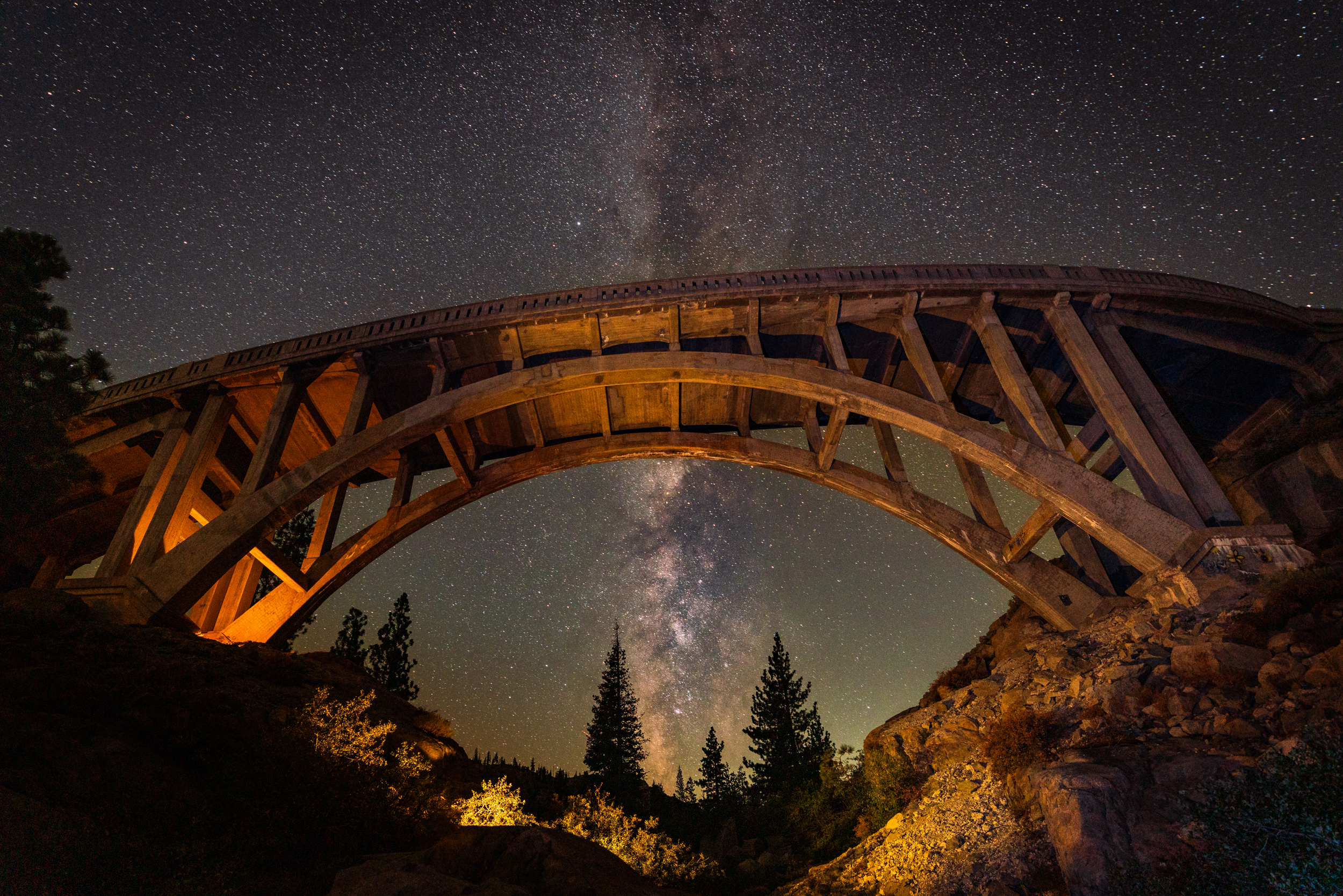
James: All the time. I’ll see a beautiful spot at noon, map the sun and where it will hit and when, and know it’s going to sing at sunrise or under stars. I revisit locations often, and each time they reveal something new, depending on the light and season.
C&I: What’s your preferred subject matter these days?
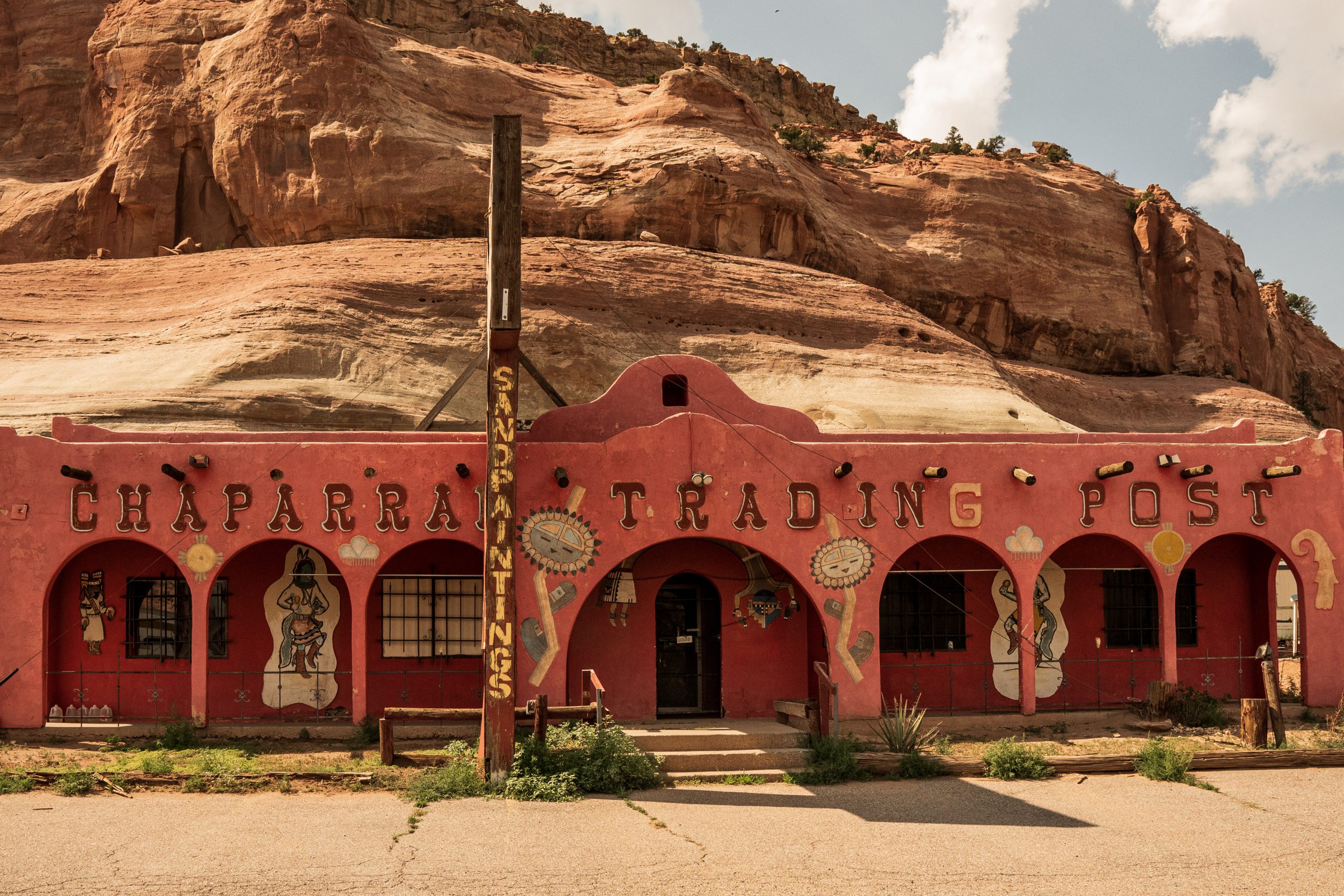
James: I’m drawn to landscapes and history, especially when they intersect. I love the natural beauty of Northern California, but I’m equally fascinated with the stories of the people and the communities that give a place its soul.
C&I: If you’re not shooting for a client or a magazine, what are you shooting for your own artistic pleasure?
James: I chase light and scenery: fog over the pines, reflections on high Sierra alpine lakes, the shifting colors of a foothill sunset. I’m also always photographing hidden corners of Nevada County and historic sites like Empire Mine or Malakoff Diggins State Historic Park. Those are personal projects that feed me creatively.
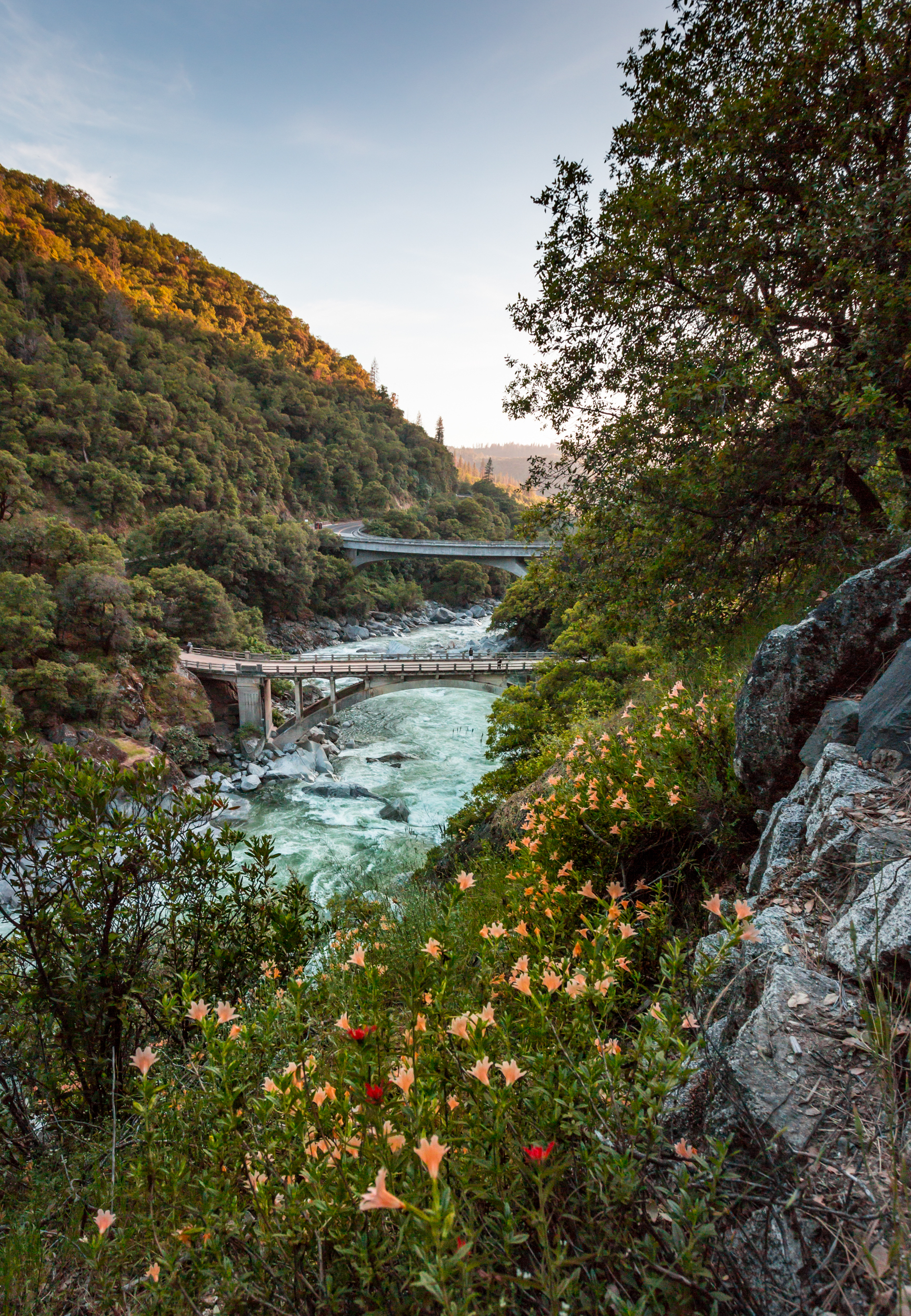
C&I: Talk about your California Gold Country stuff, which we featured in our July 2025 issue in the “Good As Gold” article. What’s a great day of shooting and playing in that part of California, which is where you make your home? Take us to some of your favorite spots.
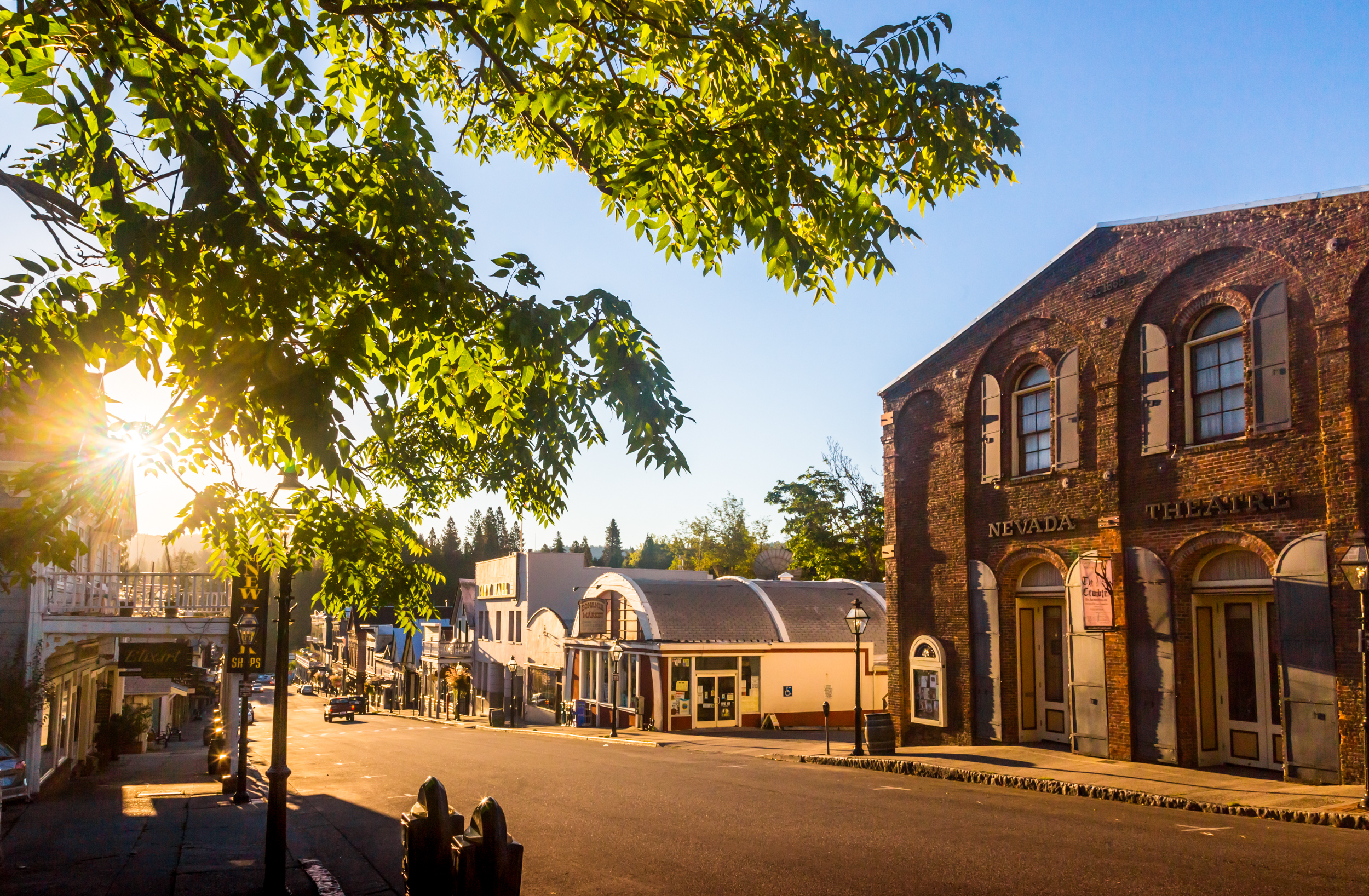
James: A perfect day might start at the Yuba River, catching early morning mist rising off the granite pools. Later, I’ll wander through Nevada City or Grass Valley, both rich with Gold Rush character, brick façades, and ironwork details. I’ve spent countless hours at Empire Mine photographing artifacts and architecture, always finding new ways light interacts with the historic spaces. And if it’s fall, nothing beats driving the backroads for the colors or catching a lakeside sunset. Fall in this part of California is spectacular. We are often referred to as the lesser version of the East Coast for fall color. We have a rich history of folks migrating from the East Coast and bringing with them the deciduous trees that they so treasured.
C&I: What have been some of your favorite shoots?
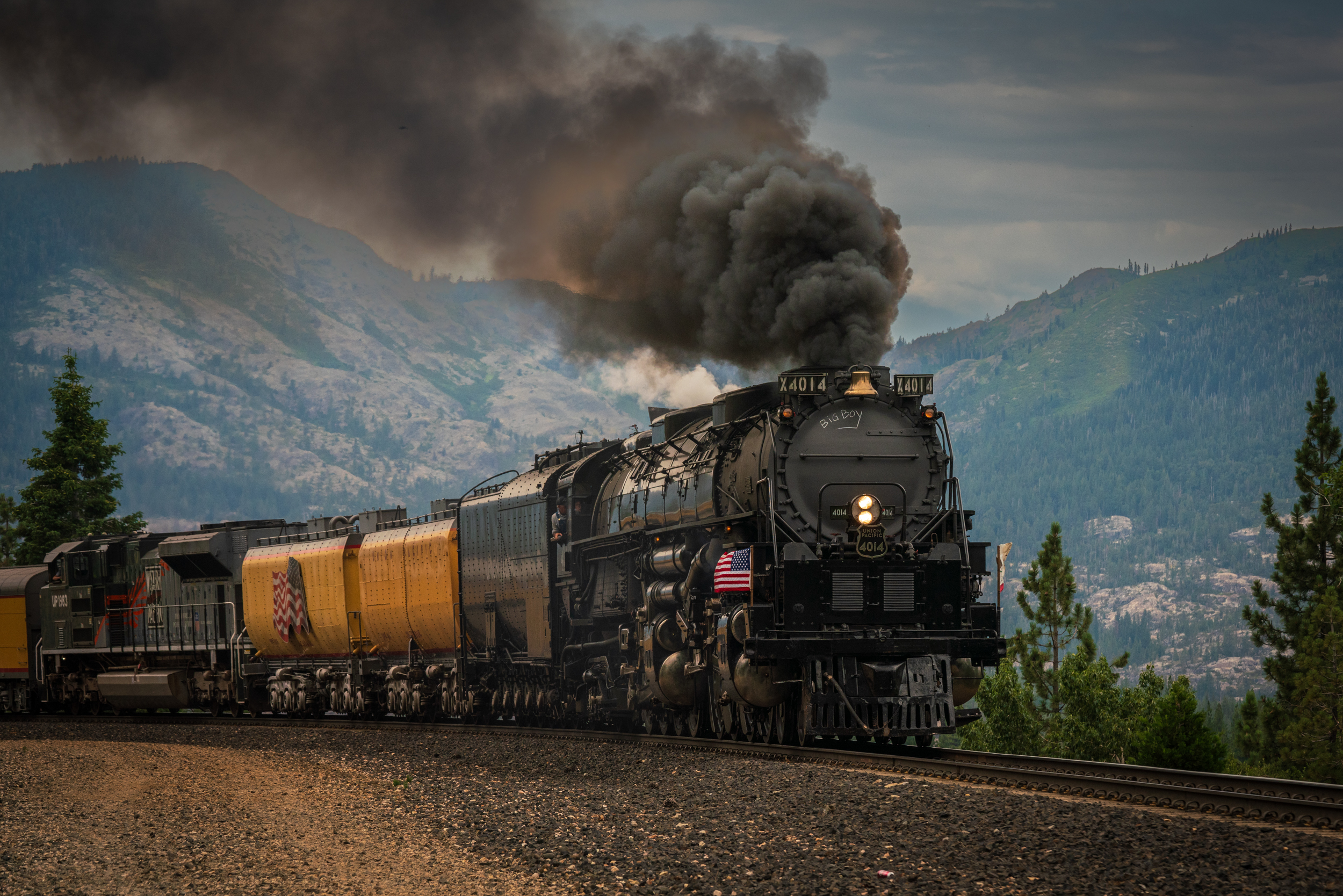
James: Photographing the Union Pacific Big Boy locomotive powering through the Sierra Nevada was unforgettable. It felt like history in motion. Documenting the renovation of downtown Grass Valley was another highlight, tying my work directly to the story of my community. And of course, magazine covers like my Comstock Magazine cover of a Sacramento-based Michelin-starred restaurant and California Sommelier of the Year are milestones I’ll always remember.
C&I: Places you dream of photographing?
James: Iceland, for its raw elemental drama. Patagonia, for its scale and remoteness. And more of the American Southwest, where there’s so much left for me to explore.
C&I: Let’s get philosophical for a sec. What is photography to you?
James: For me, photography is about light and legacy. My anchor work is in healthcare. I photograph for a national healthcare company, traveling around the country photographing patients, doctors, nurses, CNAs, and more. I’ve visited nearly all 50 states, often not long enough to explore fully, but always long enough to meet people, hear their stories, and capture a glimpse of their culture. That has shaped how I see photography. It’s not just about pretty pictures; it’s about connection, story, and history.
C&I: Best advice you ever got about photography?
James: “Slow down and see.” It’s simple advice, but powerful. Photography isn’t just about pressing a shutter; it’s about paying attention.
C&I: Parting words?
James: Gratitude and faith. I’m grateful to be able to live and work in such a historically rich part of California and to share it with others through my lens. My faith guides everything I do, and it’s something I carry into my work and my family life. I’ve made my family stop and really watch sunsets with me, to notice how the light shifts and the weather changes. Now they, like me, pause for those moments. If my photography helps someone else do the same, to pull off the highway, slow down, and see the light, that’s everything to me.
For more on Kial James’ photography, visit kialjamesphotography.com.
PHOTOGRAPHY (All images): Courtesy Kial James.