



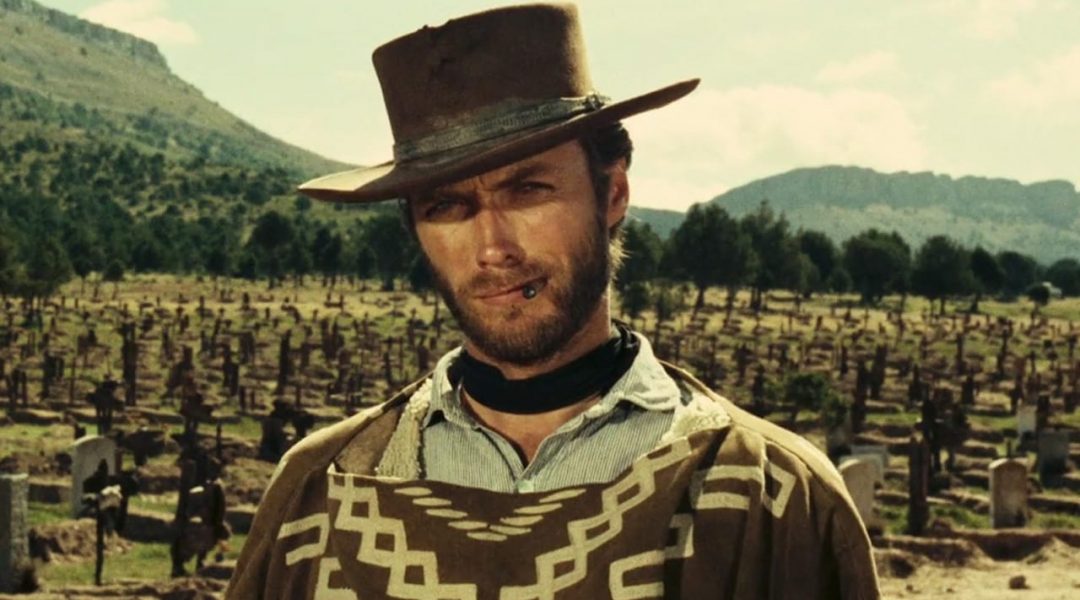
Few figures loom larger over the evolution of the western than Clint Eastwood.
Emerging as the steely-eyed drifter of the Spaghetti Western era before helping reinvent the genre decades later, Eastwood carried the western from mythic frontier heroism into something darker, more reflective, and morally complicated.
From iconic gunslingers to revisionist masterpieces, these films chart Eastwood’s remarkable journey through the West — and show why his influence on the genre still rides strong.
Here are 10 essential Clint Eastwood westerns worth revisiting.
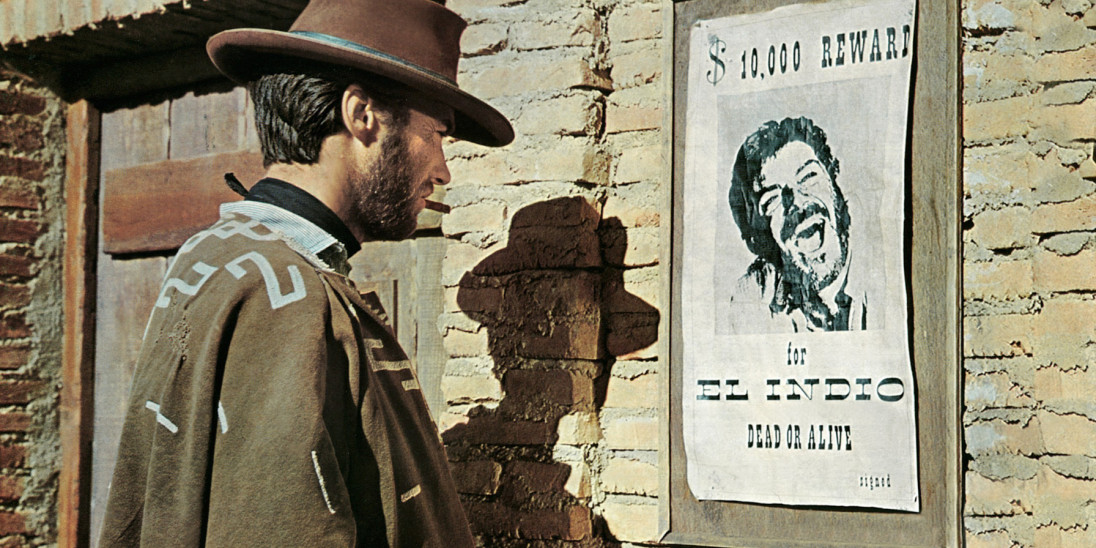
A Fistful of Dollars (1964)
Eastwood’s breakthrough western introduced audiences to the mysterious “Man with No Name.” Directed by Sergio Leone, the film reinvented the western with dust, danger, and a harder-edged hero unlike anything Hollywood had seen before.
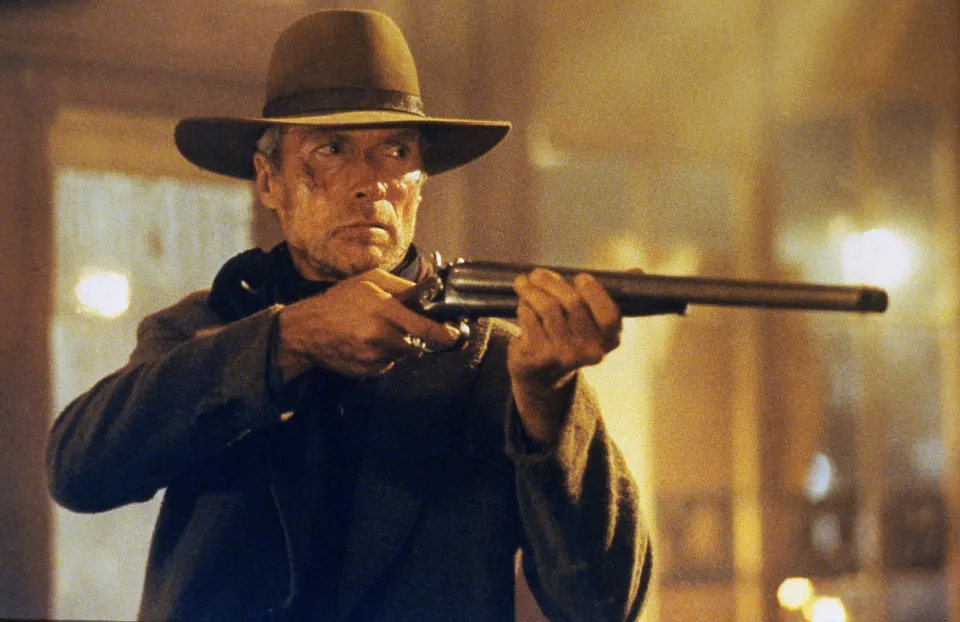
Unforgiven (1992)
Eastwood’s revisionist masterpiece dismantles the myths his earlier films helped build. Winner of Best Picture and Best Director, Unforgiven stands as one of the greatest westerns ever made — and perhaps Eastwood’s defining statement on violence, legacy, and regret.
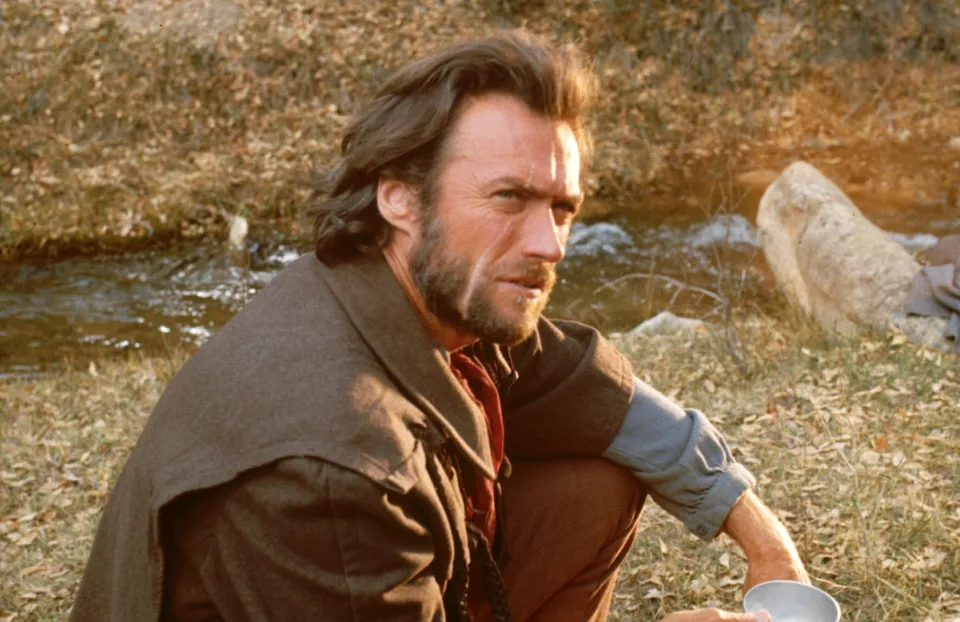
The Outlaw Josey Wales (1976)
Widely considered one of Eastwood’s finest westerns, this post–Civil War odyssey follows a grieving outlaw searching for peace. Tough yet unexpectedly humane, it showcases Eastwood at the height of his powers.
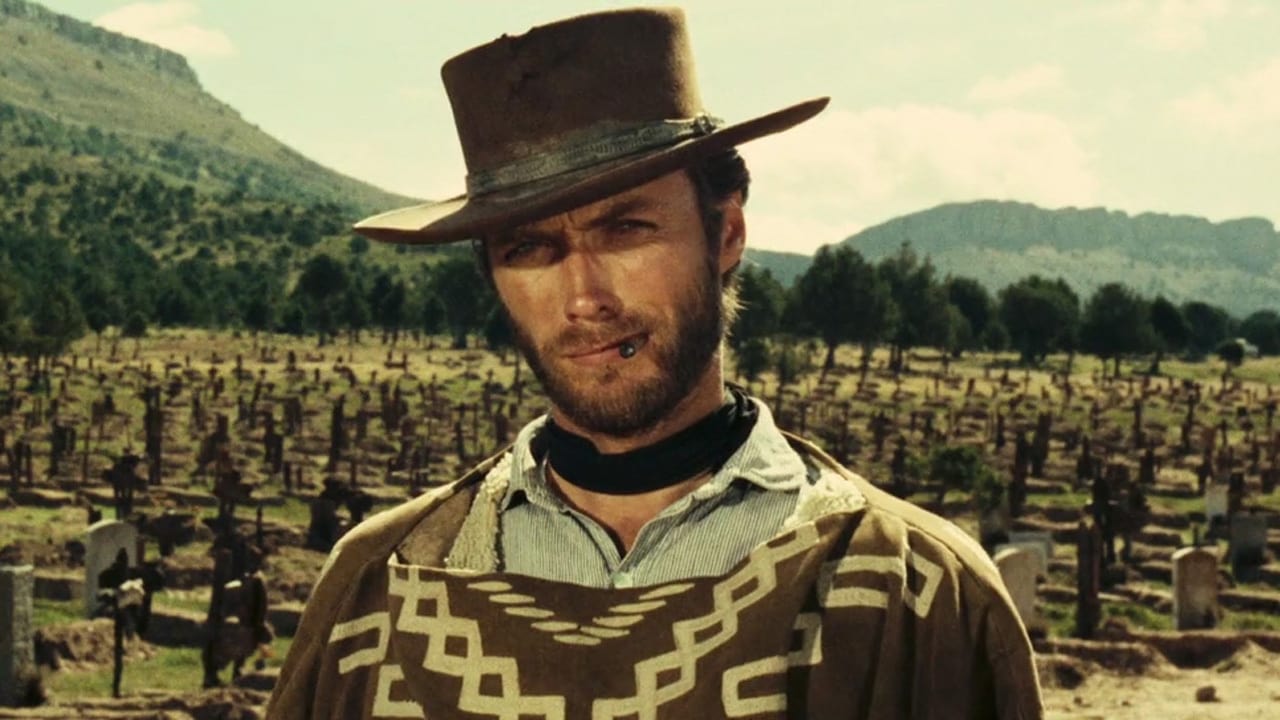
The Good, the Bad and the Ugly (1966)
For many fans, this is the definitive Eastwood western. Sweeping, operatic, and unforgettable, Leone’s Civil War epic cemented Eastwood as an international star and delivered some of the most iconic imagery in genre history.
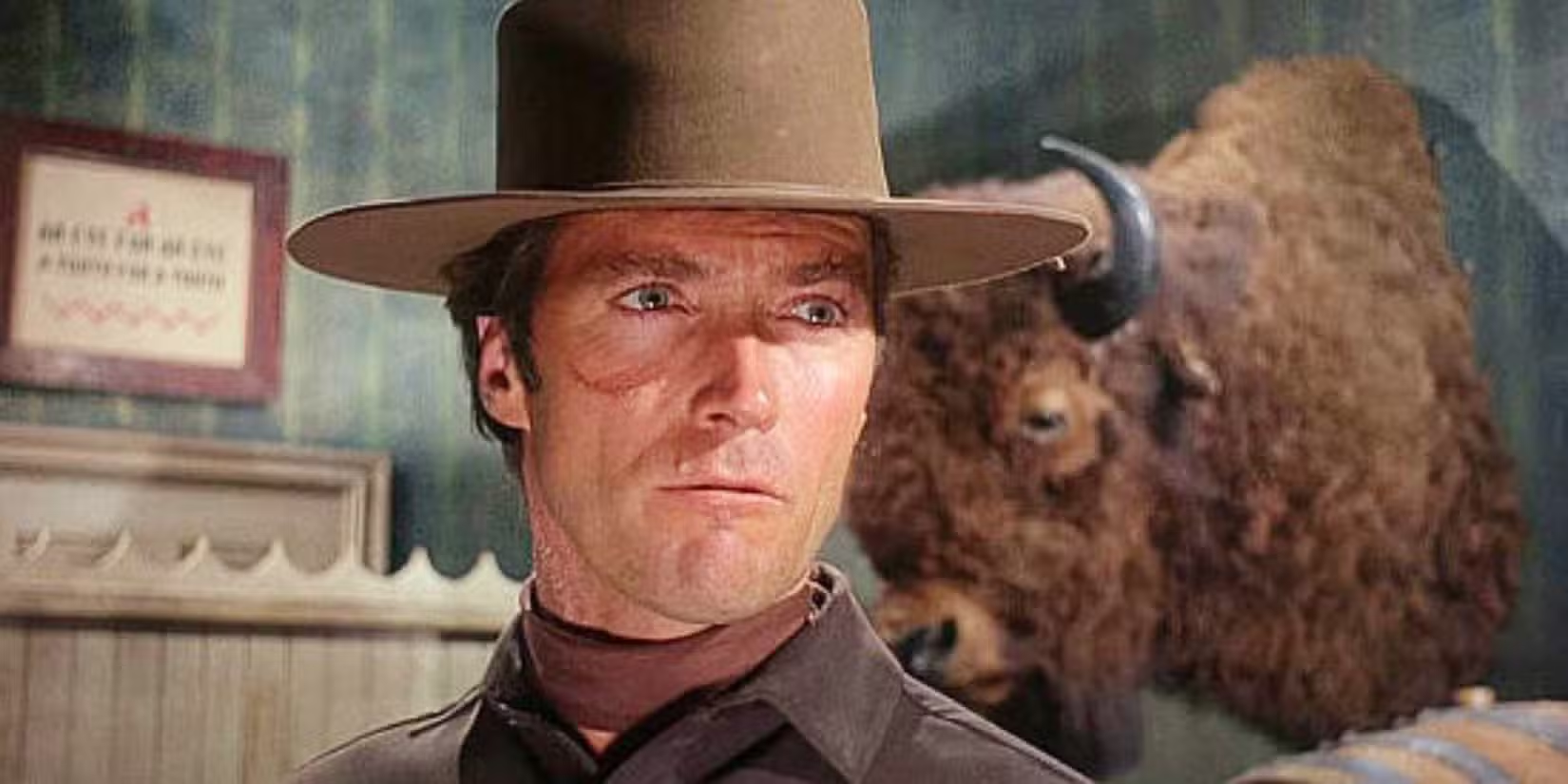
Hang ’Em High (1968)
Eastwood’s first major American western after the Dollars Trilogy finds him as a lawman seeking justice after surviving a lynching. It bridges the gap between his Spaghetti Western persona and the darker American westerns to come.
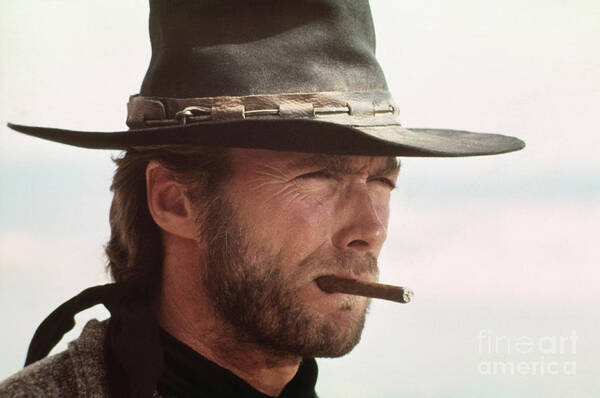
High Plains Drifter (1973)
Part revenge tale, part ghost story, Eastwood directs and stars in one of the strangest and most haunting westerns of the 1970s. Morally murky and deeply unsettling, it pushed the genre into darker territory.
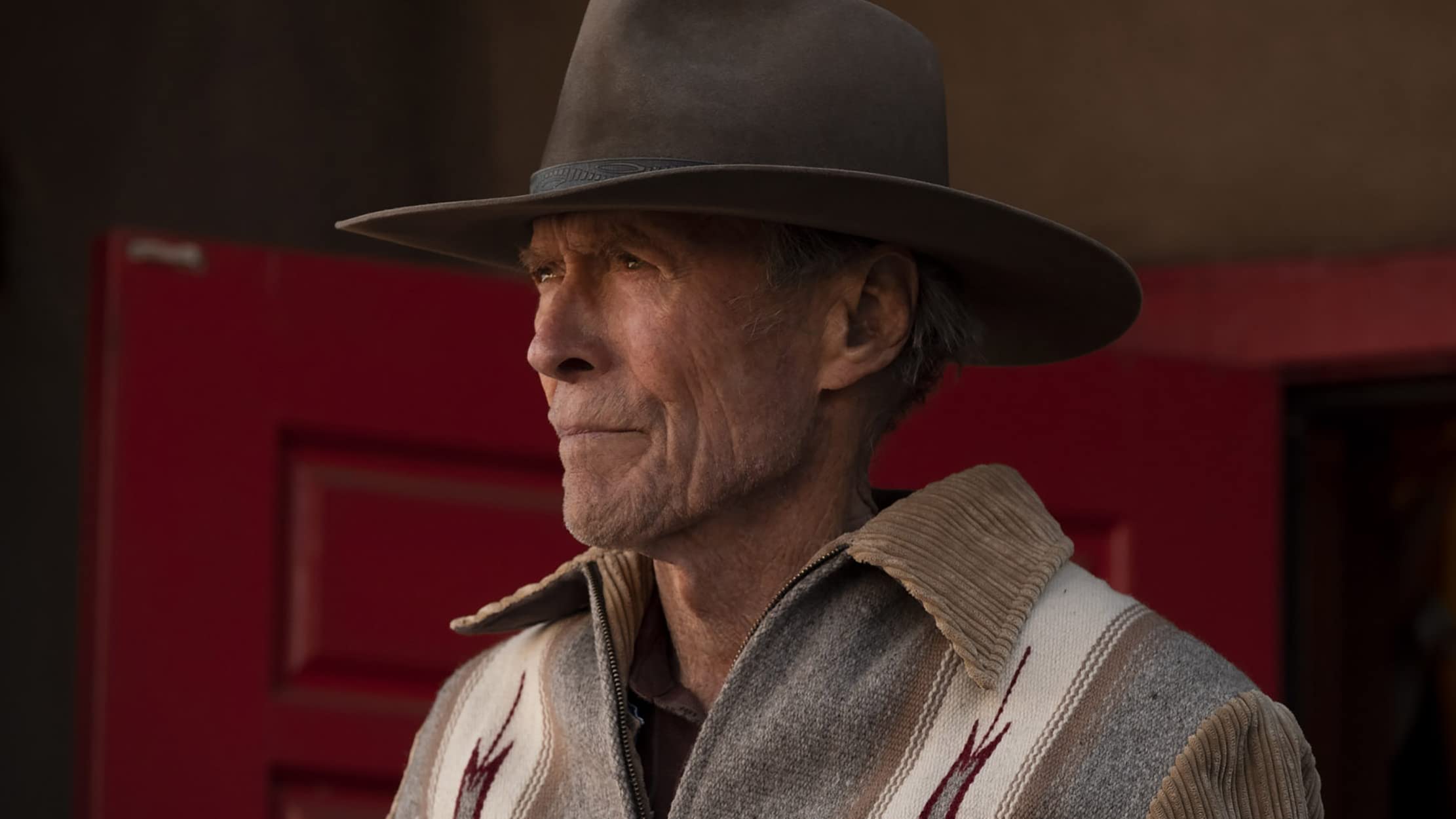
Cry Macho (2021)
A quieter, reflective late-career western, Eastwood plays an aging horse trainer helping a young boy find his way home. More meditative than action-driven, it offers a final-season perspective from one of the genre’s enduring icons.
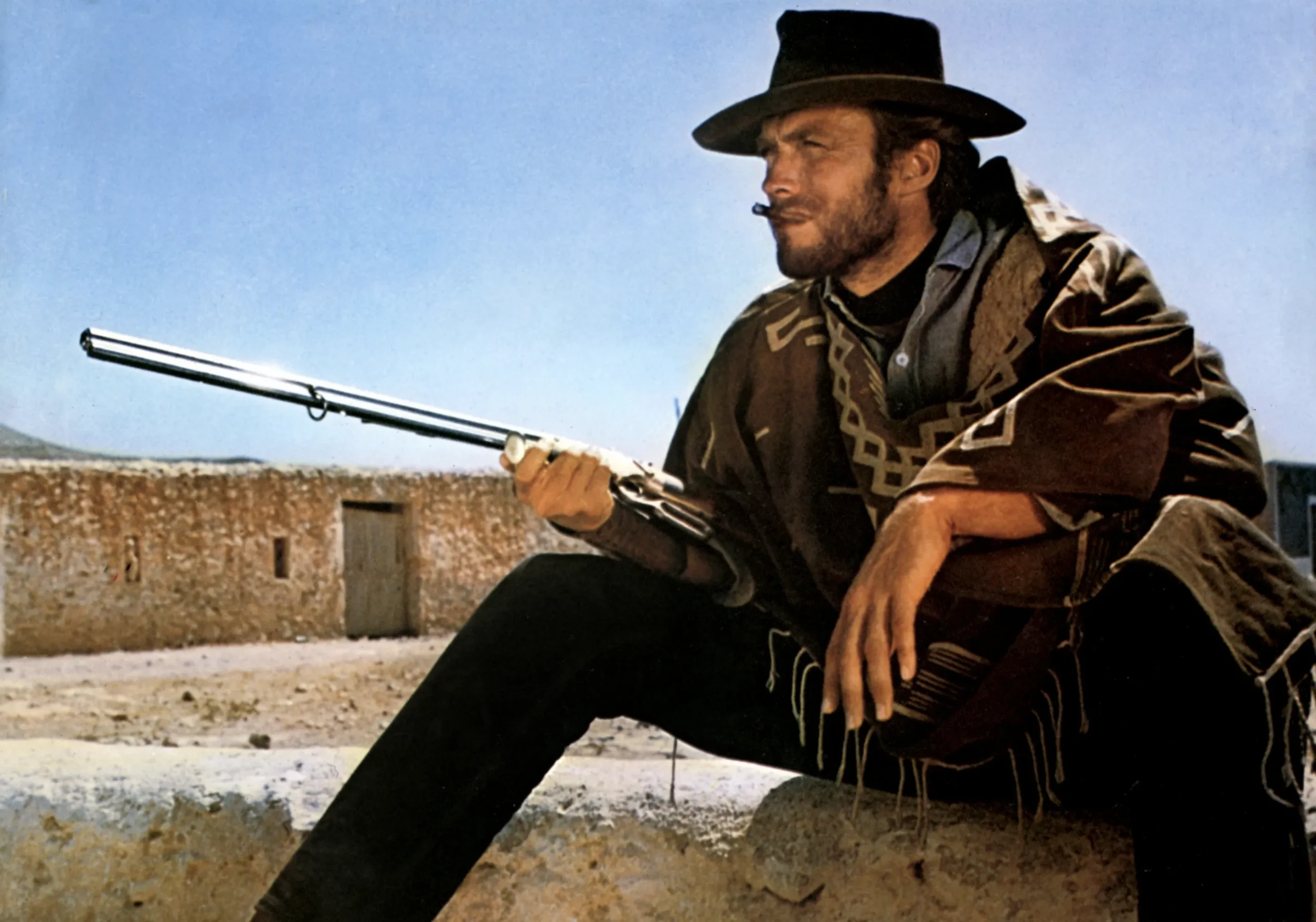
For a Few Dollars More (1965)
The middle chapter of Leone’s Dollars Trilogy pairs Eastwood with Lee Van Cleef in a stylish tale of bounty hunters and revenge. Bigger in scope and richer in character, it deepened the mythology surrounding Eastwood’s silent gunslinger.
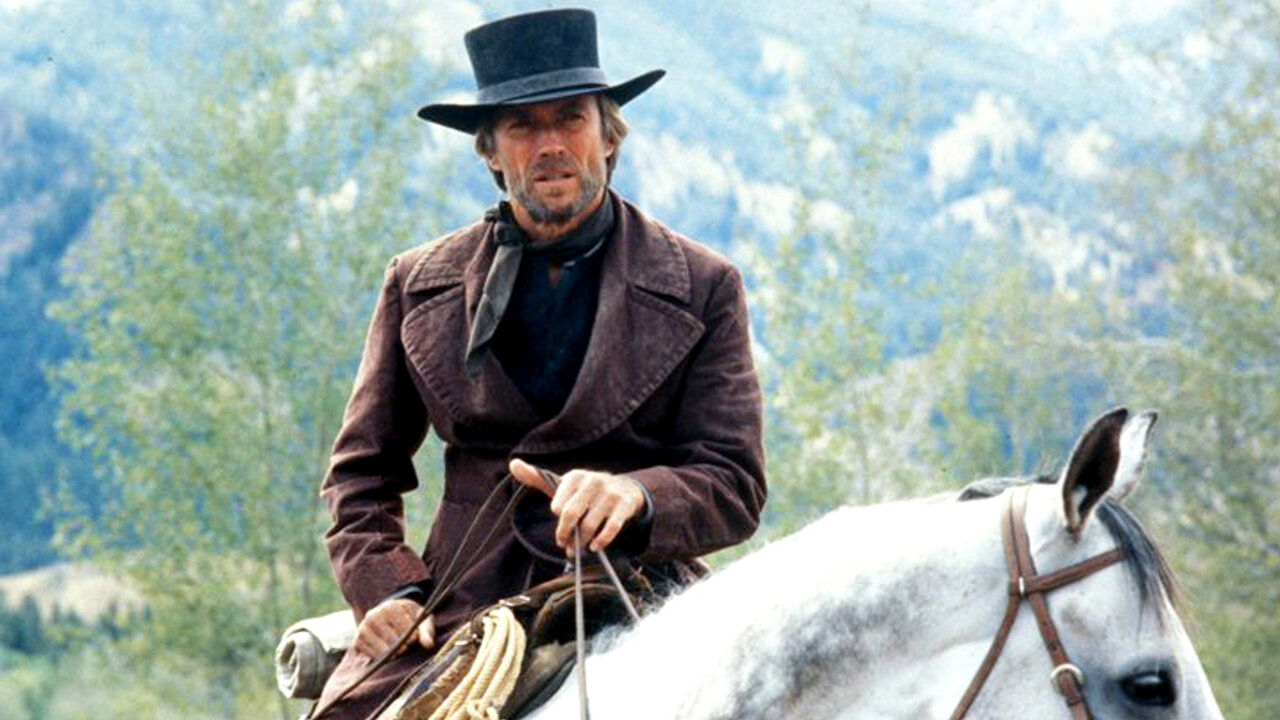
Pale Rider (1985)
Eastwood returns to the mysterious stranger archetype in this visually striking tale of justice and greed. With echoes of Shane, it became one of the most successful westerns of the 1980s.
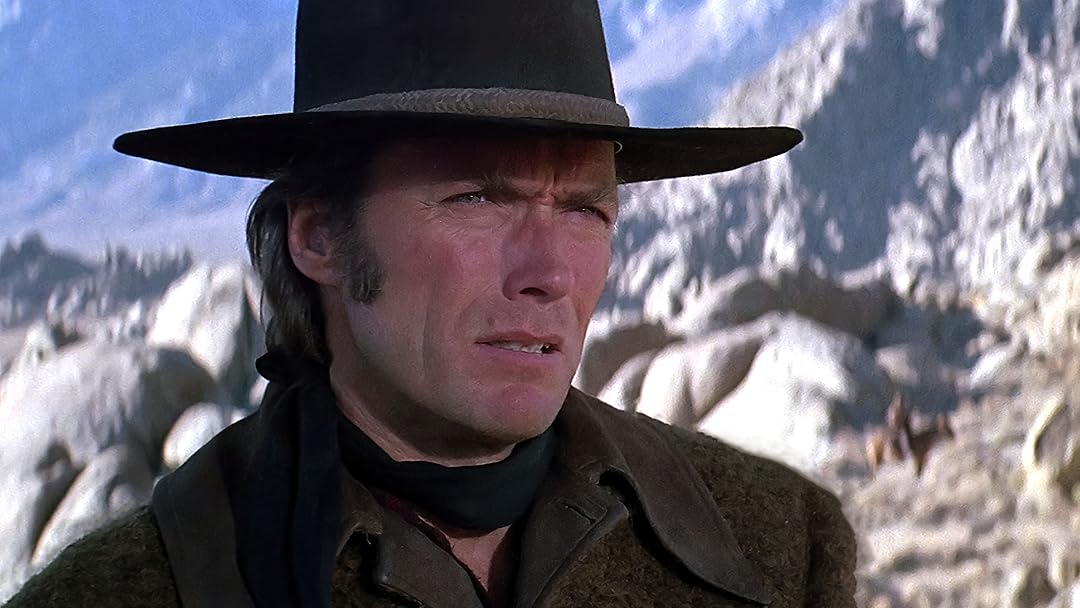
Joe Kidd (1972)
Often overlooked, this lean western finds Eastwood caught between power and principle in a land dispute set against the New Mexico frontier. It’s a reminder that even his lesser-discussed westerns still carry plenty of grit.