



How a governor’s broken promise of pardon pushed Billy the Kid toward a death sentence, a jailbreak, and immortality in Western lore.
On New Year’s Day 1881, two blocks from Gov. Lew Wallace’s office in Santa Fe, a prisoner asked for pen and paper.
“Dear Sir, I would like to see you for a few moments, if you can spare time,” William H. “Billy the Kid” Bonney wrote, reminding the governor of a promise made two years earlier — testify, and you’ll have “a pardon in your pocket.” The Kid kept writing, but Wallace never came. By spring, Bonney had a date with a hangman’s noose.
Two years earlier, Lincoln, New Mexico, attorney Huston Chapman had been murdered while investigating the role of Lt. Col. Nathan Dudley in the killing of Alexander McSween during the Lincoln County War the previous year. He had recently met with Wallace in Santa Fe, reporting that Dudley, the commanding officer at Fort Stanton, was directly responsible for McSween’s death.
Determined to investigate Chapman’s murder himself, Wallace arrived in Lincoln and urged anyone with information to come forward. Rumors spread that Billy the Kid had been a witness, but no solid leads surfaced.

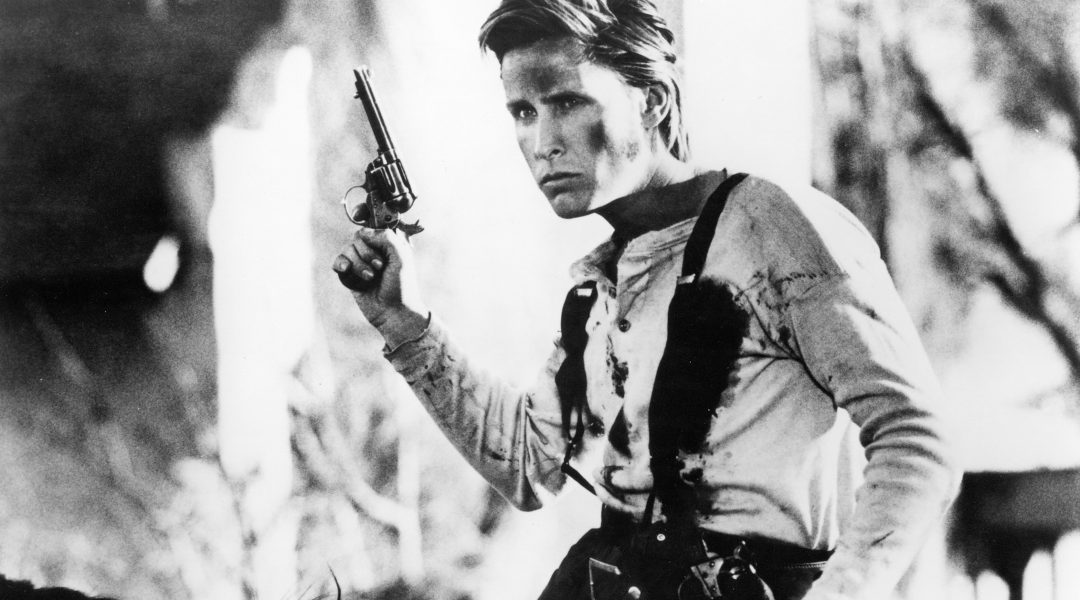
William H. "Billy the Kid" Bonney
Late that year, Wallace proclaimed “a general pardon” for all crimes committed during the Lincoln County War “between the first day of February 1878, and the date of this proclamation” (November 13). The offer excluded anyone already indicted — bad news for Bonney, who had been indicted for the murders of Lincoln County Sheriff William Brady and Andrew Roberts.
Bonney knew those indictments put him outside the general pardon, but he also knew the governor wanted a witness willing to testify about Chapman’s killers. From San Patricio he sent Wallace a letter offering to testify if the governor would annul the indictments against him.
Wallace replied the next day, instructing Bonney to come to Justice of the Peace John Wilson’s home in Lincoln “at (9) o’clock next Monday night alone. I have the authority to exempt you from prosecution if you will testify to what you say you know.” In that meeting, Wallace told him that, in return for identifying Chapman’s murderers, “I will let you go scot-free with a pardon in your pocket.”
When district court convened in Lincoln, Bonney kept his word and testified in the Chapman case. The grand jury later indicted James Dolan and William Campbell for Chapman’s murder and Jesse Evans as an accessory. Gov. Wallace asked District Attorney William Rynerson to dismiss the indictments against Bonney for turning state’s evidence. Rynerson refused. Their exchange grew heated — “sharp words passed between them.” Convinced a Lincoln jury would acquit the Kid, Rynerson sought and received a change of venue to La Mesilla, county seat of Doña Ana County.
Disappointed that his indictments were not dismissed, Bonney remained in Lincoln three more weeks, waiting for the gubernatorial pardon Rynerson could not block. On June 17, tired of waiting, he rode home to Fort Sumner.
A year and a half passed. Still no pardon. On December 3, 1880, the Las Vegas Gazette thundered about a gang of “forty to fifty men ... under the leadership of ‘Billy the Kid,’ a desperate cuss, who is eligible for the post of captain of any crowd, no matter how mean and lawless.”
The editorial gave Bonney an opening to reestablish contact with Wallace. He wrote: “I noticed in the Las Vegas Gazette a piece which stated that Billy ‘the’ Kid was the captain of a band of outlaws. There is no such organization in existence ... as for my being at the head of a band, there is nothing of it.”
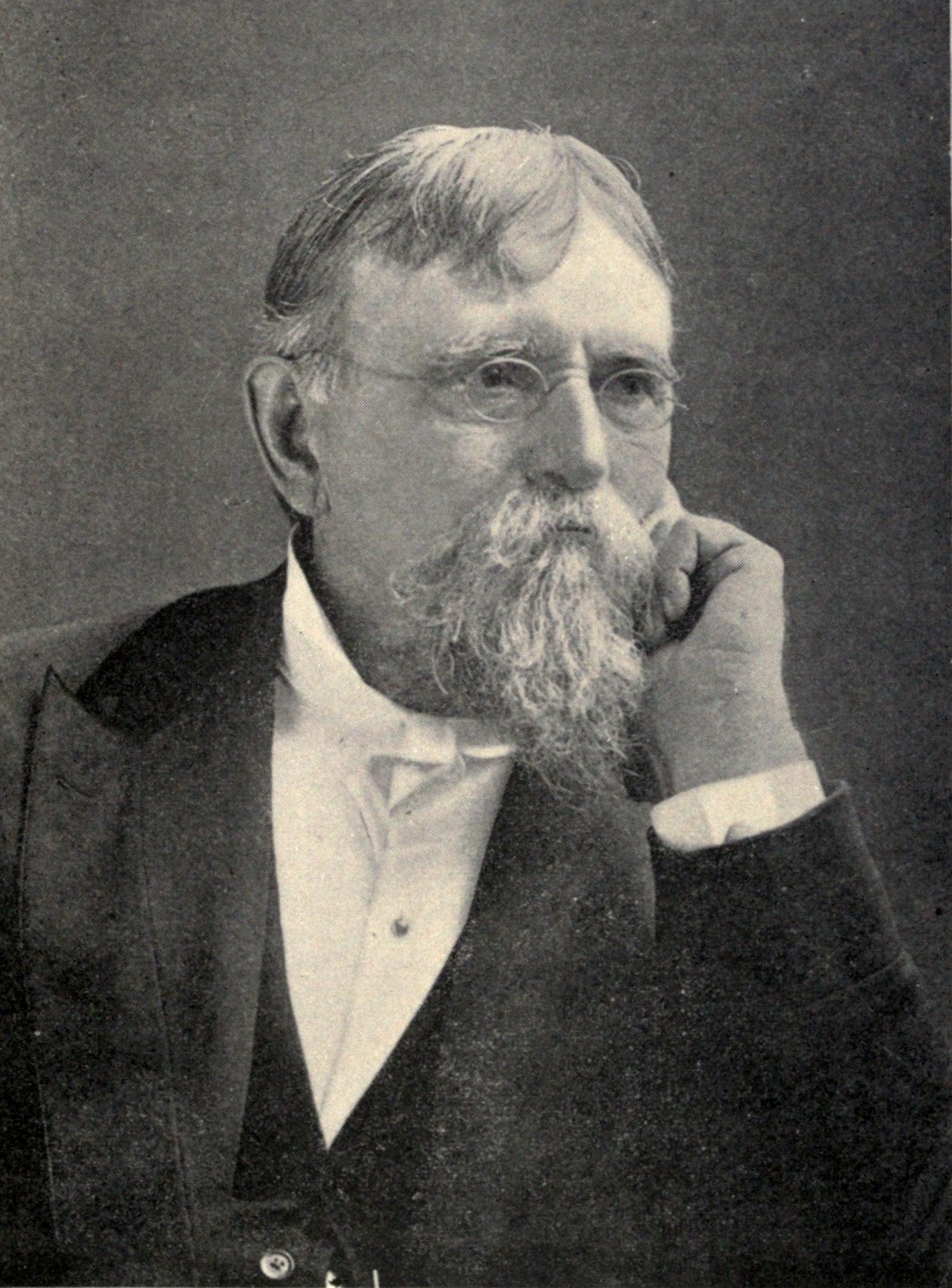
Gov. Lew Wallace
The day after that letter, Wallace instructed Territorial Secretary William Ritch to prepare a proclamation offering a $500 reward for the capture and delivery of William Bonney, alias Billy the Kid, to the Lincoln County sheriff.
Meanwhile, U.S. Deputy Marshal and Lincoln County sheriff-elect Pat Garrett rode for Fort Sumner with a posse. On December 23, at Stinking Springs, about 15 miles east of Fort Sumner, Bonney and three others surrendered. Four days later Garrett delivered them to the Santa Fe jail —only two blocks from Wallace’s office.
Two months had passed since Bonney’s first jailhouse note to Wallace with no reply. He wrote again: “Dear Sir, I wish you would come down to the jail and see me. ... I have some letters which date back two years. ... I will not dispose of them until I see you. That is, if you will come immediately.”
Two days later, anxious, he wrote once more: “I expect you have forgotten what you promised me this month two years ago, but I have not. ... I have done everything that I promised you I would, and you have done nothing that you promised me. ... I shall expect to see you sometime today.” Wallace never answered.
On April 9, a jury at La Mesilla found Bonney guilty of the murder of Sheriff William Brady and sentenced him to be hanged.
Before his transfer to Lincoln, Ira Bond, editor of the Mesilla News, asked whether he still expected Wallace to intervene. “Considering the active part Gov. Wallace took on our side and the friendly relations that existed between him and me, and the promise he made, I think he ought to pardon me,” Bonney said. “Don’t know that he will do it.”

"Old" Lincoln County Courthouse
Later that month, with Bonney guarded in the Lincoln County Courthouse, a Las Vegas Morning Gazette reporter asked Wallace about the Kid.
Reporter: “It looks as though he would hang, governor.”
Wallace: “Yes, the chances seem good that the 13th of May would finish him.”
Reporter: “He appears to look to you to save his neck.”
Wallace: “Yes, but I can’t see how a fellow like him should expect any clemency from me.”
The very next day — April 28, 1881 — while Sheriff Garrett was away collecting taxes, Deputy Bob Olinger escorted five prisoners across the street for a meal, leaving Deputy James Bell alone with Bonney. The Kid asked to use the outhouse behind the building, where he retrieved a pistol stashed by an old friend who had come to visit him. On their return up the stairs, Billy pulled the pistol on Bell, who struggled for the gun and then fled down the stairs. The Kid fatally shot him in the back.
Still in leg irons, Bonney seized a loaded shotgun and positioned himself at an upstairs window. As Olinger emerged on the street, Bonney shot and killed him. Billy the Kid then rode out of Lincoln — and into legend.
George R. Matthews is the author of Billy the Kid: The Life Behind the Legend. For a signed copy, contact Matthews at [email protected]. Read our full-length interview about his book on Writing the West podcast.