




Fort Worth horsewoman and businesswoman Stacie McDavid wears the crown of cowtown.
As dawn dapples the brick and cobblestone roads of the Fort Worth Stockyards, a sharply dressed cowgirl confidently rides a massive spotted brindle longhorn down its storied streets. Adorned in a smart felt hat, embellished blazer, and custom cowboy boots, Stacie McDavid masterfully handles the 2,000-pound steer with ease. In this quiet yet dazzling moment during a fall photo shoot, she embodies the fascinating dichotomy that made the cowgirl a cherished folk hero in American culture: poise with exacting proficiency.
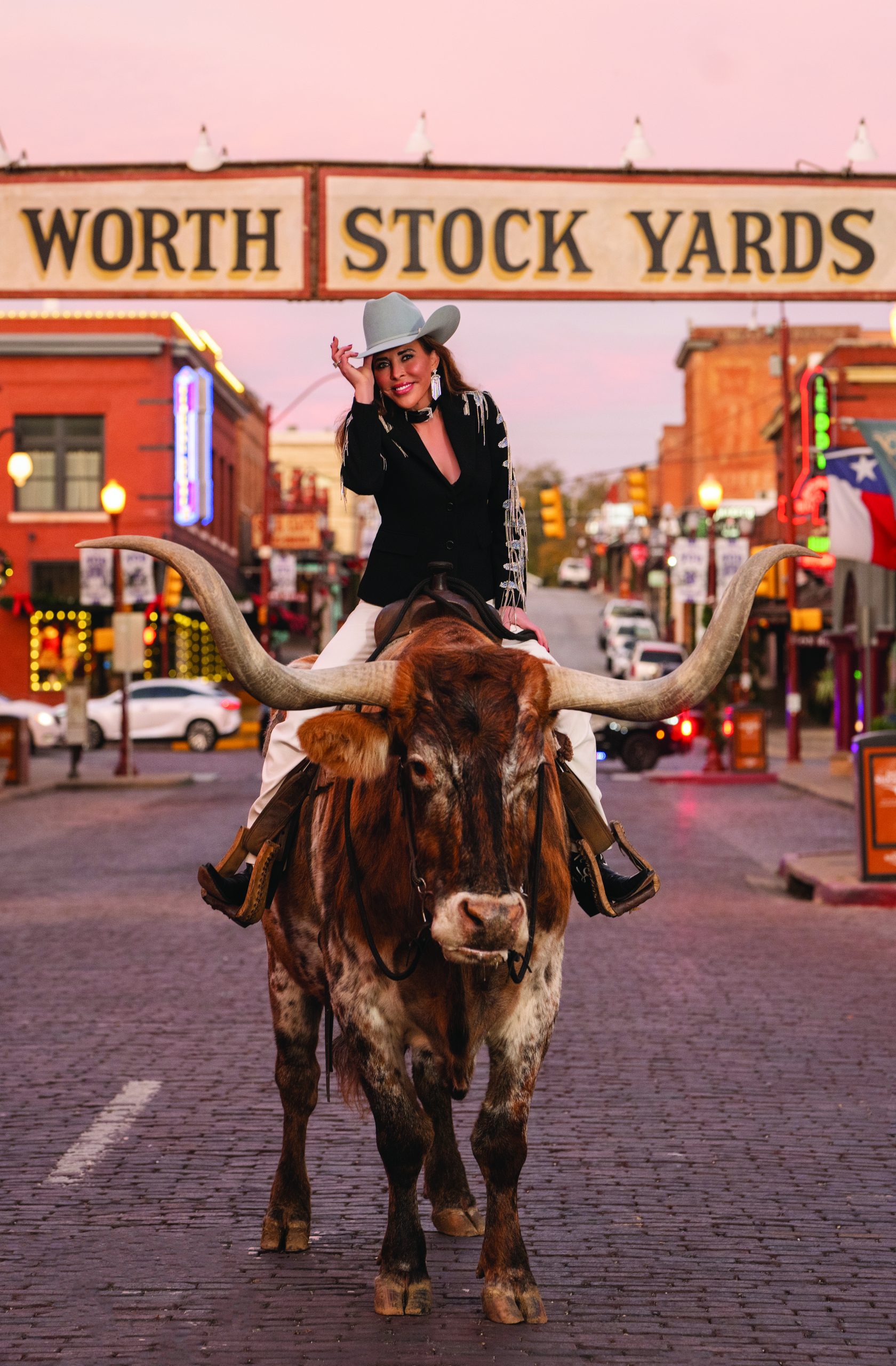
Hugged by the Trinity River, the Fort Worth Stockyards was a strategic epicenter for the cattle industry of the 19th century. First by famed cattle-drive routes like the Chisholm Trail and later essential railroad lines, the town handled and transported millions of cattle. The early success of Cowtown brought complementary cowboy accommodations like a coliseum (location of the first indoor rodeo) and dance halls (a precursor to the famed Billy Bob’s Texas). This ethos still permeates the city to this day, but now with a new level of refinement. An influx of museums, a thriving arts scene, and a surging tourism economy have established it as a world-class city.
Fort Worth has many monikers, but the “Queen City of the Prairies” has an appropriate ring, and in modern times Stacie McDavid wears its crown. The 69-year-old Fort Worth cowgirl has a dizzying list of accolades that would be tiresome to write if not so wildly impressive. A top athlete in the National Cutting Horse Association (NCHA), with earnings well over $1 million, she was inducted into the NCHA NonPro Hall of Fame in 2013, the Texas Cowboy Hall of Fame in 2014, and the National Cowgirl Hall of Fame in 2019 — where she serves as vice president. She oversees the successful McDavid breeding, training, and ranching operation, with proven champions like Hes A Peptospoonful.
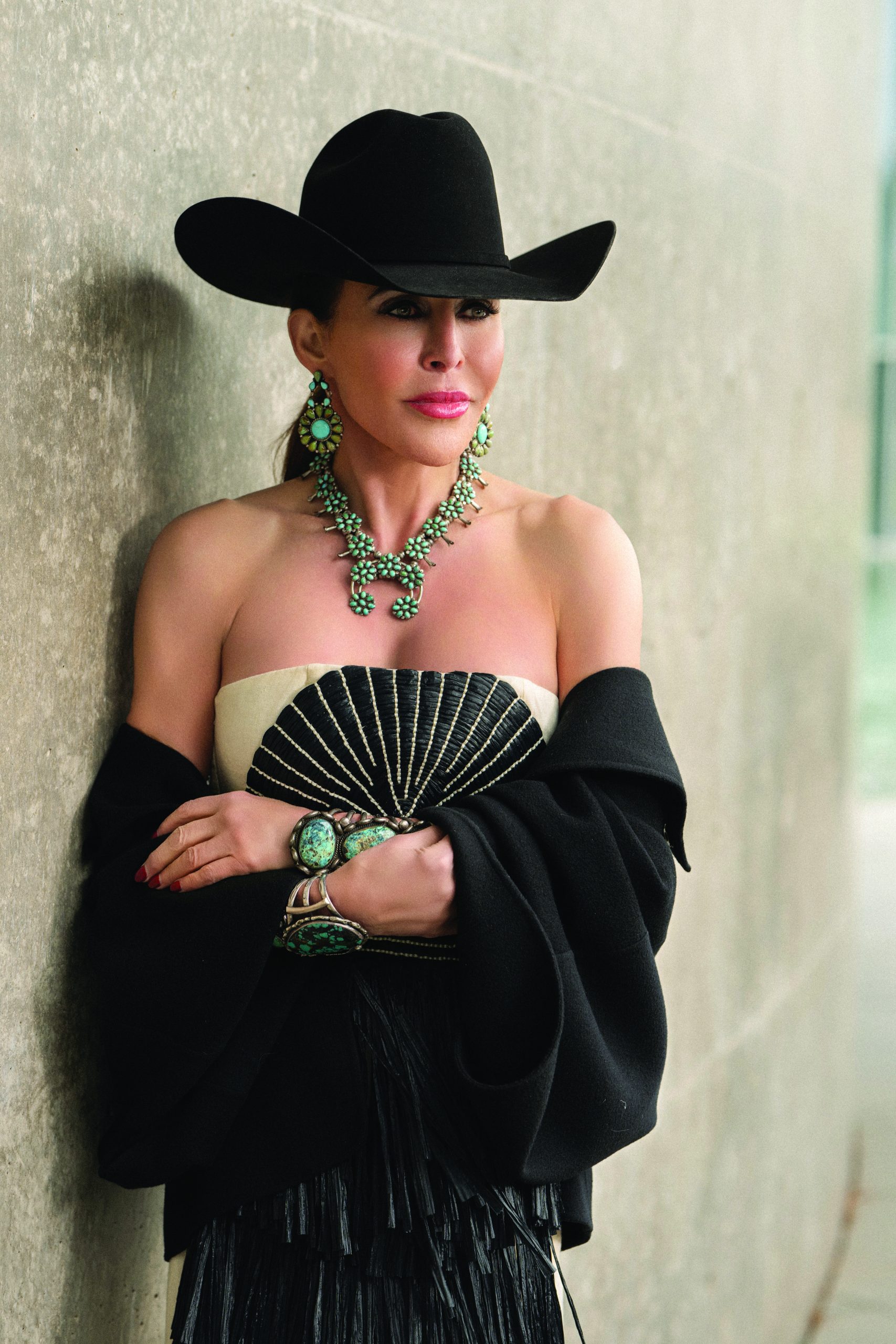
Independent of her equestrian pursuits, McDavid is a savvy businesswoman and dedicated philanthropist. Her first foray into business was a fitness-center franchise, which she grew to 32 locations by the age of 22. She was a key player in the automotive industry along with her husband, David McDavid, and is the current CEO of McDavid Investments Company. She recently served as chair and presiding officer of the Texas Woman’s University System Board of Regents, and she created a scholarship program for Denton High School, her alma mater, providing a full ride and mentorship for five graduates annually heading to Texas Woman’s University. Throughout the years, she has served on numerous nonprofit boards and assisted in the development of many museums and foundations.
The best part of it all? With all of her impressive achievements, she could choose to be distant or aloof and hit pause on public life, but she does the opposite. Conversations with her are down-to-earth and an opportunity to shake off stereotypes of the successful. “I do as much right as I can and follow my gut,” she says during a phone call. “I strive, not for perfection, but for excellence in everything I do. Do I rest on my laurels? No, never have. I’m like an old Belgian horse. I put my blinders on, and once that brass ring has been grabbed, I move on to the next deal.”
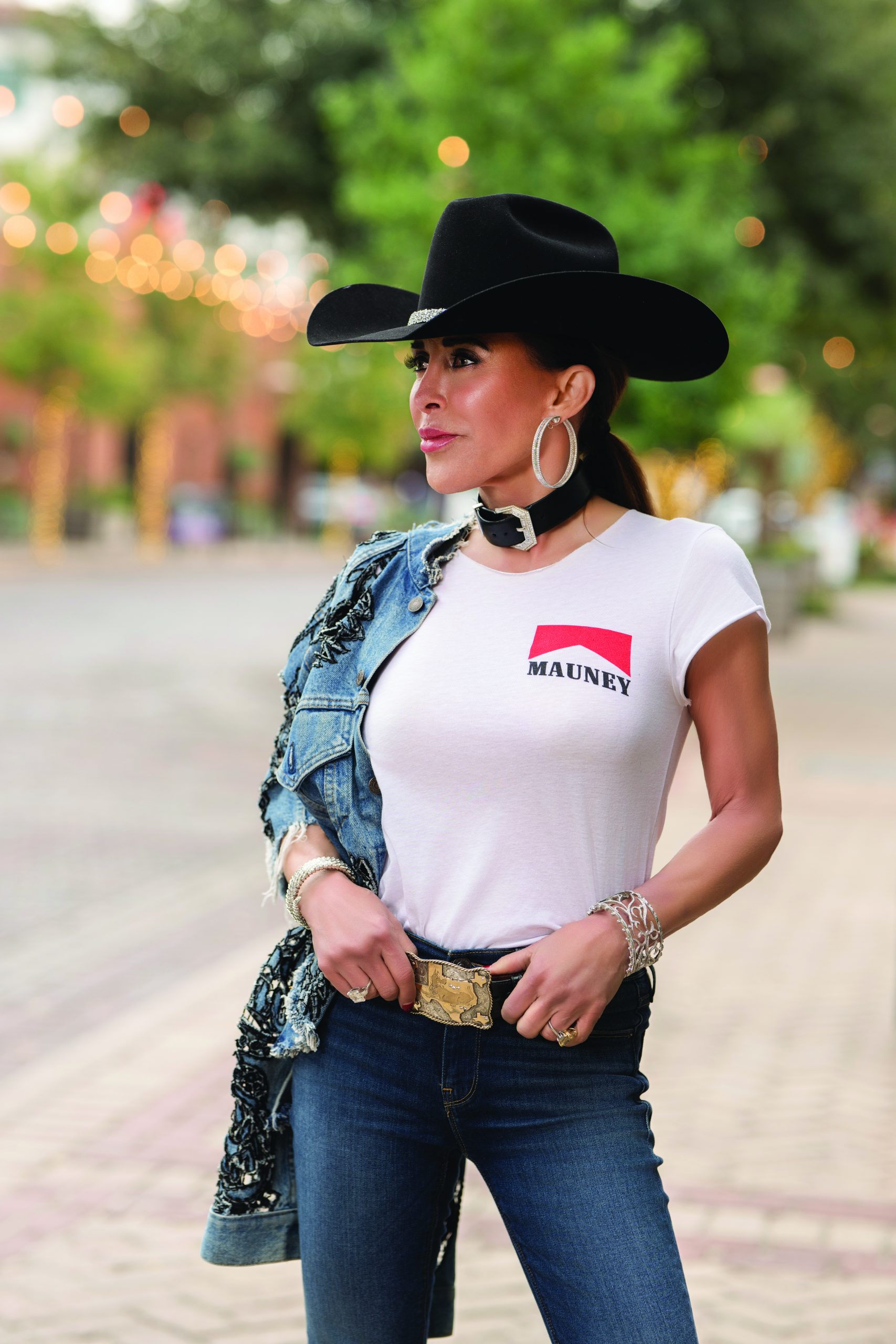
Her story is one of hard-earned adaptability. A third-generation Lebanese-American growing up in a middle-class family in Denton, Texas, at the north end of the Dallas-Fort Worth metro area, McDavid lost her mother to cancer when she was 10 years old. “I always felt different from my peers. I am Lebanese and Cherokee. My mother passed away at the age of 28. My father was 33, and we had a 1-year-old baby at the house. My father was having trouble holding it together. From an emotional and mental standpoint, I didn’t have a choice. I had to raise my two siblings.”
Despite tragedy, McDavid acclimated. Her father, a coach and chemistry teacher, would have the kids watch his teams play and dissect the nuances of the sport and would quiz them on baseball stats around the dinner table. McDavid would occasionally ride her aunt’s scrappy Shetland pony, dodging tree branches while navigating in a hackamore. She remembers watching her 70-year-old grandmother galloping horseback across a field full of divots and holes, racing McDavid’s greataunt. “It looked like a derby to me,” she says. “I was astonished at what great horsewomen they were. At the time I didn’t know our family had that ability.”
McDavid was athletically gifted but had limited options as a female competitor. In high school, she aspired to be on the football team but was turned down by the coach. “Stacie, you are way before your time,” she remembers the coach telling her. “We can’t take the heat from the press. You’re the first girl in Texas to actively ask.” Deciding between being resentful and proactive, she chose the latter and joined the cheerleader team. Before cheering, she’d occasionally warm up with the football team and had such a strong arm that she could throw footballs out of the stadium. Hundreds of folks would gather in excitement to catch the balls she lofted out onto the street. “I never thought anything about it at the time,” McDavid says. “I just thought it was slightly amusing.”
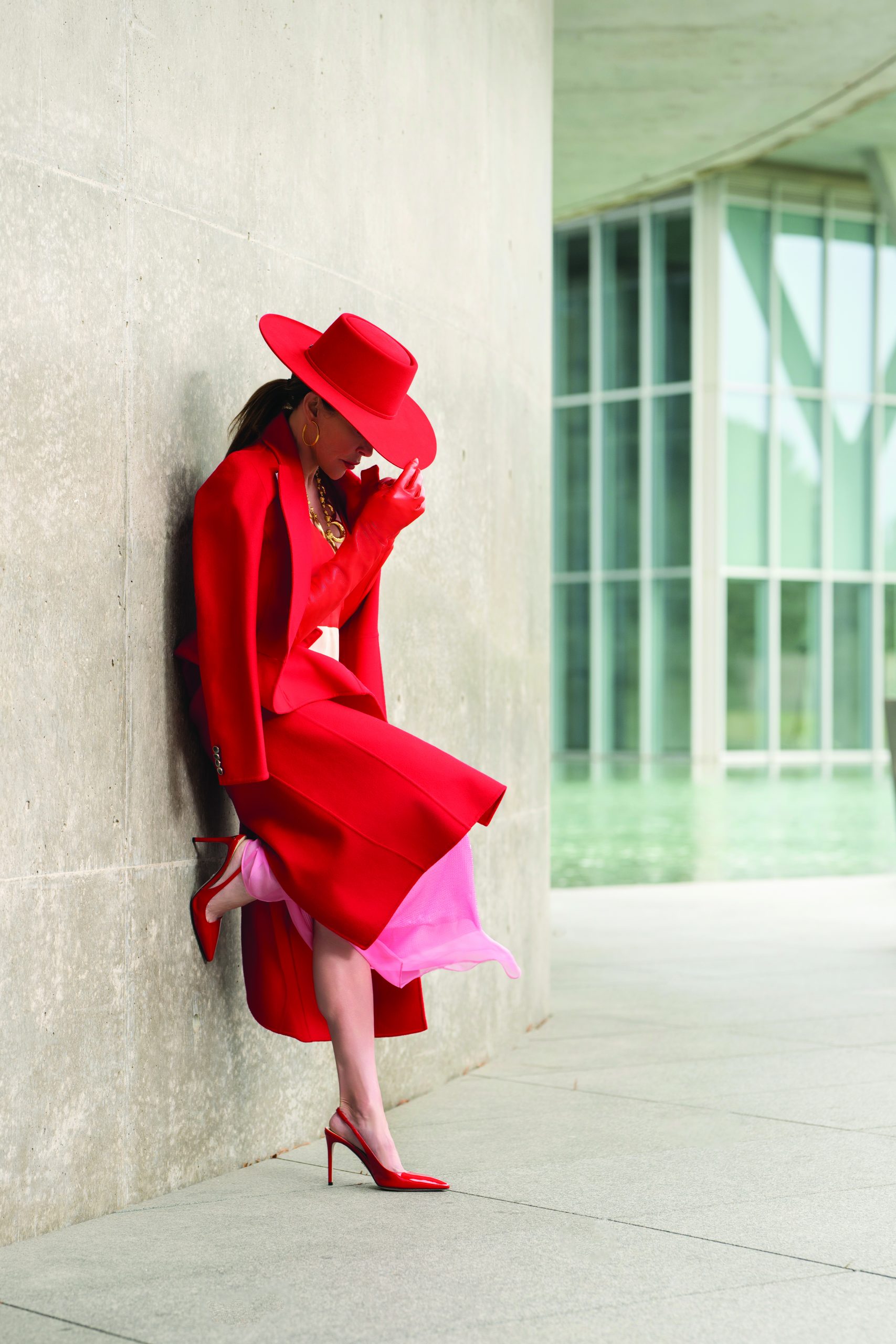
Serendipitously (or perhaps fatefully) Bert Lyle, the track and field coach from Texas Woman’s University, saw McDavid throw and offered her the equivalent of a full ride with a javelin scholarship to their highly competitive track and field team—an unheard-of opportunity for a female athlete in 1974. “My patience in the stars aligning, not getting mad at our football coach, and taking note of what he said ended up with a scholarship,” she says. “It felt like divine intervention.”
McDavid continued to excel in athletics, working in gyms through college and expanding a successful fitness franchise from the mid-1970s until the early 1980s. “By 23, I was judging major bodybuilding championships. I was on the cutting edge with Arnold Schwarzenegger, Franco Columbu, Joe Weider, and Arthur Jones. I knew all of them.” McDavid also started judging beauty contests, but the premise didn’t resonate with her. She was more interested in athletics than aesthetics. “I’ve always wanted to be a woman of substance, not just focused on the exterior,” she says. “To me, that’s what matters most.”
In 1980, set up by a matchmaker, Stacie met David McDavid, an automotive businessman. She agreed to a 10-minute cocktail hello, but it turned into a four-hour conversation. The two were incredibly compatible, and marriage quickly followed. With the new partnership, David asked Stacie to step aside from her work to help with his business. “My identity was so tied up with sports and with breaking glass ceilings,” she says. “I wouldn’t say departing from the fitness franchise was rough, but it was an adjustment.”
Becoming a critical part of the growing automotive empire, she found a new glass ceiling to break. Predominantly a man’s industry in the 1980s, Stacie brought a new perspective. “I was privy to everything. We knew Mr. Honda. I was the first woman n those meetings and in those rooms.” The McDavids brought more women into their business, and it flourished. “David was very open to that. It was very unusual for a Texas cowboy in the 1980s to be receptive to women in the boardrooms.”
After they welcomed a daughter, Sterling, David encouraged the family’s equestrian pursuits. “David said, ‘I can’t raise a daughter in Texas, and she not know how to ride.’ Riding became a family sport for us,” McDavid says. She began competing—and winning—in the cutting horse world. “I tell folks I got my bachelor’s from Terry Riddle, I got my master’s from Gary Gonsalves, and I got my Ph.D. from Clint Allen.”
Becoming a multimillion-dollar rider, McDavid won the AQHA World Amateur Cutting Championship in 2016 and was Reserve World Champion in 2017. Along with the intense dedication needed for arena success, McDavid nurtures the primal bond she has with horses. “I can look at a horse and connect with a horse. I can call my horses up to me from the pasture. I breathe into their muzzle, and they know me,” she says. Between her equestrian accomplishments and philanthropic heart, McDavid was a natural fit as vice president of the National Cowgirl Museum, an organization she helped raise $45 million for to help open its doors in Fort Worth in 2002.
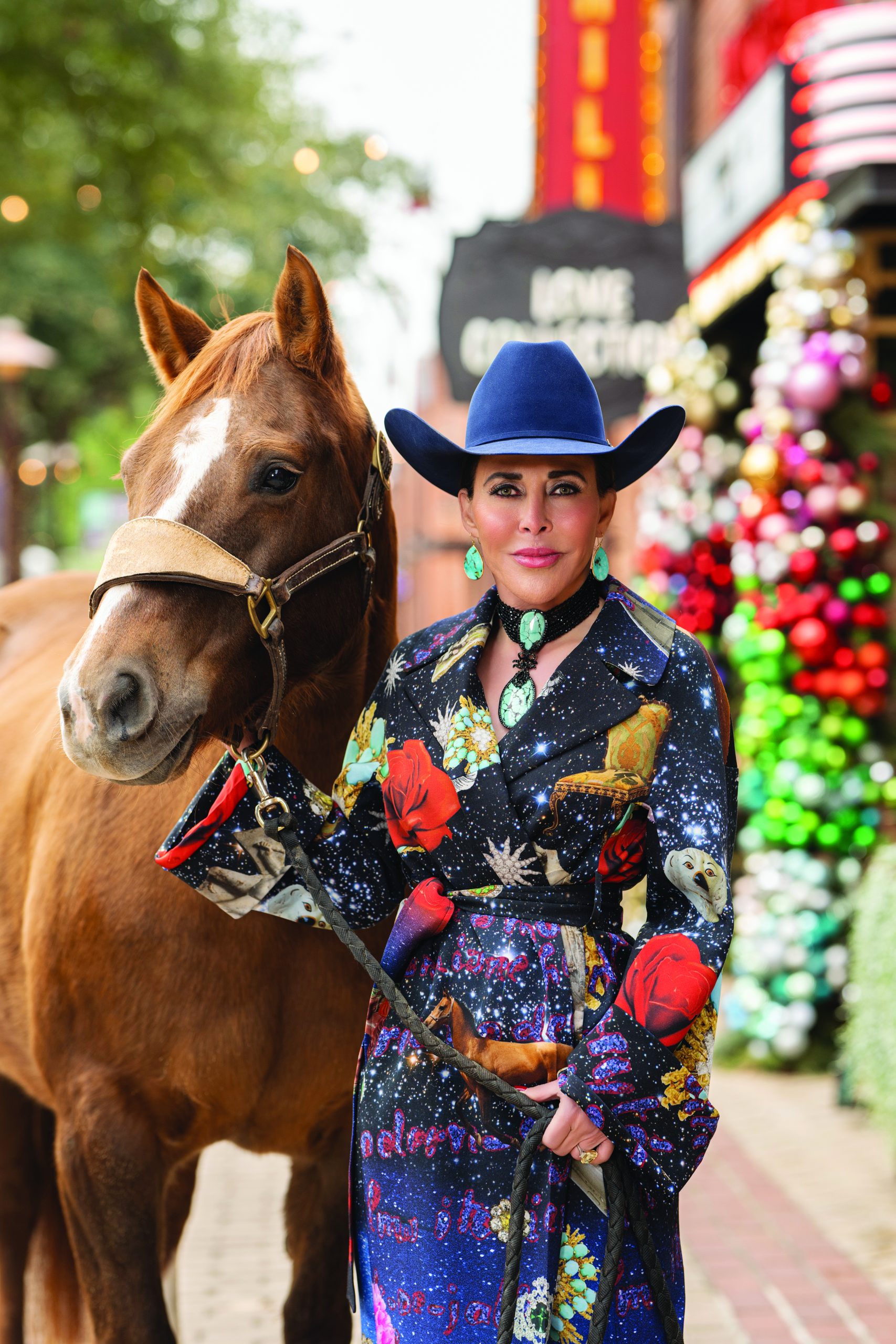
With all her achievements, aspirations, and demands on her time, it’s apt she calls herself a professional plate spinner. But sometimes, the plates fall. “You know what happens? It happens to all of us, and it happened to me last year. I looked down and half my plates were on the ground.” Her father passed, her husband was in the hospital, her daughter was having pregnancy-related health issues, two of her horses died in a tragic trailer accident, and she was recuperating from a neck and back surgery. “Then you have to decide, what am I going to do? How do I recover from this? Well, guess what we do as cowgirls? We keep going.”
That cowgirl spirit— “grit, perseverance, and patience”—is something McDavid has in spades. That character and the gumption to go all in on life’s lessons have taken this scrappy middle-class gal from Denton, Texas, to the top.
Don’t be passive. Trust the unfolding of your life. Be ready to tackle the next obstacle.
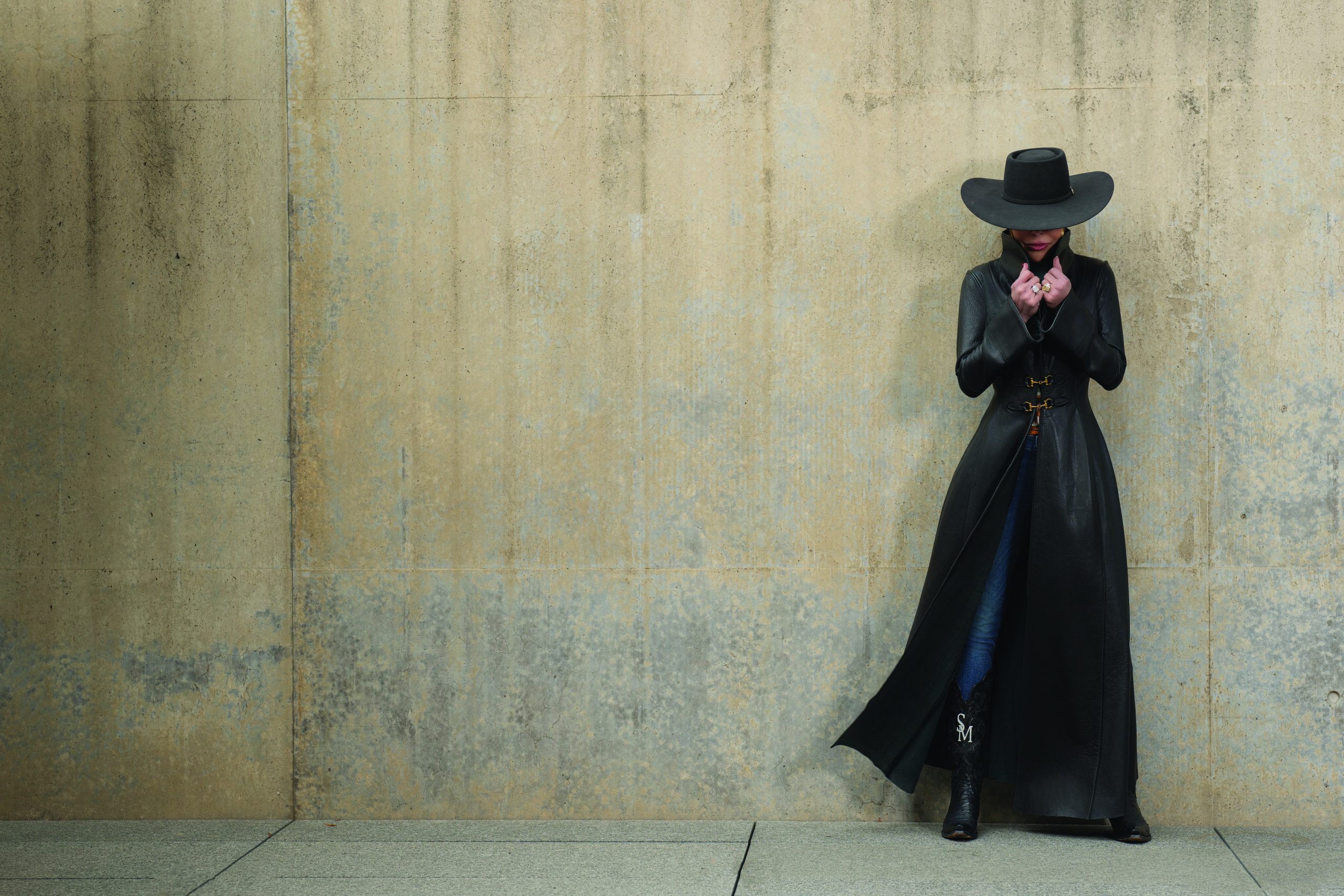 As she rides through the famous Fort Worth Stockyards on a longhorn steer, it feels like a victory lap, in a city she has helped build, and in turn, has built her. A place worthy of a great cowgirl.
“When they take me out of here,” she insists, “they’re going to have to take me out feetfirst.” With her boots on no doubt.
PHOTOGRAPHY: Dixie Dixon