



Visit this enchanting "Center of Adventure" town in Arizona, and your outlook might never be the same.
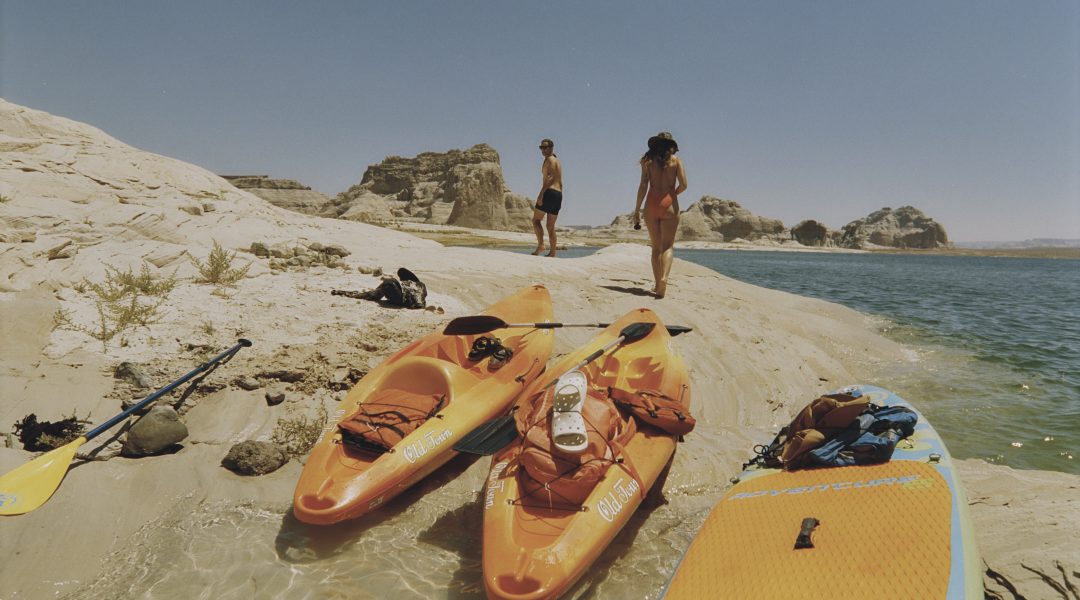
The boat chugged along, barely moving, the leisure surrounding us. Gray-white walls climbed 100 feet straight up on either side of the Colorado River. Achingly blue sky provided an endless ceiling. Straight ahead, the river meandered toward the Grand Canyon as it carved the walls that enveloped us.
I walked upstairs on the houseboat and somehow the scope of the magnificence swallowed me even more deeply.
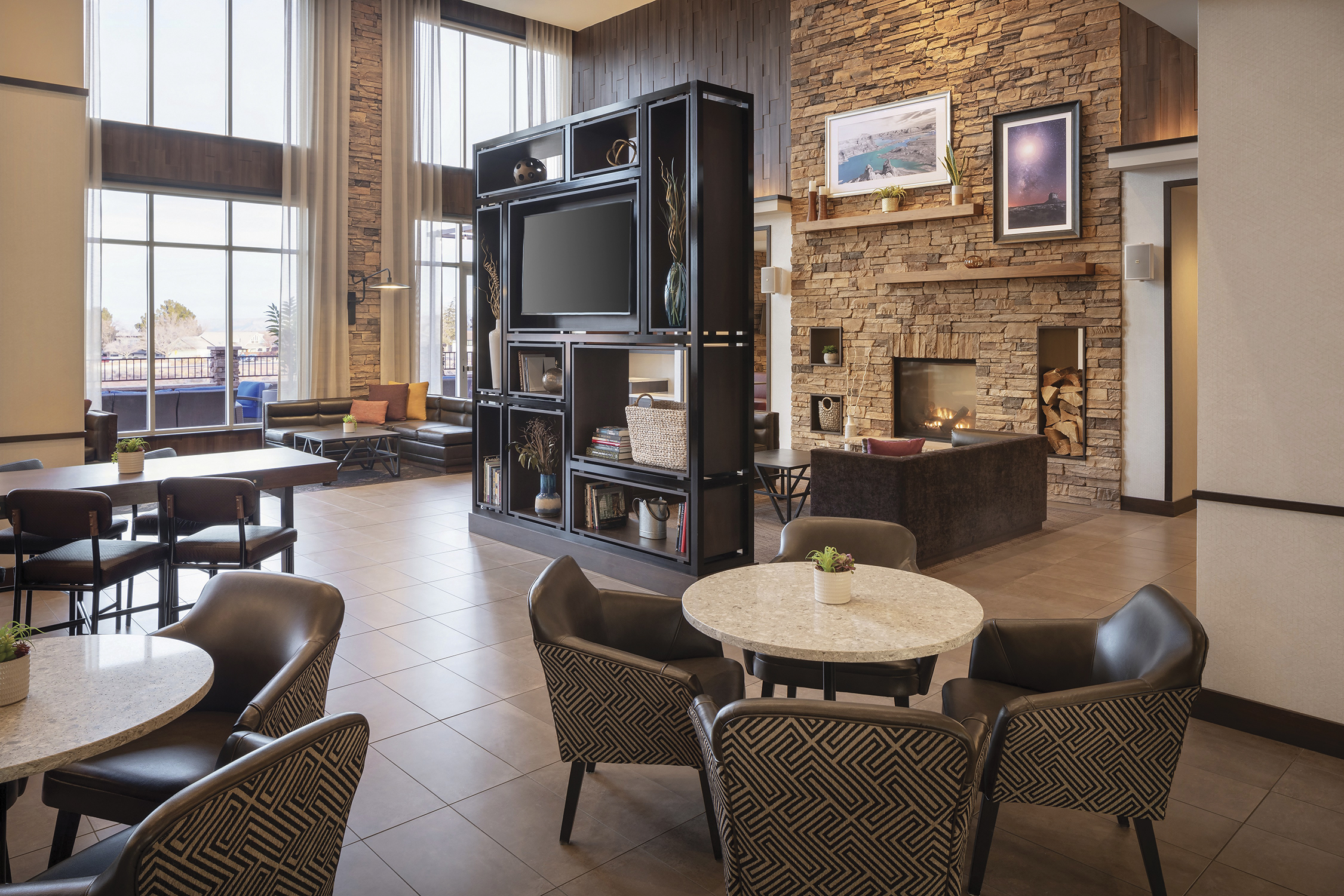
Later, I described this, or tried to, because it’s hard to put transcendent beauty into words, to the incomparable Nadia Santacruz, who used to run the feels-like-a-boutique Hyatt Place where I stayed in Page, Arizona.
Credit: Ashley Scott
She smiled a knowing smile — she’s heard from others and felt herself what I meant. She articulated what I thought but had not yet found words for: The scenery in Antelope Canyon acts on you like a magnet, drawing you in, binding you to the moment, and demanding you stay connected to it. You simply can’t look away.
Usually it takes hours if not days for me to reach deep emotional attachment to a place. In Antelope Canyon, in the northwest corner of Arizona, I needed only a few minutes — the time it took for the Antelope Point Marina (from which our rental boat ride originated) to fade into the distance.
Only later did I remember the music playing on the boat, loud enough to sear itself into my memory but not so loud as to interrupt my reverie.
It was a Taylor Swift song called "Enchanted."
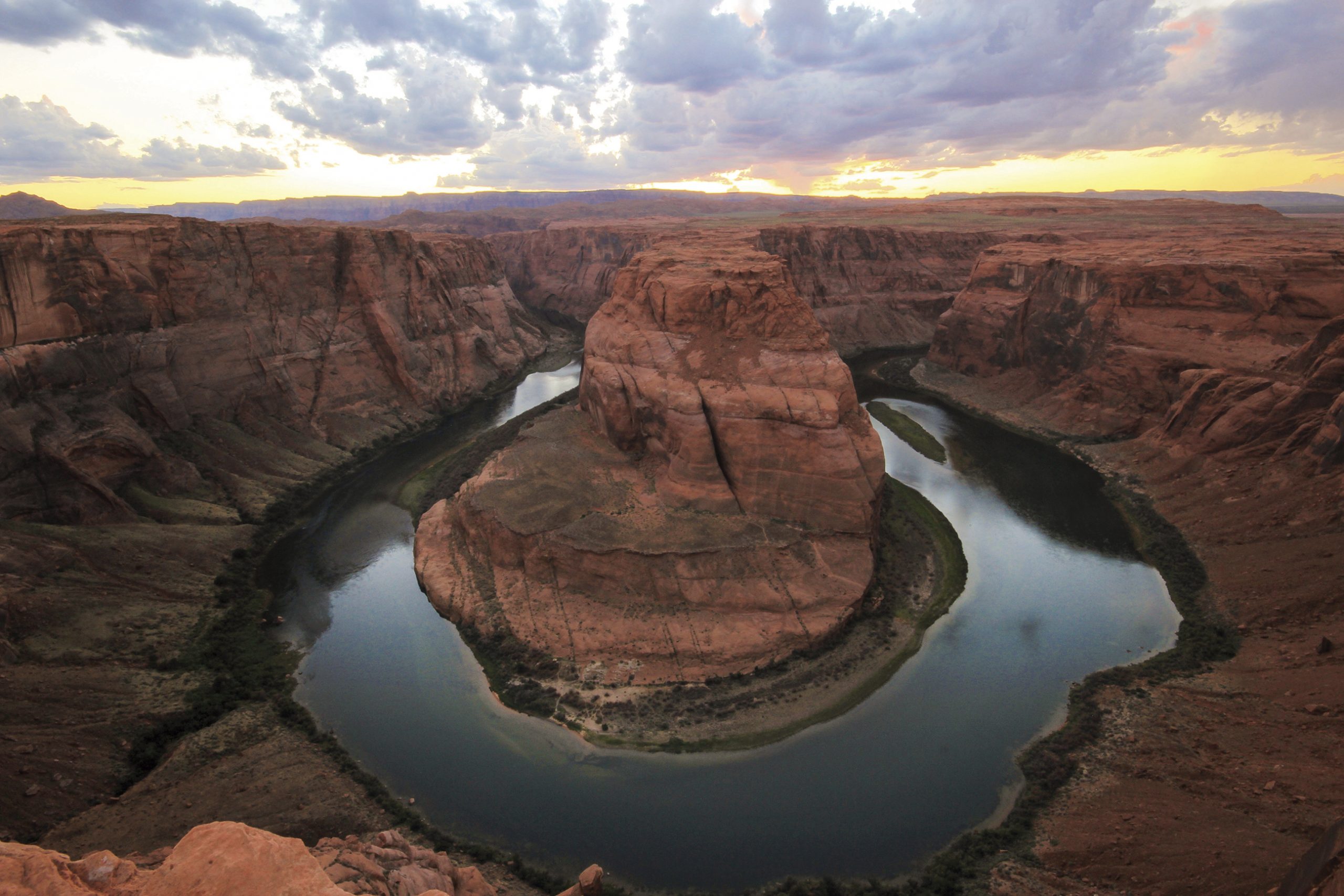
That word captures my emotional state throughout my three days in Page. Never before has a place changed the way I experience the traveling life. And I have the people in Page, and the way they manifest their love for their hometown, to thank for that.
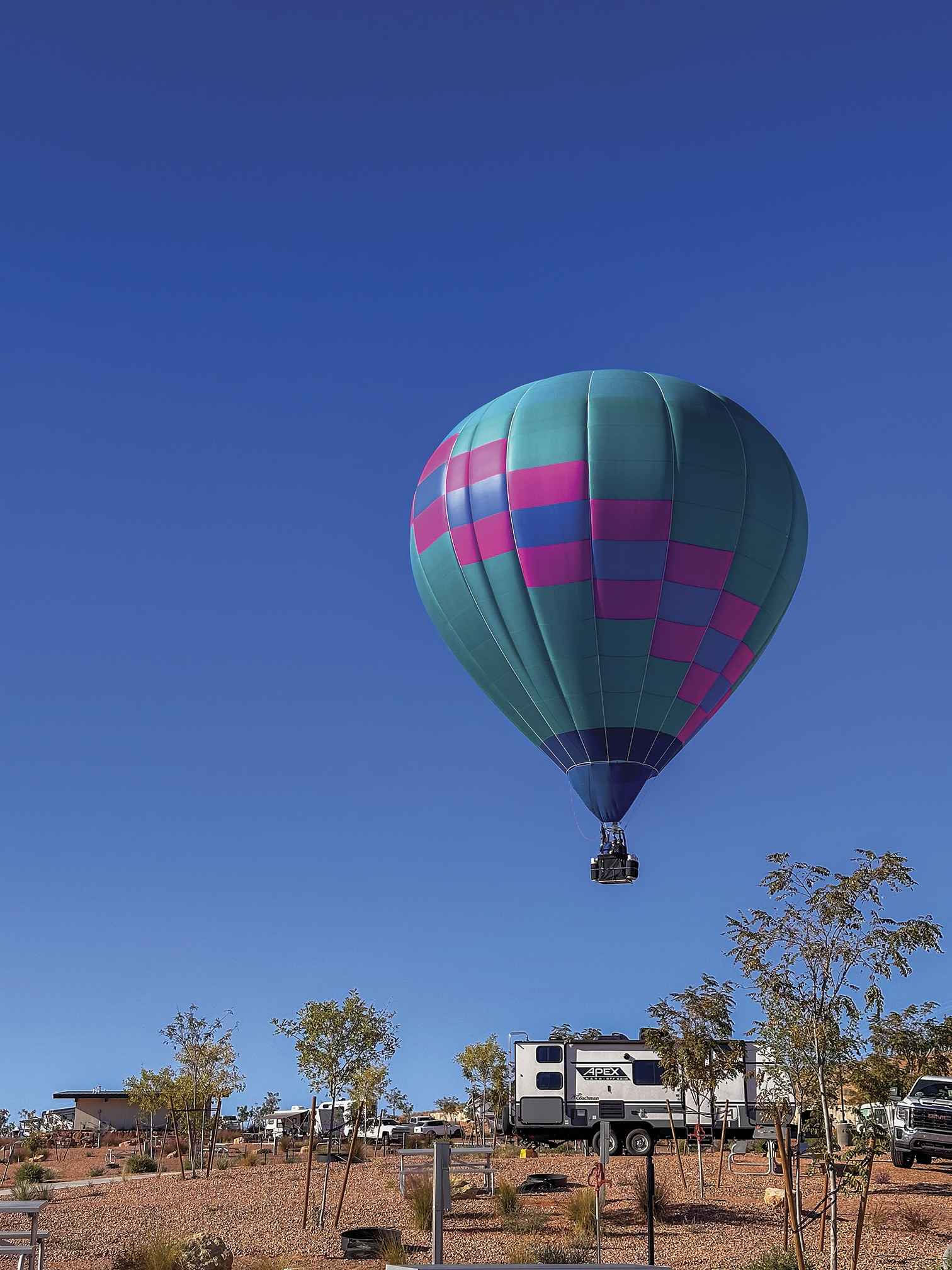
Page, which is two and a half hours by car from the North Rim of the Grand Canyon, uses the tagline "The Center of Adventure." If you can do it outside, you can do it in or near Page. There’s kayaking and boating and fishing and camping and hiking and jet skiing and waterskiing and more.
That’s my love language. When I travel, I want to be outside, pushing, sweating, striving, and, above all, experiencing.
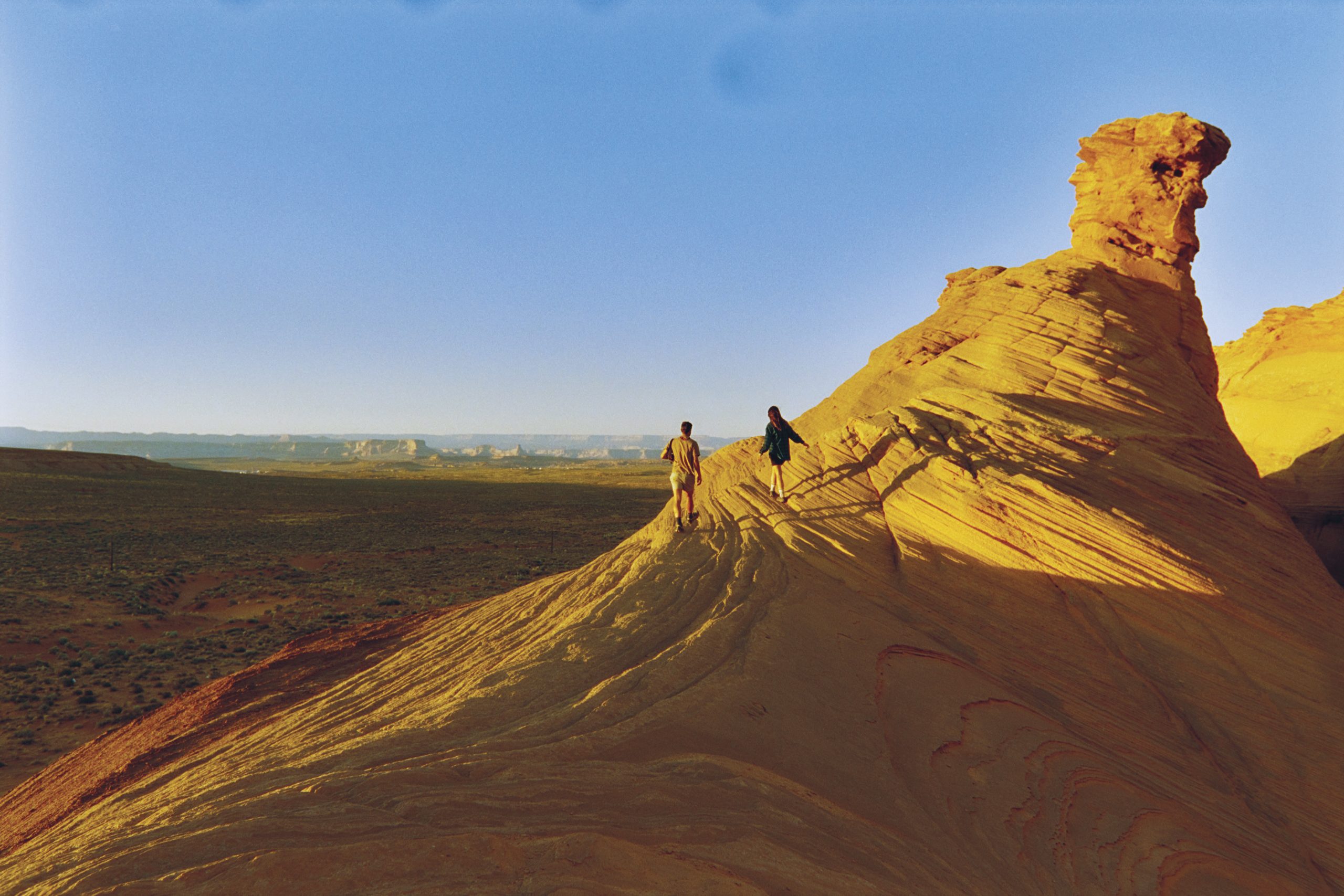
But as much as I love all of that, what thrilled me the most in the time I spent in Page required zero exertion. I simply pointed in wonder, exulted in awe, and gaped in slack-jawed amazement at the raw, vicious, massive, scary, overwhelming, intricate, finely tuned beauty in every direction.
Imagine a sculptor waving her hands, spasmodically, furiously, intently, and sand walls rising and falling at each command. Those walls shake and shimmy and heave in and out and suddenly freeze in place, immobile but not unchangeable.
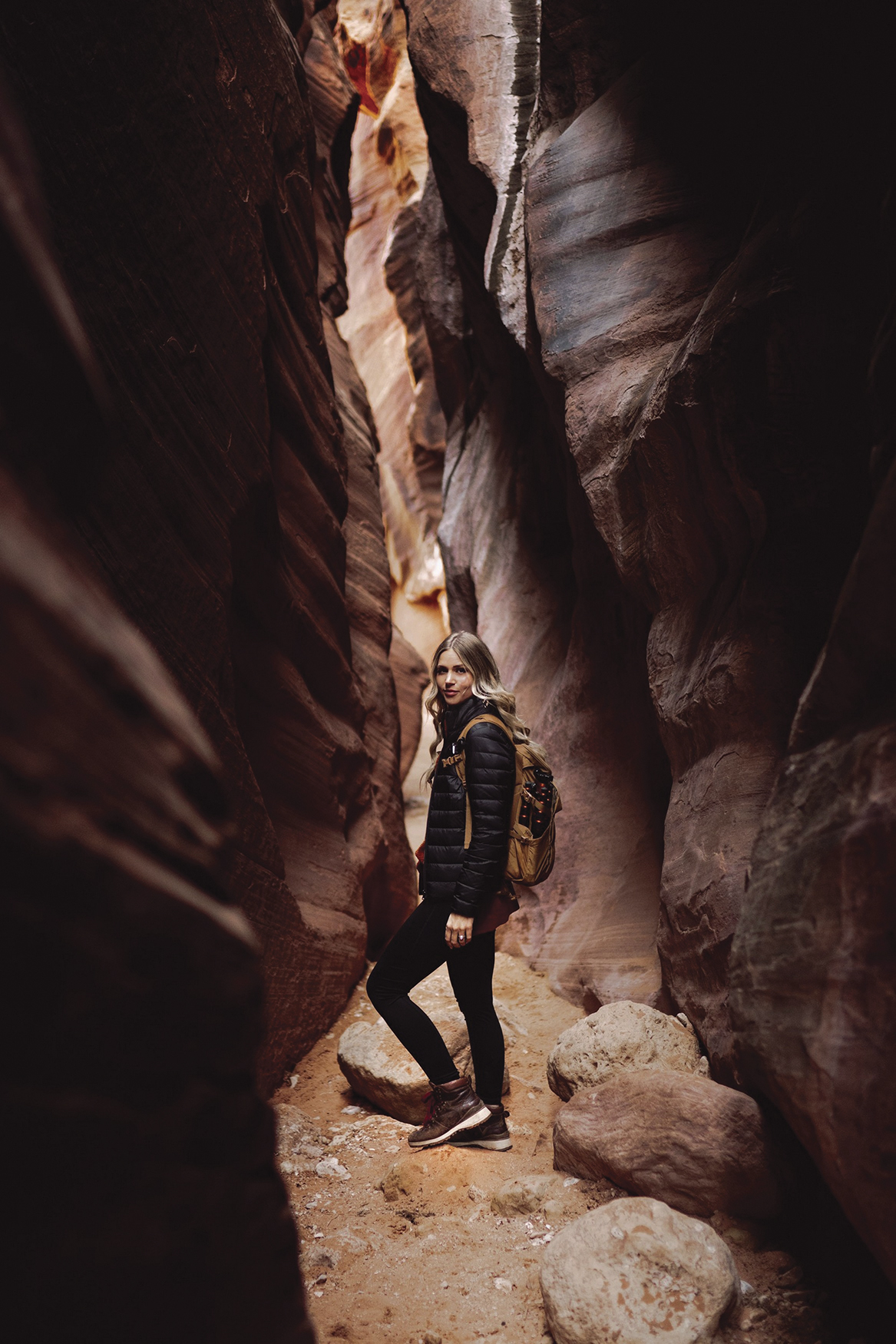
That’s what walls in Page’s innumerable slot canyons are like—cliff faces as viewed through a fun-house mirror. This is nature at its most unpredictable: The walls climb up, up, up, to your right and left, never straight, never consistent, all waves and jiggles. They appear random, abstract, and would seem like a hallucination if you couldn’t reach out and touch them.
To look at them is to stick your head in a lava lamp.
Walking through slot canyons, squeezing yourself through narrow openings, ducking under overhangs, it almost feels like you caught nature in the middle of forming itself. Alas, no matter how many times I turned around quickly to try to catch it in the act, I never did.
We stopped near a cave inside Secret Canyon that Navajo consider sacred. Only because medicine men perform cleansing ceremonies there would Jeri, our Navajo guide through Horseshoe Bend Slot Canyon Tours, lead us across that section.
The history of this region and the Navajo people who love it and have inhabited it for centuries give everything a sheen of permanence. But slot canyons are anything but that. They change subtly with every drop of water, every gust of wind, and every grain of sand that rubs along their walls. Just a few weeks earlier, Jeri said, Secret Canyon was three feet deeper.
As she said that, she happened to be standing on a spot that looked like an altar. And, she said, people do in fact sometimes get married there. The altar is one of many otherworldly spots in the five canyons that my group toured that look like something in the "real" world.
Our guides pointed out a mummy and Abe Lincoln and a bear, and sometimes I thought, Well, yeah, kinda sorta, maybe if you squint and hold your head at just the right angle when the light hits it correctly; and sometimes I nodded, even though I thought they were pulling my leg.
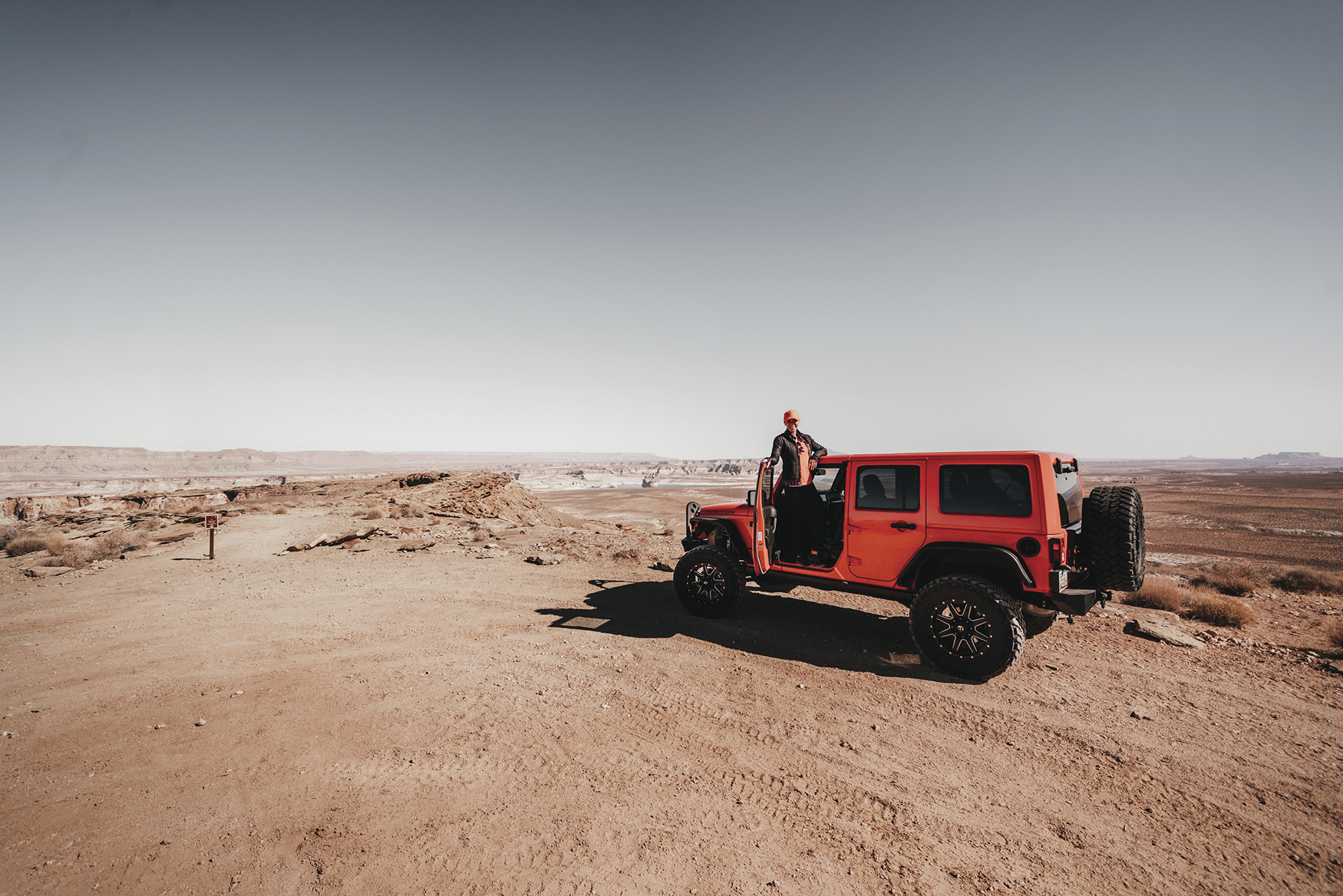
I became a believer when Jarrin Curley, our tour guide that day through Adventurous Antelope Canyon Tours, asked if any of us were Star Wars fans and I saw Baby Yoda on the wall before he traced it with his laser.
In addition to what was there, I also noticed what wasn’t.
Credit: Ashley Scott
There was no noise, except voices and footsteps. There was no smell, except sun on ancient Navajo sandstone.
And there were barely even any creatures. Which is not to say zero.
One of the canyons is called Rattlesnake because the owner of the tour company saw two babies near the entrance. Curley waited until we walked past where those snakes lived to tell us about them. He also told us a secondary reason the canyon earned its moniker — because the trail at its bottom slithers like a snake — but nobody heard that part because we were too busy thinking about, looking for, and plotting our escape from rattlesnakes.
Choosing my words carefully: I would have loved to see a rattlesnake much more than I wanted to see one on this (or any other) tour. Alas, in visits to five slot canyons, we saw only a couple (monstrously big) spiders, a handful of lizards, and a majestic owl.
The owl had spent her life guaranteeing we’d see a handful of lizards instead of dozens, and those lizards likewise explain why we saw only a couple (monstrously big) spiders instead of a ton.
Just as the owl lives at the top of the slot canyon’s food chain, she also sat at the top of the slot canyon perched on a ledge. She blinked a few times, swiveled her head when we moved, and shrugged her shoulders. She remained at her spot even after we walked to the dead end of the slot canyon, turned around and walked back.
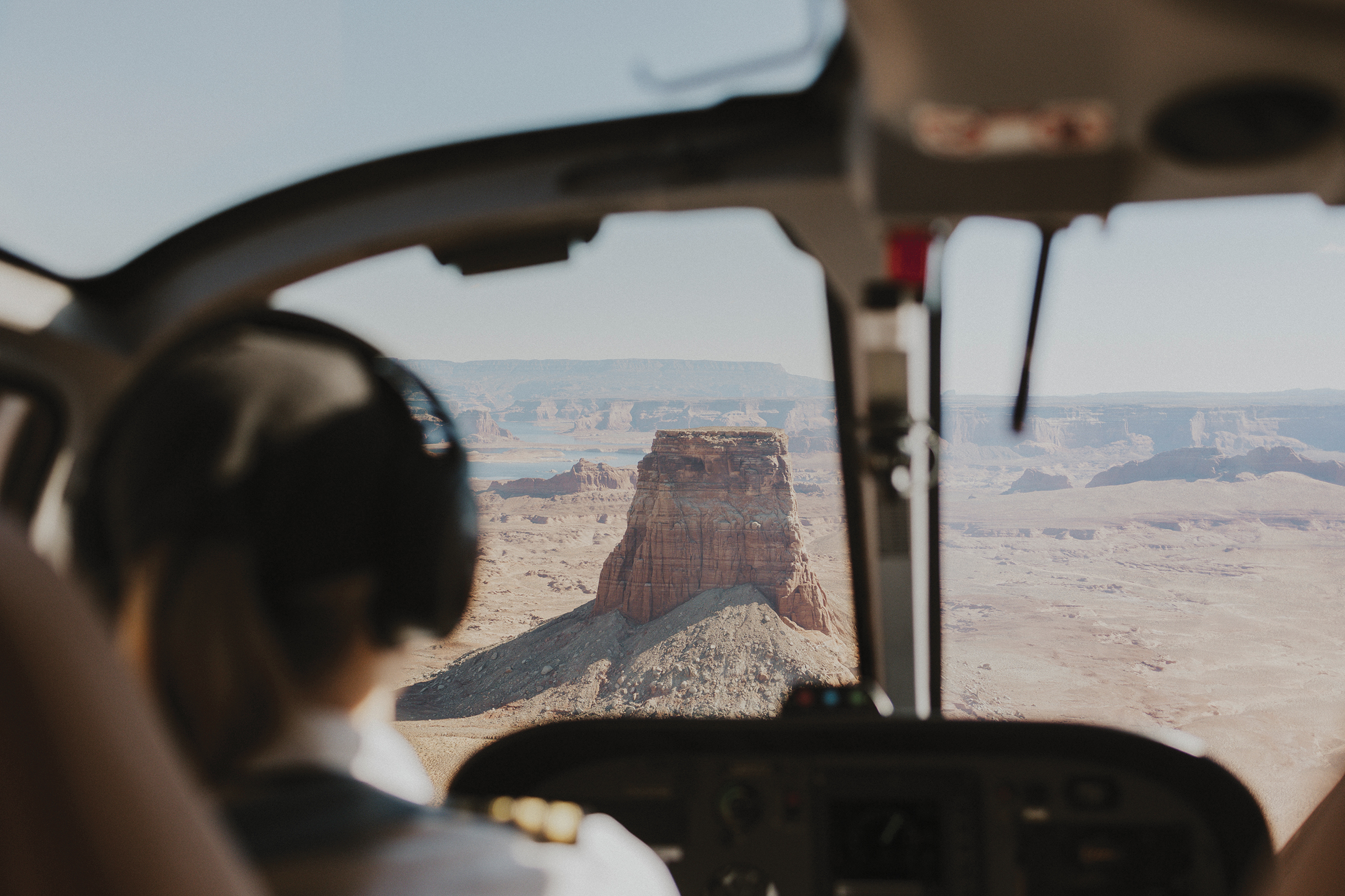
Curley said owls are seen as messengers in Navajo culture, typically of bad luck, though he prefers to see them as portending good luck. Later that day, when someone in our group filled a couple barf bags on an airplane tour, I couldn’t help but think back to Curley’s unwarranted owl optimism.
Still, it’s fitting that the same owl can create two completely different vibes, because the canyons themselves create completely different scenes depending on when you go in them.
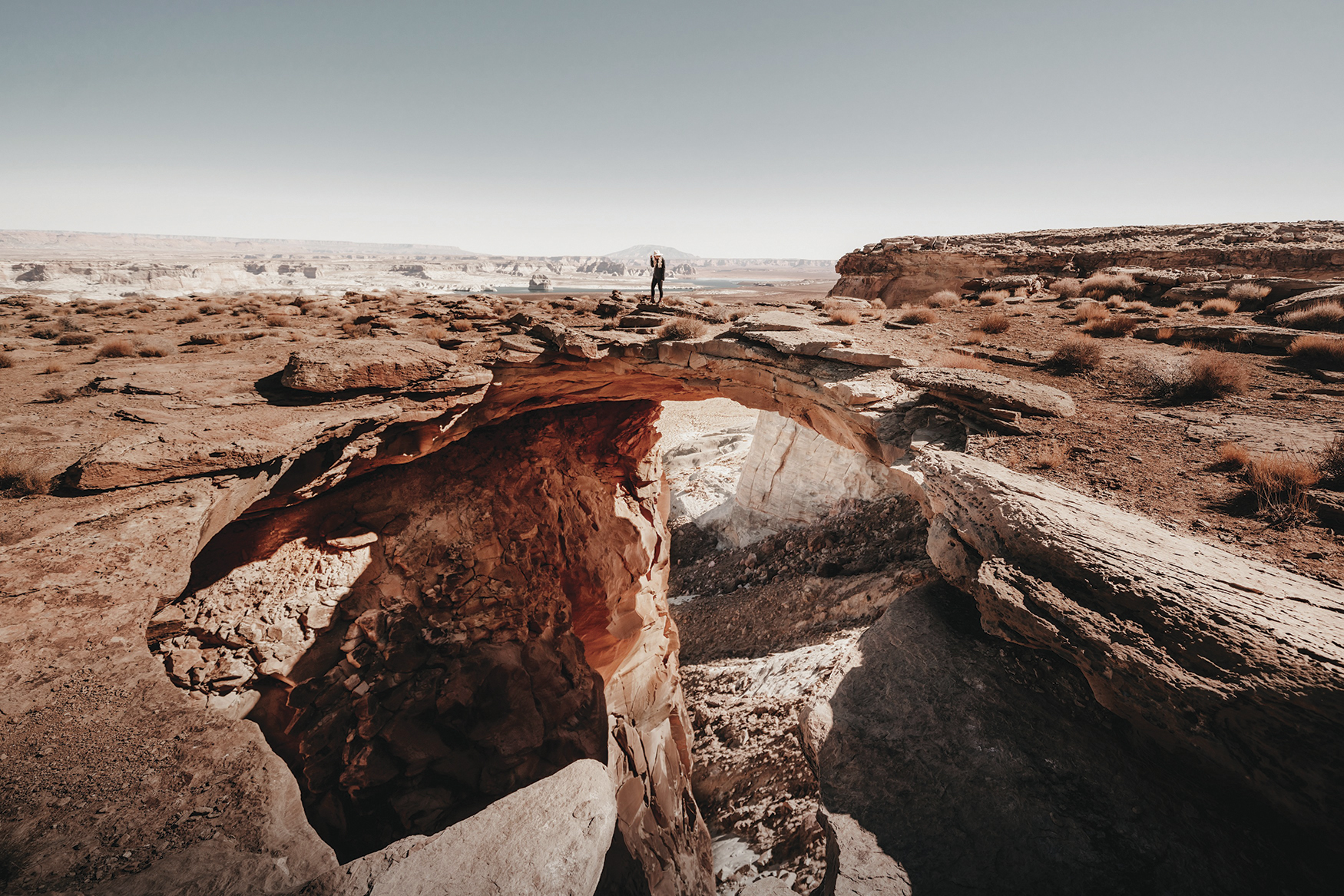
We toured Upper Antelope Canyon at 9 a.m. and returned at 11 a.m., when sunlight created a white shaft, like God’s spotlight. Curley threw a shovel of sand high into the light, and sparkling particles fell like snow glistening under a streetlamp. He did that again and again so we could capture it with our phones.
Page, Arizona, is the most Instagrammatized place I’ve ever been, and this scene, as much as any, shows that. Not only did Curley rearrange our schedule so we returned when it was most beautiful, not only did he place us in position to get the best photos, but there was a shovel there for him to throw the sand to create that spectacular image. Before and after us, other guides did the same.
Credit: Ashley Scott
Time and again in Page, it felt like the guides knew what I would ask for before I knew that thing existed. I’ve been to other Instagram hot spots that are so crowded as to be not fun. I don’t want to wait in line to see natural beauty because there are 327 people ahead of me who are just there for the ’Gram. The point becomes the picture, not the place.
But not so in Page. Social media has made Page popular, and Page has figured out how to take advantage of social media without wrecking itself in the process. A few years ago, Glen Canyon National Recreation Area, where Page is located, outdrew the Grand Canyon National Park for the first time.
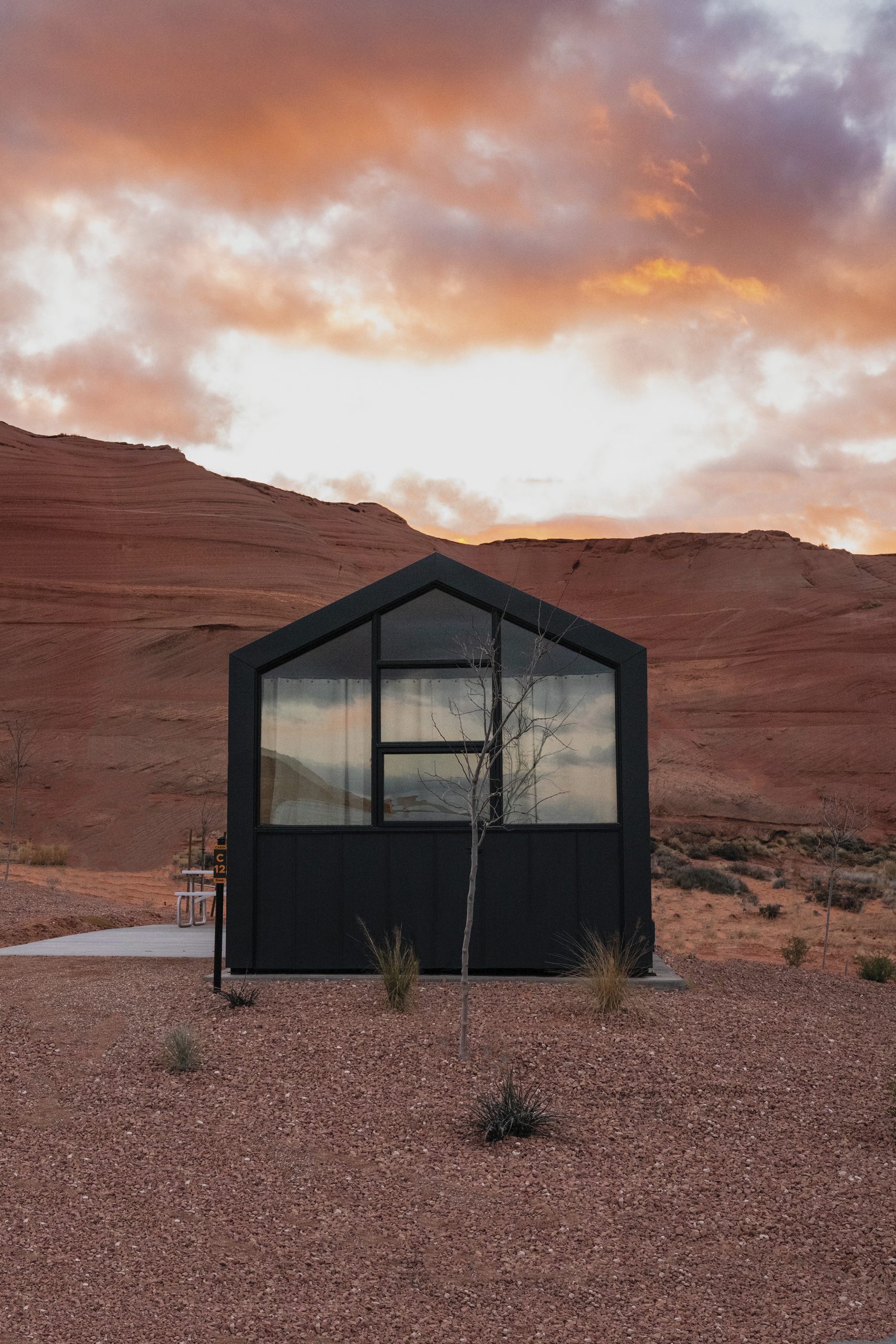
Like hardcore fans introducing you to their beloved band, guides teach you how to enjoy Page’s beauty, how to grasp it, how to revel in it, even how to capture it. It became a running joke in my group that our tour guides knew how to work our devices better than we did. They showed us how to alter our phone settings so the light in the slot canyons looked its best. They changed the size of the image to fit the landscape. They also suggested — and sometimes took — stunning photos for (and of) us.
At Horseshoe Bend, Jeri saw me taking a selfie that would be at best OK and at worst blah and thus do an injustice to the place. She knew I could do better — or she could do better for me.
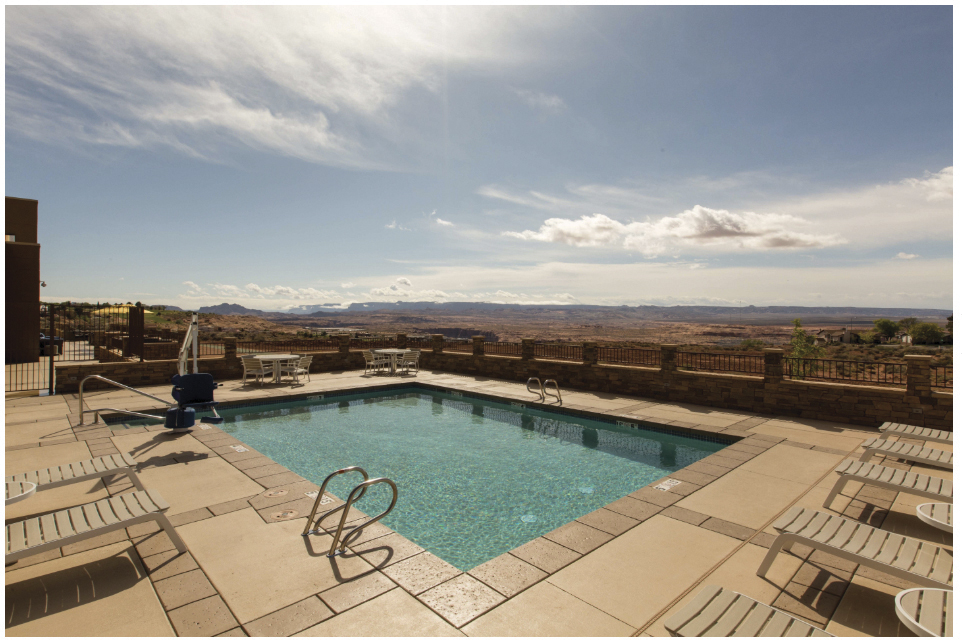
She directed me where to stand and then took a photo worthy of an opening spread in any travel magazine in the world. I showed it off to the people on my tour, and soon she had made us all look like outdoor fashion models.
I’ve had a zillion guides in a zillion places, and this is the first time I’ve learned from them in quite this way. It was like having a world-class photographer with an unimpeachable eye tag along with us. And the end result was far more than just good pictures.
Travel can expand you if you’re truly paying attention to the place and not just the pictures you’re taking. I take plenty of pictures, don’t get me wrong. But I’ve never had a trip teach me so profoundly how to love and appreciate and look for natural beauty.
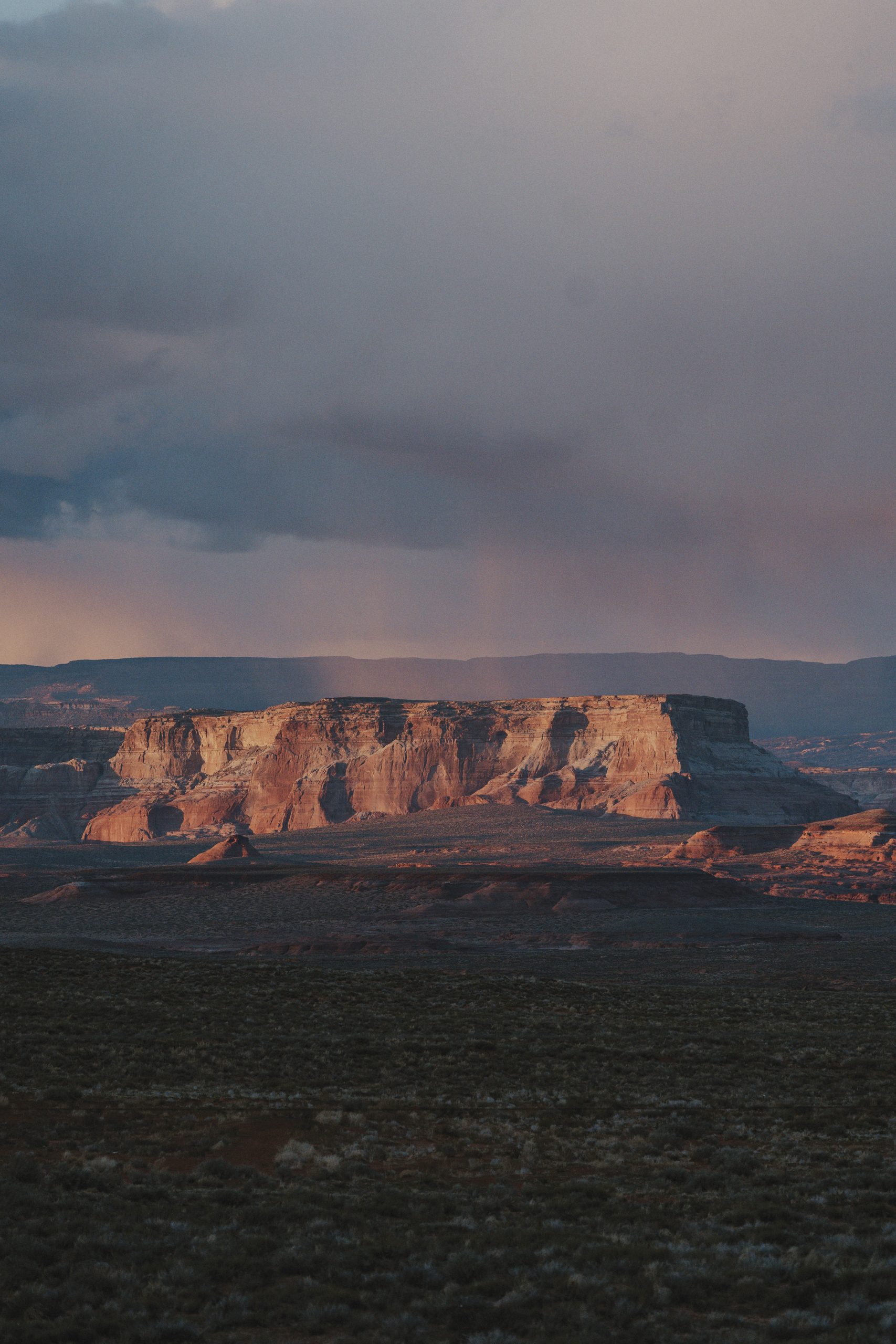
The picture is not the point. The picture is the proof.
A good guide can take you all kinds of places — literal and figurative — you might never otherwise experience. Thanks to my guides in Page, I found myself trying to see what they saw, love what they loved, be inspired by what inspired them.
It filled me with the hope of being able to revel in it not just in the moment but to talk about it and share with the reverence they did.
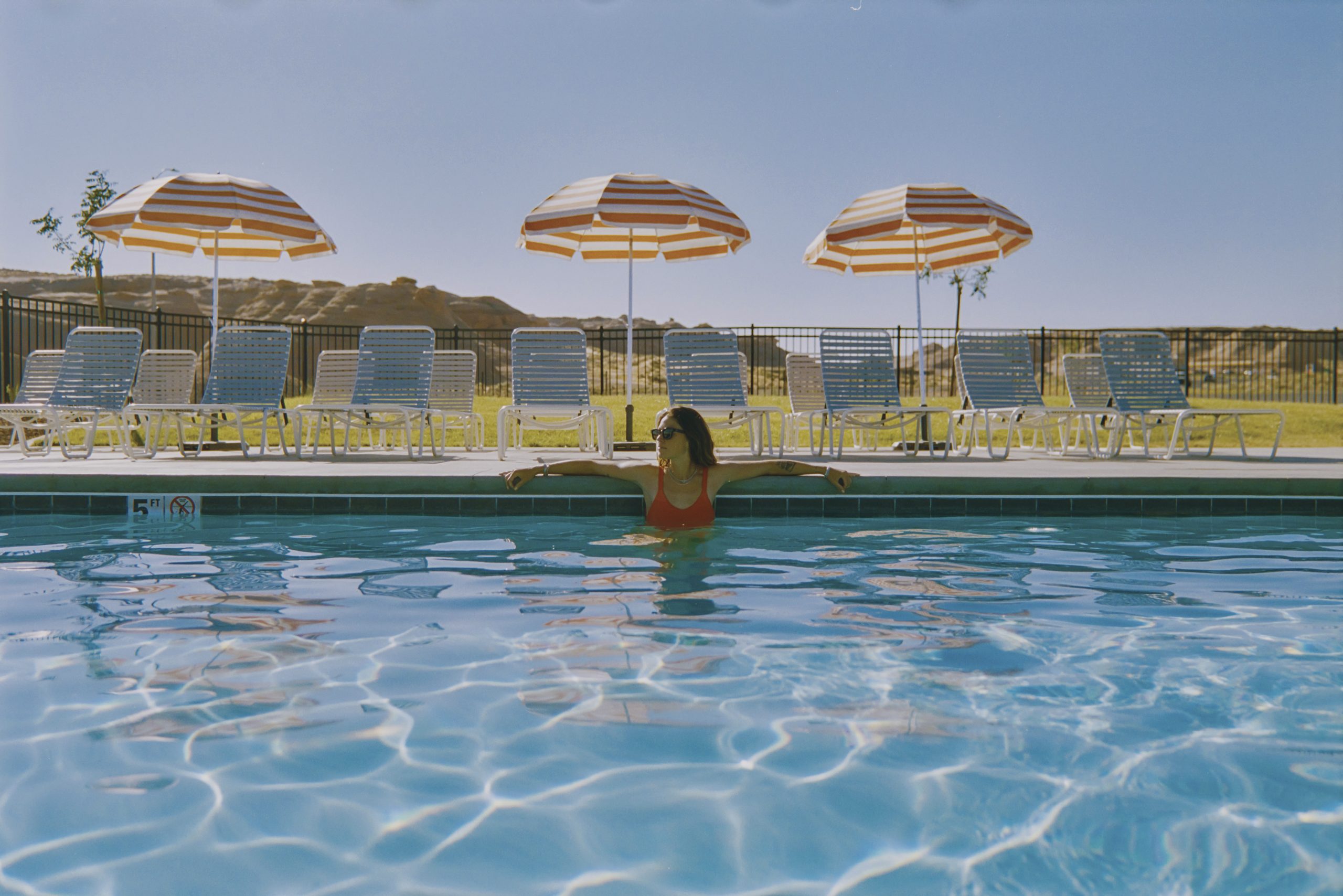
I’m normally a guy who’s in motion and going hard and fast. In slot-canyon country, I was grateful to be simply walking, slowly and at my own pace, and not biking or hiking or skiing or climbing or whatever. My habitual go-go learned to go deep. I ran my fingers along the walls of the slot canyons trying to understand the lines carved into them. I stared longer, and more intently, at layer-cake buttes in the distance. I looked for new angles that enhanced the beauty that was in front of me.
The way I travel will never be the same. After leaving Page, I’ve applied those lessons in trips across Missouri, Iowa, Michigan, and Nebraska, looking to find beauty in details, to find it hidden, to uncover it, to share it — hoping to be, again, enchanted, and to enchant others.
Arizona’s Hollywood
California has Hollywood proper, Utah has Kanab, and Arizona’s got Page. Here are some of the flicks filmed there.
If you visit Page and the surrounding region and it looks familiar, that’s probably because you’ve seen it before. Many big-time movies and TV shows have been filmed in the area. From Lake Powell to the desolate desert to slot canyons, Page’s beautiful landscapes have drawn Hollywood production crews for decades. The region has made a convincing case that it is Mars (John Carter), India (Indiana Jones and the Temple of Doom), and the Star Wars galaxy (The Mandalorian). The Mandalorian is essentially a western that takes place in space, so it’s appropriate that “Baby Yoda” visited Lake Powell.
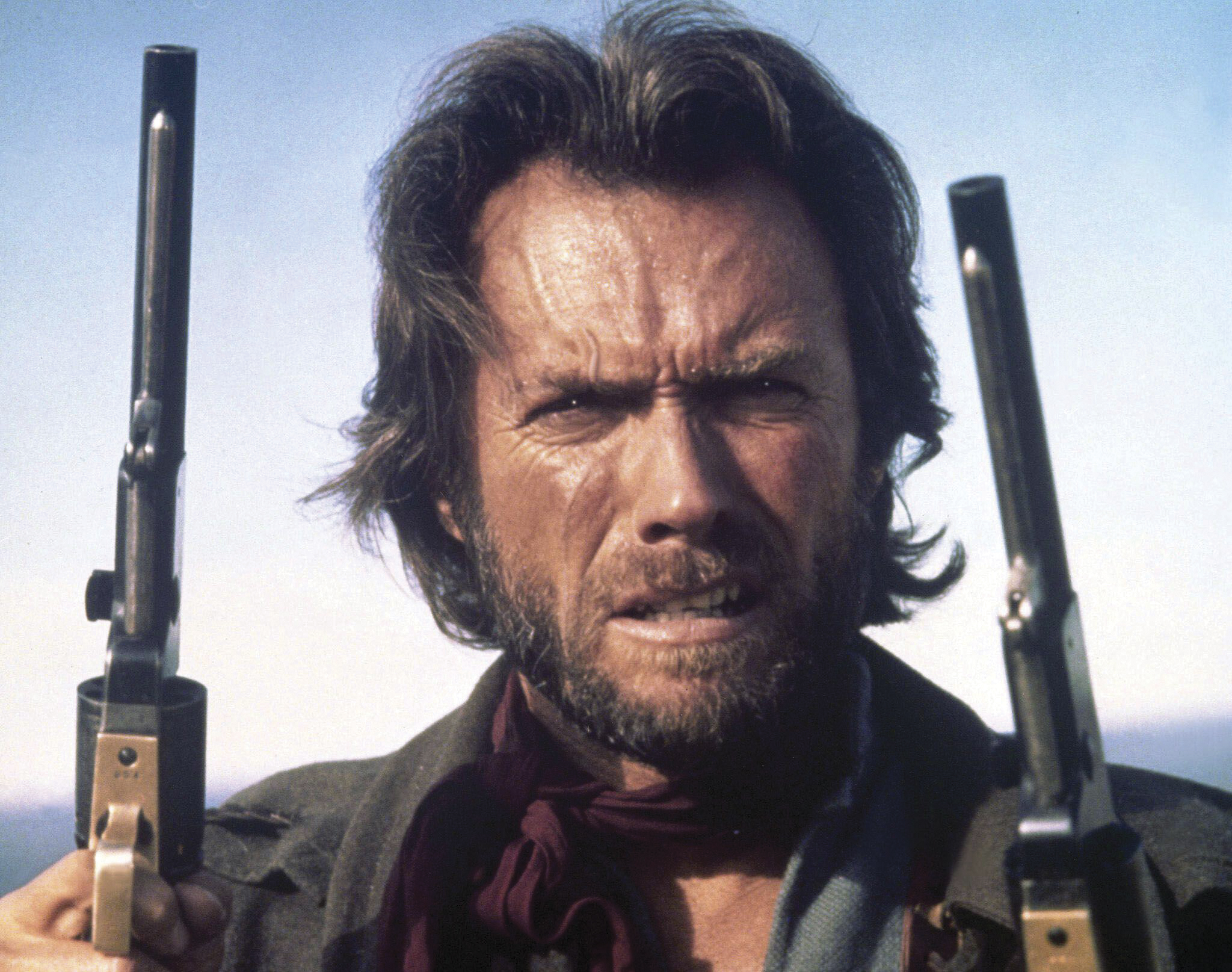
The Outlaw Josey Wales (1976), directed by and starring Clint Eastwood. Credit: Warners Brothers.
The Outlaw Josey Wales: The Oscar-nominated western stars Clint Eastwood, Sandra Locke, and breathtaking vistas from around Page.
Maverick: If Facebook chatter is to be believed, star James Garner golfed with “Pageites” and could often be found at local restaurants during filming of this 1994 western that also starred Mel Gibson and Jodie Foster.
Planet of the Apes (1968 and 2001): The original and the remake of this sci-fi classic both chose Page as the setting.
Over the Top: Starring Sylvester Stallone, it was like Rocky but about arm wrestling. That long-haul truck-driving trip to an arm-wrestling championship in Vegas has Page backdrops.
Broken Arrow: John Travolta plays a military pilot who steals nuclear bombs by jettisoning them while flying over the desert — this very desert.
The Greatest Story Ever Told: In perhaps the greatest tribute to its photogenic appeal, the Southwest stood in for the Holy Land in this 1965 movie about the life of Jesus. As director George Stevens once said: “I wanted to get an effect of grandeur as a background to Christ, and none of the Holy Land areas shape up with the excitement of the American Southwest.”
—M.C.
From our June/July 2026 issue.