




Indian Country remembers iconic Indigenous actor Graham Greene.
The first time I saw the late great Graham Greene on the silver screen, it wasn’t for his most notable 1990s role. It was early summer 1994, and my family of four piled into a packed theater to see Maverick at my late dad’s urging. At the time, 9-year-old me didn’t fully comprehend the significance of Graham’s role playfully flipping Indigenous stereotypes on their head, but I did understand that the film made my dad belly laugh until tears rolled down his cheeks — a rarity for an often-stoic man.
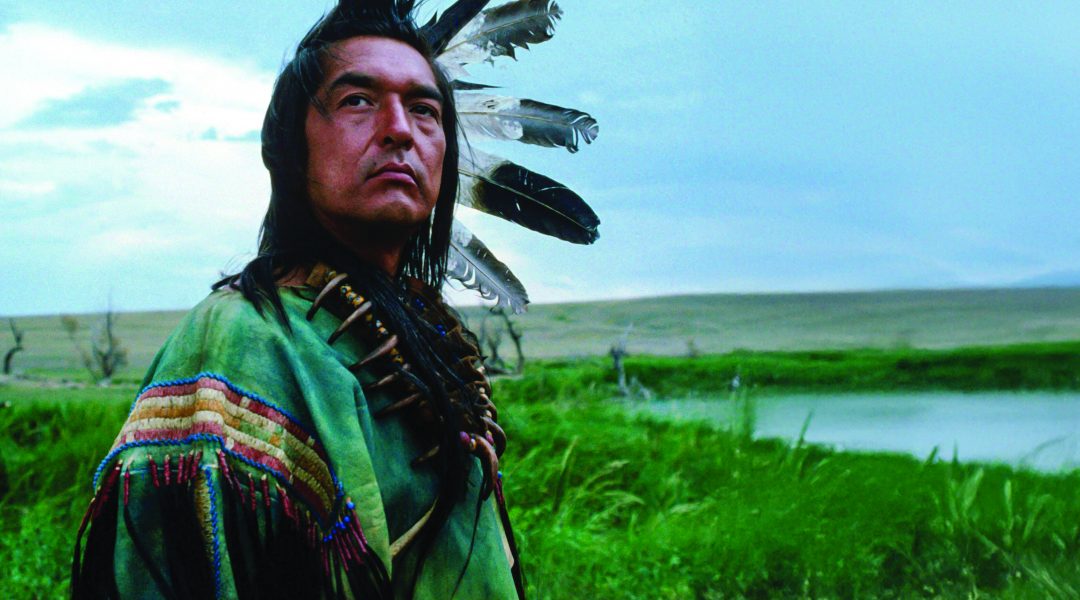
Not long afterward, I would see Graham’s most iconic ’90s-era picture, Dances With Wolves, which earned him a well-deserved Oscar nomination. It was this film — with its standout performances from Graham alongside fellow Native notables like Tantoo Cardinal and Wes Studi — that ushered in our current era of authentic Indigenous representation within media. Because of their incredible contributions, there’s no going back to a time when Native stories were told without Native storytellers.
Three decades later, I would meet Graham in 2024 at a Native Guitars Tour show in Las Vegas. Several of us were cozied up in the VIP lounge enjoying the music, and he and his fellow actor and good friend Gil Birmingham were swapping jokes and belly laughing. Witnessing that unbridled uncle joy felt like a full-circle moment for me. When Graham passed away last September at the age of 73, there was an outpouring of emotions and anecdotes from friends, family, and fans alike. It was abundantly clear he had made a huge impact on cinephiles from all backgrounds. It was also evident that many people, especially in Indian Country, had special stories about the impact he made on each of us.
For me, it was the memorable moment of levity he provided for our family with his Maverick role. For others, it was his heart, his spirit, his presence. Here in their own words, a handful of Indigenous luminaries who shared space with Graham share their fondest memories — and highlight what he’ll most be remembered for.
Actor Zahn McClarnon ( HUNKPAPA LAKOTA/ IRISH)
FOR HIS HUMOR
When Dances With Wolves came out and I saw Graham for the first time, I was absolutely amazed. I had just moved out to Los Angeles to become an actor, and he really inspired me to want to be in this business. He was the second Native American to be nominated for an Academy Award after Chief Dan George, and he showed me it was possible to be a Native American in this business and reach those kinds of heights. I stand on the shoulders of people like Graham, Wes Studi, and Will Sampson as an actor today.
The first time I worked with Graham was in 2005 [in Into the West]. He is a legend in our Native acting community, and I couldn’t wait to do a scene with him. He showed up to do this scene with Michael Spears and me, and the whole scene was in Lakota. Which he had spoken in Dances With Wolves, but he struggled with it; everybody did. Doing scenes in a different language is very difficult. You spend weeks learning the lines and trying to do it properly.
Graham had cue cards for the scene, and I thought, Wow, he’s using cue cards; that’s kind of a cheat. But you know, the stillness that Graham had using those cue cards was absolutely amazing, because in the cut, it was such a good performance that you couldn’t tell he had used cue cards.
I got to work with Graham a few times after that. He was constantly laughing, smiling, and telling all these “uncle” jokes. You just had to laugh because some of them were really, really funny, but most of them were so corny. He was never really serious, and that brought an easiness to being on set that made everyone feel comfortable. It was always fun to work with Graham. He just had a sense of humor that helped everybody relax.
My favorite of Graham’s performances was the cop on Thunderheart. Him teasing Val Kilmer all the time — not putting him down, just teasing — was just pure Indian humor. He was a legend, and I’m going to miss him. I’ll always be grateful that I got a chance to be around the great Graham Greene.
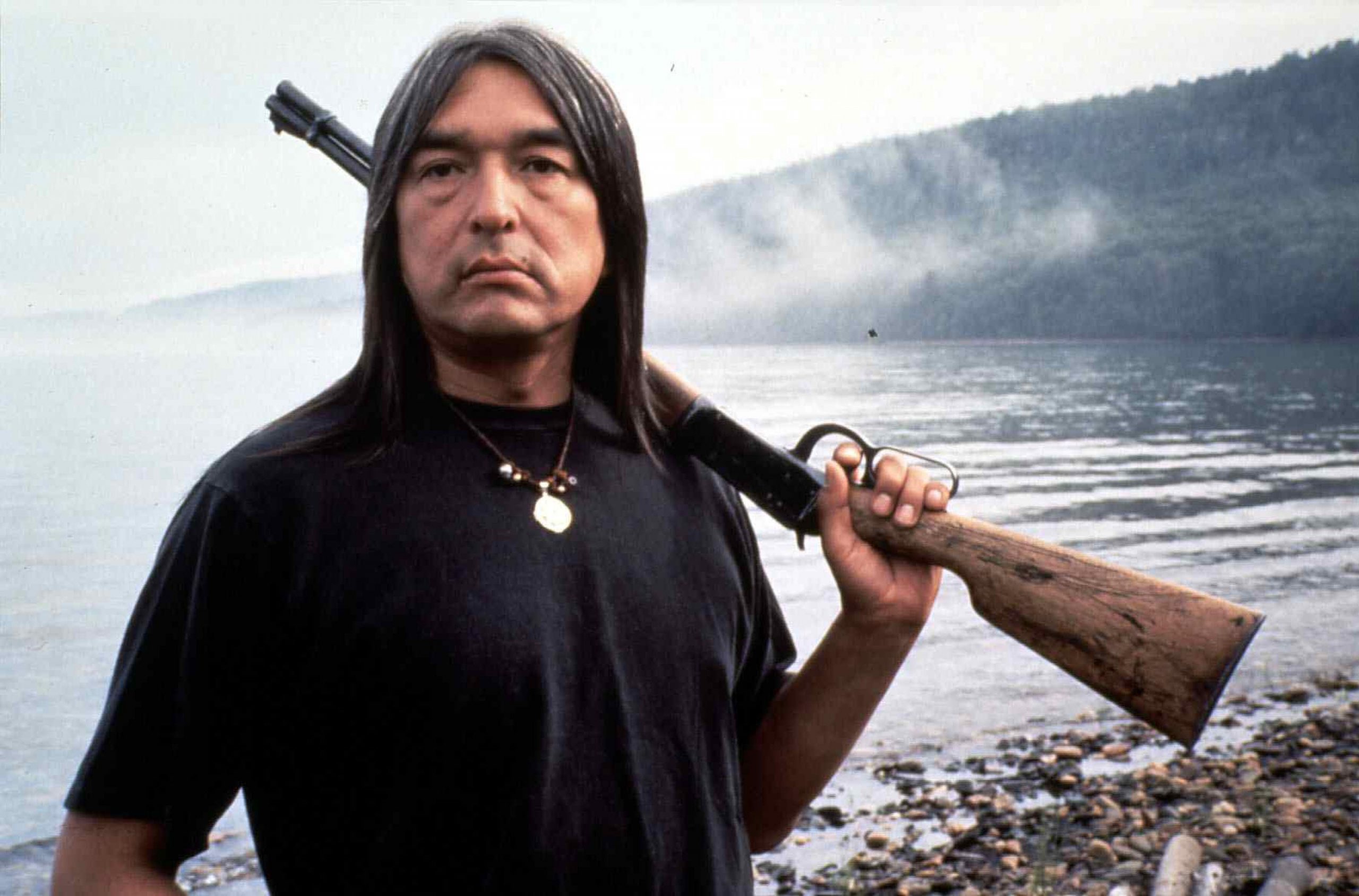
Actor Wes Studi (CHEROKEE)
FOR HIS CRAFT
One of my favorite stories about Graham was when we were working on the Tony Hillerman mystery Coyote Waits a number of years back. We were on a night shoot, and we lost power. We had just enough light so we could sit around and wait while it got fixed. He and Keith Carradine sat down and started telling jokes, and the jokes just began to flow back and forth between them like it was a jousting match or something. I was sitting just a few feet away laughing, not joining in because I don’t know any jokes. They kept going for an hour it seemed, and they never cracked a laugh. I was just amazed they could both keep a straight face.
More recently, for the finale of Reservation Dogs, all the oldsters were together for one scene. He was, of course, his usual self. Very much Mr. Graham Greene. We joked about the newcomers and wished them luck. I suppose that would have been the last time I saw him. He was a very dedicated man to his craft and a hell of a talent, and I’m proud to have worked with him.
Writer, Director, Producer Tazbah Rose Chaves (NÜÜMÜ, DINÈ, SAN CARLOS APACHE)
FOR HIS INSTINCT
Graham was the perfect person to play Maximus [in Reservation Dogs] because he was this otherworldly human being. When he landed in Tulsa, everyone was like, “Graham’s here, Graham’s here.” We didn’t really know what to expect because he’s just such a legend. I went to have coffee with him before we got to work because it was just a two-hander with him and D’Pharaoh [Woon-a-Tai]. I remember sitting across from him and thinking, Oh my god, he’s real. He’s a person.
He was asking about the younger cast, because he had recently worked with some young actors who didn’t know their lines. That was when I saw this switch where he went from being “uncle you’re having coffee with” to being so serious about his craft. He’s like, “This one time this young guy didn’t know his lines, and I took his script and ripped it up and threw it.” And I thought, Oh my god, I need to prep D’Pharaoh. It was a really great conversation and it was all love, but as soon as I got to my car, I called D’Pharaoh and explained that we needed to bring our A game and that he needed to be completely off-book.
When we got to set, there was this expectation of greatness that we should all possess as artists. They were so amazing to watch together. In between takes, Graham would be off to the side giving D’Pharaoh advice and little tips here and there. I think that performance was the best D’Pharaoh ever had on Rez Dogs, and I don’t think it’s because of me. I think it was because he had a scene partner and mentor like Graham, who was generous with his advice and could see who D’Pharaoh is and could be.
In general, I’m a director that trusts actors. But Graham was someone you 100 percent trust, because if you 100 percent trusted that man, what would come out in the editing room was beyond anything you ever could have imagined. He was so committed to his character and had thought through his choices so thoroughly that in the moment you didn’t necessarily know if that’s how you saw the character — but then you know it was right.
You can’t duplicate Graham’s instincts, and that’s why he had the career that he had. No one else could have played any character the way he played them. There’s no other Maximus in the world.
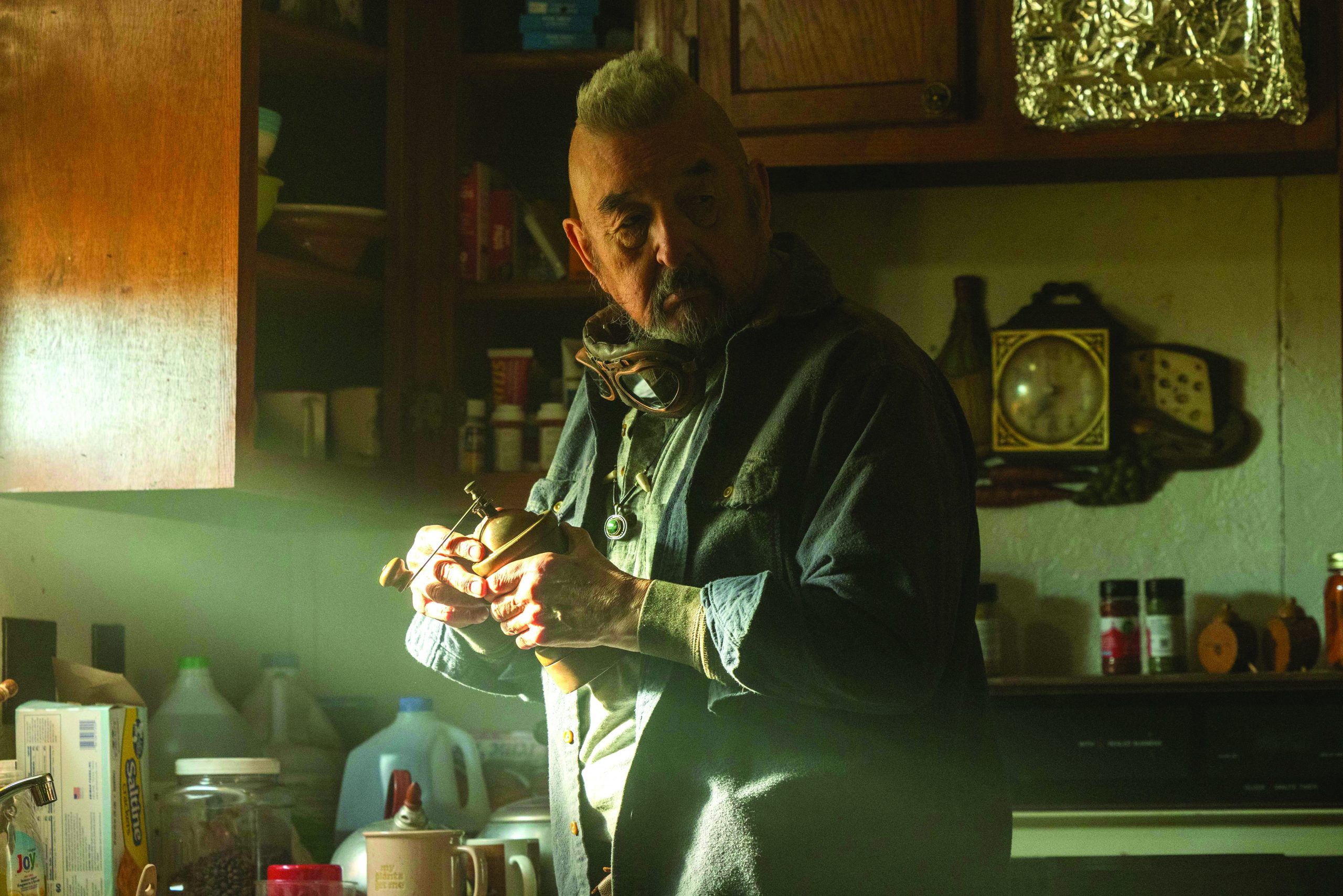
Actor Eugene Brave Rock (BLACKFOOT)
FOR HIS SPIRIT
The most memorable moments for me were the first time I met Graham and the last time I saw him. The first time I met him, I played his younger brother in a show called Shadow Wolves, and the last time I saw him, I felt like his brother. I remember showing up to set at like 5 a.m., and he was already there, fully alive in that Graham Greene way that could light up a whole room even before the sun rose. The beautiful thing about Graham was he was all jokes right up until the director said, “Action”; then he was all business. He didn’t just act — he carried the story, the weight, the dignity of what we represent.
The last time I saw him was one of those moments that you realize will stay with you forever. It was Graham, Gil Birmingham, and I just being brothers — laughing, shooting the breeze, and telling stories like we were around a fire. There was no ego, no titles; just three Indian men in the industry sharing time the way we know how. That was Graham. The work was powerful, but the spirit that you got off camera — that’s what stays with you.
Before Dances With Wolves, Hollywood didn’t see us as more than stereotypes. After that film, it was cool to be Indian. He didn’t just open the door; he widened the whole road for the rest of us to walk upon. He changed expectations — both from Hollywood and from us. He showed us that you can be Indigenous and authentic and still be a leading presence.
Recently, I watched Clearcut again. Even after all these years in the industry, seeing his range reminded me that I still have room to grow, that I can always dig deeper, listen harder, and honor the teaching inside the craft. That’s the sign of a true trailblazer: Even after he is gone, he’s still making you better. What a great honor to know him, meet him, spend time with him. His passing is not just a loss to film; it’s a loss to our circle. What he gave us will ripple through every Native actor who picks up a script and believes they belong there.
Actor Gary Farmer (CAYUGA)
FOR HIS IMPACT
Graham is my cousin, and we’re from the same rez, Six Nations of the Grand River in Ontario, Canada. He lived across the road from my grandparents. I grew up in Buffalo and Niagara Falls, New York. It was only 60 miles to the rez from those cities, so we always came home. Graham and I first met at 5 and 6 years old; he was one year older than me, almost to the day. We were kind of like brothers who took different routes in life, but we were both very involved as actors cinematically and theatrically in the retelling of Indigenous history and that relationship to Canada.
The impact of colonization on Native America is profound, and we were both very aware of that. Graham and I had to work during that period when there were no Native writers and no Native directors. I was much harder on cinema and how they wanted us to perform as Native people in their movies; I wouldn’t put up with the bullshit. Graham was much more amiable that way, trying to work through it and making the best of it. And that got him an Academy Award nomination for Dances With Wolves, which he should have won. It was a brilliant performance, and he was bringing humor to more stoic roles even before then. Graham never really studied acting. He just came naturally to it, as a lot of us do in the Indigenous community, because we’re natural storytellers.
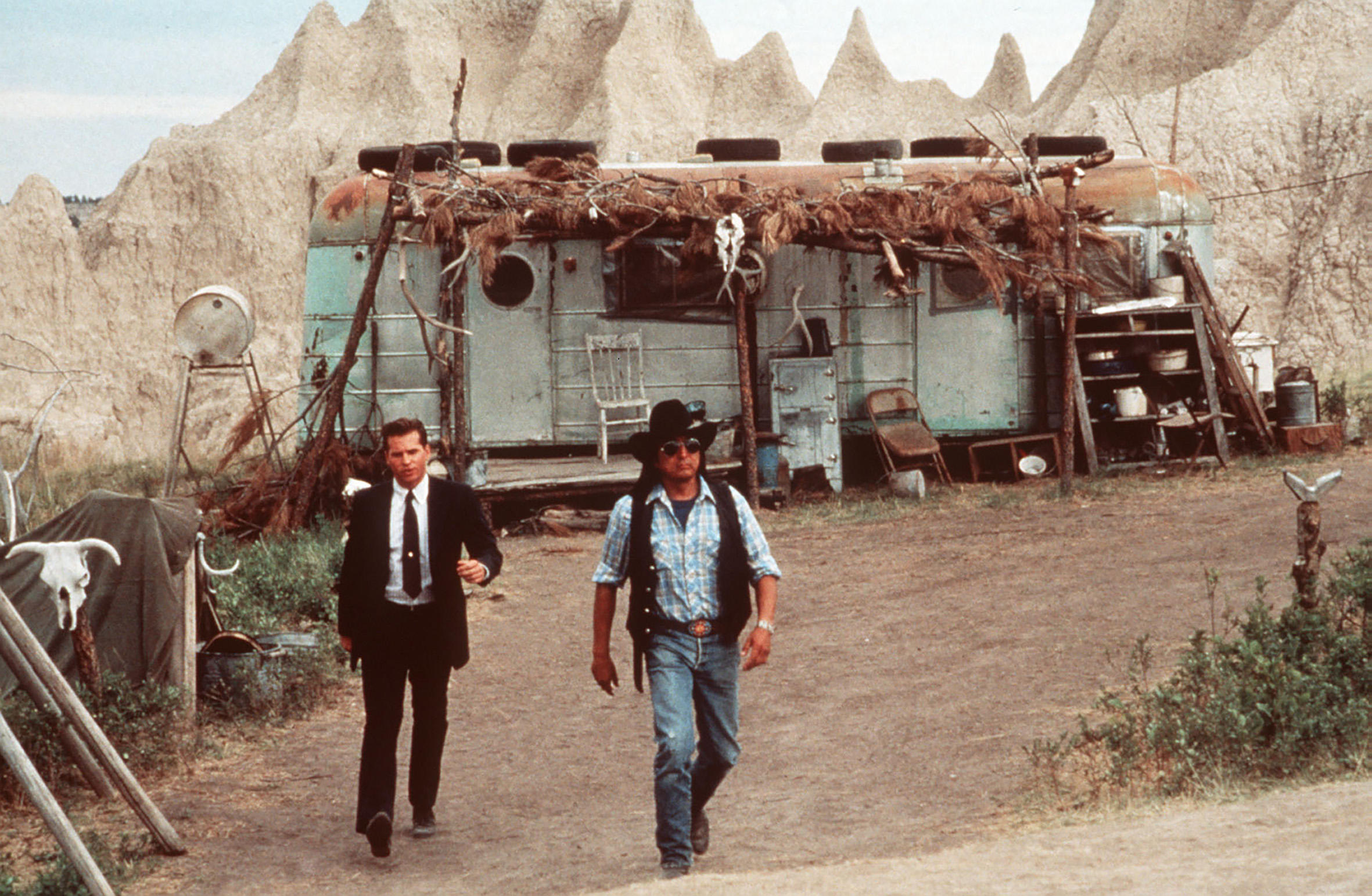
Musician, Actor, Artist Mato Wayuhi (OGLALA LAKOTA)
FOR HIS PRESENCE
In his final acting role, Graham played my grandpa on The Lowdown. I had a few scenes with Ethan [Hawke] before he got to set. Later that afternoon, he shows up, and there was no “Hello, I’m Mato,” “Hey, I’m Graham.” It just got right into roasting each other, like an elder giving you shit, and you giving it back, which created a really comfortable feeling on set. It was the disarming jokes and teasing that’s our throughline of language in Native culture, so it felt very at home with him. It was very cool to be able to sit and talk with him for a few hours in video village.
It was really a master class for me that day because my two scenes were with Ethan then with Graham and Ethan. They were long takes and these really emotional scenes. It was like trying to paint between Dalí and Van Gogh; I was sandwiched between these two world-class actors and tasked with keeping up.
A big part of acting is disseminating wisdom from generation to generation, which isn’t going to come in the way you think it will. It comes in conversations that really have to happen naturally, which also helps the craft. Because a lot of acting is being present, right? I personally didn’t like being on set before The Lowdown; I struggled to stay focused and sit still. What changed it for me was having those conversations with people like Graham.
You really don’t know how much time you have with people, so it’s important to be present with people. I remember before my grandpa passed away in 2007, we went to visit him on the rez in South Dakota, and my dad asked me to go sit inside with him. I was just 8 or 9 years old at the time, and I was bored as hell. But for an hour or two, while all my cousins were outside playing, I was inside with my grandpa. He had dementia and Parkinson’s, so he wasn’t able to speak, but I just held his hand. That was such a profound lesson about being present with people.
Having the privilege of getting to know a legend like Graham was the greatest gift I could have ever imagined as a younger Native actor. Everything Graham taught me, I’m going to take with me.
Actress Jessica Matten (METIS/CREE/CHINESE/EUROPEAN)
FOR HIS HEART
I was so lucky that Graham was in and out of my life for such a big portion of it. Even before I became an actor, my mom worked with a lot of Native actors, artists, and musicians in Canada, so Graham has been a staple figure in my life since I was a kid. I realize when you’ve grown up with that, you kind of take for granted having all these beautiful uncles and aunties in close proximity to you. I always felt connected to him because we attended a lot of the same events, like the Six Nations Dreamcatcher Gala that I’m an ambassador for. I was always honored to have people like Graham, Gary Farmer, and Gil Birmingham there — the uncles who really paved the way for us.
I have so many memories with him, but I have one particular favorite from a couple years ago, when we were promoting the documentary Boil Alert. Graham, Wes Studi, Tia Carrere, Stevie Salas, Rickey Medlocke of Lynyrd Skynyrd, Matt Sorum of Guns N’ Roses, and I took a jet to go talk at Parliament about clean drinking water rights for all the Indigenous communities on boil alerts.
So I’m sitting there on the jet with Uncle Graham — he always called himself my honorary uncle — and in the middle of giving me all this sacred elder advice, he asks the flight attendant, “Hey, can you make me a bologna sandwich?” He had this poker face, so she thought he was serious. Honestly, at first I thought he was serious, too. The flight attendant looked like a deer in headlights and asked, “What’s bologna?” I’m sure she had never been asked to make a bologna sandwich before. We started joking about how that’s the Indian steak.
But really, it was such an honor to have Graham on that trip with us to help our Native communities get access to basic human rights, like clean drinking water. It meant so much to have his support and have him speak to Parliament with us. It mattered a lot. I’m really grateful that we shared something that matters so much to my heart, and that’s how I will always remember him.
Featured Photo: Greene commanded attention and earned an Oscar nomination with his breakthrough screen performance as the sage Lakota medicine man Kicking Bird in Dances With Wolves.