



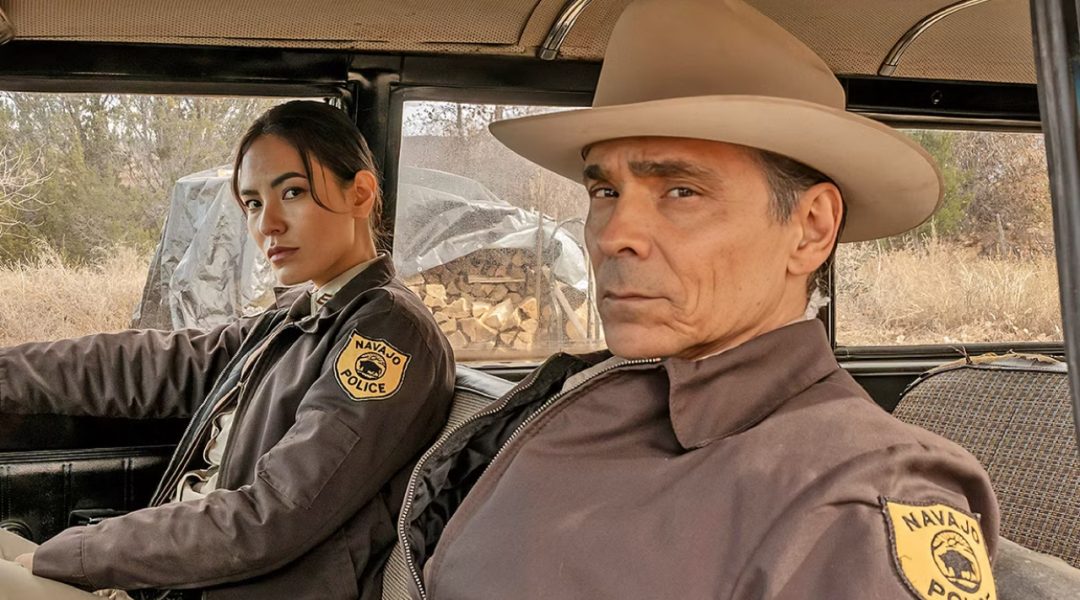
AMC’s Dark Winds is reshaping what representation looks like in modern western television through authentic storytelling and casting.
Television shows often reflect the culture in which they’re created, but every so often a series comes along that feels transformative. AMC's hit series Dark Winds, set to unveil its fourth season on February 15, 2026, is one of those rare series. Based on the beloved Joe Leaphorn and Jim Chee novels by Tony Hillerman, the show blends his stories and characters with today’s best Indigenous talent to highlight long-silenced Native voices.
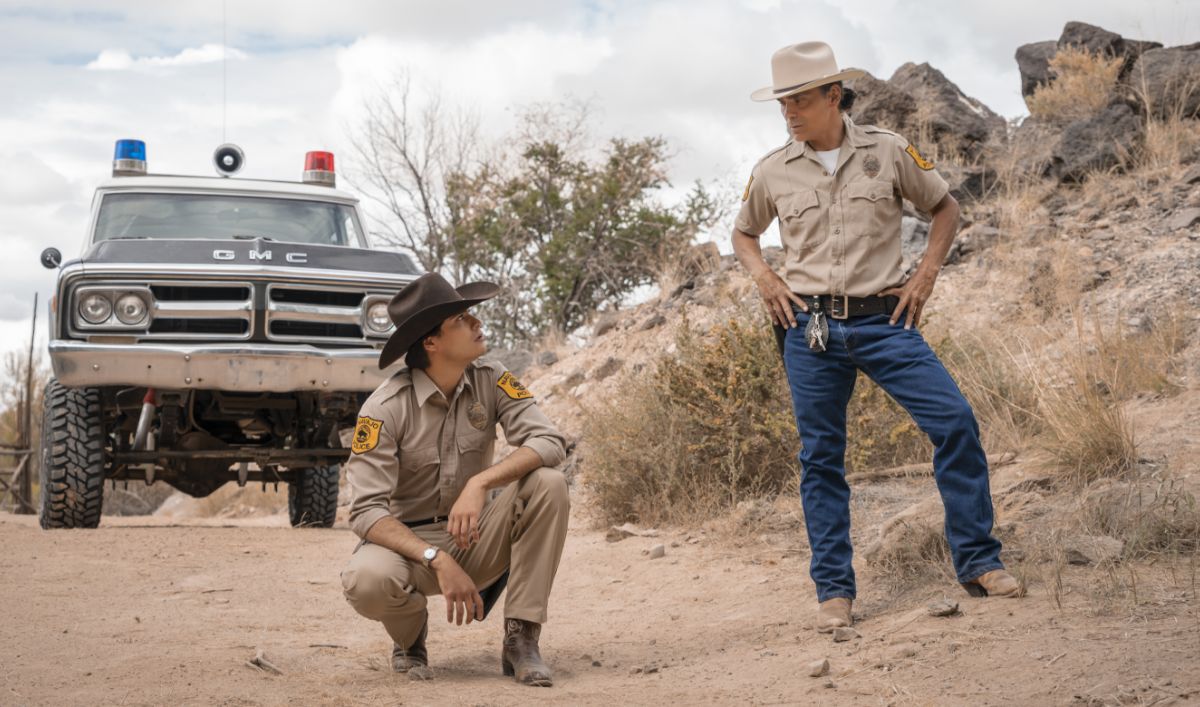
Starring an ensemble cast including Zahn McClarnon (Lakota), Kiowa Gordon (Hualapi), and Jessica Matten (Red River Métis-Cree), Dark Winds resonates with fans of crime thrillers and westerns alike, but its greatest feat is satiating audiences hungry for stories told through authentically Native perspectives.
Dark Winds could have been just another book adaptation. Instead, it’s become a story that portrays authentic Navajo culture and traditions told by compelling actors who engage with modern audiences. The show’s success is more than just ratings. It’s a sign that Indigenous representation is gaining ground in Hollywood.
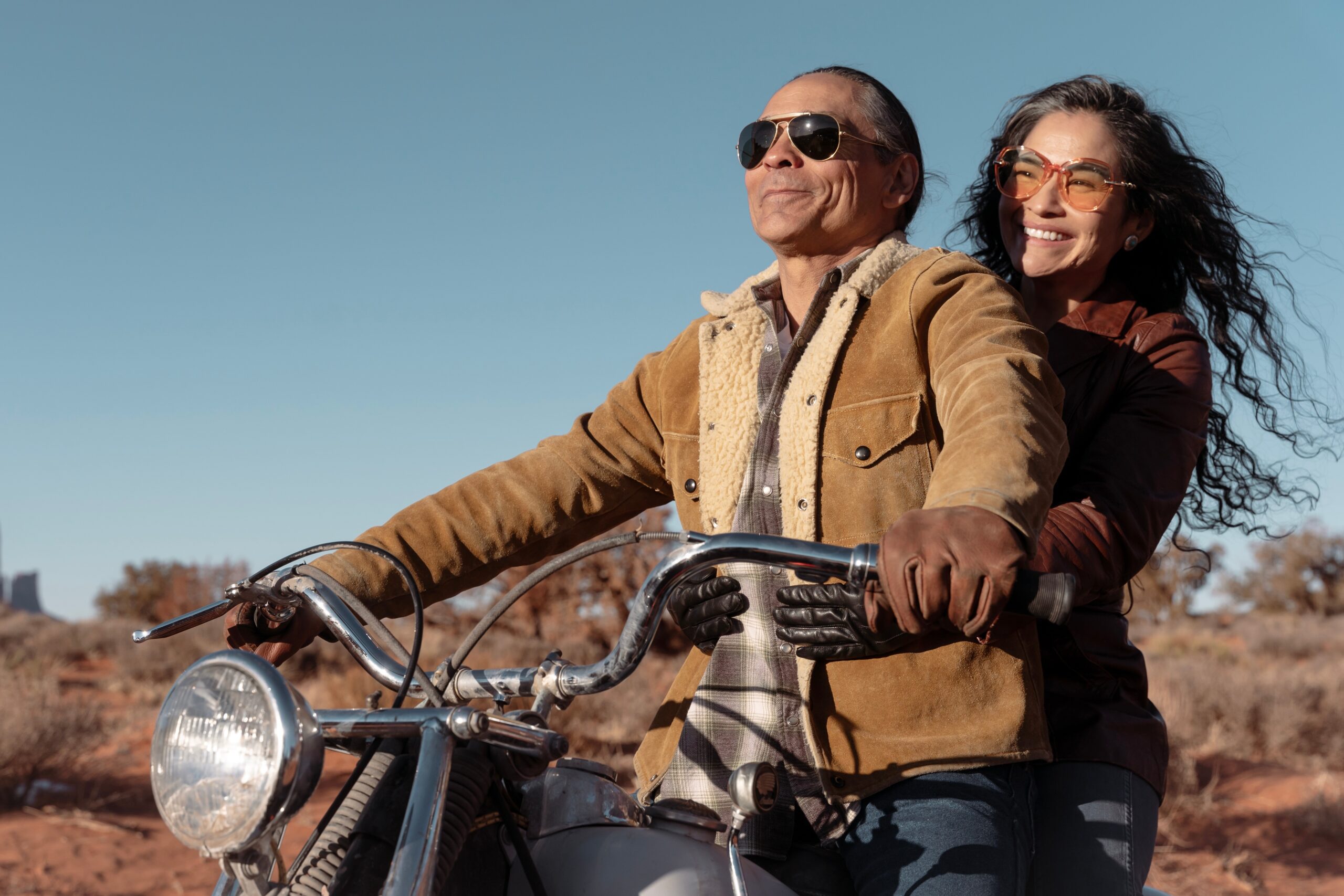
When Hillerman passed in 2008, his daughter Anne took up the mantle of the series to ensure that the stories continued for longtime fans and new readers. Anne recently joined C&I’s Writing the West podcast to speak about how she feels seeing her father’s work adapted into a high-profile TV series: “I was so pleased that they made such an effort to use Native writers and to have as many Native people as possible, both on the camera and behind the camera. I give them tremendous credit for that.”
For much of the 20th century, Native characters were written and portrayed by non-Native actors on screen. Now, McClarnon and his castmates bring their lived experiences and cultural knowledge to roles that once would have been stereotypical. Considered that way, Dark Winds is not just an adaptation of Hillerman's work, it’s an Indigenous reclamation of it.
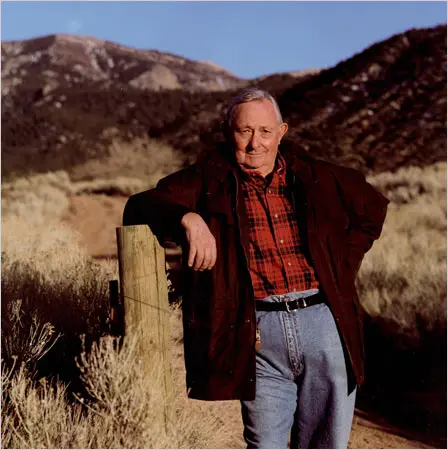
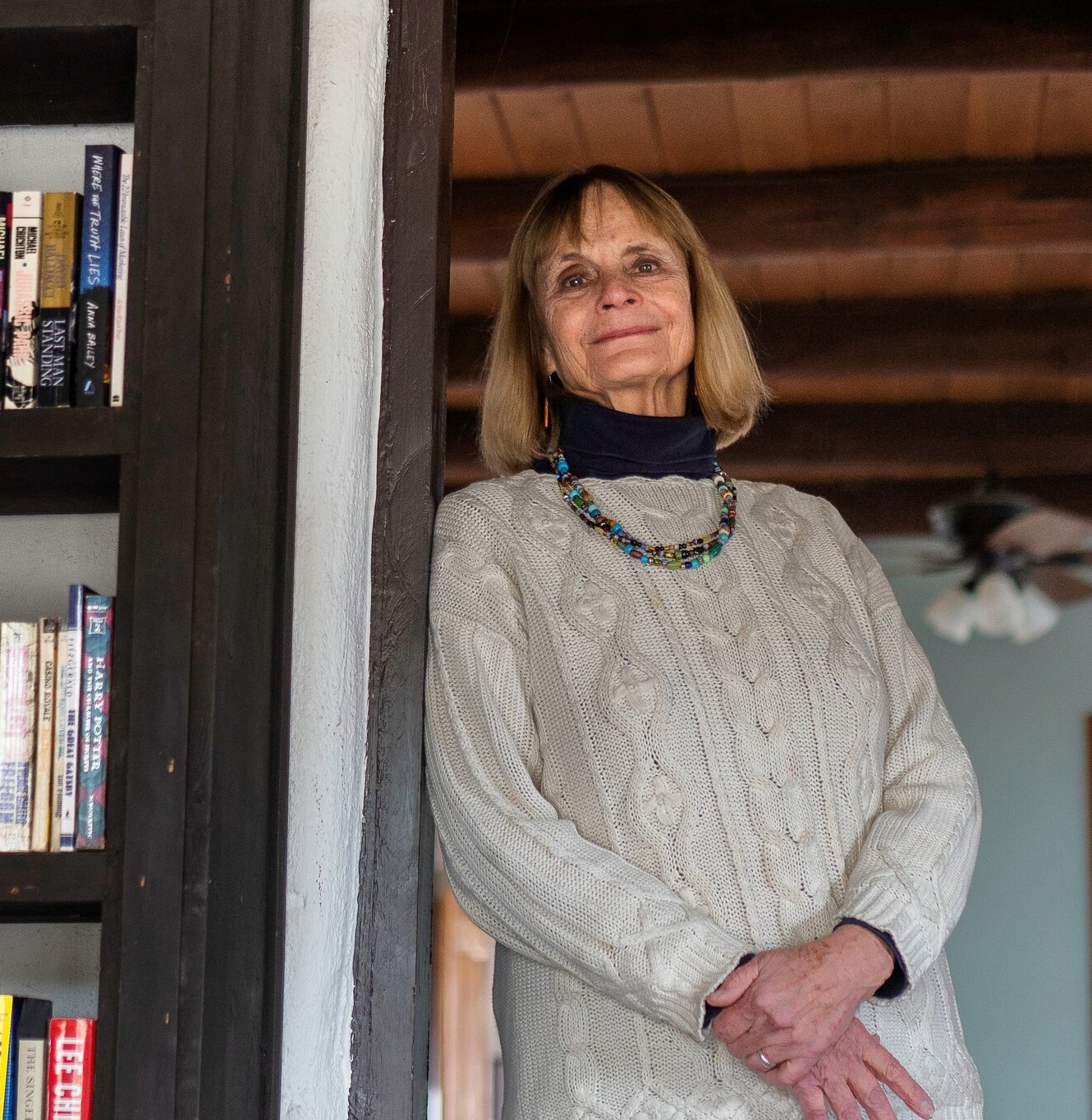
Tony & Anne Hillerman
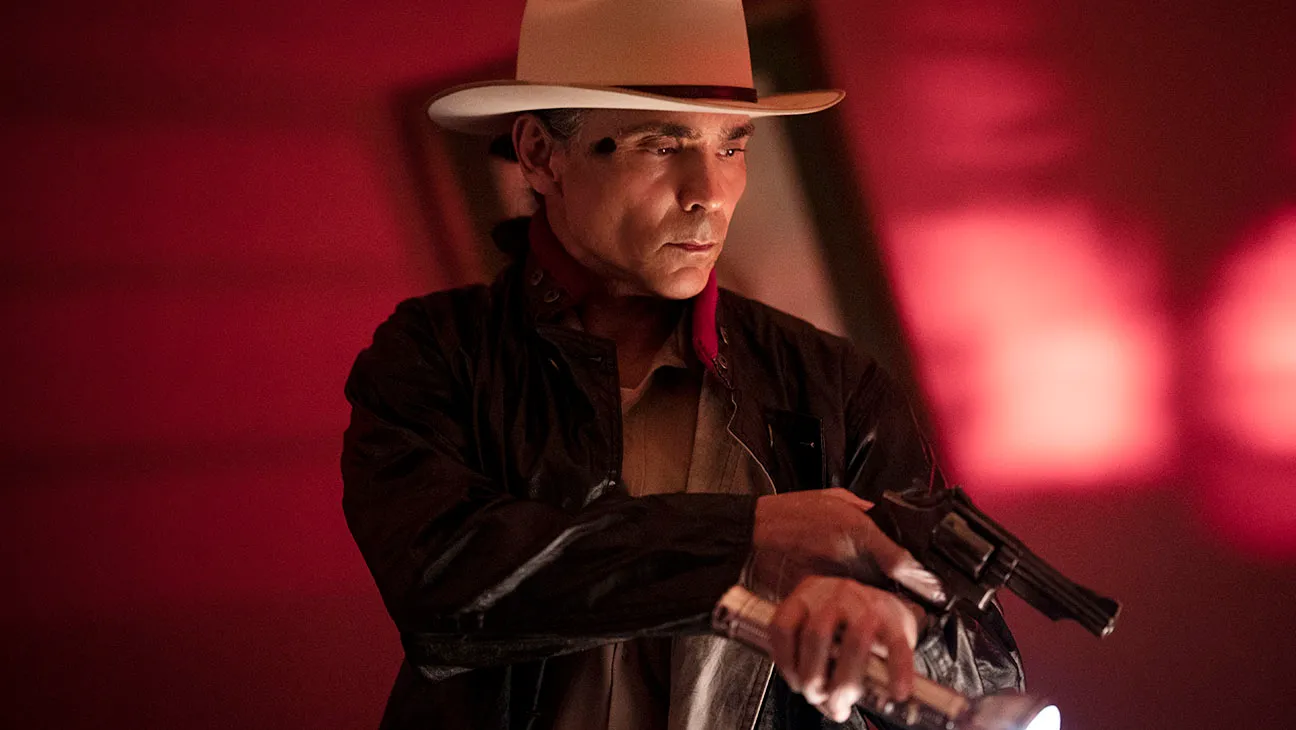
Dark Winds has all the trademarks of a traditional mystery — corruption, secrets, gunplay. But how it captures authentic Native experiences elevates it beyond genre stereotype. McClarnon's portrayal of Joe Leaphorn is central to this success. As a veteran actor who has quietly become one of the most visible and respected Indigenous performers in Hollywood, McClarnon conveys quiet charisma in every scene. His performance resonates with audiences because it is grounded in his personal understanding of the culture he’s portraying.
Jessica Matten, too, as Bernadette Manuelito (a character created by Anne Hillerman) has become a standout character in her own right and offers a powerful portrayal of an Indigenous woman unlike any we’ve seen before.

Despite its widespread acclaim — every season has earned a perfect 100 percent Rotten Tomatoes rating — Dark Winds was shut out at the most recent Emmy Awards. The snub says less about the show than about the award system. The Emmys are a lagging indicator of what we all already know: A long-overdue cultural shift is happening.
Of course, Dark Winds isn’t alone. It's part of a larger movement in which Indigenous creators are finally receiving the attention they deserve. Hollywood has slowly begun to realize that Native voices are not a caricature but are rather an essential piece of our country’s story. And this cultural change extends beyond television.

Vanessa Lillie
On our Writing the West podcast, we've spoken with Indigenous authors who are reshaping traditional publishing. Vanessa Lillie, author of Blood Sisters and The Bone Thief, and Laurie L. Dove, author of Mask of the Deer Woman, shared their powerful viewpoints on how their books entertain and amplify Indigenous voices.
“It’s also important to me because publishing is really, in my opinion, just now opening more doors to Indigenous voices. They’re not relying on the views of mostly white people to write Indigenous characters or points of view; they’re actually letting those voices through,” said Lillie, whose latest book portrays a female Cherokee archaeologist caught between worlds, where missing women, stolen remains, and centuries of colonial history collide.
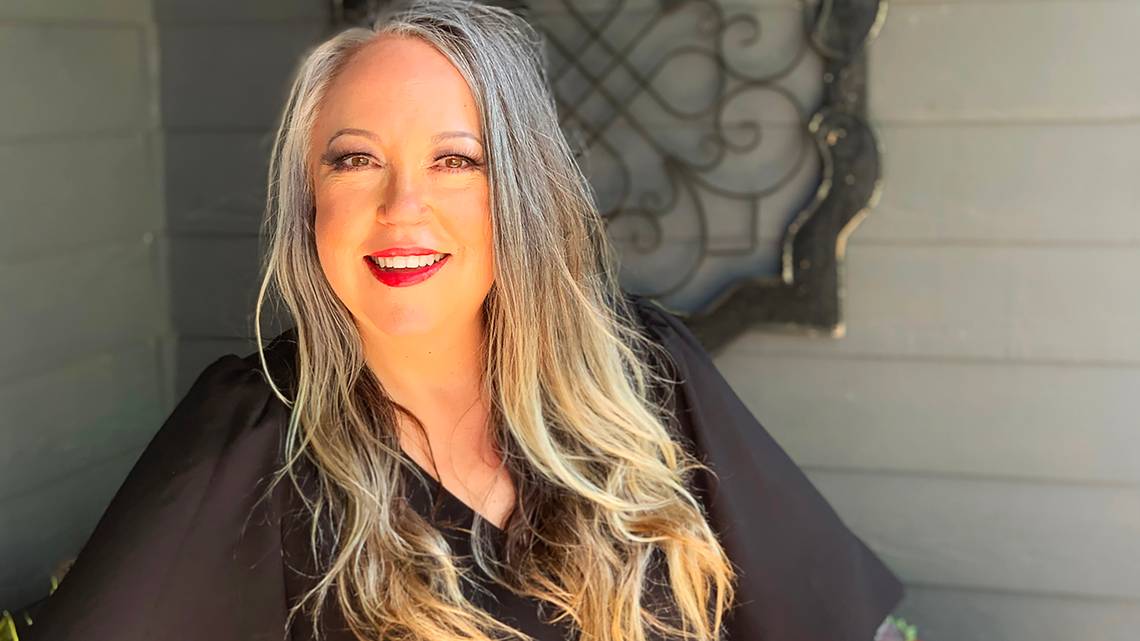
Laurie L. Dove
Dove, whose protagonist is also an Indigenous woman, said she wants her books to be calls to action: “I want the work that I do to make a positive impact. And I felt that way from the beginning, even when I was writing stories at my college newspaper years ago. I hope that’s true for this book. I have seen some people take action on this. And that to me is such a joy.”
Dark Winds’ success is proof that audiences are ready for Indigenous-led storytelling and that the industry can thrive when it embraces authenticity rather than avoiding it. Every new season draws more attention to the issues that affect Indigenous life — combined with the ascent of Indigenous authors, it feels like a true turning point. Representation is finally influencing casting decisions and publishing contracts in ways that would have been unimaginable just a generation ago.
Anne Hillerman said her father would have been pleased with how impactful his characters would become for the next generation: “He would be especially pleased about all of the new Indigenous voices that are coming up now.”
That Tony Hillerman’s legacy is being continued by his daughter and brought to life by Indigenous actors on screen is a reminder that the stories can evolve in ways their creators never foresaw. Shows like Dark Winds and books like The Bone Thief ensure that once-silenced voices are finally being heard on page and on the screen.