





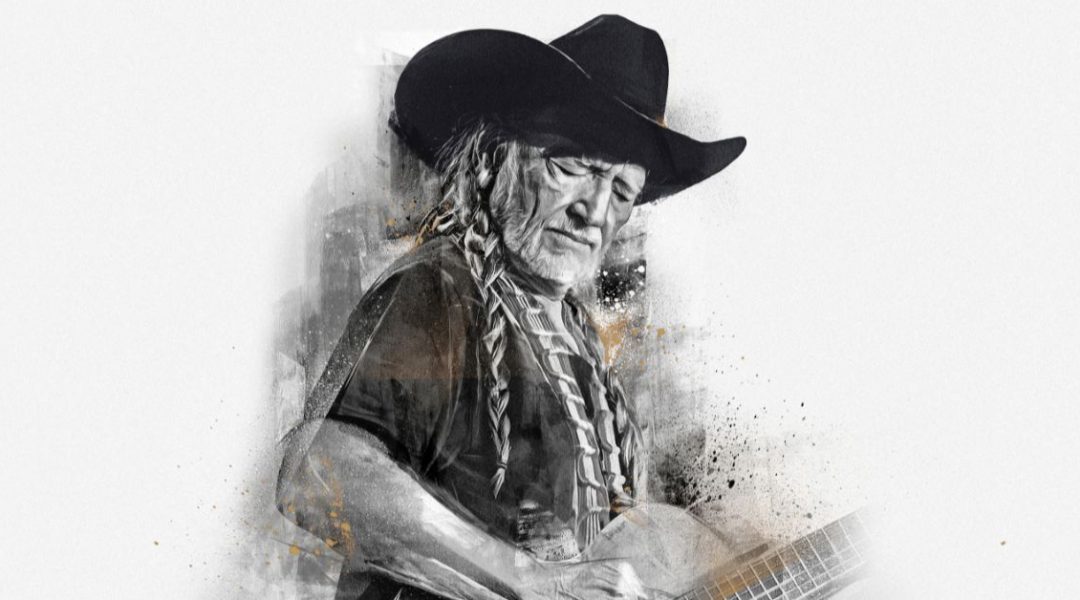
Red Headed Stranger is considered one of the greatest and most important country albums ever recorded. Fifty years after it changed the game with its artistry and concepts, we revisit both the album and the movie adaptation with a few of Willie Nelson’s loved ones and collaborators.
On a cool spring night in 1972, the “old” Willie Nelson came to Dallas to sing at an outdoor rally on behalf of a friend. Her name was Frances “Sissy” Farenthold, who in the early years of the feminist movement would go on to pull a stunning surprise. She forced a runoff in the Democratic primary against her opponent, future Texas governor Dolph Briscoe.
Willie was there to offer support, in the form of a song or two. At that point, the tunes would have been familiar to only his most ardent supporters, whose numbers in the coming years would not just increase but explode.
 Willie Nelson signing a copy of Red Headed Stranger at an album release party in Atlanta, 1975.
Yet on that evening at a leafy green park in Dallas, Willie was nothing more to most of us than a red-headed stranger. As a sophomore at Southern Methodist University, I was there that night, wondering, Who is this guy standing before us? To me, he looked a bit like Howdy Doody. He was outfitted in a blue sport coat and tie, with wavy red hair seeming as though he had just left the chair of my East Texas barber granddaddy Quitman Arzle Wilbourn, who could tame anyone’s unkempt locks with the buzz of a pair of clippers and big-boy doses of a sweet-smelling purple tonic.
For all I knew, maybe Willie had left Quitman’s chair on his way to Dallas. Appearances aside, however, the lingering impression I came away with that night was Willie’s voice. I remember thinking how distinctive it was. I had never heard any voice quite like his. It was to the ear what coffee is to smell or taste. It left you wanting to hear more. Another cup of what he’s singing, please.
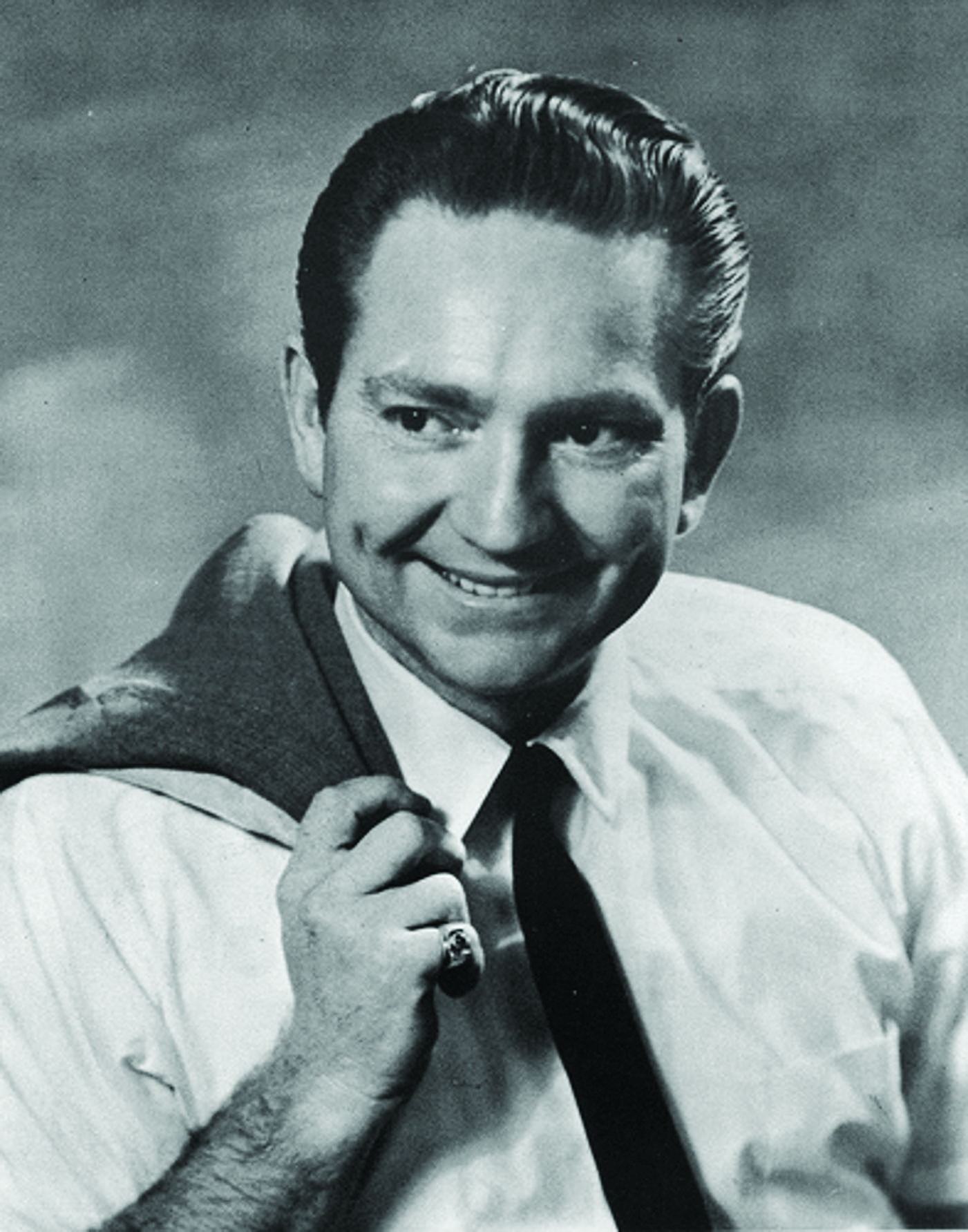 A Grand OIe Opry publicity photo before Willie Nelson's transformation.
Even so, there was nothing to remember him by until three years later, when, suddenly, everyone seemed to be asking, “Who the heck is this new sensation, Willie Nelson?” After its release in May 1975, Red Headed Stranger recorded more than 2 million sales and became the No. 1 country album in America. But more than anything, it became a turning point, the defining moment for an artist whose first album had been released in Nashville in September 1962, a month before the Cuban Missile Crisis when John F. Kennedy was president. Willie’s debut album contained three hit singles, each recorded first by better-known singers — “Hello, Walls,” (Faron Young), “Funny How Time Slips Away” (Billy Walker) and “Crazy” (Patsy Cline).
And by the time Red Headed Stranger arrived, so had the “new” Willie, whose long hair, flowing beard and red bandana remains in place even today — at age 92. Willie was born barely a month after the inauguration of President Franklin Delano Roosevelt, who was elected to do nothing more than undo the crippling effects of the Great Depression.
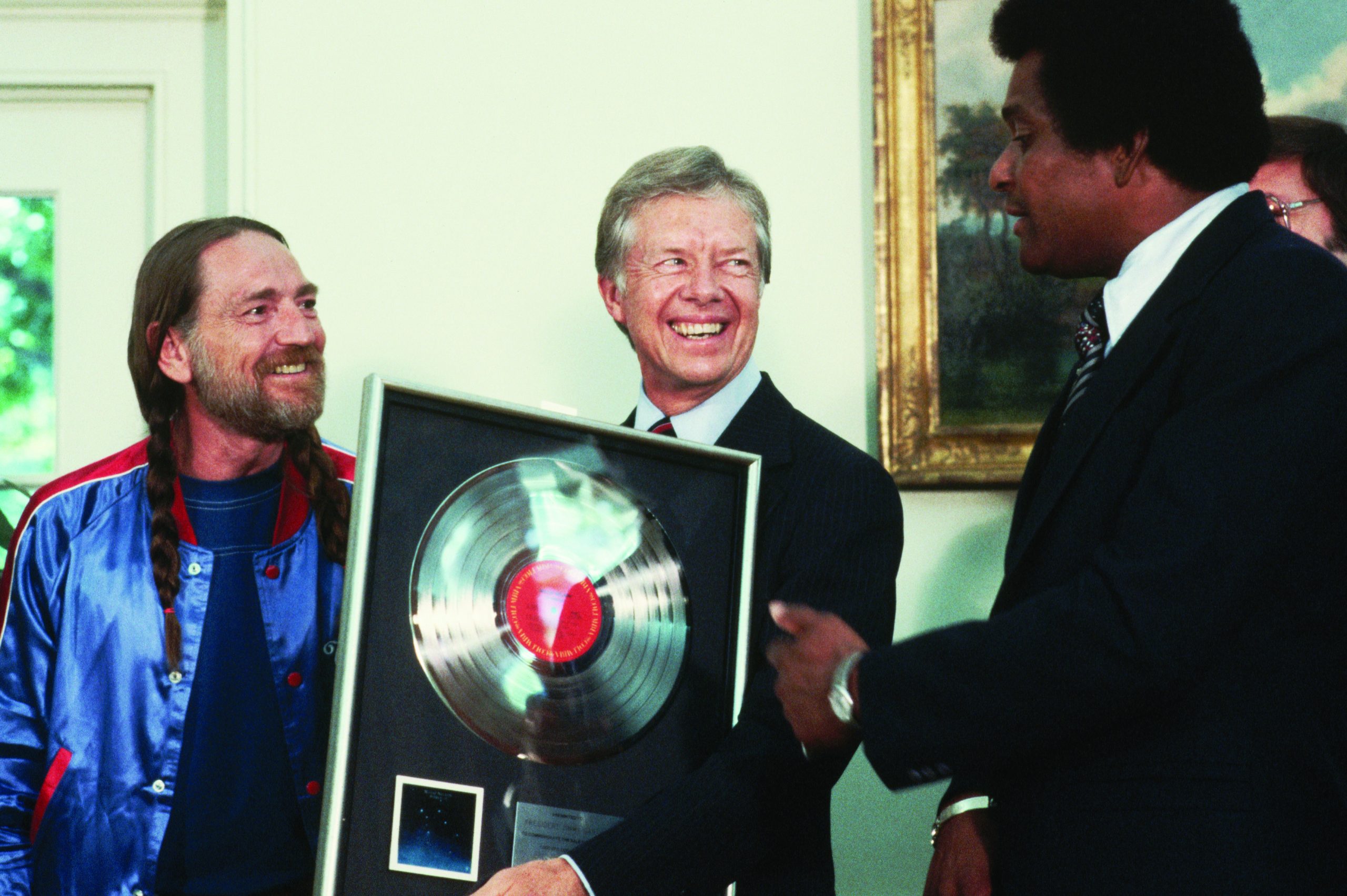 Nelson in the Oval Office presenting a gold record to one of his biggest fans.
Fifty years after the release of Red Headed Stranger, Willie and his landmark record are being celebrated. The City of Garland, Texas, is where Red Headed Stranger was recorded in a single room in a state-of-the-art studio — befitting the triumph of minimalism that served as a hallmark of Willie’s escape and freedom from the gawdy excesses of Nashville. There was a three-day event there in May to honor the anniversary, complete with an opening-night screening of the TV movie version of Red Headed Stranger. Dallas native Morgan Fairchild, an alumna of Lake Highlands High School and Willie’s female lead in the film, was scheduled to appear and answer questions.
By the time Red Headed Stranger emerged as a made-for-TV movie on CBS, the “new” Willie had become a whole lot more than a popular country singer. He was an icon. Between the time Red Headed Stranger was released as an album in 1975 and as a movie in 1986, Willie had recorded no fewer than 10 No. 1-selling country albums, the most popular being Stardust, which since its release in 1978 has sold more than 5 million copies.
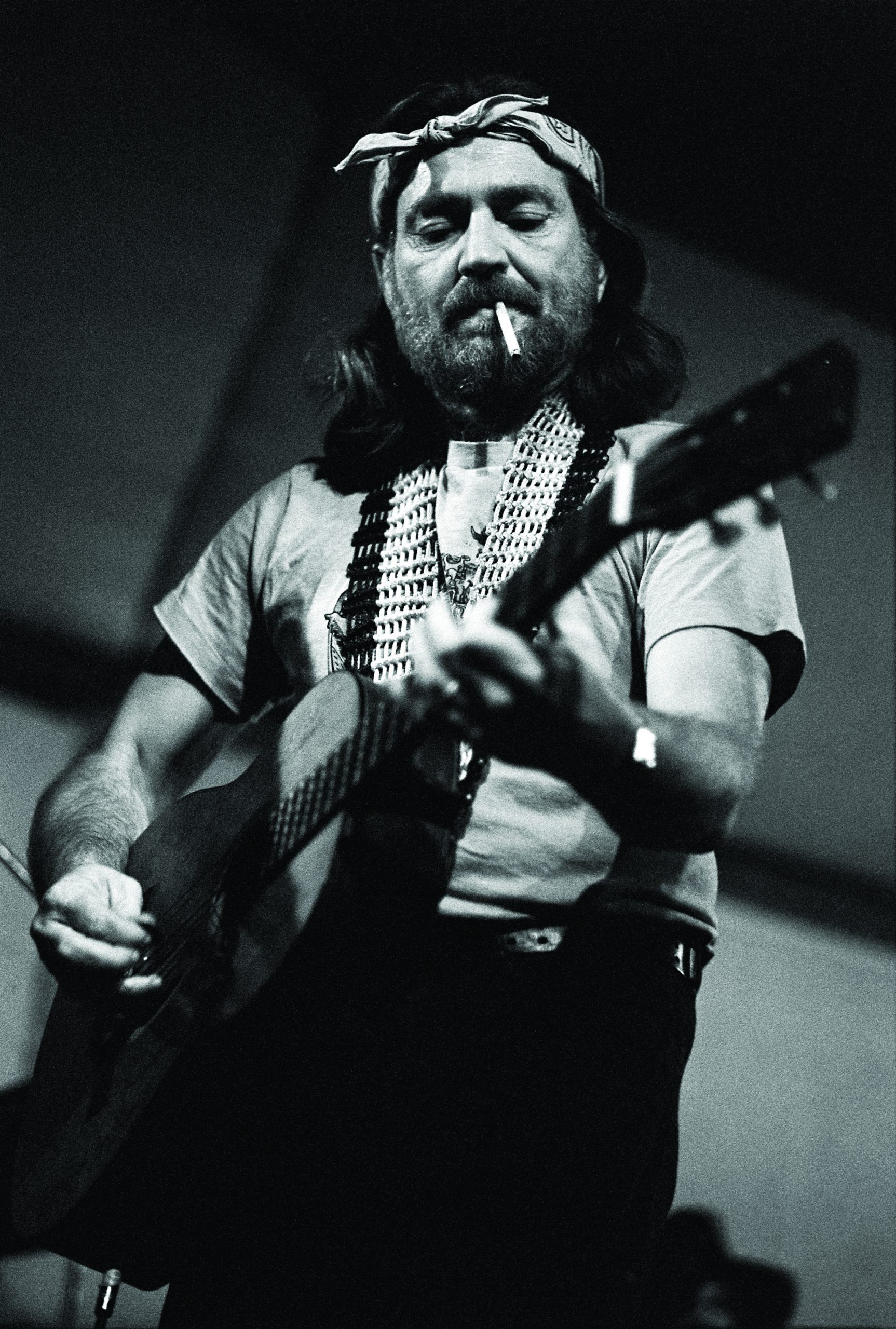 Nelson performing at the Great Southeast Music Hall in Atlanta, 1975.
Jimmy Carter served as U.S. president from 1977 until Ronald Reagan’s inauguration in 1981, casting Willie’s net even wider by inviting him to the White House and making sure that the guy from Abbott, Texas, was known far and wide as the 39th president’s favorite musician.
Future President Carter invited Willie to sing Ray Charles’ “Georgia on My Mind” on the campaign trail in 1976 and in 2002 in Oslo, Norway, where Carter was awarded the Nobel Peace Prize.
“I think as much as any performer who has ever lived, Willie has had an intimate and natural relationship with working people,” Carter said.
“When I was in trouble in the White House or needed to be alone, just to relax — I’m a fly fisherman, and I would tie flies in my study, where Truman used to work, while Willie Nelson songs played on the hi-fi. So, all the good things I did or, of course, all the mistakes I made, you could kind of blame half that on Willie.”
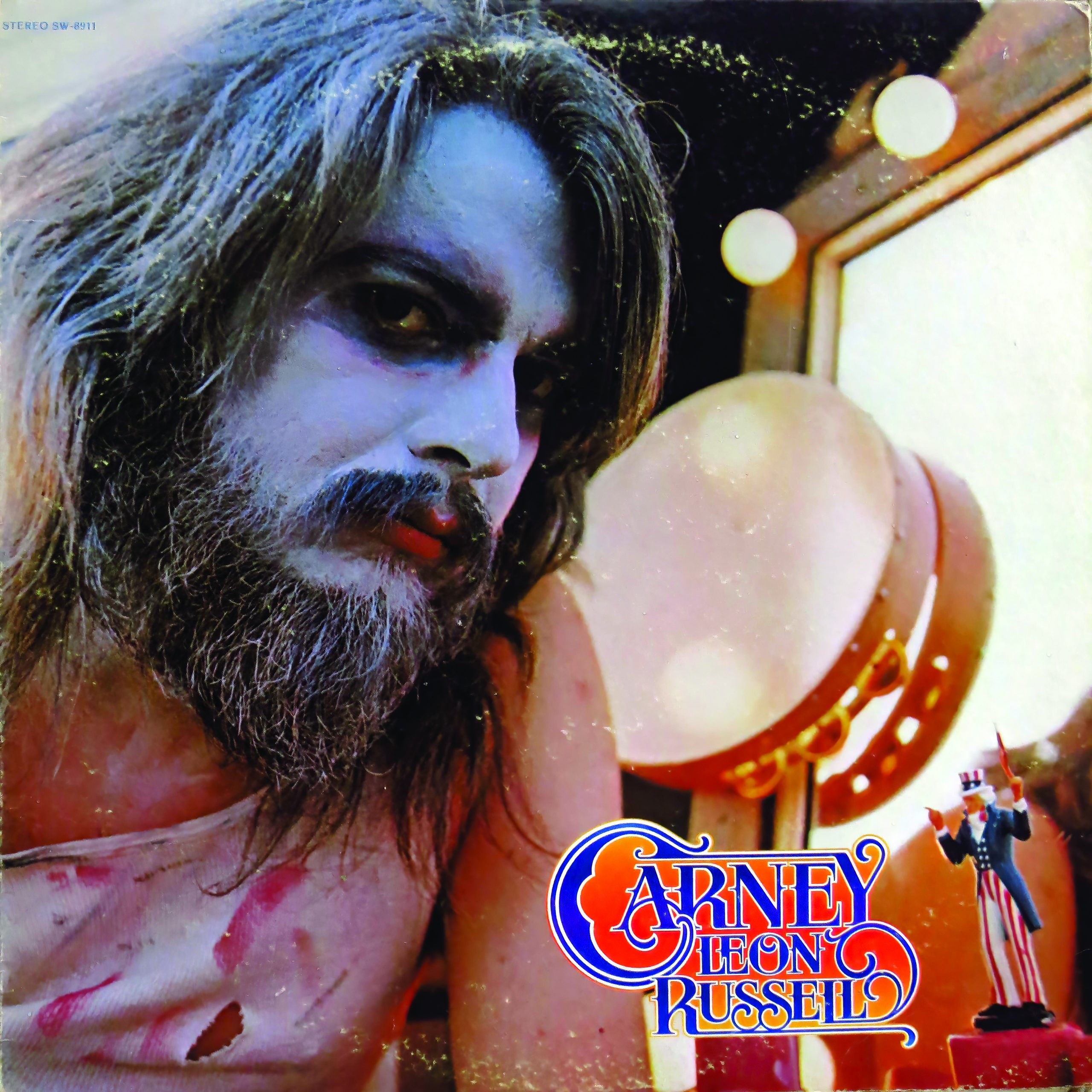 Carney, the Leon Russell album that changed Nelson’s look and life.
Red Headed Stranger transformed not only Willie’s career but also his life. And yet, its history might not have happened had it not been for a woman named Connie Nelson (nee Koepke), who became Willie’s wife in 1971. They remained married, she says with a laugh, “for 20 years and six days. I really loved him and threw myself in 100 percent.”
Connie says the musical transformation soon extended to Willie’s looks. That, too, unfolded in 1972, when Connie traveled to a car dealership in Big Spring, Texas, to pick up the couple’s new Buick. During the trip, Willie’s then-wife stopped by a record store in Big Spring, where an album playing over the speaker prompted her to say, “Whoa, whoa, who is that?” It was a record called Carney, by an artist named Leon Russell.
Connie was so mesmerized by Carney that, after buying a cassette of it, she pulled up to a phone booth and frantically called Willie just to play it for him. He, too, reacted with a “Whoa!” Soon, Connie and Willie found themselves at a Leon Russell concert, becoming not only big fans but also fast friends. And therein lie the seeds of another transformation. Inspired by Russell, “Willie started to let his hair grow,” Connie says, soon morphing into a man that stood a world apart from the blue blazer- Howdy Doody dude seen at the Farenthold rally months earlier.
“Willie hated his dimples,” Connie says, “which became a good reason for him to grow out his beard.”
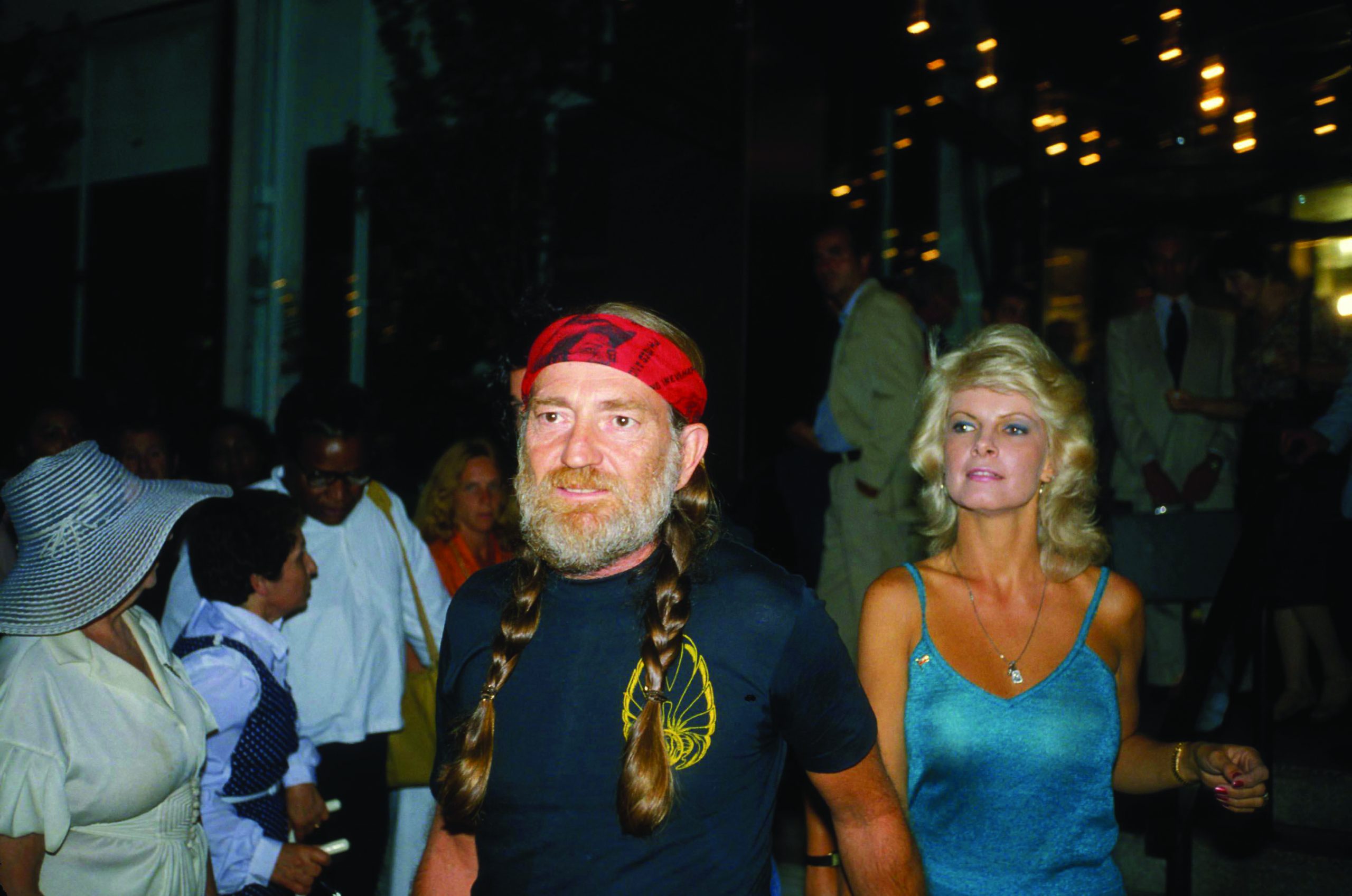 Willie and Connie Koepke.
Connie’s legacy as Willie’s wife is now chiseled into the history of Willie folklore, in particular her role in helping him punch a ticket to transformation. The seeds of Red Headed Stranger were sewn on a road trip to the Rocky Mountains, when Willie and Connie were driving home to Texas from a skiing trip in Steamboat Springs, where the Nelsons had gone to visit a friend of Willie’s, an Olympic alpine gold medalist named Billy Kidd. On the return trip to their new home in Austin, Willie opened up, telling Connie he had a deadline looming for an album, his first on the legendary label, Columbia Records. He wanted it to be special. But at the moment, there was nothing in his head to suggest even the beginnings of a record. He was not unlike a college kid, who, the night before the final, has yet to crack open the book.
Willie hated his dimples, which became a good reason for him to grow out his beard.
So, on a dime, Connie hatched a plan. Willie had entered the marriage with Connie as a father of three. Together, he and Connie produced two more, both girls. With all five — he’s now the father of eight — Willie loved to sing them to sleep, a favorite story-in-a-song being “Tale of the Red Headed Stranger,” written years earlier by Arthur “Guitar Boogie” Smith. Willie knew it well, having also sung it while hosting a radio show in Fort Worth.
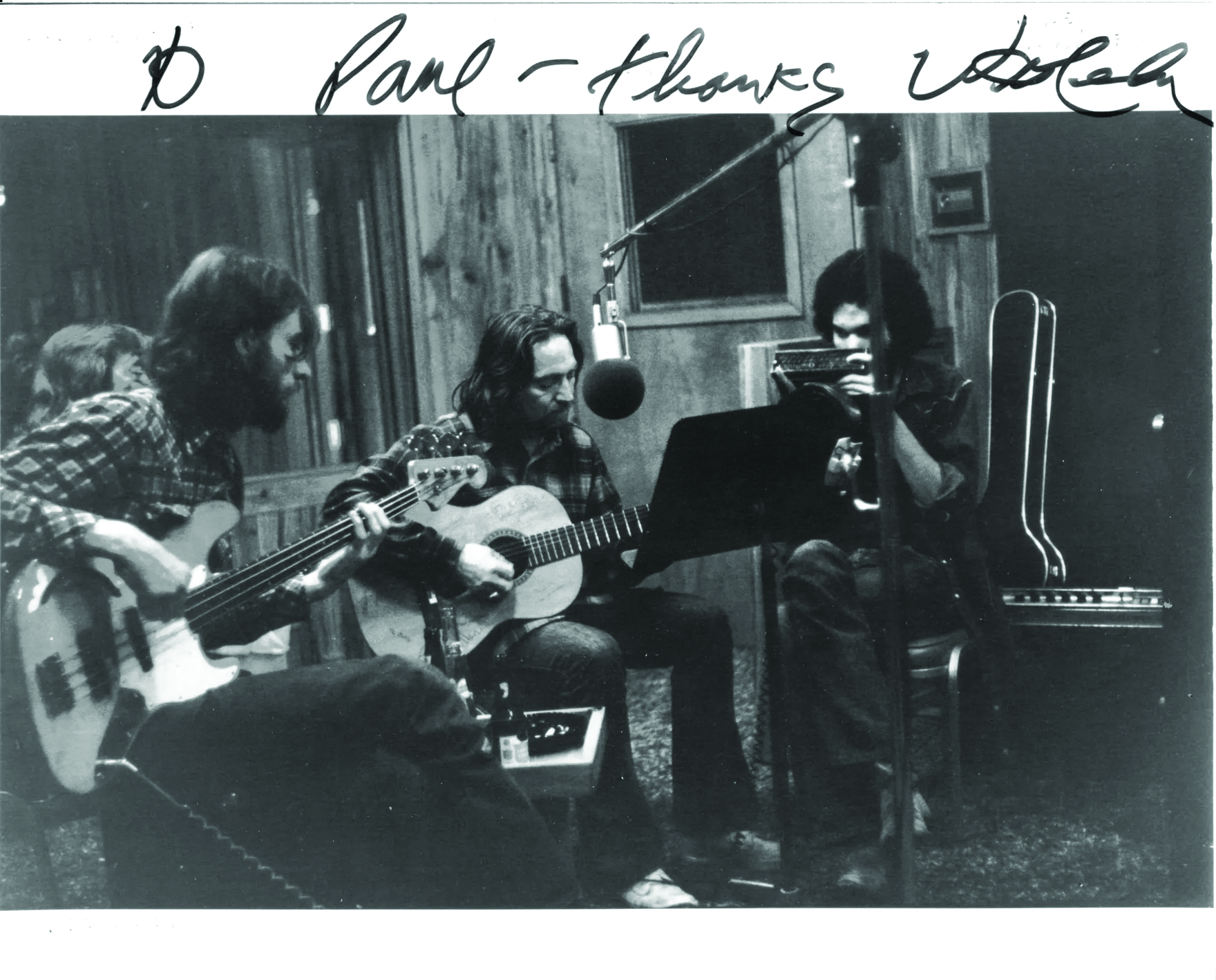 Nelson in the studio.
He murmured to Connie, somewhat in desperation, “Help me think of something.” To which she replied, “Why don’t you do ‘Tale of the Red Headed Stranger’? Put a bunch of songs around it and make it come alive. And that’s when he said, ‘Grab a pen and some paper.’”
Connie’s idea did nothing less than begat a concept album, about a fugitive on the run after killing his wife (played in the movie by a stunning Morgan Fairchild) and her lover. Not all the songs were written by Willie. In addition to the title track, they include Fred Rose’s “Blue Eyes Crying in the Rain,” Louis Wolfe Gilbert’s “Down Yonder” and Eddy Arnold’s “I Couldn’t Believe It Was True.” But regardless of who wrote what, Willie took on a new role that more than anything symbolized his escape from the musical prison that he believed Nashville had become: He was now an arranger.
Released as a single before the arrival of the album Red Headed Stranger, “Blue Eyes Crying in the Rain” became Willie’s first No. 1 hit. (In 1976, the single alone brought him his first of a dozen Grammy awards.) Years later, Rolling Stone designated Red Headed Stranger one of its “500 Greatest Albums of All Time.” Country Music Television gave it the top spot on its 40 Greatest Albums in Country Music.
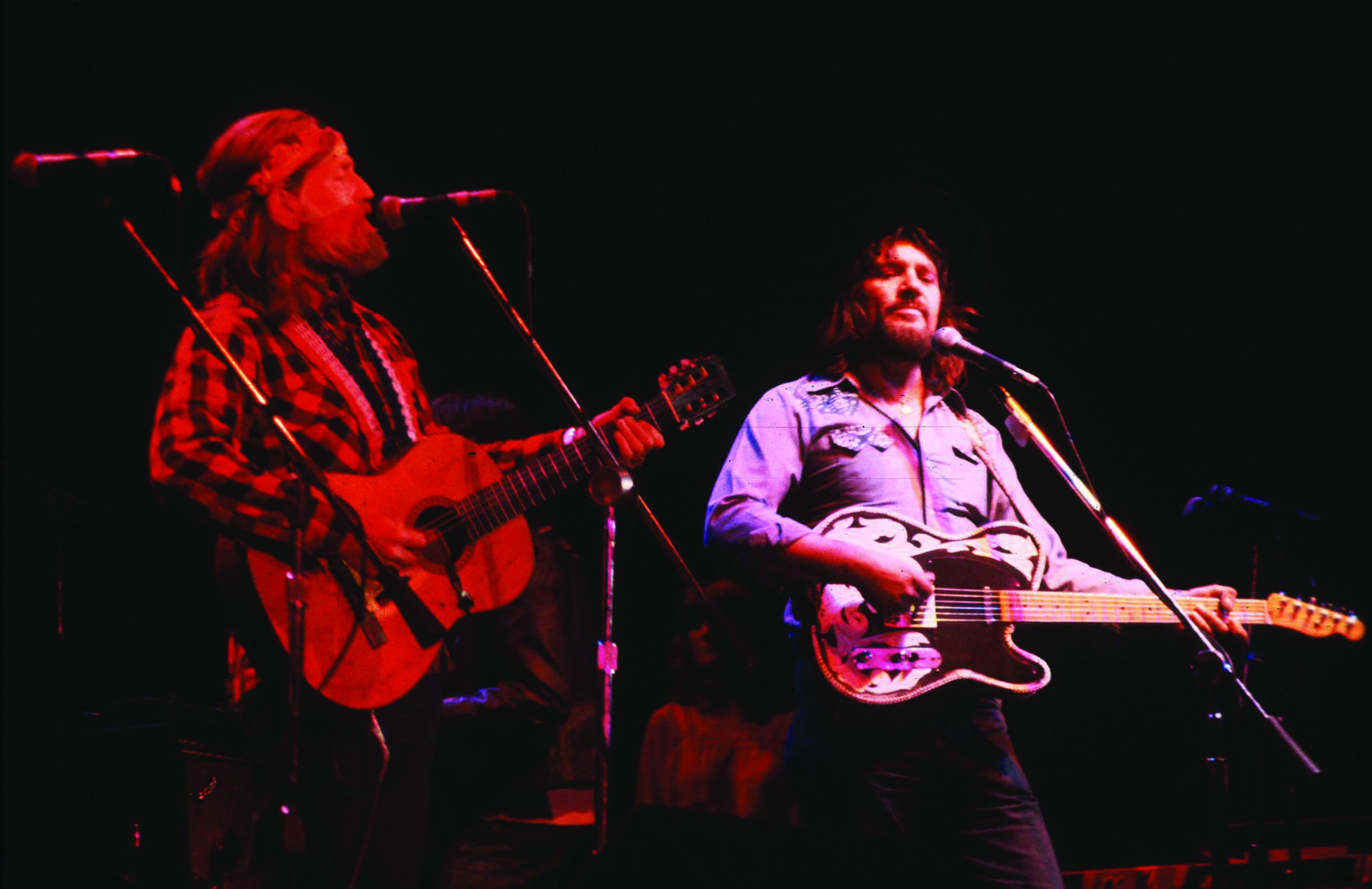 Performing with Waylon Jennings.
Why don't you do 'tale of the red headed stranger'? Put a bunch of songs around it and make it come alive.
And yet, its delivery was scary, not unlike a new mom being so excited about the birth of her first baby but wondering later how the heck she made it out alive. Music history is packed with stories of records having to clear herculean obstacles before emerging as something remotely close to a classic. Red Headed Stranger was no exception.
It was, remarkably, Willie’s 19th album. But the last thing he wanted was the busy, overproduced Nashville cacophony that he felt was sabotaging even the best country music. In his desire to be reborn, if you will, Willie fled Tennessee for Texas, managing to change even the way he looked. Not that there wouldn’t be bumps or potholes as big as craters along the way.
Engineer Phil York, who had recently gone to work for the newly opened Autumn Sound Studios in Garland, Texas, got word of what Willie wanted. York knew Willie’s harmonica player Mickey Raphael and offered Willie a day of free recording to boost the popularity of the studio. What emerged was a triumph of minimalism — a clean record with utterly spare arrangements.
 Nelson opening the July 4th Music Festival in 1974.
Which were executed beautifully by a modified Martin N-20 nylon-string classical acoustic guitar that Willie dubbed “Trigger,” after the horse of singing cowboy Roy Rogers. Willie’s love for Trigger is so deep that, along with a stash of rare Colombian weed, he risked his own life (and pissed off a whole bunch of firefighters) by choosing to re-enter a towering inferno and pull Trigger (and the weed) from the flames that left his Nashville residence in ruins. Can you think of a better reason to get out of town? If anything, the fire underscored Willie’s long-held belief that his destiny truly lay elsewhere — so why not go home to Texas?
Willie was so pissed off ... in desperation, Willie turned to a trusted amigo, songwriter Waylon Jennings.
Willie loves Trigger, as he has said many times in the past, for being a guitar that reminded him of the sound he wanted to emulate, that of Belgian French jazz guitarist Django Reinhardt. He has even vowed to take Trigger to his grave. But Trigger’s appearance on Red Headed Stranger was by no means a solo.
 Willie Nelson performing with "Trigger" in 1975.
Providing lastingly memorable backup to Willie, and all appearing for the first time on record, were the linchpins of his legendary touring band, including sister Bobbie Nelson on piano, Jody Payne on guitar and mandolin, Paul English on drums and the wondrous Mickey Raphael, who added the sweetest harmonica riffs at just the right time.
Even with all that, Red Headed Stranger made a surprisingly bad first impression.
Willie presented the completed cut to Bruce Lundvall, a newly minted executive at Columbia Records, which had recently signed Willie to a new contract, based largely on the success of his 1974 concept album, Phases and Stages.
But, Connie says, Lundvall said no to Red Headed Stranger. “Willie was so pissed off,” she says. At that point, in desperation, Willie turned to a trusted amigo, songwriter Waylon Jennings, who offered to lobby Lundvall (aggressively) on Willie’s behalf. “Lundvall apparently felt,” Connie says, “that it wasn’t commercial.”
 The poster from the 1986 movie.
Lundvall’s initial reaction was surprising, even stunning, given that a year earlier, he had championed Bruce Springsteen’s breakout album, Born to Run. In the end, Lundvall listened to Waylon and agreed to give Willie and his album a second listen.
And the rest, as they say, is music history.
Willie reinvented himself in Austin and became a one-name super star. Willie transcended even football.
But in some respects, Red Headed Stranger was only the beginning. Willie loved the endearing alchemy of Austin, which marinated cowboys and hippies in a stew that transformed Austin almost overnight, from a sleepy state capitol and college town into the birthplace of the Cosmic Cowboy. The Outlaw movement. Willie loved performing at Armadillo World Headquarters. And he was the guest of honor for the pilot of a new TV series called Austin City Limits, which also recently turned 50.
“Willie Nelson sang country music,” Connie Nelson recalls, “but the hippies loved every bit of it.”
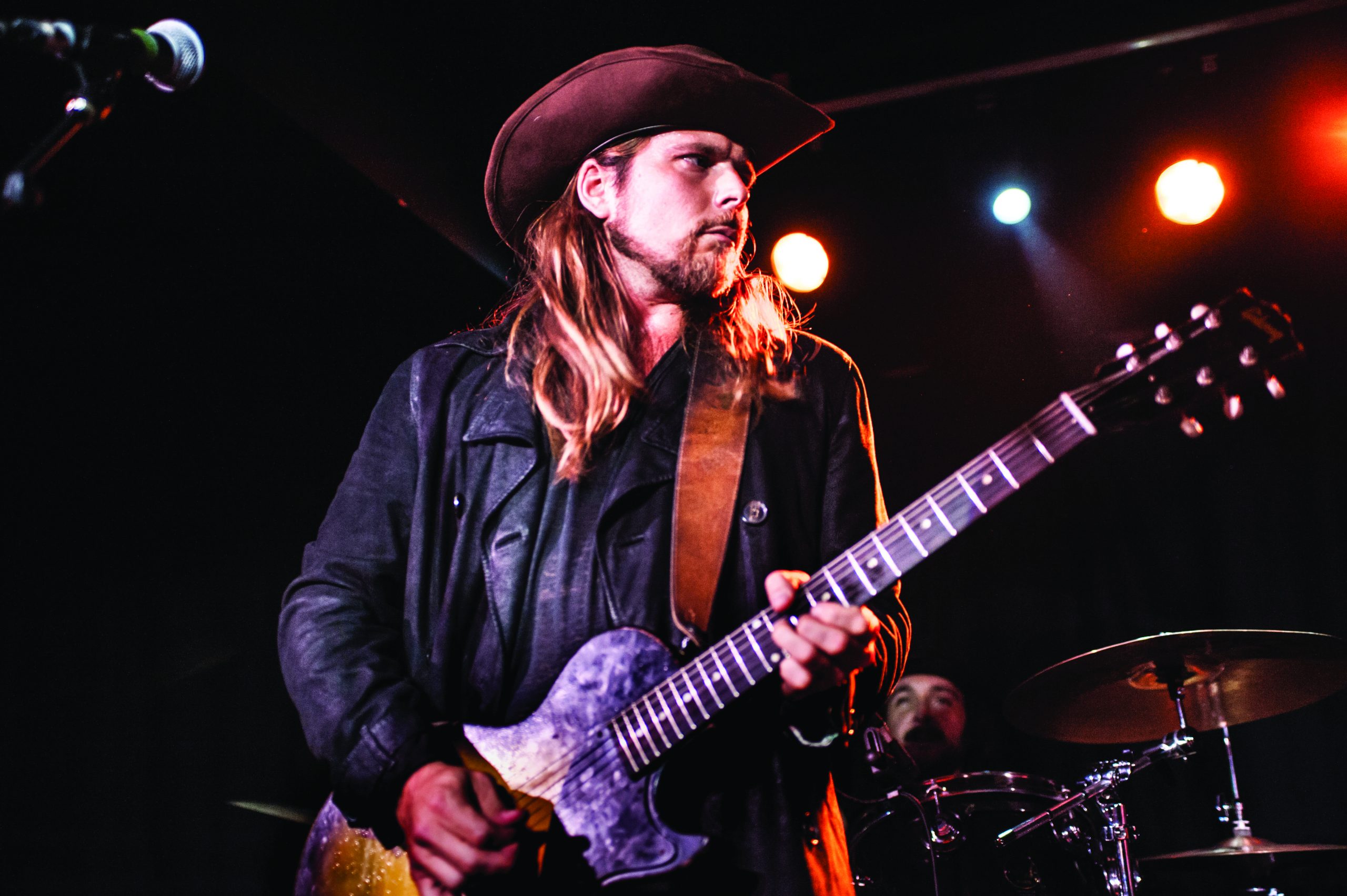 Son Lukas performing with his band Promise of the Real.
In the process, Willie wasn’t the only one being transformed. Austin underwent a similar metamorphosis — an identity change that lingers even now.
“His career should have been over,” contends Joe Nick Patoski, who wrote the 2008 biography Willie Nelson: An Epic Life, whom I interviewed for a story I wrote for The Dallas Morning News on Willie’s 90th birthday in 2023. “But he reinvented himself in Austin, and he became what we now know as a one-name superstar. Willie transcended even football.
“I also look at him as the single-most important Texan of the 20th and the 21st century, because he not only reflects — he defines Texas culture. No other single person epitomizes the qualities that make Texans different from other people and separates Texas from the rest of the world, not just the United States.”
Morgan Fairchild, whom I interviewed for the Willie birthday article, called her good friend “a real Texan, through and through. All the best of Texas — the kindness, the gentleness, the toughness, the geniality, the wise-ass humor, everything that’s good about Texas is Willie Nelson.”
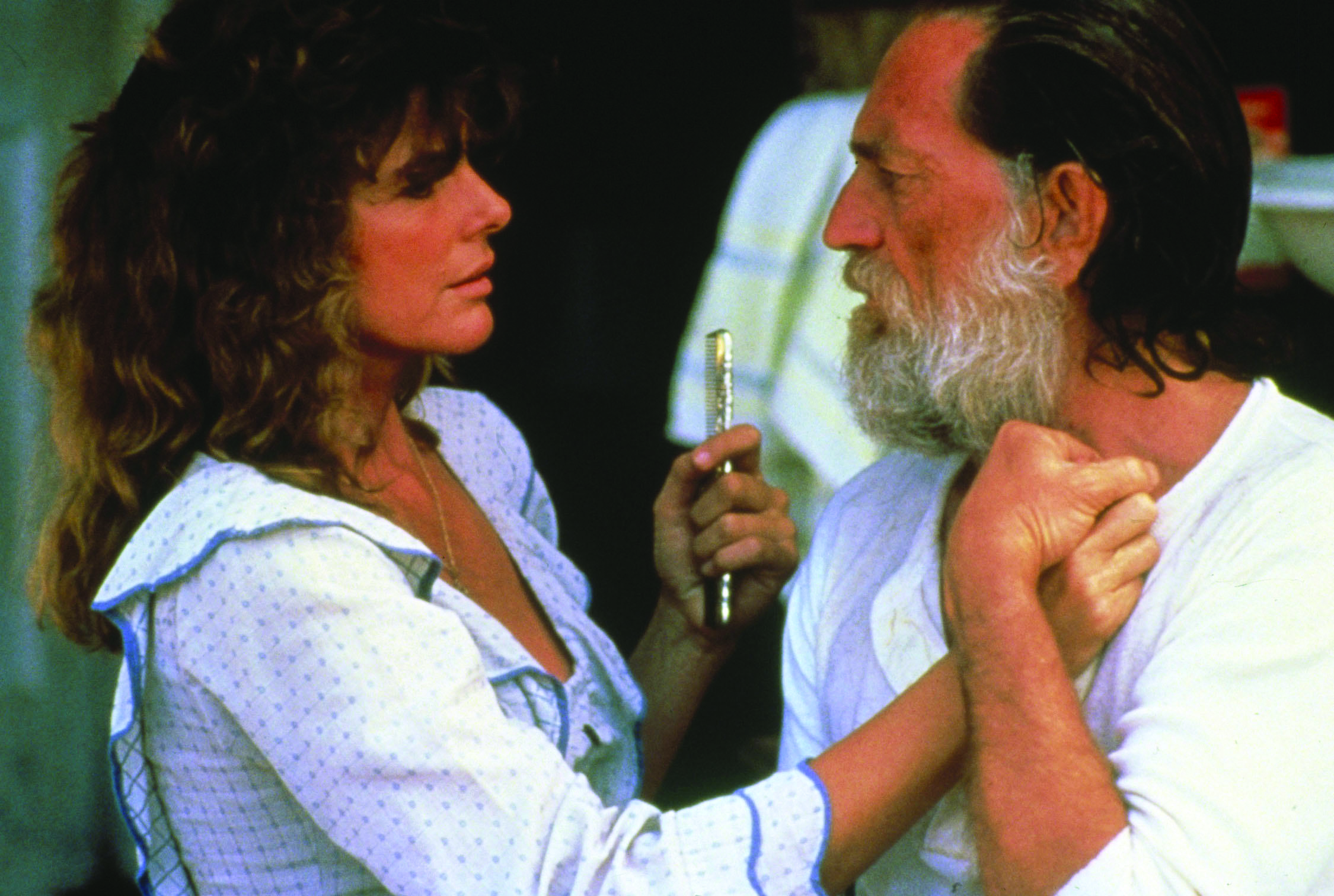 Nelson acting with Katharine Ross in the film version of his album.
In my interview with Fairchild in 2023, she described Willie as “the most wonderful guy in the world. What you see is what you get — funny, witty, really smart, and very quick, just the most kind, loving, giving human being.”
All of which is true, a process of self-actualization that had to be aided greatly, of course, by a man nearing the age of 40 choosing in the 1970s to be who he was and rejecting who he wasn’t — by leaving Nashville and changing the way he dressed and made music, freeing him to soar enroute to becoming the cowboy visionary he was meant to be.
More so than even Frank Sinatra perhaps, Willie proclaimed, “I’ll do it my way” — and he was right. And we are all the better for it.
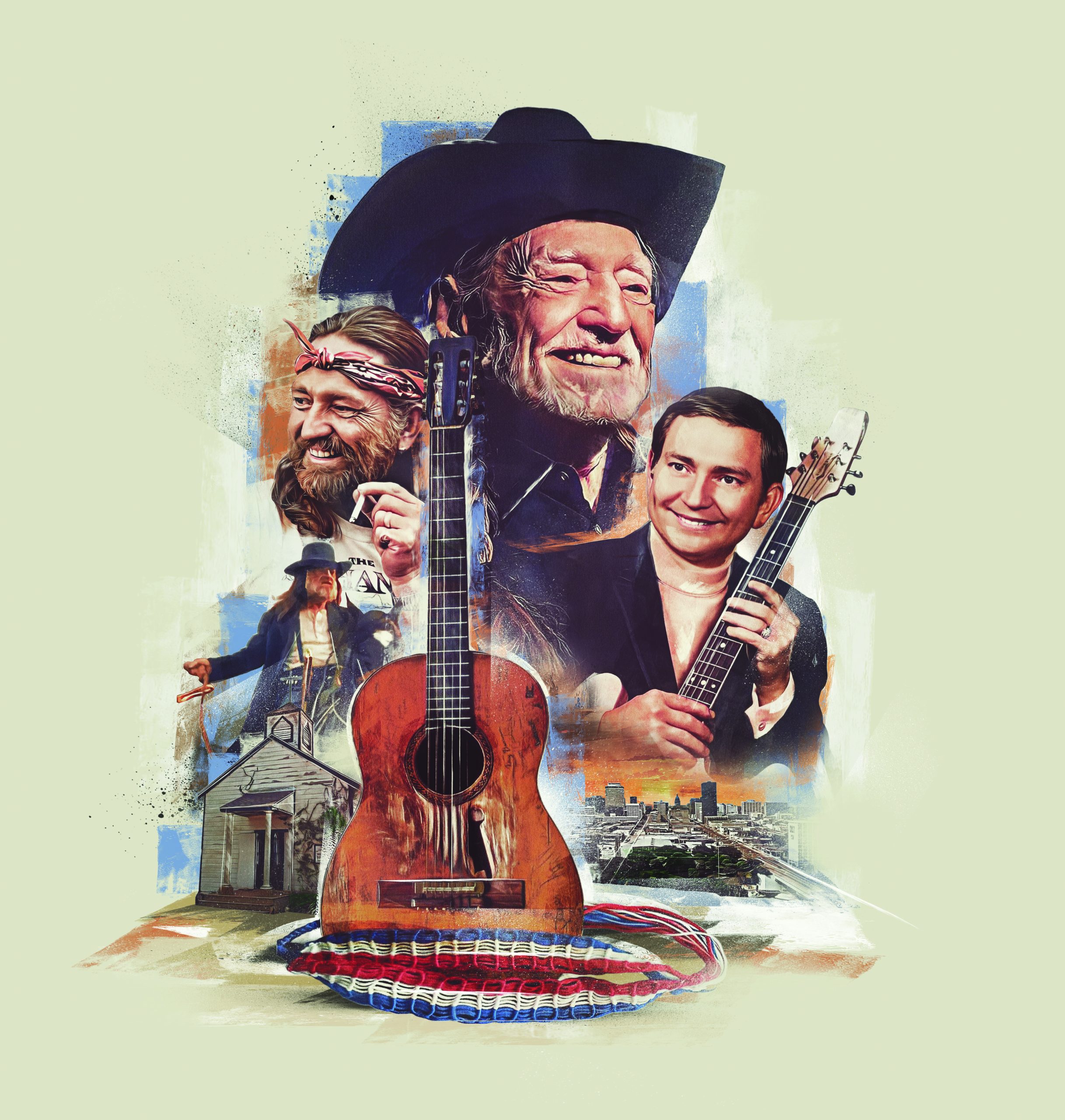
Get yourself a copy of the Red Headed Stranger issue on newsstands now.

Illustration by Neil Jamieson
PHOTOGRAPHY: Getty Images, Alamy