



Immerse yourself in centuries of artistic and cultural traditions with these Native American art collections in the West.
No matter the medium, Indigenous artwork has a depth of soul dating back millennia. That’s not hyperbole — truly the techniques and traditions that many Native American artists carry on today have been passed down from one generation to the next, often evolving and adapting over time. Meanwhile, thoughtful, intentional curators at top museums have been steadily developing world-class collections of both contemporary and historical Indigenous art, with an eye toward respectful recognition rather than extraction or appropriation. In general, it’s vital to patronize cultural institutions that are working alongside and actively amplifying Native creatives as well as abiding by Native American Graves Protection and Repatriation Act standards. In addition to the museums that many tribal nations host on their own lands, here are eight top Indigenous art collections to see across the West.
 George Walkus (Kwakwaka’wakw), Four-Faced Hamat’sa Mask, ca. 1938. Wood, paint, cedar bark, and string; 21 x 51 inches. Denver Art Museum: Native Arts acquisition funds, 1948.229 (PHOTOGRAPHY: Courtesy of Denver Art Museum).
IAIA Museum of Contemporary Native Arts | Santa Fe
From co-founder Lloyd Kiva New to Allan Houser to Fritz Scholder, many leading figures in contemporary Indigenous art have attended and/or taught at the Institute of American Indian Arts, which has been recognized as a top arts institution by both UNESCO and the International Association of Art. IAIA’s contemporary art museum is no exception to that honor. MoCNA’s curatorial team stewards nearly 10,000 artworks created from 1962 to present, reflecting its mission to advance the scholarship, discourse, and interpretation of contemporary Native art. Housed in the landmark Pueblo Revival Santa Fe Federal Building, MoCNA also features the Allan Houser Art Park. iaia.edu/mocna/
 The portal columns at the Museum of Contemporary Native Arts (PHOTOGRAPHY: Courtesy of IAIA Museum of Contemporary Native Arts).
Anchorage Museum | Anchorage, Alaska
A Smithsonian Affiliate institution, the state’s largest museum paints an authentic picture of Alaskan life, with pieces intended to “awe, illuminate, challenge, unsettle, confound, and provoke.” It does that by showcasing paintings, sculptures, photos, and videos presenting voices from Alaska Native and other international North communities. anchoragemuseum.org
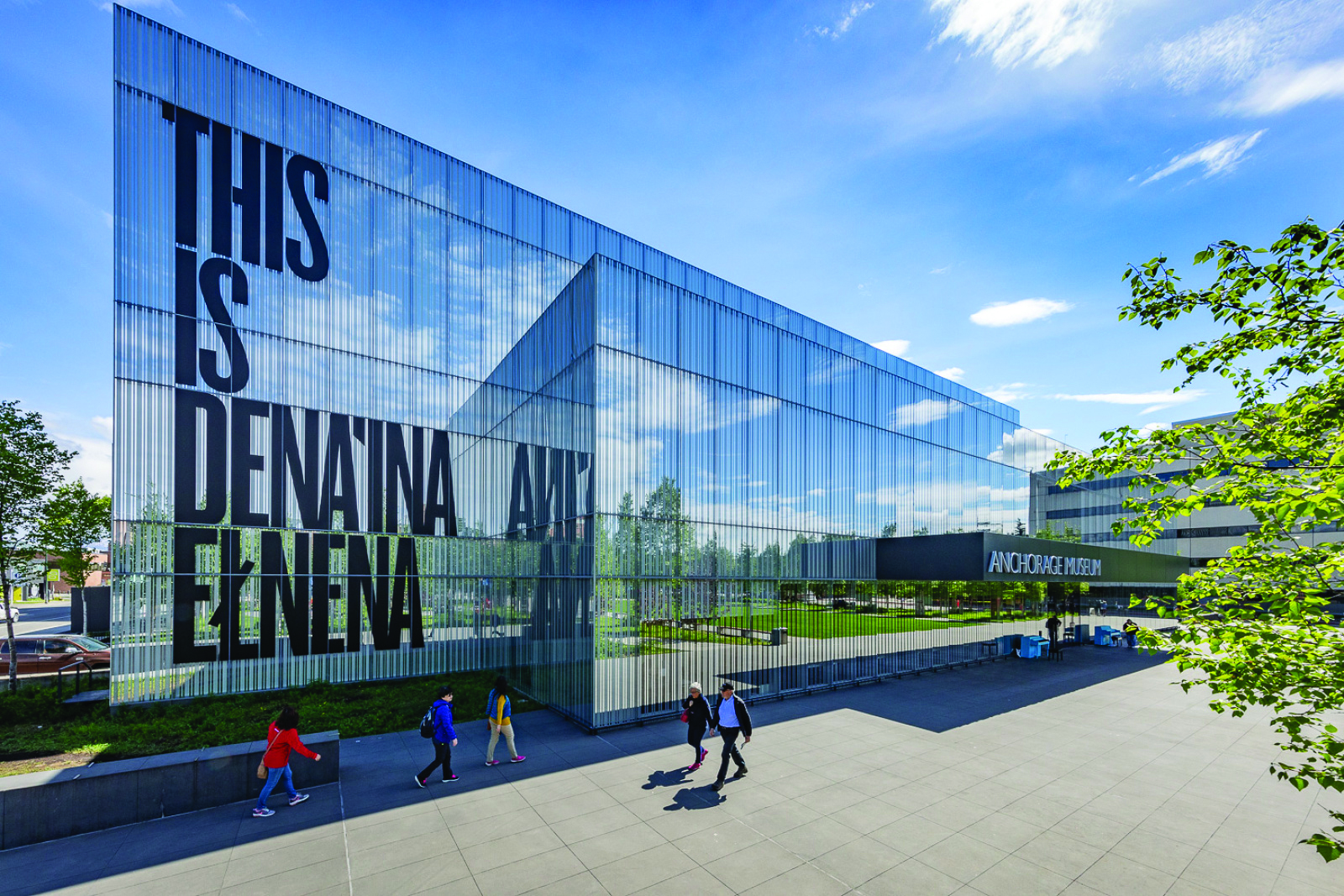 The Anchorage Museum (PHOTOGRAPHY: Courtesy of Anchorage Museum).
Heard Museum | Phoenix
The Heard has become internationally renowned throughout its nearly 100-year history for uplifting Indigenous artists, offering 12 galleries complete with extensive collections of paintings, drawings, textiles, baskets, beadwork, dolls, and more. It also hosts its popular Indian Fair and Market, the annual World Championship Hoop Dance Contest, and other ongoing events. heard.org
 The Heard Museum courtyard (PHOTOGRAPHY: Courtesy of Heard Museum).
Gilcrease Museum | Tulsa, Oklahoma
Founded by oilman, philanthropist, and art aficionado Thomas Gilcrease (Muscogee) in 1949 and now owned by the city of Tulsa, this eponymous cultural institution offers an interdisciplinary art collection of more than 350,000 works dating back to 12,000 BCE. A new $140-million facility that’s been three years in the making officially opens to the public in fall 2026. gilcrease.org
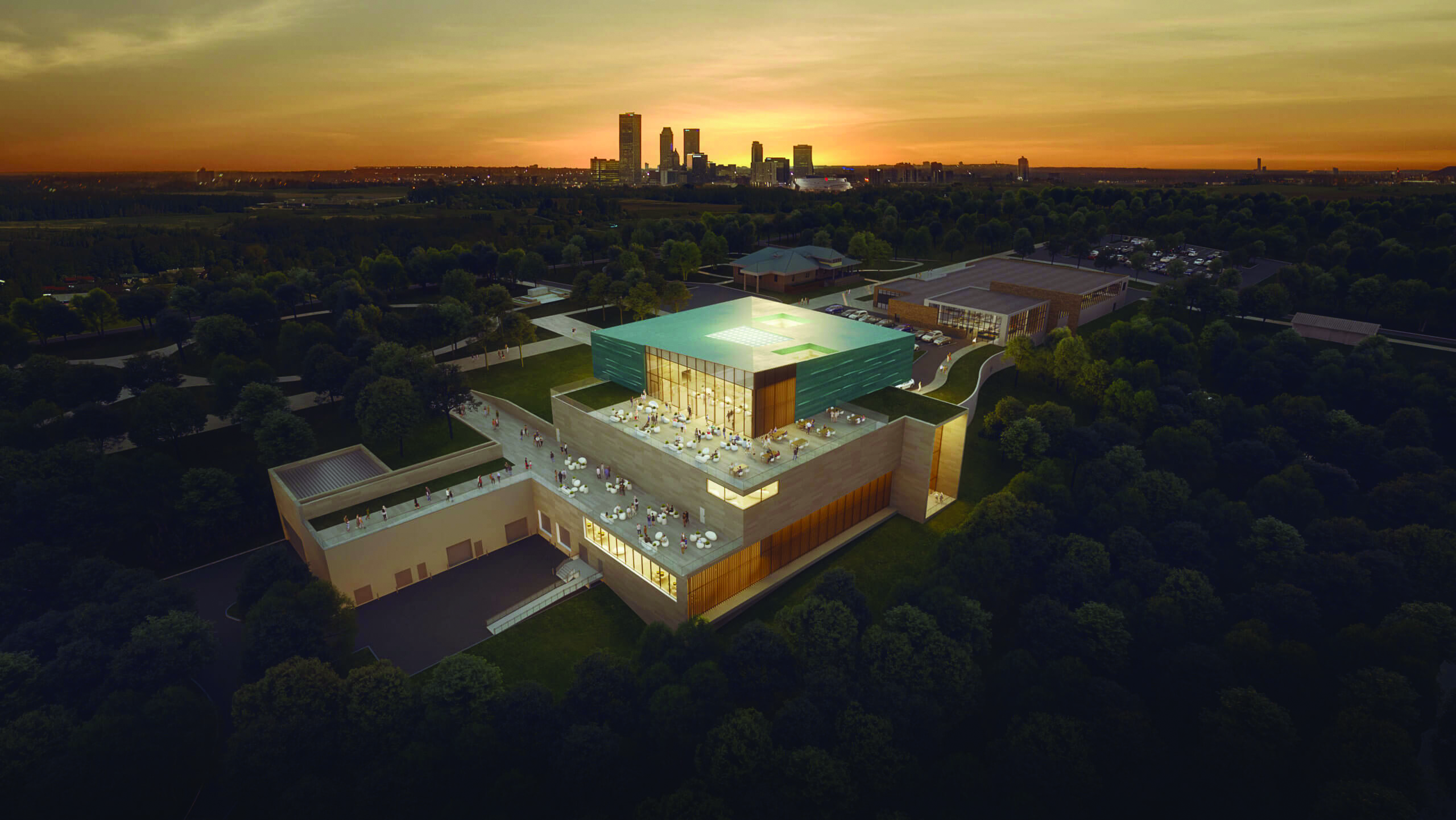 Rendering of the new Gilcrease Museum (PHOTOGRAPHY: Courtesy of Smithgroup).
Denver Art Museum | Denver
At a time when most institutions were acquiring Native artifacts solely for their anthropological value, the Denver Art Museum began collecting Indigenous artwork from across North America for its impeccable execution and aesthetic qualities. A century later, that enduring commitment encompasses some 18,000 works with ties to more than 250 tribal nations. denverartmuseum.org
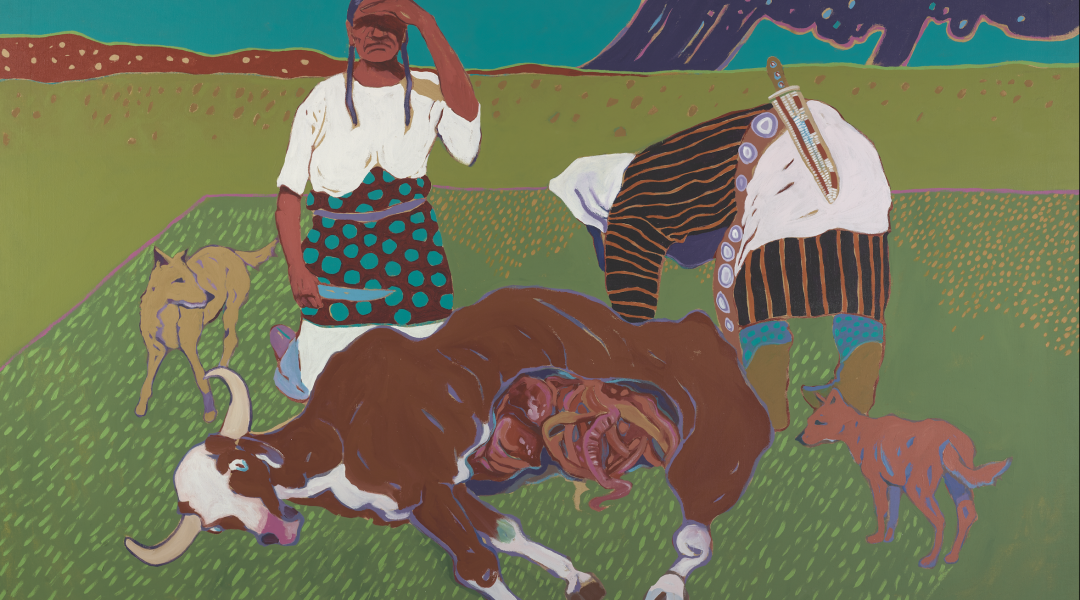
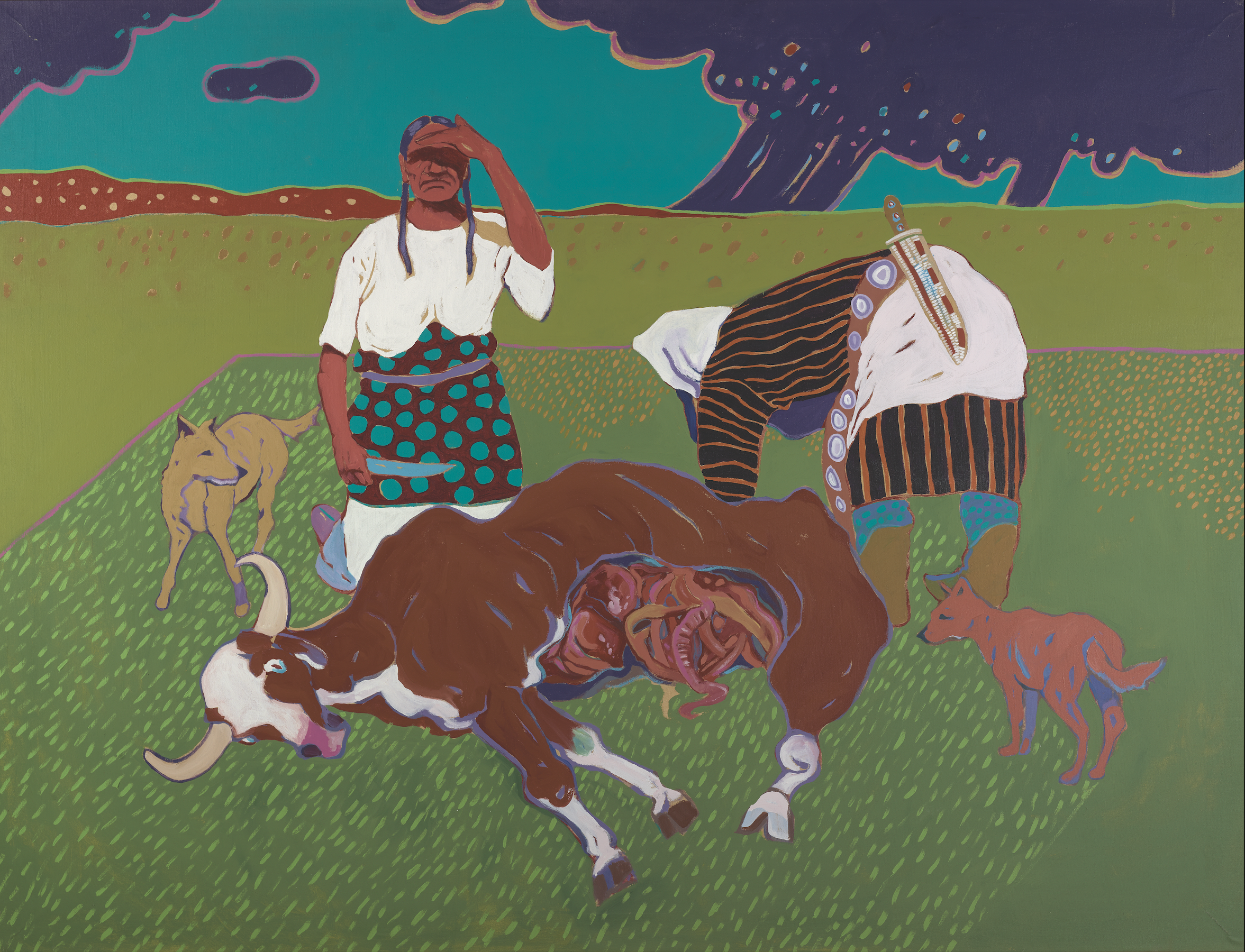 Beef Issue at Fort Sill, by T.C. Cannon (Kiowa/Caddo) (PHOTOGRAPHY: Courtesy of Denver Art Museum).
The Autry Museum of the American West | Los Angeles
Located within picturesque Griffith Park, the Autry tells the interwoven stories of the past and present American West, which of course include Indigenous perspectives. That narrative comes to life as ongoing evocative art exhibitions, an annual American Indian Arts Festival, and the 31-year-old Native Voices equity theater. theautry.org
 Flint knap obsidian knife with turquoise-inlay handle, by Dan Vallo (PHOTOGRAPHY: Courtesy of artist).
National Cowboy & Western Heritage Museum | Oklahoma City
The National Cowboy & Western Heritage Museum is known for its unmatched collection of cowboy, rodeo, and similarly iconic Western life memorabilia. It offers two dedicated galleries of Native art, including historical and contemporary pieces, as well as an outdoor exhibition dubbed Liichokoshkomo’ —Chickasaw for “let’s play” — with re-creations of traditional Indigenous dwellings ripe for exploration. nationalcowboymuseum.org
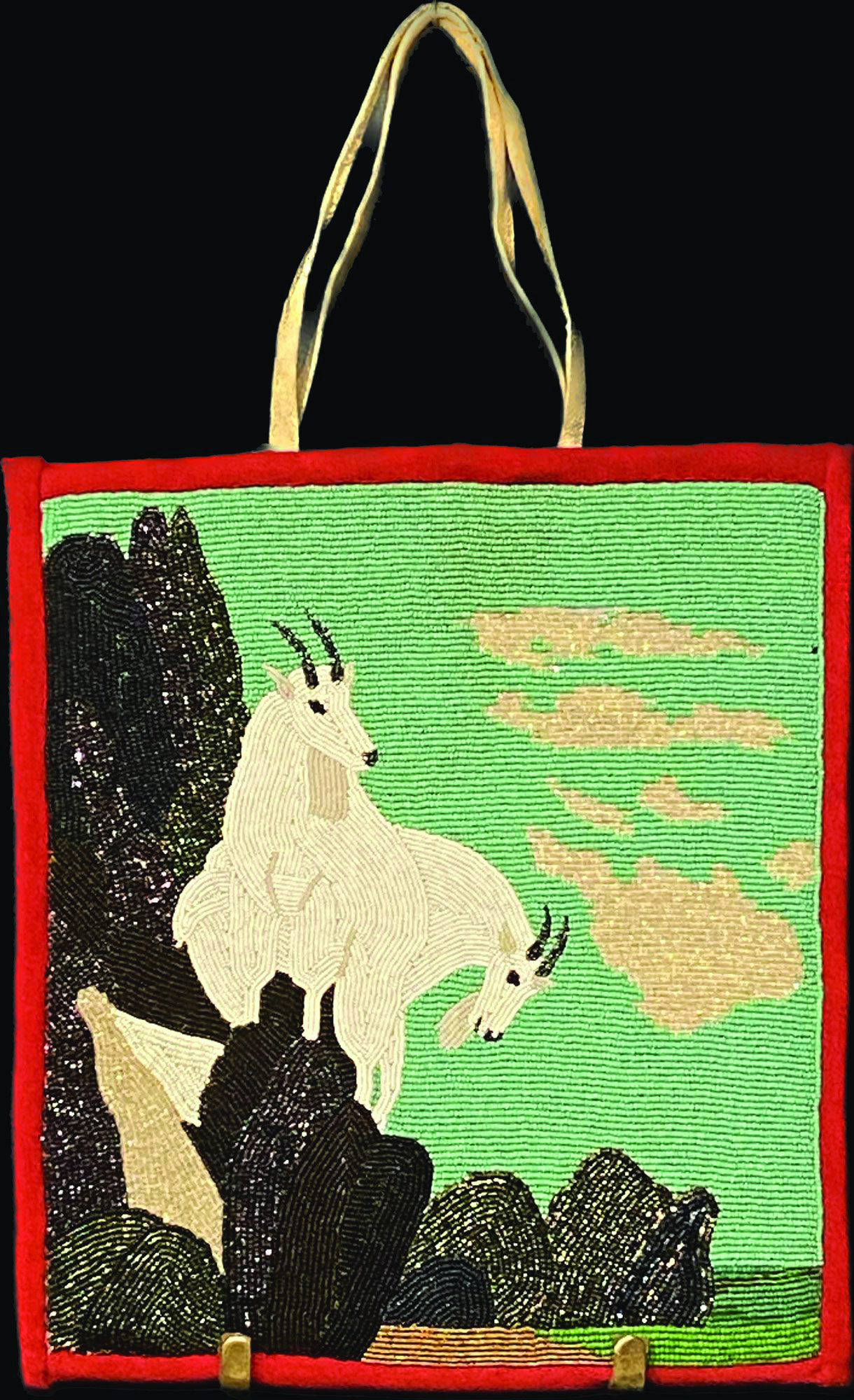 Beaded Mountain Goat Flat Bag, by Artist Once Known (PHOTOGRAPHY: Courtesy of National Cowboy & Western Heritage Museum).
Museum of Indian Arts & Culture | Santa Fe
Presenting art from prehistoric times through modern day, this museum shines a light on the rich diversity of the Southwest’s Indigenous cultures, specifically the Apache, Diné (Navajo), and Pueblo peoples. It is a division of the New Mexico Department of Cultural Affairs and part of a quartet of celebrated cultural institutions situated on Santa Fe’s scenic Museum Hill. That includes the Wheelwright Museum of the American Indian, where the current exhibition, Visualizing K’é: New Works by Marwin Begaye (Diné), presents 15 drawings and prints by the master printmaker and professor and runs through March 28, 2026. Here, Now and Always at the Museum of Indian Arts & Culture showcases the institution’s permanent collection and the depth and reach of its commitment to honoring Native voices through art. indianartsandculture.org, wheelwright.org
 From MIAC's Grounded in Clay project and traveling exhibition, a Cochiti Pueblo clay figurine (PHOTOGRAPHY: Courtesy of Cochiti Pueblo 50009/12 Gift of Dr. Phyllis Harroun MIAC).
From our August/September 2025 issue.