



Chills And Thrills With Canuck Cowboys
Northern British Columbia's ranches embrace tough Canadian winters, changing times, and adventurous tourists.
The rope feels alien in my gloved hands as I stand in the heated indoor arena at Alex Fraser Park, trying to channel my inner cowboy. Outside, the February temperature has plunged to minus 20 degrees Fahrenheit, and knee-deep snow blankets Alex Fraser Park in Quesnel, British Columbia. But inside the arena, a handful of patient cowboys and cowgirls with the Quesnel Team Roping Association are teaching me the art of the loop. “Wider circles,” coaches my instructor, as I awkwardly swing the lariat over my head, attempting to develop the smooth rhythm I’ve seen in countless rodeos. The static calf model, mercifully immobile, stands roughly 10 feet away. My first throw sails well wide, the second drops short, but the third almost finds its mark. The small group cheers as if I’d just won the National Finals Rodeo.
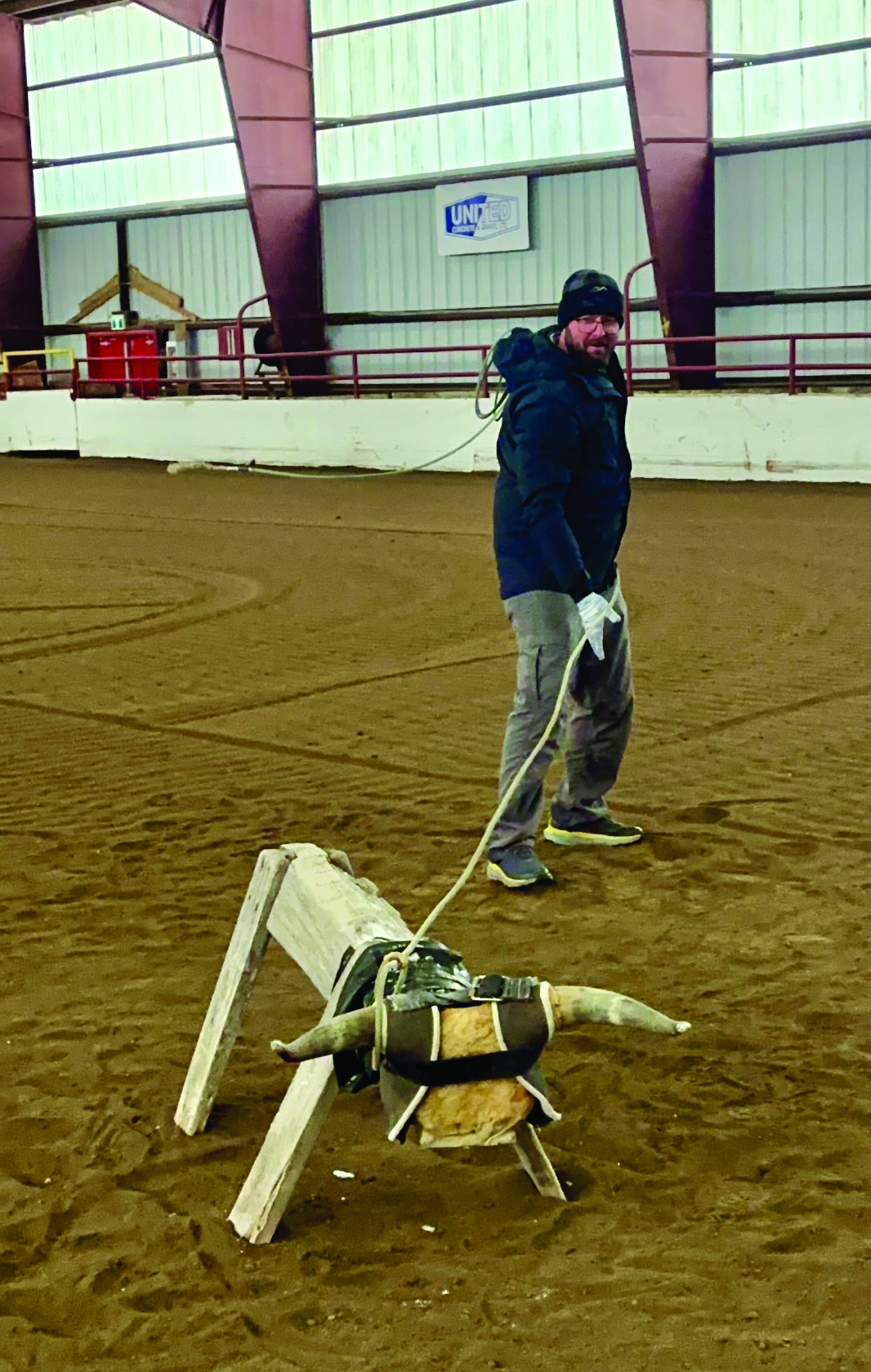
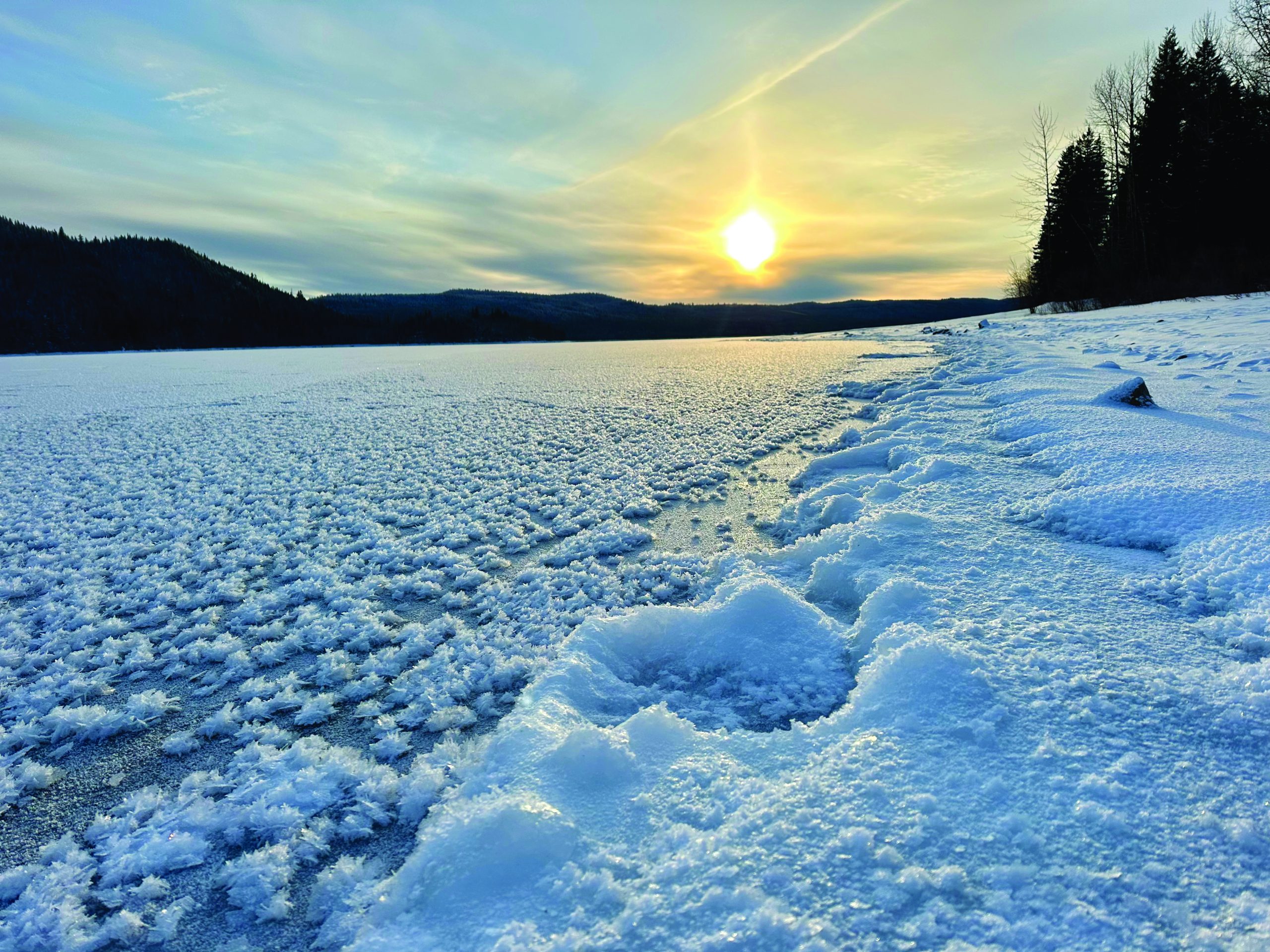
Six hundred miles north of Vancouver, in British Columbia’s Cariboo Chilcotin Coast region, these indoor practice sessions are how modern cowboys keep their skills sharp through the brutal northern winters. As I stamp feeling back into my feet, I try to imagine working cattle in the bone-chilling cold outside. It’s a stark reminder that while ranching traditions here mirror those of the American West, adapting to extreme conditions has created a distinct cowboy culture that’s both familiar and uniquely Canadian.

For those willing to venture north along the old Gold Rush Trail, the Cariboo Chilcotin Coast region offers more than just a chance to play cowboy. Here, in the far reaches of Canada’s westernmost province, the landscape transitions dramatically from coastal rainforest to rolling plains and the spirit of the West rides on. Thanks to what locals call “cowboycore tourism,” there’s a renewed interest in the Western heritage and lifestyle—driven partly by popular TV shows. But this is about more than putting on a hat and picking up a rope and cosplaying. It’s about connecting with a living community, where small-town arenas keep traditions alive through wicked winters and where fifth-generation ranchers are reimagining their future.
Cold Gold Rush Roots
The story of British Columbia’s cowboy country, framed by rolling hills and coastal mountains, begins with gold, not cattle. In 1858, when word of gold strikes along the Fraser River reached San Francisco, thousands of American miners surged north, following what would become known as the Gold Rush Trail. They brought with them not just dreams of riches, but the traditions and techniques of the American frontier. The cattle drive that supplied the miners’ camps would establish ranching as the region’s enduring legacy long after the gold played out.
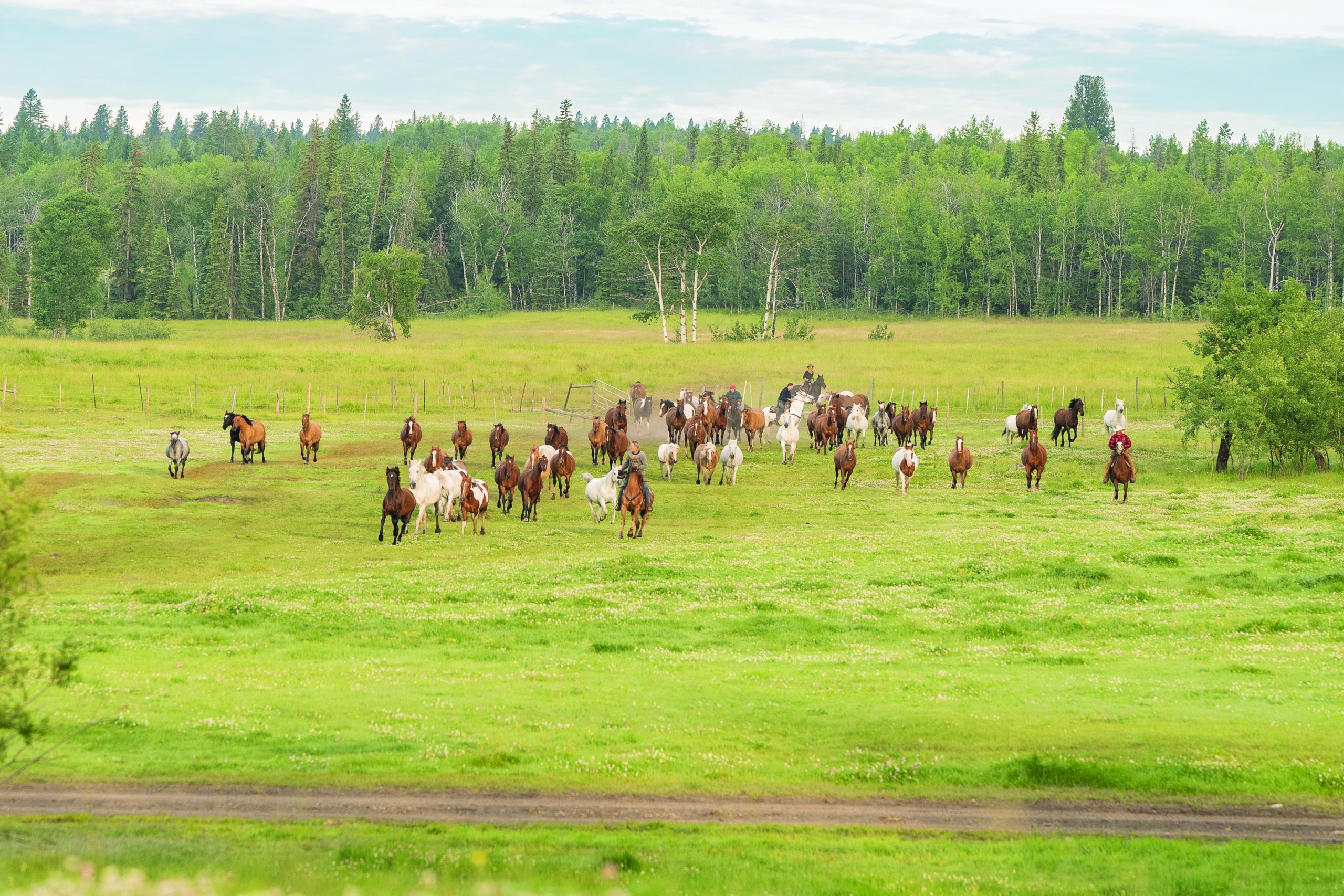
Today, the region is known for its diverse landscapes, abundant nature and wildlife, rich history and people of the land, and wild-as-it-gets outdoor adventures. Visitors delving into the untamed Cariboo Mountains have been wooed here by top heli-skiing vacations, unique guest-ranching experiences, and some of BC’s most bucket-listable wilderness resorts. Many of the Cariboo Chilcotin Coast’s pioneer ranches—those that have operated continuously for over a century—tell a story of resilience and adaptation familiar to any rancher south of the 49th parallel, with one crucial difference: learning to work cattle in temperatures that can plunge to minus 40 degrees Fahrenheit. East of the Fraser River, the Cariboo’s richer soil supports smaller, more intensive operations. Cross the mighty Fraser, and you enter the Chilcotin, where vast ranges stretch toward the Coast Mountains, and ranches measure their holdings in the tens of thousands of acres.
The region is not just preserving these skills, but sharing them, says Amy Thacker, CEO of Cariboo Chilcotin Coast Tourism. “People come here looking for something real,” she says. “They want to understand where their food comes from, how this lifestyle works, what it means to have a genuine
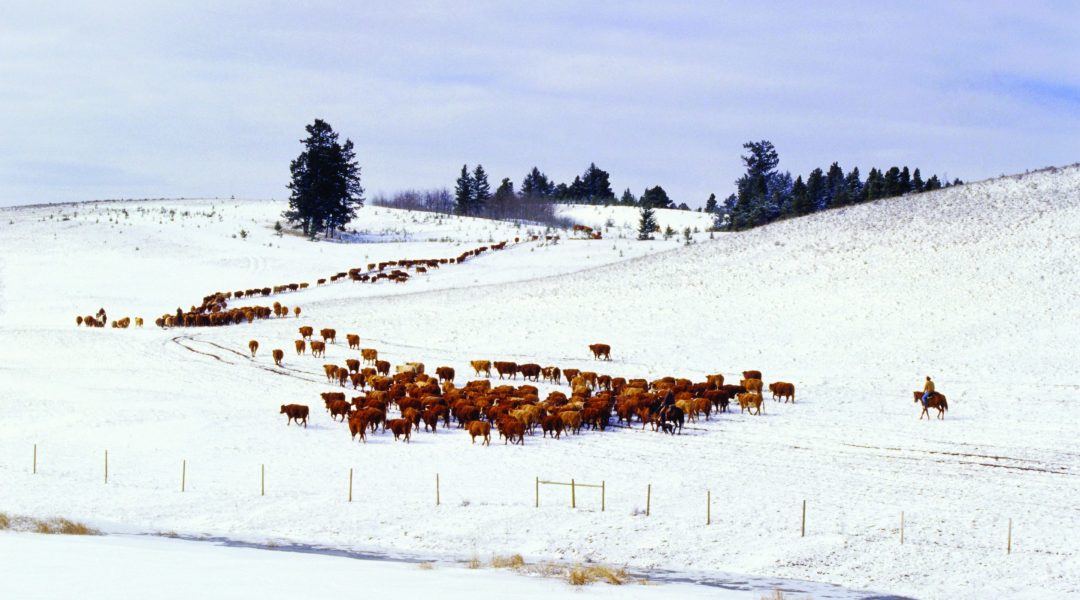
connection to the land. And our ranching families are uniquely positioned to offer that.” “A fifth generation is now operating some of these ranches now,” says Patti Gerhardi, chair of the BC Cowboy Hall of Fame. “But the economics of ranching have changed dramatically. Many of these families have to reinvent themselves by offering guest experiences, tourism, anything to keep the traditional ways alive while paying modern bills.” The region’s extreme winters have forced unique adaptations. Horses and cattle churn through massive snow dumps, and ranchers dash out each morning to break the ice on their watering troughs.
connection to the land. And our ranching families are uniquely positioned to offer that.” “A fifth generation is now operating some of these ranches now,” says Patti Gerhardi, chair of the BC Cowboy Hall of Fame. “But the economics of ranching have changed dramatically. Many of these families have to reinvent themselves by offering guest experiences, tourism, anything to keep the traditional ways alive while paying modern bills.” The region’s extreme winters have forced unique adaptations. Horses and cattle churn through massive snow dumps, and ranchers dash out each morning to break the ice on their watering troughs.

But this remote place also offers a unique exposure for visitors who brave the extreme cold to experience life on a northern ranch. “The animals are amazing. They can survive in these extremes that we wouldn’t likely survive,” says Gerhardi. Local horses develop thick winter coats; a coating of snow on their backs actually indicates their natural insulation is working. Ranchers learn to dress in layers, with wild rags—traditional silk or synthetic scarves—serving multiple purposes from warmth to dust protection. Gerhardi sells those wild rags, and every cowboy I meet here wears one. “Insurance costs alone can kill a small ranch these days,” says Gordon Armes, a local rancher and guide at the Williams Lake Museum, adjusting his wild rag against his neck. “But people will pay good money to learn what we’ve been doing for generations.” Many ranches in the region have begun offering workshops and demonstrations alongside their regular cattle work.
Guest Ranching—Cariboo-Style
During the Quesnel Team Roping Association’s practice at the indoor arena, Gerhardi watches a husband-and-wife team teach a group of tourists the basics of handling a lariat. That simple act is emblematic of a big transformation happening across the Cariboo Chilcotin. Traditional ranching skills are becoming experiences for visitors seeking authenticity in an increasingly disconnected world—including at some of the region’s most legendary properties.
During the Quesnel Team Roping Association’s practice at the indoor arena, Gerhardi watches a husband-and-wife team teach a group of tourists the basics of handling a lariat. That simple act is emblematic of a big transformation happening across the Cariboo Chilcotin. Traditional ranching skills are becoming experiences for visitors seeking authenticity in an increasingly disconnected world—including at some of the region’s most legendary properties.
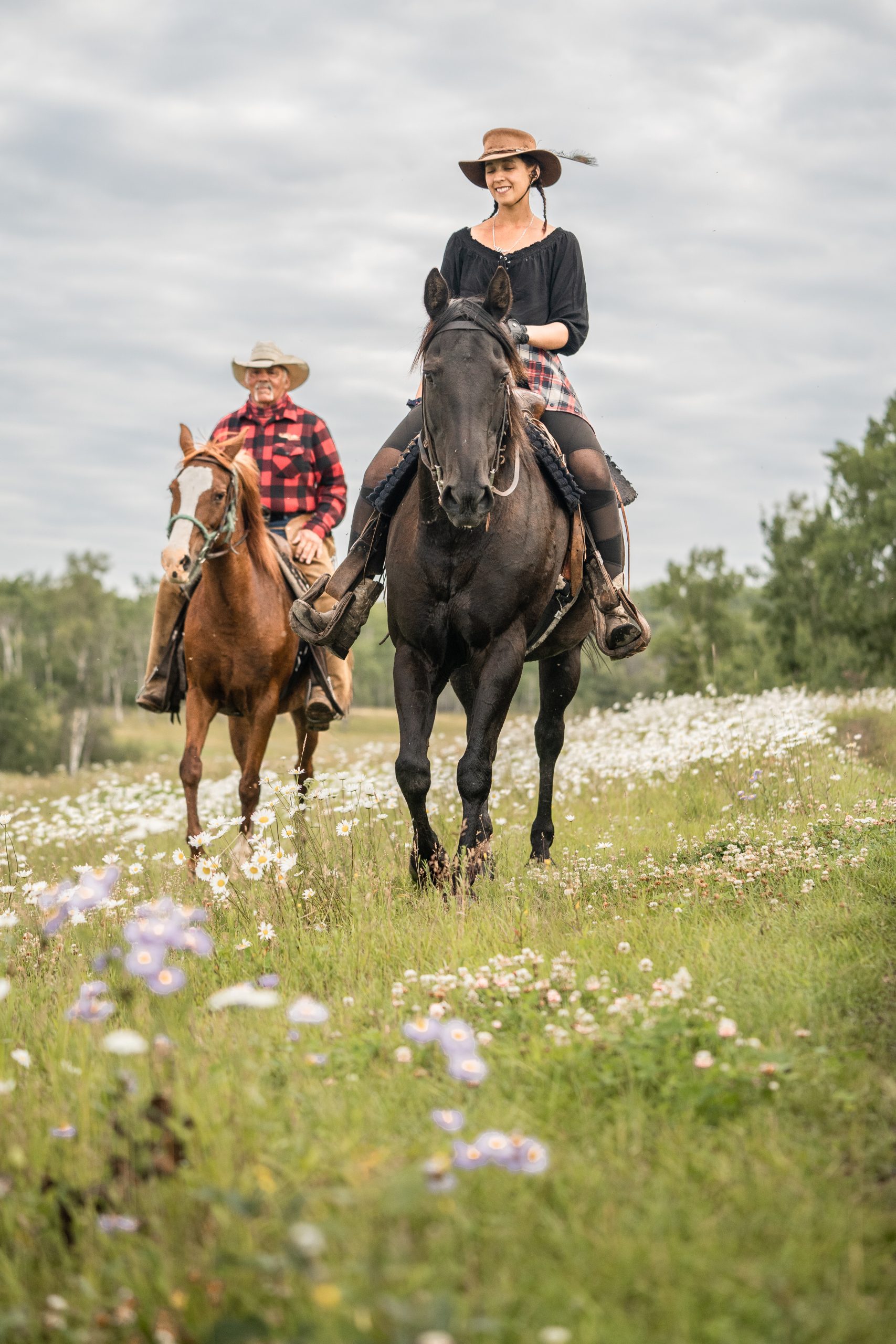
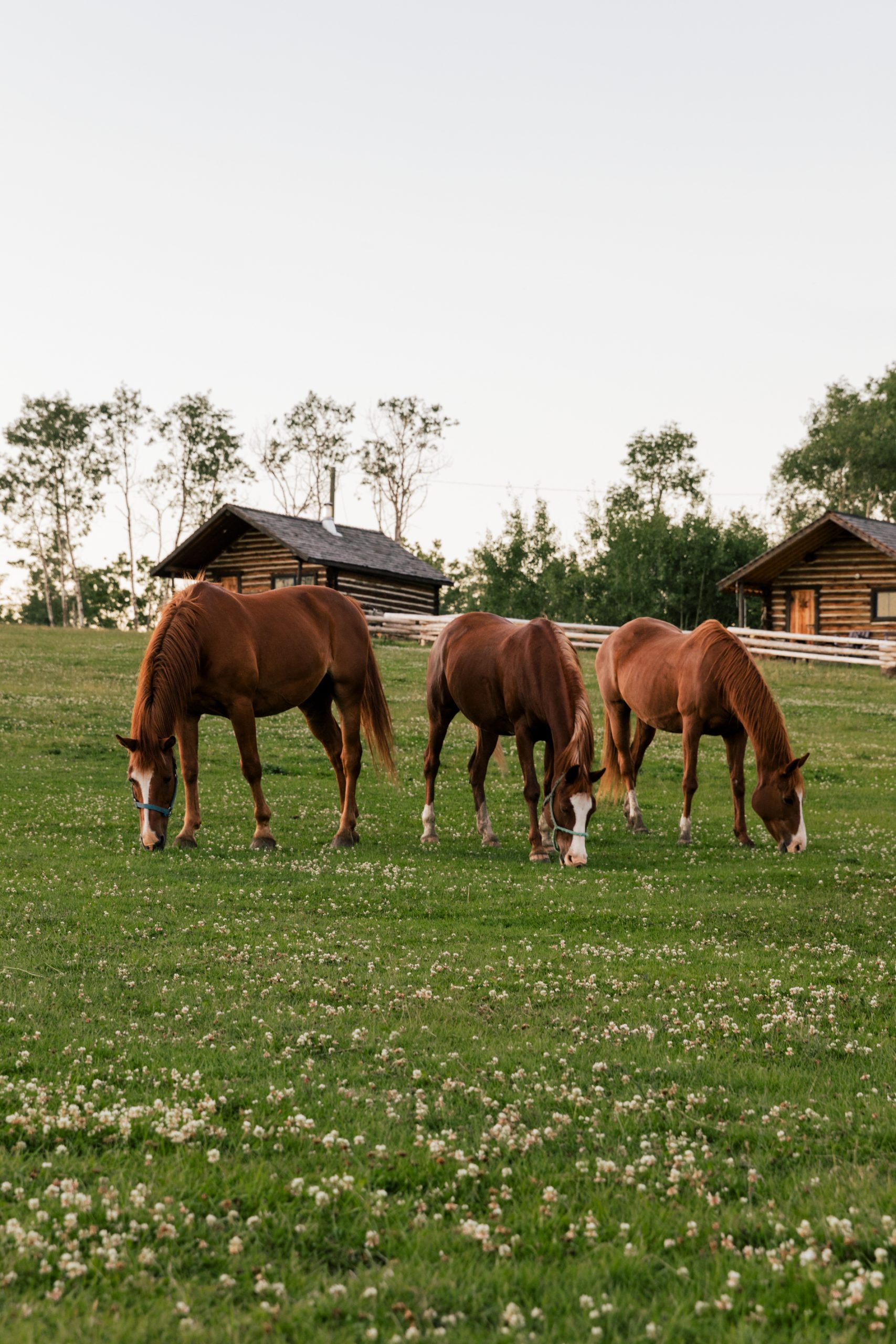
At the Flying U Ranch, established in 1849 and considered Western Canada’s longest continually operating business, history runs deep. “When they opened up the north, they had to get protein up here. They brought it up on the hoof from Oregon with large cattle drives,” says John Lovelace, owner of Flying U. “This part was a trading post for Hudson Bay Company before the gold rush.” In 1922, the ranch transformed when the owner’s son, after entertaining Hollywood western stars, pioneered what would become Canada’s first dude ranch. Today, Flying U maintains this balance of authenticity and accessibility with 100 horses, community dinners where bank presidents and mechanics sit side-by-side, and cabins dating back to the early 1900s. “People are looking for the heritage and life of the Western experience,” Lovelace says. “It’s the honesty, integrity of it all. It’s a return to the basics.”

Further north at Siwash Lake, visitors experience luxury within a regenerating wilderness landscape. “Eight years after a transformative wildfire, we showcase cowboy culture amid a vibrant, rejuvenating ecosystem,” says founder and owner Allyson Rogers. Their award-winning equestrian program allows guests to explore 10,000 acres of grasslands and river canyons with private guides. Rogers transitioned from traditional ranching to tourism while maintaining agricultural roots. She still runs some cattle to supply the culinary program, keeps hens, cultivates a huge garden, and continually develops the horse herd. “The guest business provides better revenue and is more sustainable from a land-management perspective,” she says.
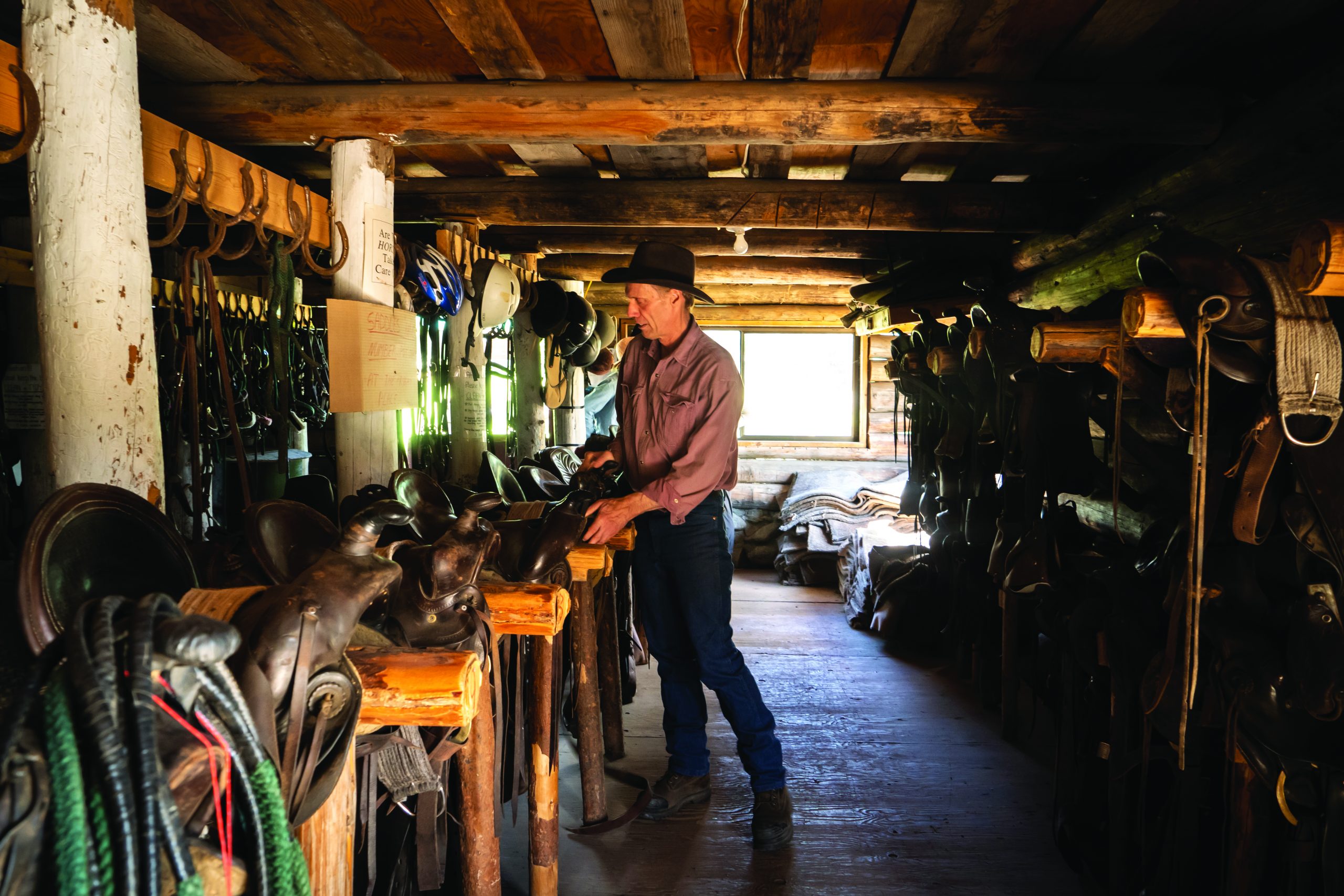
The ranch’s award-winning equestrian program takes center stage, with guests exploring 10,000 acres of rolling grasslands, river canyons, and young aspen forests on horseback with private guides. “Our horseback riding program is our hallmark and incredibly special because it’s so personalized,” Rogers says. “We teach guests how to be comfortable and respectful with the horses, and they respond incredibly well.” What makes Siwash Lake unique is its focus on ecological regeneration and its inspiration from the Esk’etemc community (Indian band), which is part of the Secwépemc Nation. “We’re perhaps the only luxury lodge and ranch in the world operating in such a severe fire-affected area,” Rogers says.
“Eight years after the wildfire, we are showcasing nature’s resilience and rejuvenation.” Rogers, who recently won the BC Tourism and Hospitality Industry Remarkable Experience Award for the guest ranch’s signature “Find Your Wild” experience, embraces the industry’s ever-evolving nature. “As ranchers and true wilderness dwellers, we’ve experienced firsthand, many times over, that the land is always changing,” she says. “Nothing ever stays the same.” The offerings are resonating. Flying U saw booking numbers double in winter 2025 compared with the previous year.
Weathering the Changes In the far reaches of British Columbia, the spirit of the West isn’t just surviving, it’s blazing new trails. Even as corporate interests buy up traditional family ranches and new generations of ranching families seek different paths, the culture remains resilient—adapting while maintaining its core values. Women increasingly take leadership roles, with some running their own operations by age 21. Multigenerational ranches still dot the landscape, some of them reaching back many generations. Back in the chilly arena at Quesnel, I make one final throw with the lariat. The loop once again fails to fall around the practice calf’s neck, drawing understanding nods from the cowboys who’ve spent their morning teaching a novice. But I’ve learned more than just how to swing a rope. Through their stories and patient instruction, I’ve glimpsed something rare: a lifestyle that refuses to be relegated to history books or reduced to tourist entertainment. This is the living, breathing West, even if it’s well north of the border and the temperatures are well south of zero.
TRAIL GUIDE
British Columbia’s Cariboo Chilcotin Cowboy Country
For visitors seeking an authentic glimpse into this enduring way of life, the Cariboo Chilcotin Coast offers something increasingly rare: guest ranches offering visitors immersive experiences that blend authentic ranch life with carefully curated hospitality, and a chance to experience working ranch culture not as a re-creation of the past, but as a living, breathing present.
Getting There
Canada’s Cariboo Chilcotin region is accessible via Highway 97 north from Vancouver. Williams Lake, the region’s hub, serves as an ideal base for exploring ranch country. The drive takes approximately six to seven hours from Vancouver, offering stunning views of the Fraser Canyon en route. Begin your journey at the Museum of the Cariboo Chilcotin in Williams Lake, where exhibits showcase the region’s ranching heritage through artifacts, photographs, and personal stories. Time your visit right, and you might catch the Williams Lake Stampede, held annually around Canada Day in early July.
 Williams Lake Stampede 2013
When to Go
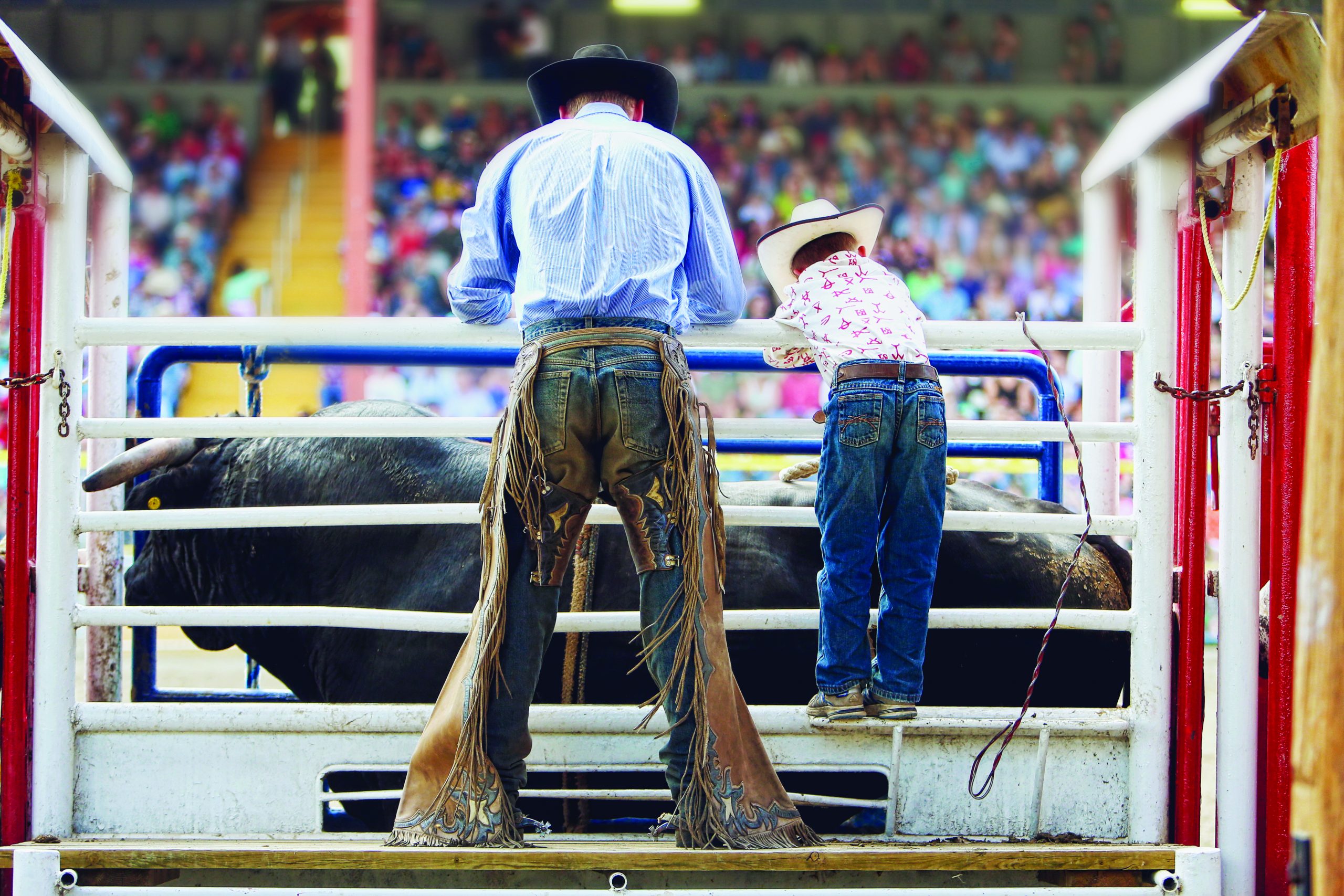
The prime season to visit runs June through October, with fall offering particularly pleasant conditions. Spring brings the excitement of calving season, though trail riding opportunities are more limited. Winter seesmany guest ranches giving their horses a well-deserved rest, though some offer horse-drawn sleigh rides when conditions permit. Other cold-season draws like skiing, winter wildlife tours, and curling competitions keep the area sufficiently active at this time. The Williams Lake Stampede and the third largest rodeo event in Western Canada—held since 1920—is more than just a competition. It’s a showcase of living heritage that draws thousands every year over the July 1st (aka Canada Day) long weekend. Williams Lake, British Columbia, rolls out the welcome mat for visitors and internationally competing cowboys from all over to enjoy several days of Canadian Professional Rodeo
Association action at the world-famous stampede. “The whole town transforms,” says Maryclaire Snowball, Destination Experience manager for the Cariboo Chilcotin Coast Tourism Association, who comes from a family of ranchers and farmers. “Local artists paint Western murals on shop windows, ranchers parade through downtown, and for a week, everyone’s a cowboy.” The stampede has also become a lifeline for many rodeo contestants, offering prize money that helps sustain livelihoods and operations through lean times.
Association action at the world-famous stampede. “The whole town transforms,” says Maryclaire Snowball, Destination Experience manager for the Cariboo Chilcotin Coast Tourism Association, who comes from a family of ranchers and farmers. “Local artists paint Western murals on shop windows, ranchers parade through downtown, and for a week, everyone’s a cowboy.” The stampede has also become a lifeline for many rodeo contestants, offering prize money that helps sustain livelihoods and operations through lean times.
Photography: Jonny Bierman and Jordan Dyck
Explore:Travel