



This understated and beautiful movie about an immigrant family gracefully flips the script on the story of the westward journey.
The movie is called Eastern Western, and the title is an apt one — for the stories on both sides of the cameras.
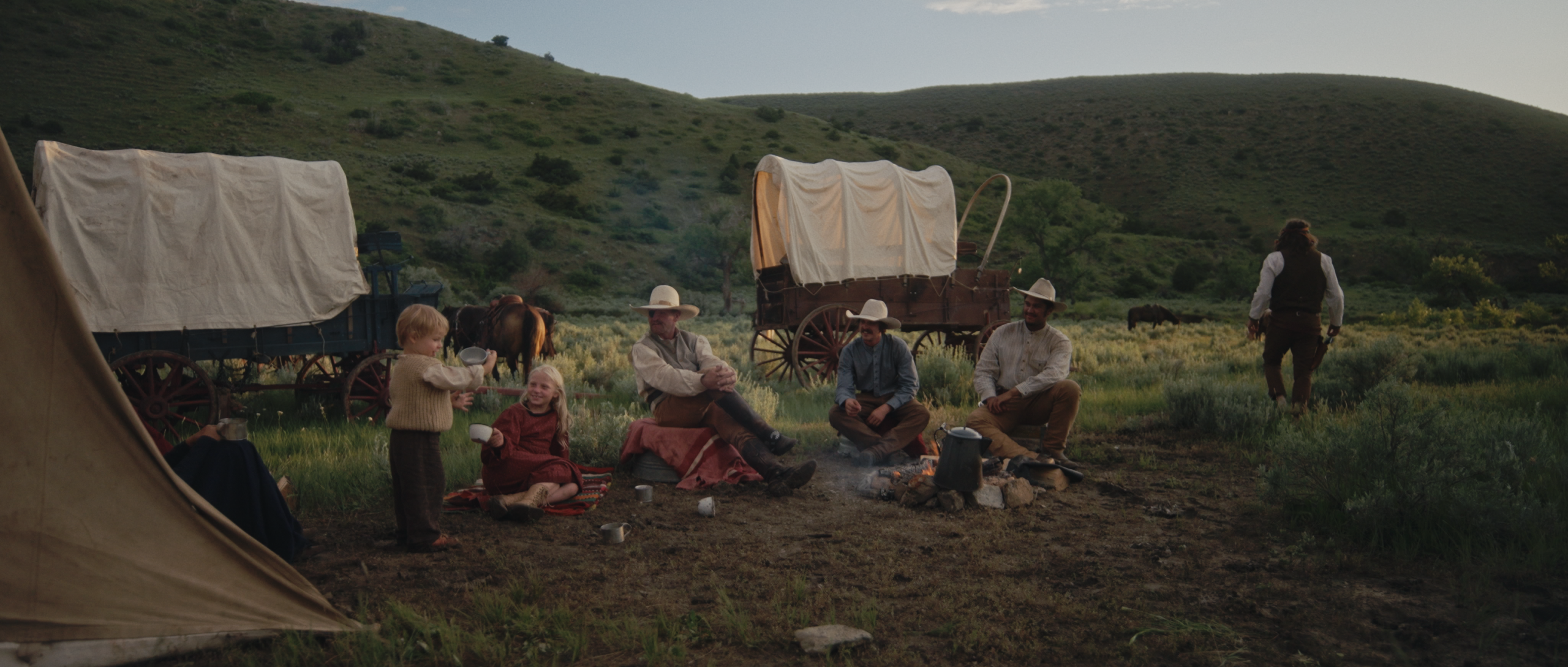
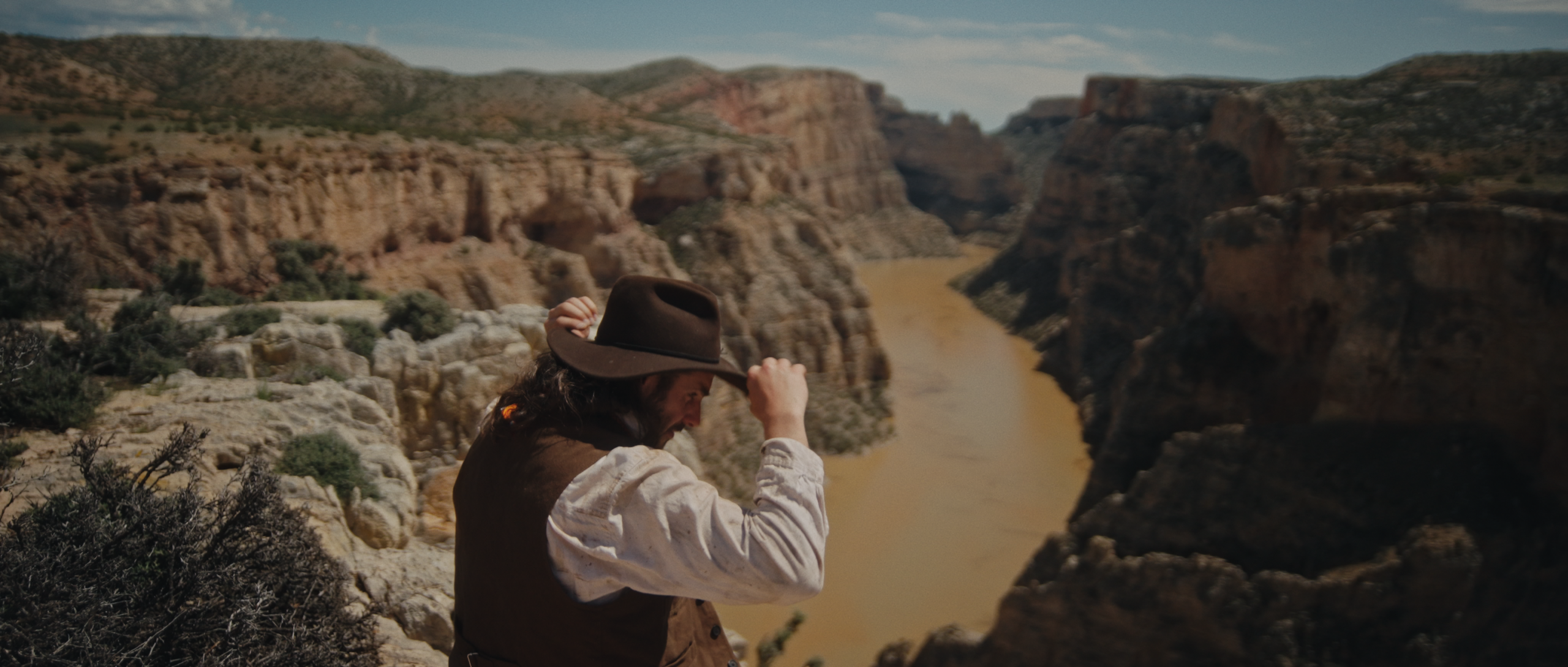
On screen throughout this remarkable drama, we follow Igor, a widowed Eastern European immigrant, and his toddler son, Ivo, whom we meet as they struggle to survive an unforgivingly harsh winter on the American frontier of the 1880s.
Duncan, their cowboy neighbor, encourages Igor to move to his horse ranch and later accompany him and his family on a westward trek. Igor is reluctant to leave the place where his wife is buried, but Duncan makes a strong case for the move: “You’ll have this history and that history — all aimed for the future.”
So Igor bids an emotional farewell over his wife’s grave, telling her that he and Ivo will pursue “a life you wanted to find when we moved here.”
But life offers equal measures of obstacles and opportunities wherever it is lived.
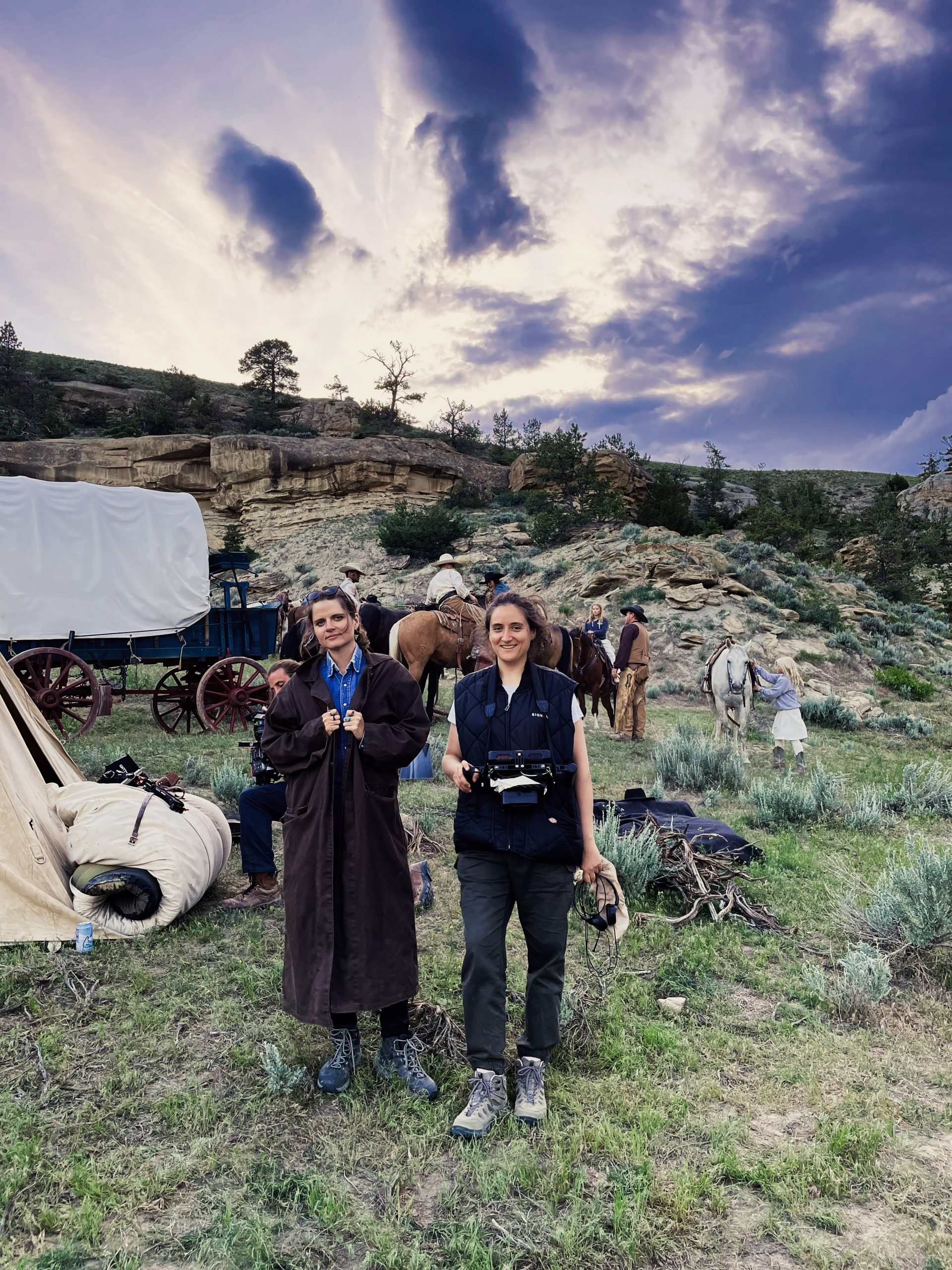
The enthralling story of this eventful journey is told by another pair of immigrants, sisters Biliana and Marina Grozdanova, New York-based filmmakers who make an impressive transition from documentaries with Eastern Western, their first dramatic feature.
Originally from Bulgaria, the Grozdanovas grew up traveling the world after leaving their homeland in the 1990s, ultimately settling in America, where they studied at the University of Chicago and formed their own production company, El Jinete Films, in 2012. With stops along the way ranging from
Australia’s east coast to Canada’s west, they were exposed to a diversity of cultures and developed an intense passion for international and adventure-based storytelling.
Shortly after Eastern Western was unveiled at the Dallas International Film Festival, where artistic director James Faust waxed enthusiastic about the “beautifully photographed” drama and hailed its “Eastern European look at the classic
American West” as “refreshing and enlightening,” I had the welcome opportunity to interview sisters Biliana and Marina Grozdanova. As an immigrant’s son and father myself, I had a lot to ask them about. Here are highlights from our conversation (edited for brevity and clarity).
Cowboys & Indians: This may be the first western I’ve ever seen where it is a widowed father who is left to raise a toddler on his own after the death of the mother. And not only that: The wife was the one who encouraged him to go to America in the first place. How aware were you that you were actually flipping the script on classic western clichés?
Marina Grozdanova: Thank you for that observation. We are very aware that a lot of westerns are male-driven. The journey is perpetuated by men and started by men, whatever their end destination or goal may be on the American frontier. For us, however, in our life especially, our mother was the big push for us to immigrate outside of Bulgaria. So we are familiar with that strong female character in our life. And when we wanted to approach this narrative in a different way — though we had a male character who was our protagonist — we knew that we needed to have a strong female that was behind their migration.
And a lot of women back then in the West did have these strong ambitions. But perhaps they just didn’t make it into the Hollywood movies that we know. So, again, thank you for noticing a very central part of the story that it is the female figure, the mother, that basically started their journey into the West. We don’t address how because, unfortunately, she’s al- ready passed when the film begins. But then Igor has to figure out how to survive on his own with his son. For us, Igor also represents our father, who helped guide our family’s journey.
C&I: Well, my wife is still very much alive, and we’re happily married. But I was amused when the father just had to go to sleep because he’s so worn out, but the kid still wants to play, the kid still wants to cry. That reminded me of all the times when my son was a toddler, and Mom was off somewhere, and I was just completely worn out — but my son insisted, “Yo, Daddy! Come on, get up!”
Biliana Grozdanova: That’s all part of parenting, isn’t it? Just as long as your son didn’t decide to wander outside on his own, like Igor’s did, and scare you when you woke up.
C&I: How much of your story do you think was informed by your own experience as immigrants? I’m assuming you never had to deal with grizzly bears. Or, I don’t know, maybe you did, and that part of the film is autobiographical.
Biliana Grozdanova: [Laughs.] Well, the grizzly is definitely a metaphor for the struggles and challenges of coming to an unknown land. So while the story is a fictional story — it’s not based on any specific real-life events — it does take place in the essential context of the post-Ottoman Empire fall in Europe.
That’s when there was this giant wave of Eastern European immigrants, and immigrants from all over the world, coming to America. And we specifically wanted to showcase this portrait of an Eastern European man going out west. Igor and his son, Ivo, in the movie — it’s a real father and son, friends of ours. We’ve known Igor Galijasevic for over a decade. He’s in one of our first documentary films, and he is from Bosnia and Herzegovina. He left in the ’90s. We left Bulgaria in the ’90s as well. Different circumstances, different directions, but our roads led to Chicago, which is where we met. And his story, our story, this past of Eastern European waves of immigration — it’s an amalgamation of a couple of real histories that we fictionalized. And we did use our personal experiences to inform the story. But we definitely had a lot of fun in the playground of the western genre to tell this narrative.
C&I: By the way, did I understand correctly that Igor used to be in a heavy metal band?
Biliana Grozdanova: He was. Our first film was a documentary called The Last Kamikazis of Heavy Metal. It’s currently not streaming, but we did go on tour with him and he was in heavy metal band — and now he’s in Eastern Western.
C&I: You’ve mentioned that this is a hybrid film — part fiction, part documentary. You came to Eastern Western with a back- ground in documentary filmmaking. How difficult was it for you to make this transition? How difficult was it for you to, in effect, cast real people as versions of folks from 100 years or so earlier?
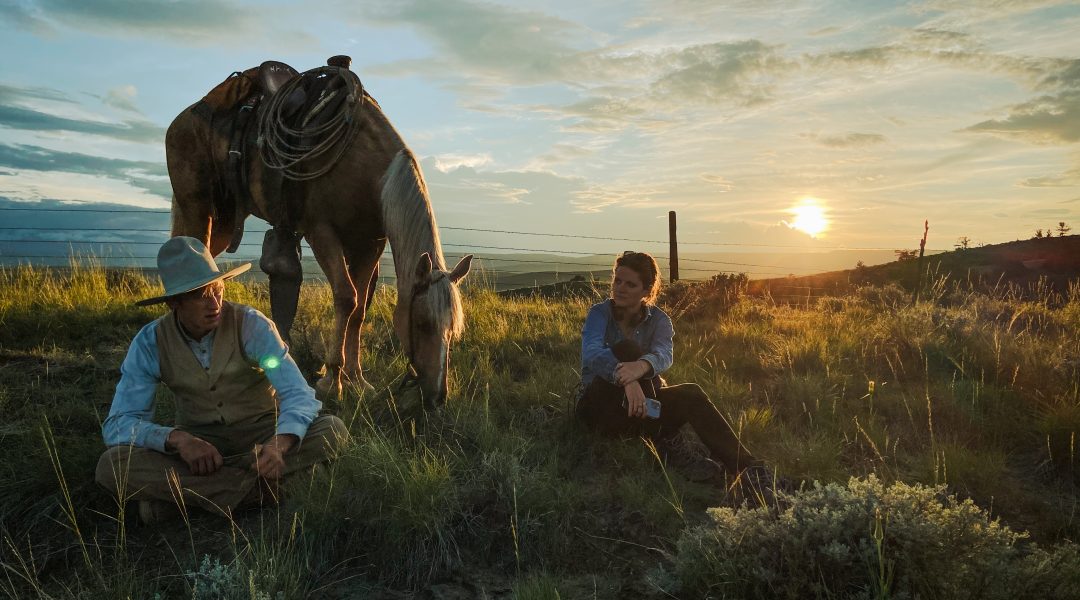
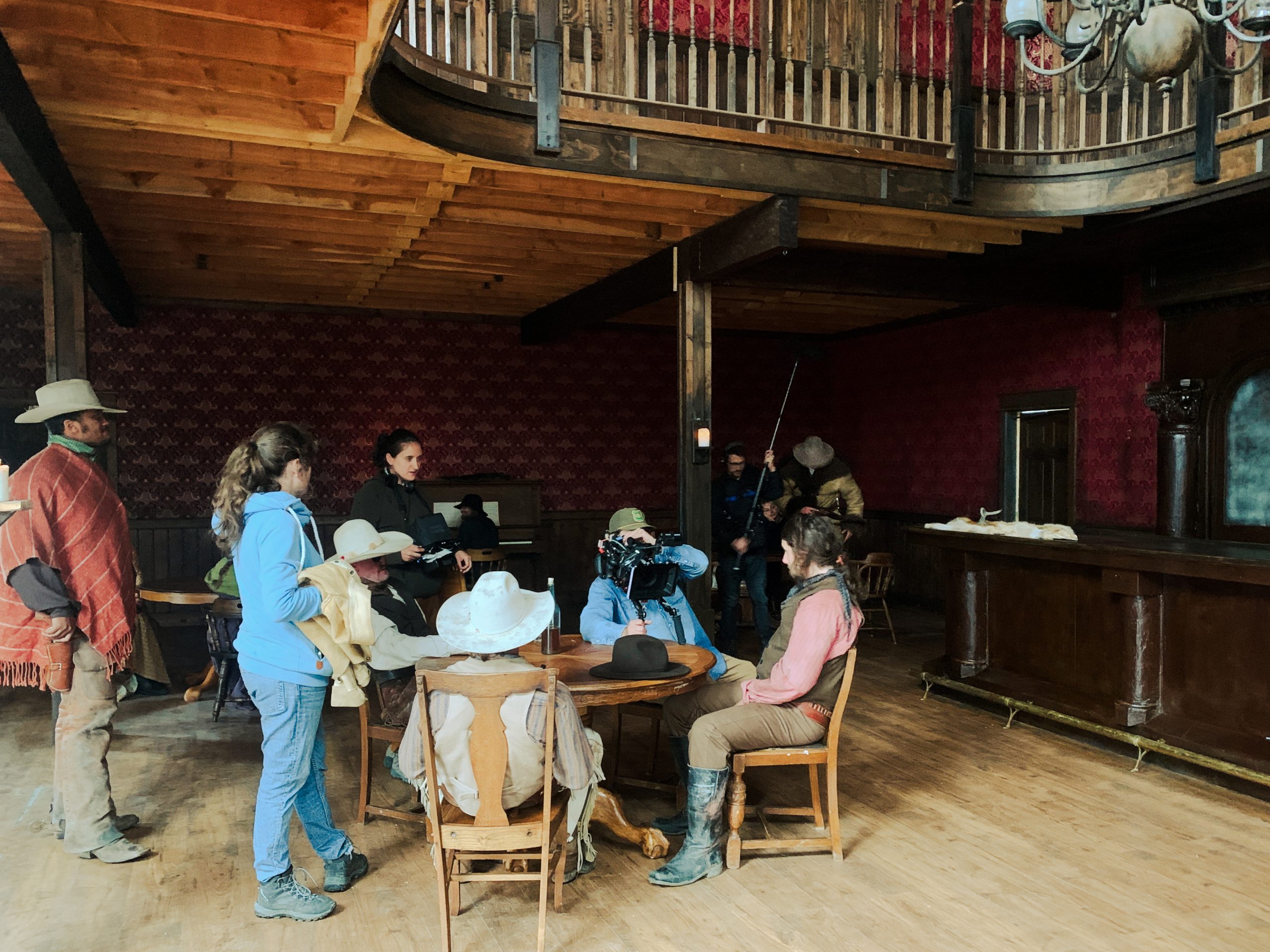
Marina Grozdanova: Well, I wouldn’t say it was difficult. It’s actually quite a natural transition. I think we were very lucky to have started in documentaries, to give us this plat- form where we could enter the narrative form by using non- professional actors. We utilized a lot of the same tools and techniques of doc filmmaking: small crews, very nimble, and using non-actors — that all stems from documentary. All we had to do then was build this fictional world around a nucleus that we were very familiar with. Building that world was the fun part. And then put this small world into a landscape like
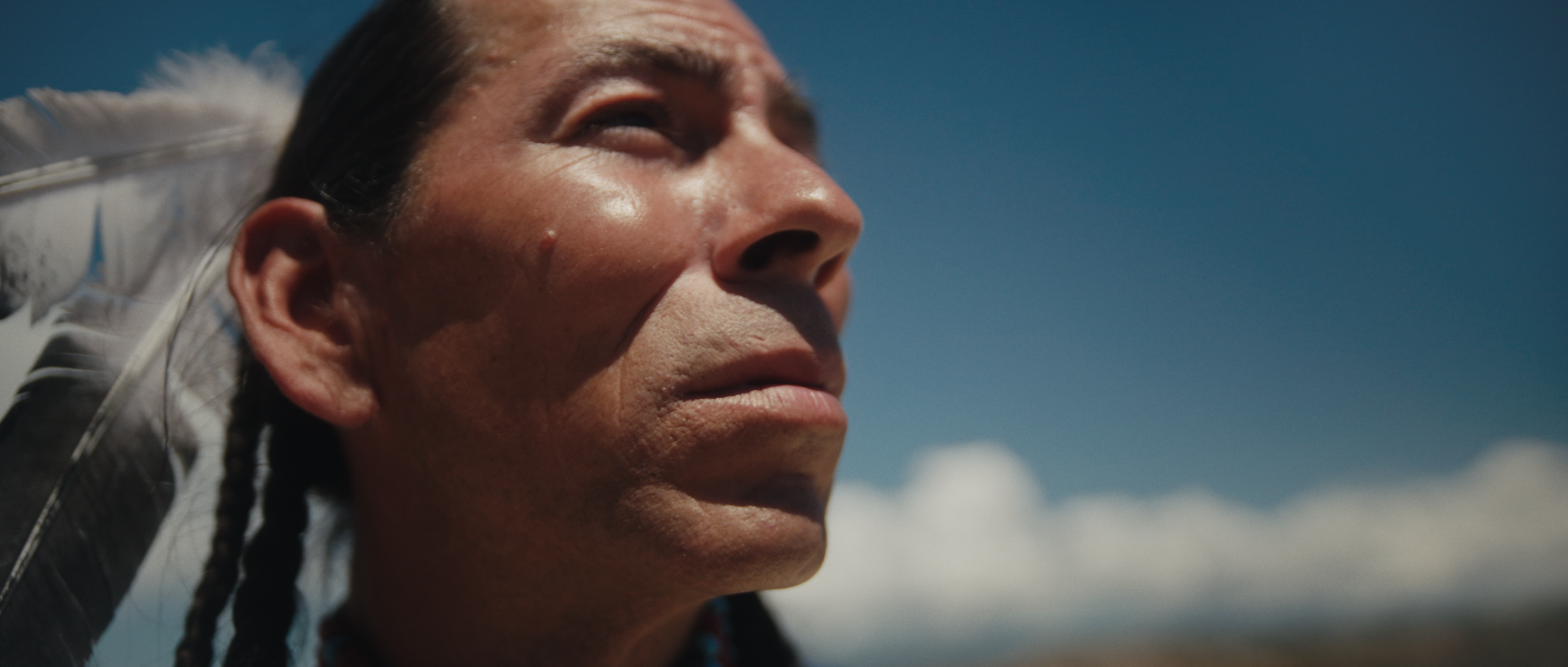
Montana and you allow it to give you locations, real cowboys, real ranches, real families, in addition to Igor and his real son.

Biliana Grozdanova: We definitely had a direction of beginning, middle, and end plot points. We knew where we wanted the story to end up. Every day of production was very structured. But within those moments and those scenes that we created, there was a lot of improv by the characters. We always say that the heart of the film is this ensemble cast that really gave it their all. There’s some lines in there that could not have been written by any genius writer out there.
C&I: This movie is rife with what I can only call magical moments — moments where I found myself thinking, Well, obviously, this wasn't scripted. They saw this and said, “Oh, thank the movie gods we’ve got this moment.” Even little things — like near the end, where they free the horse, and the horse trots off for a while and then lies down and rolls around on his back before he goes off. How often were you almost holding your breath on the other side of the cameras and going, “I can't believe we’re getting this”?
Biliana Grozdanova: Oh, God, the gods of cinema were definitely with us throughout the entire journey. Thank you for calling it magical — I actually use that word a lot, and I sometimes feel like I’m crazy when I keep saying it. But it’s real.
The magic of this type of cinema is real. The magic of any type of cinema is real. We adore it scripted, we adore documentaries, and we also adore this form of — well, let’s call it high-risk, high-reward, right? The scene that you’re talking about where the horse is supposed to be freed but then wants to just lie down and scratch its back because it finally has the saddle of humanity off of its body — you can’t force that.
Or like the time where little Olivia says, “You don’t forget family.” We never could have imagined that line. She came up with it all by herself at the dinner table conversation. Even the grizzly crawling to Igor. It was a very trained grizzly, but that specific moment we weren’t achieving until the bear decided to take that little walk. So, magic all throughout.
C&I: Now, the flip side of that is you had a real baby, a real toddler. And I can only assume there were days when, OK, the baby has really started crying, so I guess we’re done shooting for today, huh?
Marina Grozdanova: Yeah, that definitely happened. But, honestly, the family — Igor, the son, and the mother — were there. So they were very flexible in how we planned that time out. Obviously, every day there’s the nap and, after the nap is finished, that’s the ideal time to film. But if the baby’s not feeling it and starts crying, we either adapt to it and decide to film a crying situation, or we just say, “Okay, we’ll move on to something else.” And I think having, first and foremost, that flexibility of documentary technique, where you’re nimble and you adapt, it really allowed us to pivot in the right moments in order to preserve our characters and their feelings and their comfort. Especially the little guy.
Biliana Grozdanova: You’re always on the little guy’s schedule. Always.
C&I: Finally: It’s been said one of the enduring appeals of the western is that the genre presents a world where, if you don’t like what’s going on in your life right now, you can just pack up your belongings in your saddlebag or your wagon and ride out over the horizon, go somewhere else, and totally reinvent yourself. How much of that idea propelled the narrative in this movie — and maybe propelled your own lives?
Biliana Grozdanova: Definitely propelled our lives.
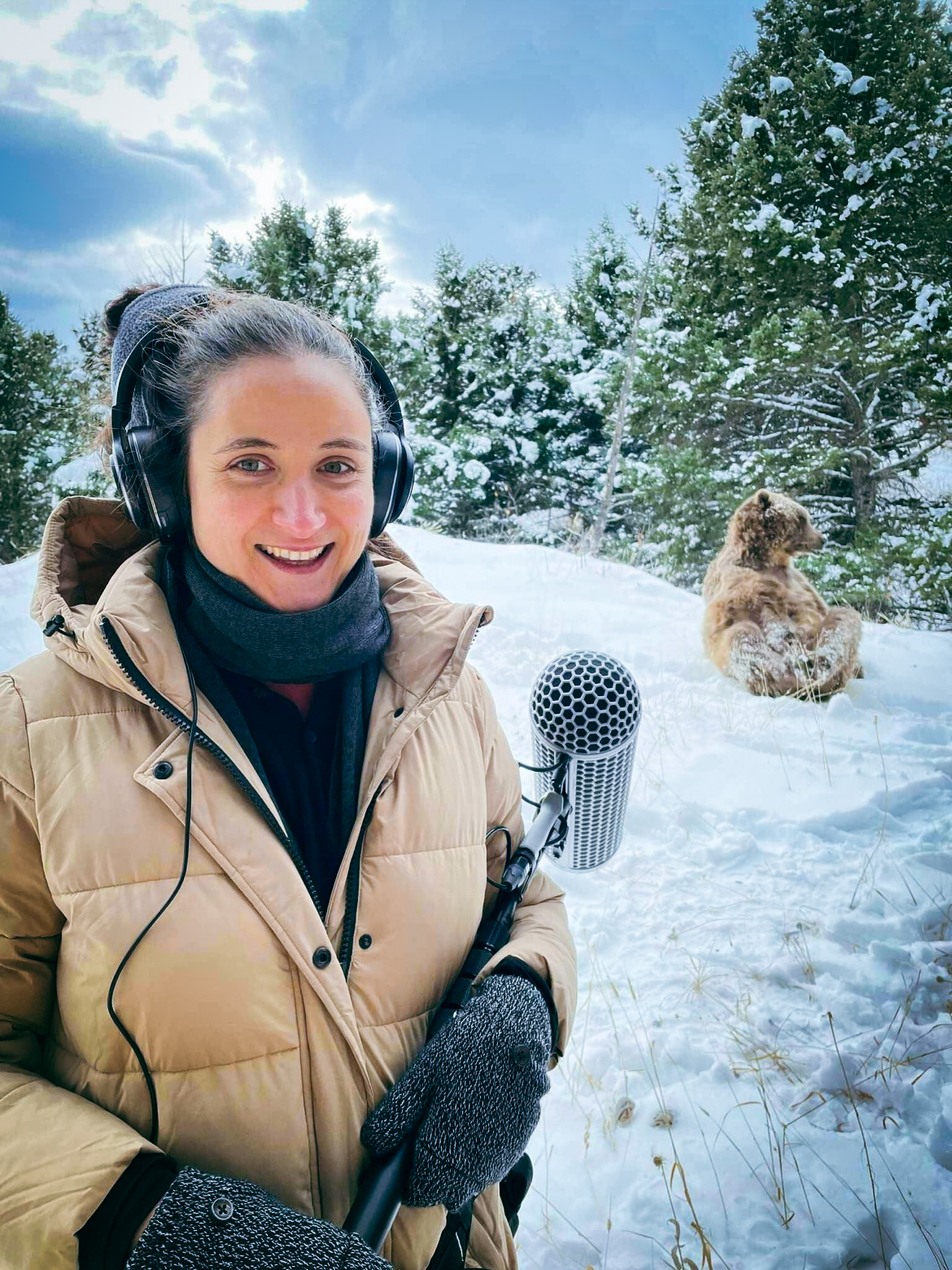
Marina Grozdanova: Yes, that is on-point with how our identity has changed over the course of our life. We are perpetually adapting to new countries, new cultures, new environments. I think any immigrant or someone who has changed homes can understand that feeling. So we definitely wanted to put that feeling into our characters — especially Igor. I don’t want to keep repeating this, but as an immigrant, you are always trying to adapt and find a new homeland. Even if you just change one country. Because everything is different to you, and you do your best to adapt to your new home.
So with Igor, when he establishes himself in one place, then all of a sudden he gets a proposition to move to a new place, a bigger place — his identity will change, his goals will change, his opportunities and his ambitions will change. And I think there is a line in the movie where we talk about change, and how it’s all about embracing it. Against adversity, of course, and also all the struggles out there. Especially in that time period.
C&I: And now?
Biliana Grozdanova: Absolutely.
Eastern Western (distributed by Purdie Distribution) will hit select theaters in December 2025 and will stream in 2026. For more about the film, visit eljinetefilms.com.
PHOTOGRAPHY: (ALL IMAGES) Courtesy of El Jinete Films.
From our January 2026 issue.