




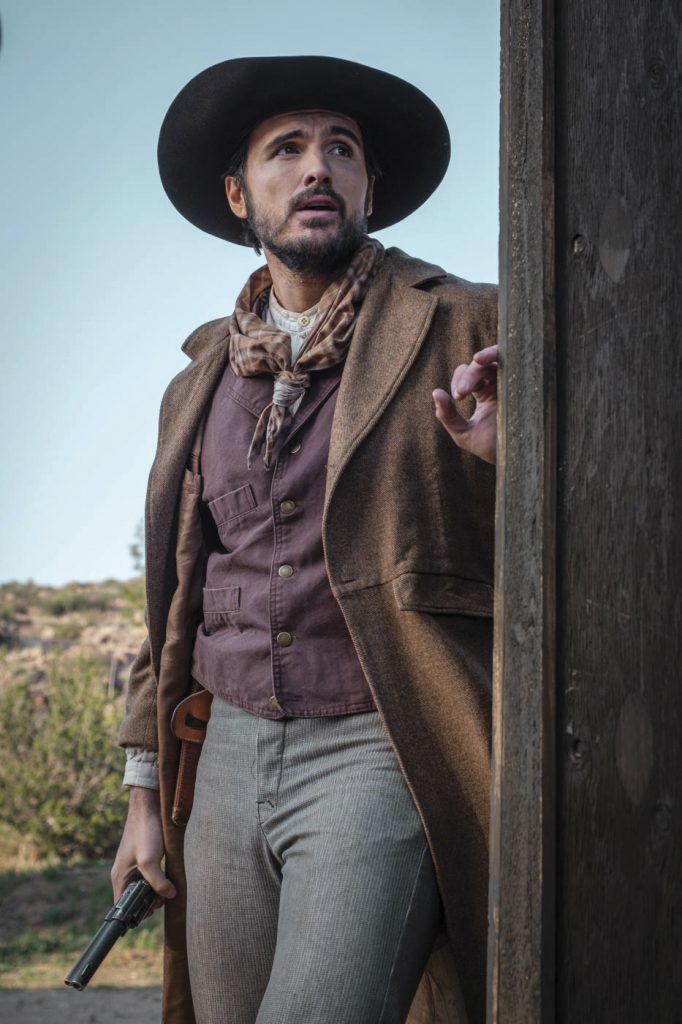
C&I dropped by the set of Elkhorn for a chat with the award-winning show’s hardy lead, Mason Beals, and to sit in on the action.
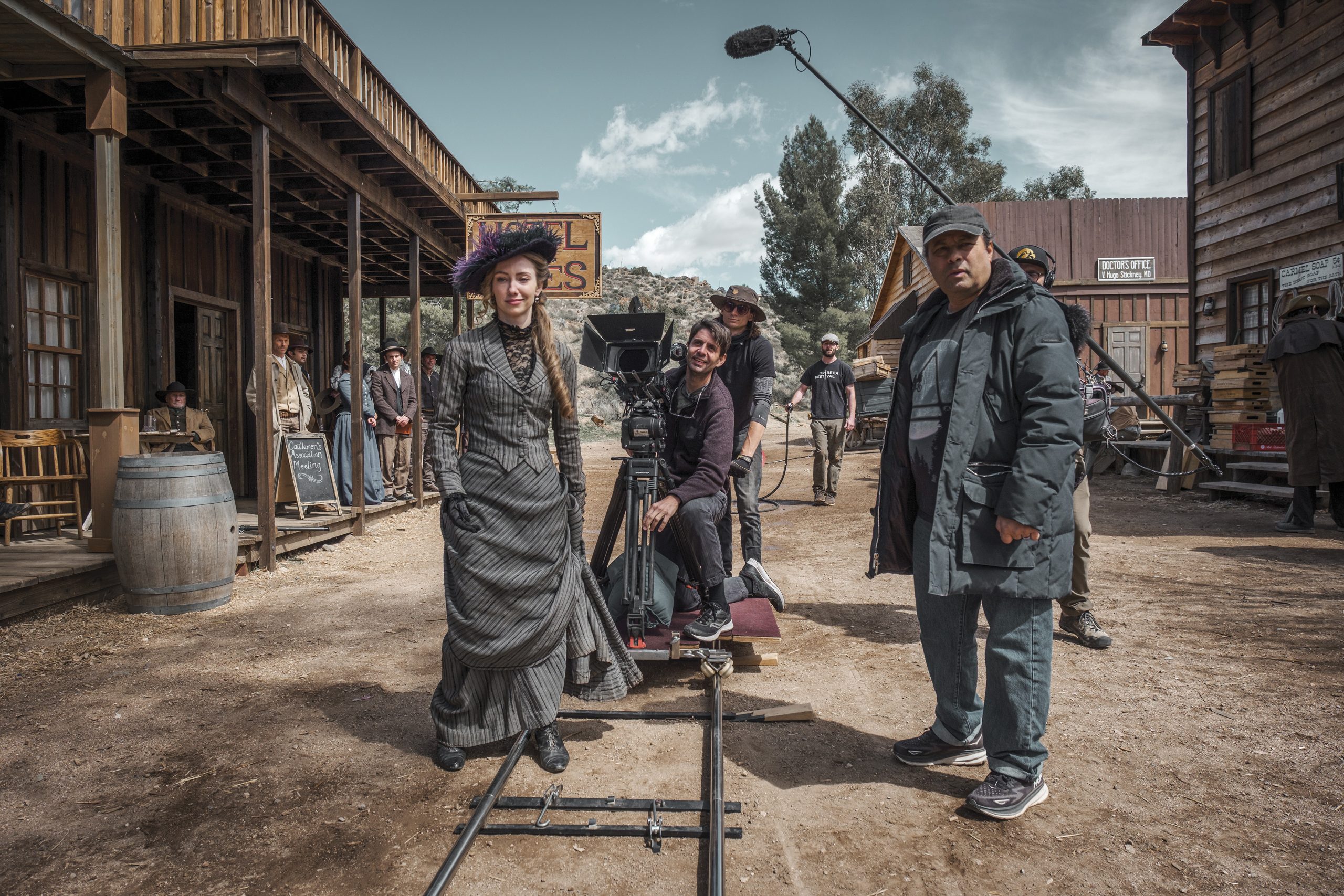
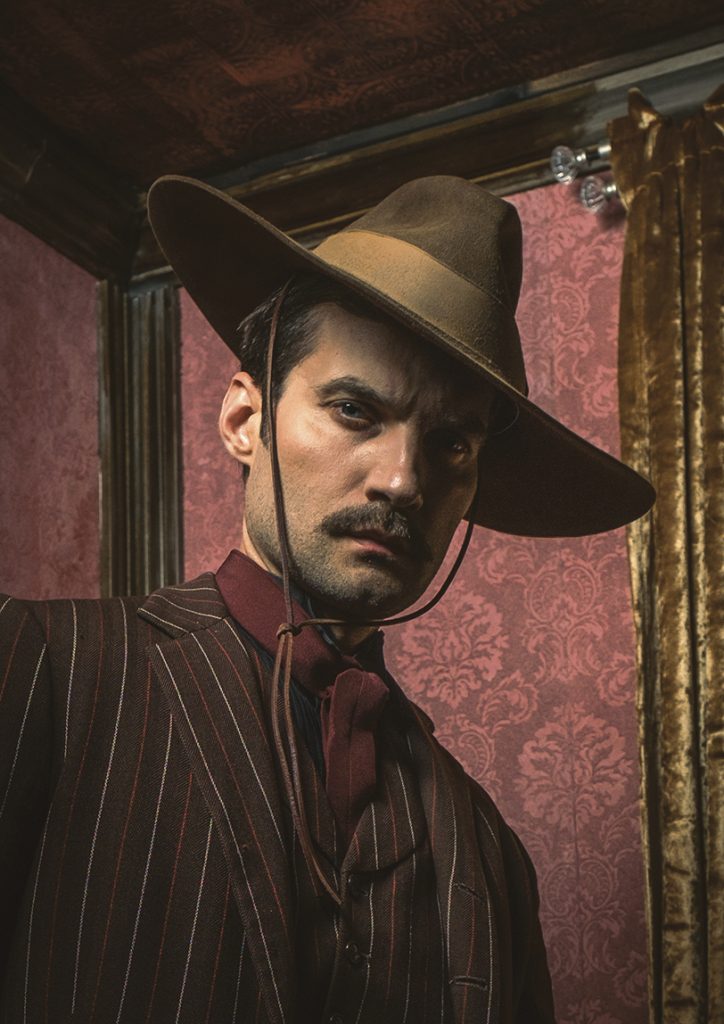
As murder trials on the Western frontier go, this one’s about as congenial as it gets — at least during filming breaks. In a compact timber-walled courtroom, the presiding judge is yukking it up with the prosecuting and defense attorneys by the bench. Jurors in formal 1880s attire casually chit-chat in the wings. Even the accused — the imperious Marquis de Morès — seated up front looks relaxed, more like a debonair guest of honor than a menacing French cattleman being tried for shooting a 24-year-old rancher over a fence dispute.
Right now, the only solemn expression in the courtroom — aside from a C&I correspondent studiously observing the making of Elkhorn, Season 2, Episode 5 (“Trials and Tribulations”) from a back bench, well off camera — is a framed portrait of President Grover Cleveland hanging on the opposite wall. Elkhorn, it turns out, is one happy place — before the snap of a clapperboard and “Take 2.”
Then we’re back in Dakota Territory 140 years ago and deep in legal wrangling that’s anything but friendly. An innocent cowboy in his prime “was ambushed and gunned down by that man!” spouts the bellicose prosecutor, darting a finger at the poker-faced Marquis, before carrying on to accuse the judge himself of unscrupulous bias in the whole matter. Cue the gasping jury. Clearly, the party’s over — or, for Elkhorn fans, it’s just getting started again.
Launched in the spring of 2024, the INSP western series dramatizing a young Theodore Roosevelt’s transformative stint as a Dakota Territory cattle rancher entered Season 2 on October 2, 2025. Season 1 took Best Series and Best Actor (Mason Beals) TV honors in the 2025 C&I Movie & TV Awards.
“It was definitely a chest-hair-growing experience,” says Beals, lounging on a couch in a brown three-piece suit on the Elkhorn set tucked in a remote patch of high desert north of Los Angeles. Midway through filming Season 2, the show’s 27-year-old lead actor and mustached face of Elkhorn’s Teddy Roosevelt is kicking back in a spare room with fellow cast members between scenes, just a few doors down from the heated courtroom shoot. That “chest hair” quip — it isn’t actually referencing his character’s pre-presidential cowboy phase, though it’s hard to miss the parallel. Rather, Beals is recalling some of his own early adventures growing up in northern Idaho that may have provided some spine for a TV role he’s still sort of marveling over.
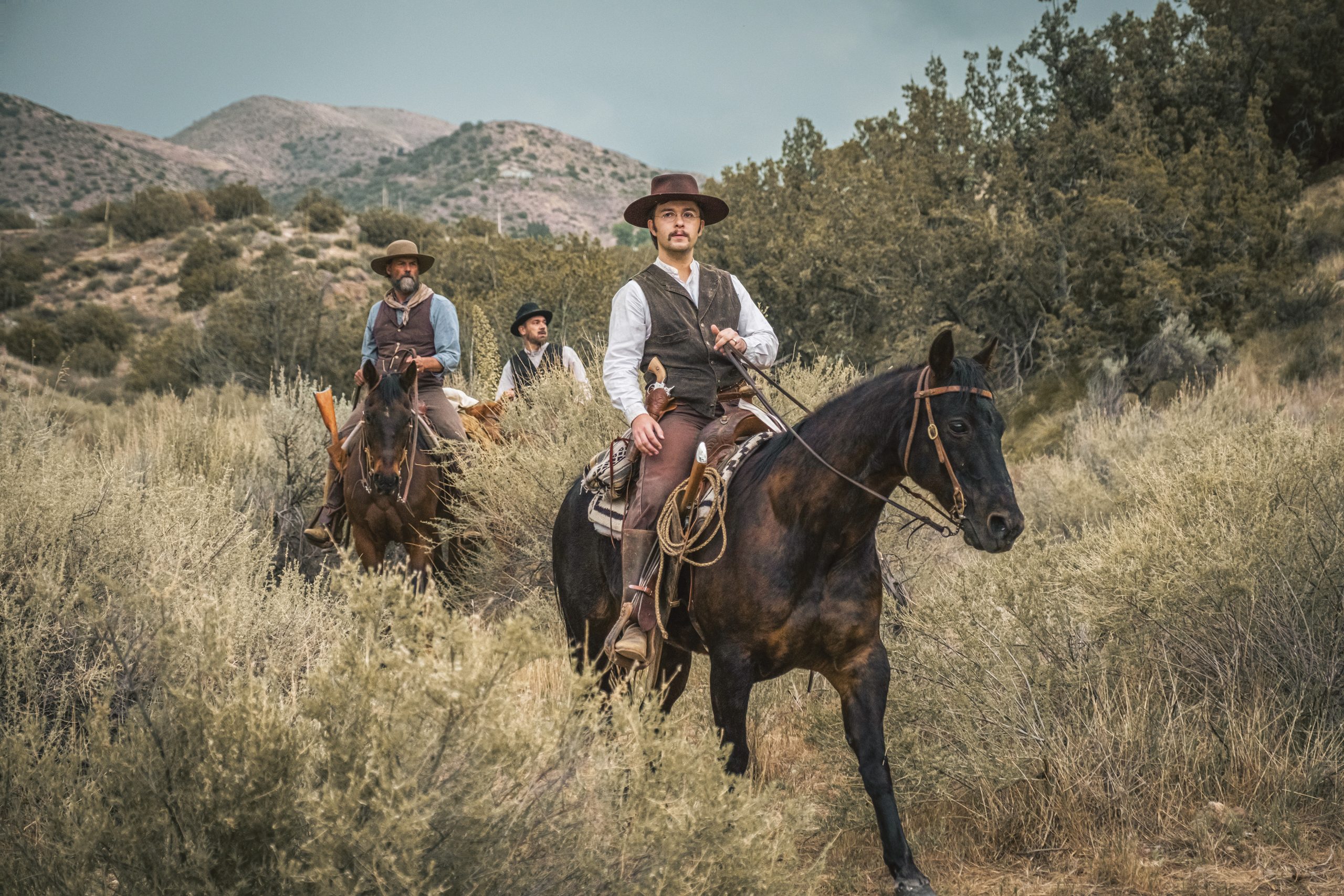
Roughly the same age as a 25-year-old “T.R.” (as Roosevelt is affectionately called here) during his historic Elkhorn tenure in the mid-1880s, the actor found some reliable footholds for the show’s eccentric lead at the outset of Season 1 — including “incredible chemistry” with a tight cast portraying mainly real-life figures. Now deep in Elkhorn’s second season, he admits growing into the role has proven to be a continual process.
“T.R. is kind of a different guy this time around,” Beals says. “He’s dealt with all that grief that sparked his move out here, and he’s not so fish-out-of-water anymore. Now, he’s just the boss. He’s crushing it — or at least he thinks he is.”
“I’m still protecting him though — as much as I can,” pipes in actor Elijha Mahar, who plays William Sewall, Roosevelt’s hunting guide and mentor from Back East who joins him at Elkhorn to help out at the ranch and ward off inevitable trouble. “I mean, we’re talking about one of the biggest figures in history here. You need to keep an eye on this guy,” says Mahar, turning to Beals. “Y’know, you’re my mother-in-law’s favorite president.”
“Thank you,” Beals deadpans, half in character, before discussing what else he loves about being Teddy Roosevelt the cowboy: “His energy and work ethic, his resilience and determination to overcome challenging situations, his stubbornness — but that one can be a problem. I mean, sometimes you have to listen to others. T.R.’s not always so great at that, but that crazy confidence is also what makes him who he is.”
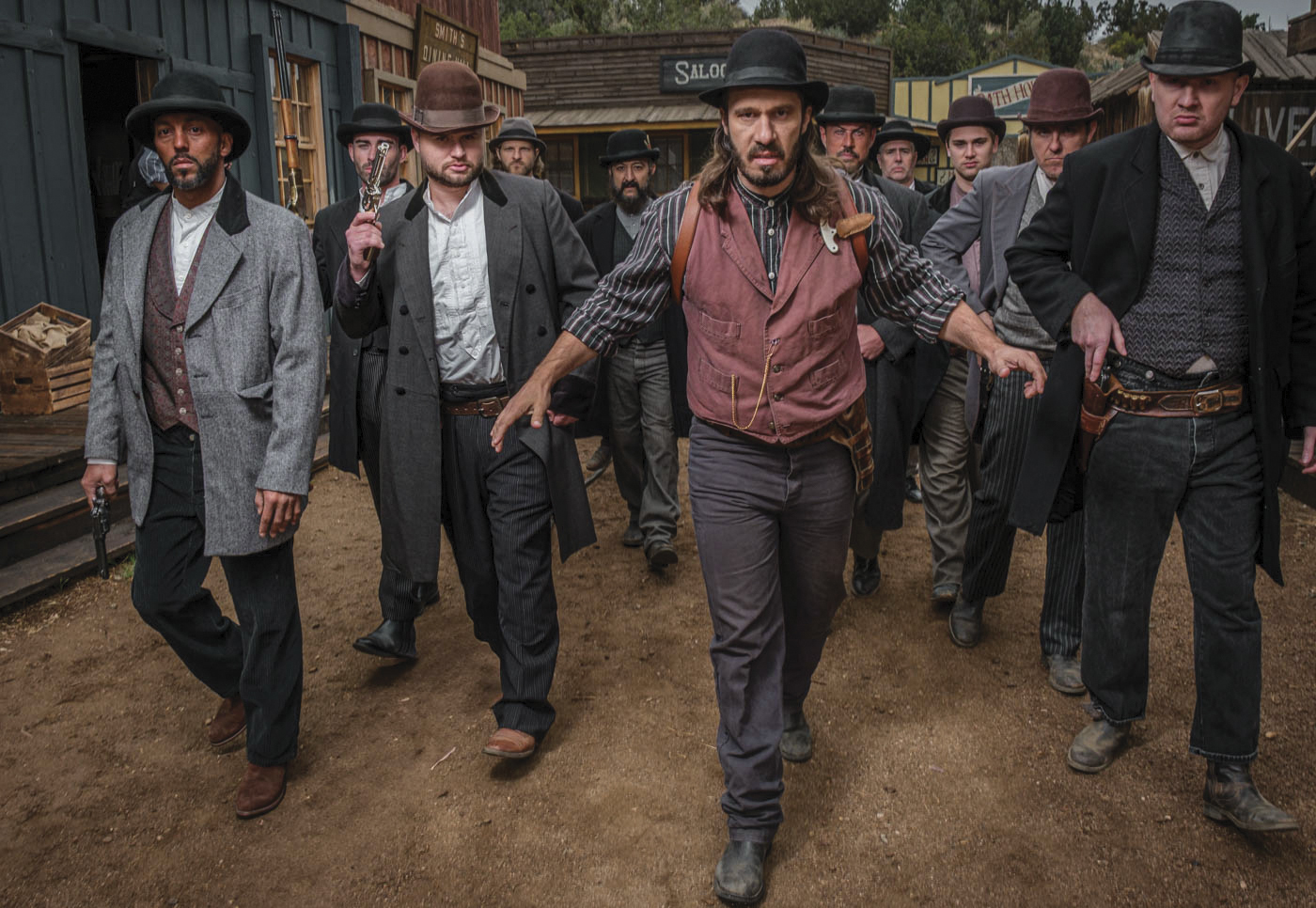
In the Elkhorn pilot episode — entitled “The Greenhorn” — a bespectacled, grief-stricken Roosevelt arrives in Medora, Dakota Territory, having left his affluent New York City life behind after the deaths of his 22-year-old wife, Alice (from nephritis, after childbirth), and his mother, Mittie (typhoid fever), which happened on the very same day. Seated over a quiet spot of tea at the local watering hole (Bob Roberts’ Bug Juice Dispensary) on his first night, T.R. marks his arrival by punching out a persistent drunken bully who mistakes him for a four-eyed tenderfoot. “I just thought it was a shame for the brute to mistake my silence for weakness,” Roosevelt later reasons — entering cowboy life with few clues and much mettle.
“He took this terrible, almost unthinkable, tragedy and really used it to go further than anyone thought possible,” says Gary Tarpinian, Elkhorn’s executive producer and co-founder of MorningStar Entertainment. “It’s only an 18-month period where he comes out here and essentially transforms himself from sickly, asthmatic Theodore Roosevelt who can hardly see, into a true cowboy and future Rough Rider. My first thought when approaching this project was how could no one have done it until now?”
Tarpinian’s initial approach was to make Roosevelt’s cowboy saga an episode of his Wild West Chronicles, an anthology series of the great true stories in the Old West. But it quickly grew beyond 21 minutes. “The story got so big — because Roosevelt is such a big character — that we asked INSP if we could make it a double episode,” Tarpinian says. That’s when the network took a closer look and suggested turning it into its own series. “The more we got into Season 1 research, the bigger it got,” Tarpinian says, laughing. “And now here we are in Season 2. We feel like we’ve created this great little world, so hopefully we can keep this thing going.”
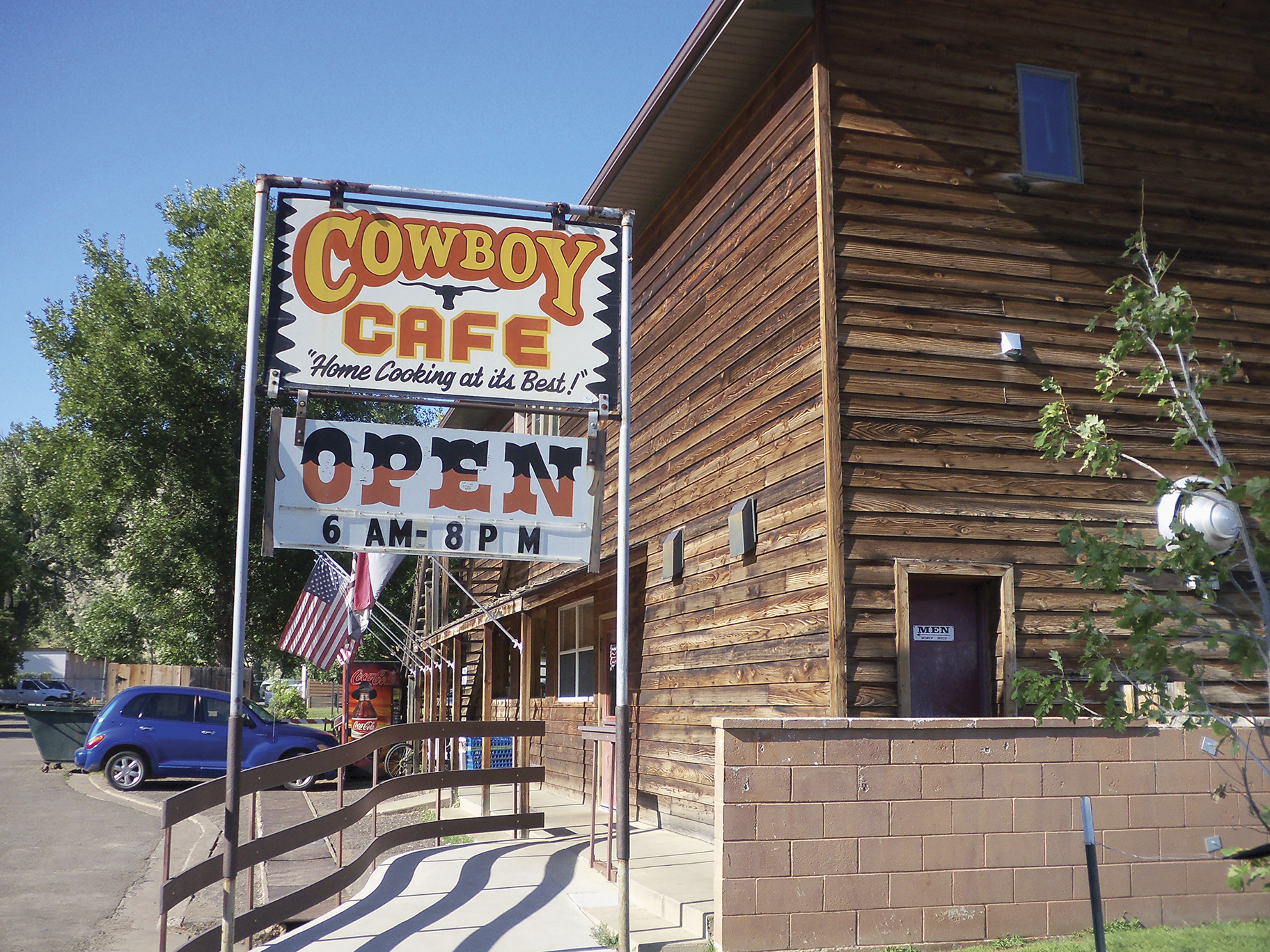
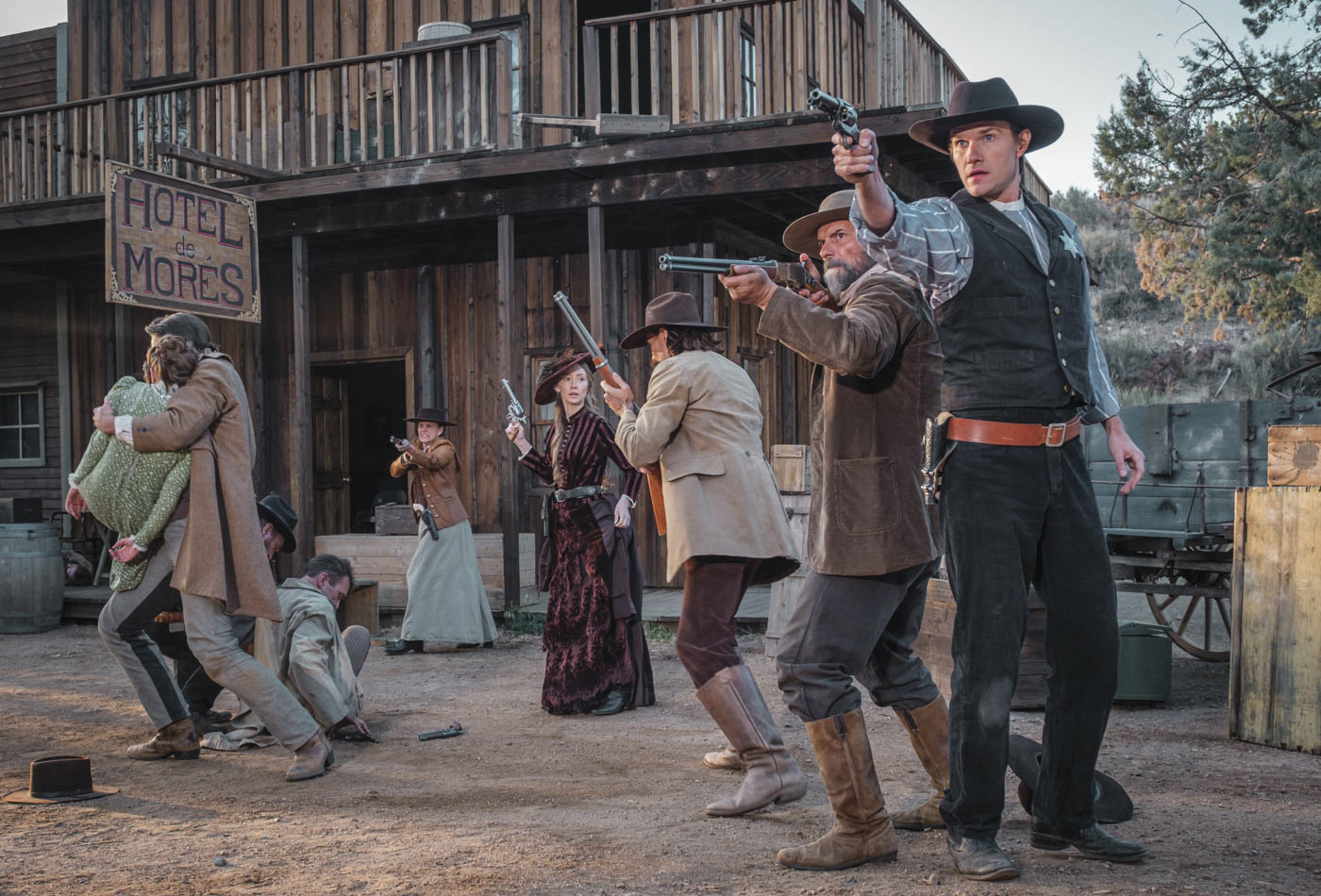
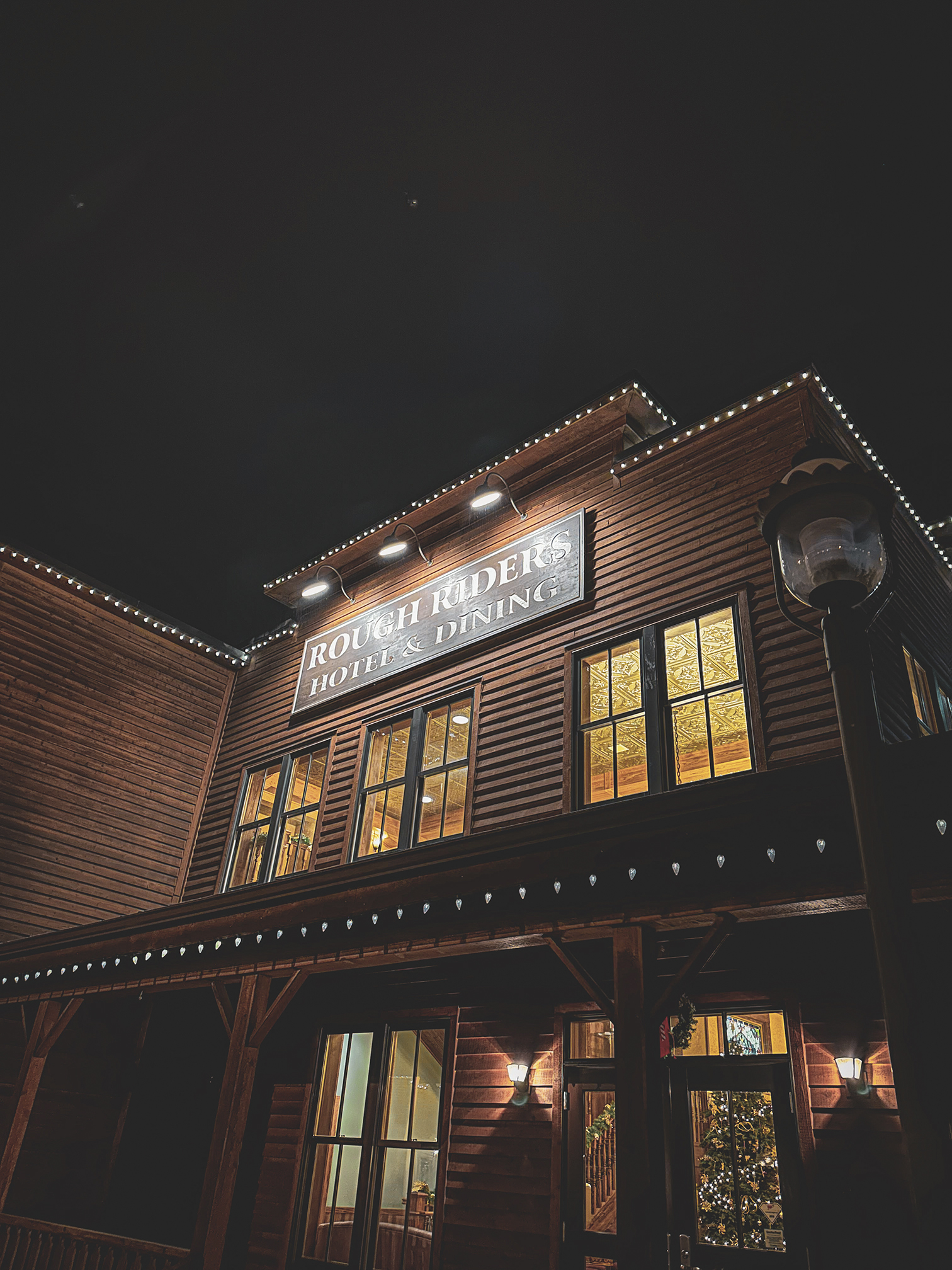
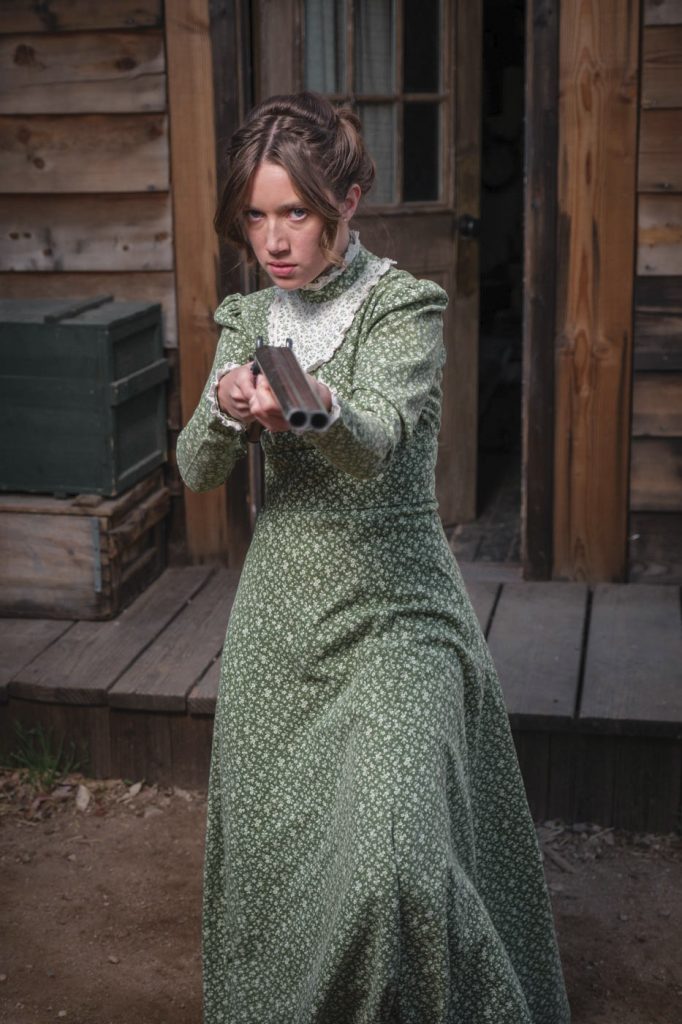
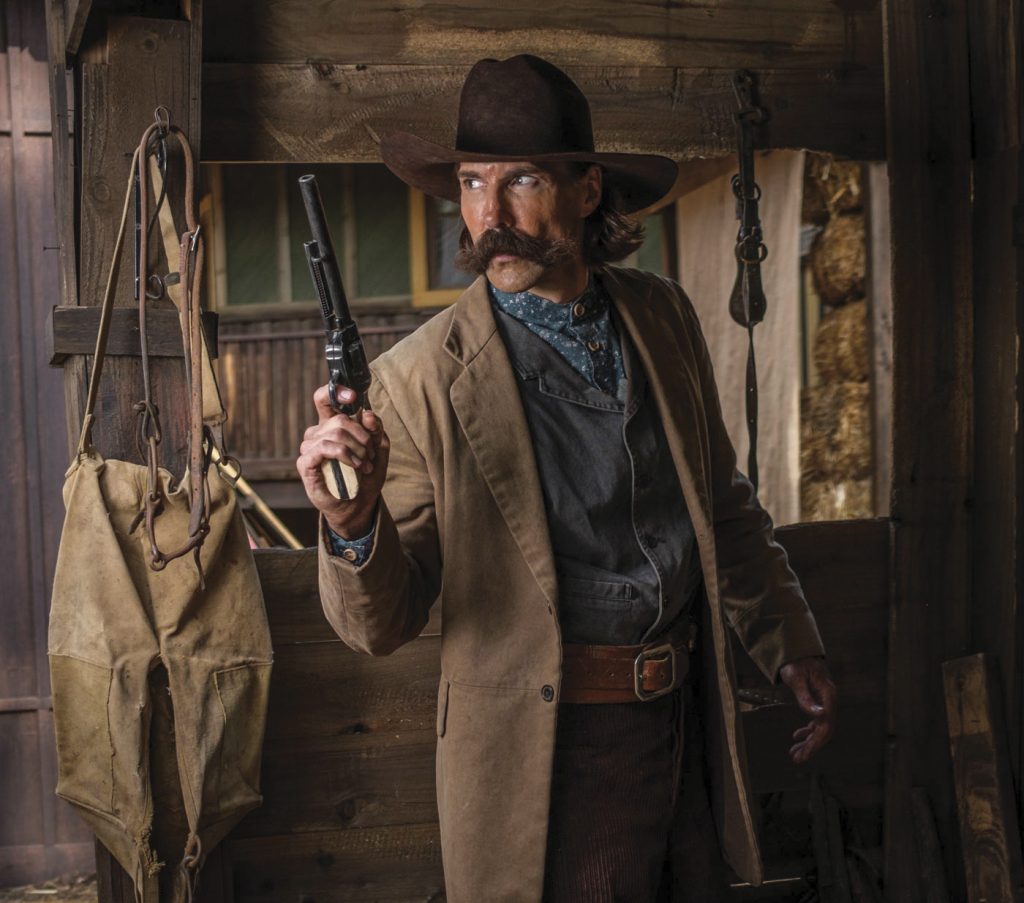
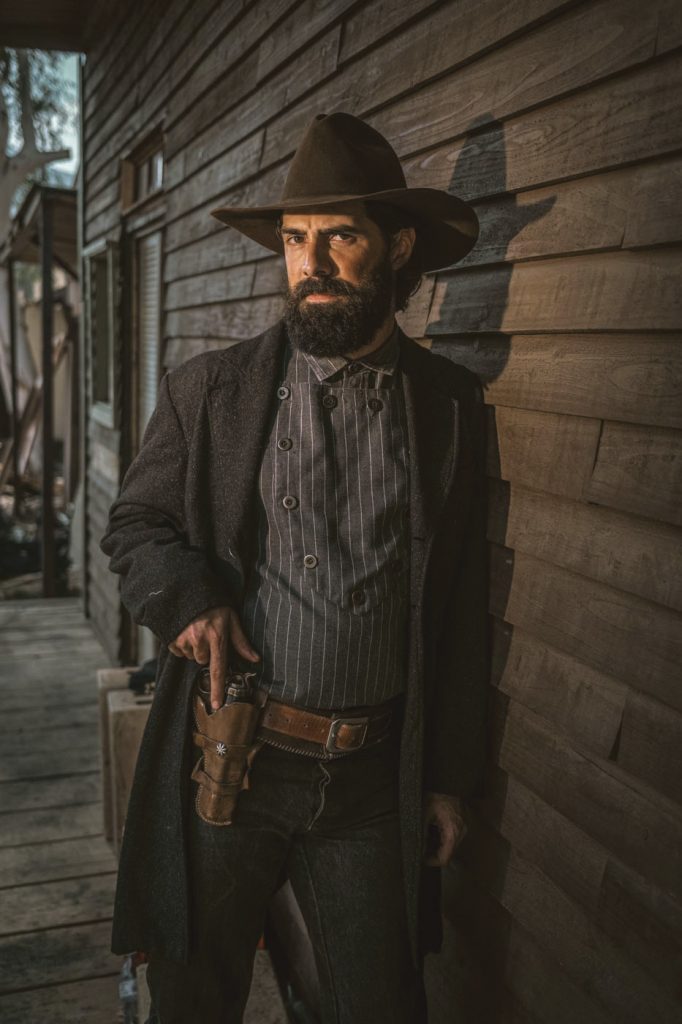
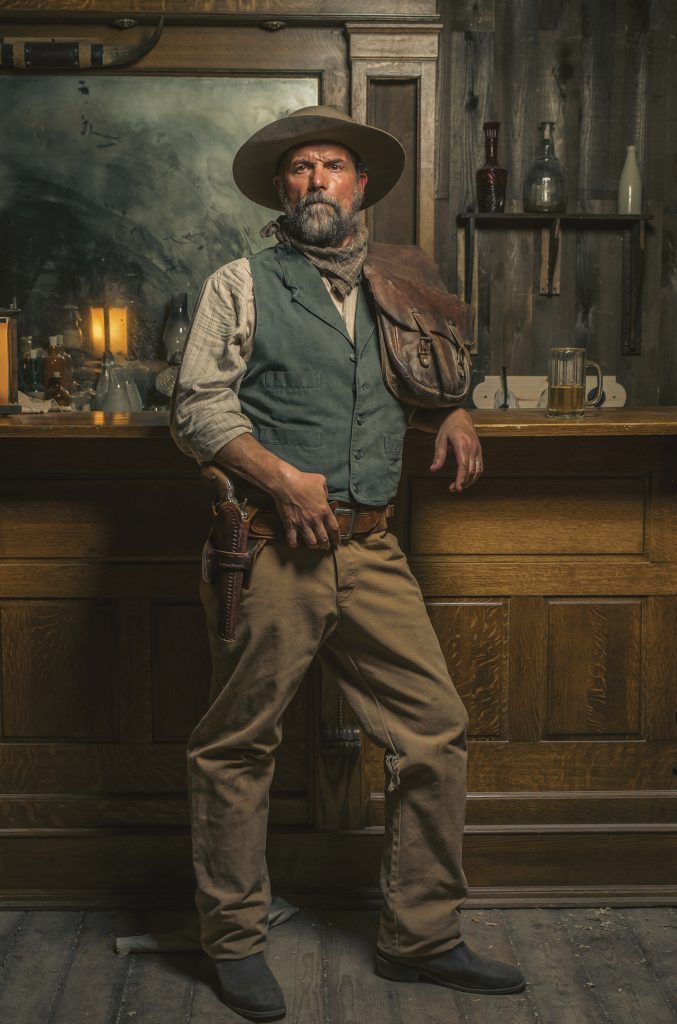
Touring the Elkhorn set — a tight cluster of wooden buildings and dirt roads flanked by oak-studded hills and neighboring ranches in the high desert north of L.A. — reveals a familiar townscape for viewers of the show in the amazingly compact way that any set visit will. There’s the Hotel de Morès steps from the General Store with its clock-tower roof and shelves of boxed bullets, beef stew, and Snow Dust Washing Powder. Just around the corner, The Bad Lands Cow Boy news office turns up next to Bob Roberts’ Bug Juice Dispensary and Smith’s Dining Hall — 20¢ Meals!
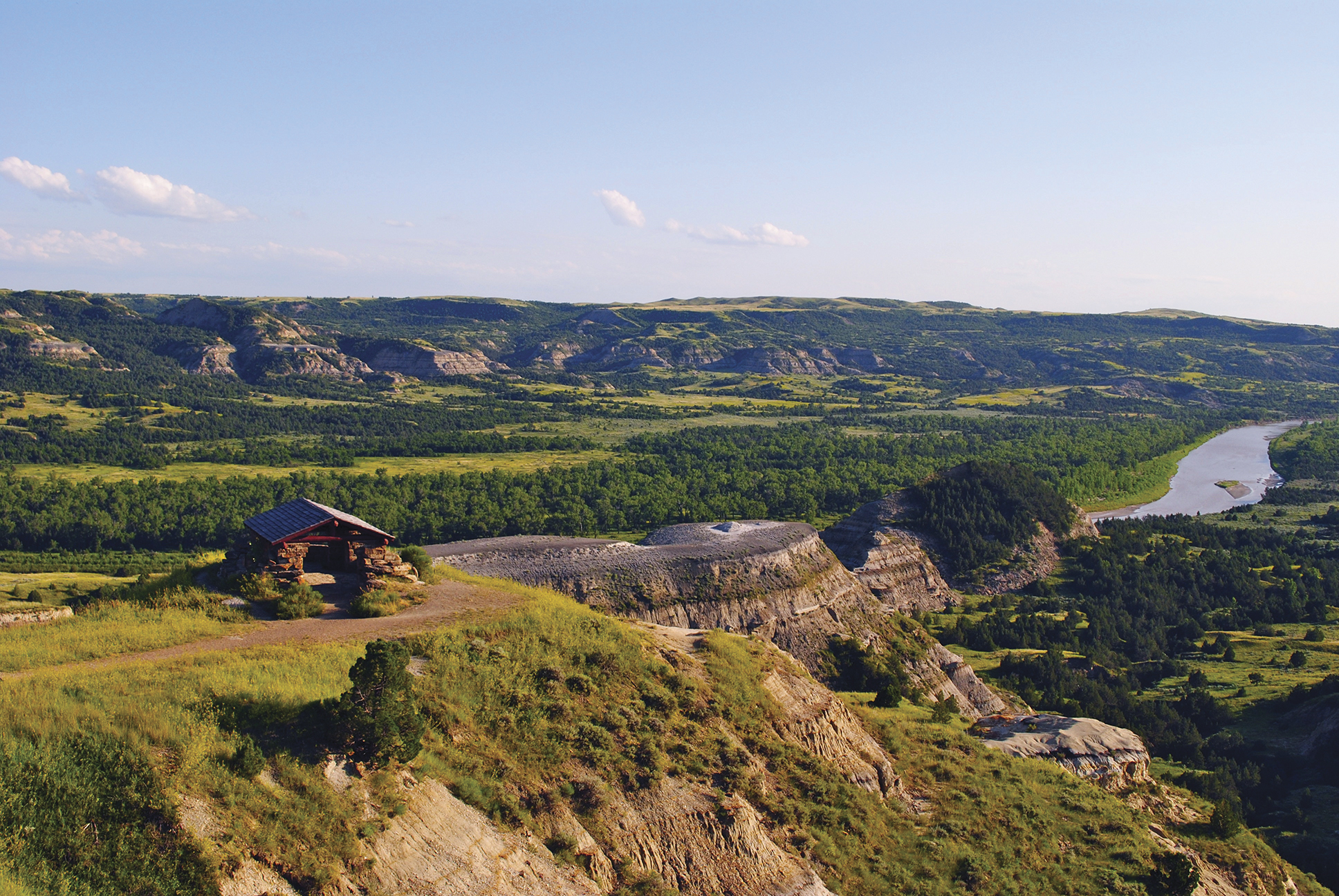
Hiding in the back of the property is a replica of Roosevelt’s Elkhorn ranch house, which the producers consulted Theodore Roosevelt National Park about — home to the Elkhorn Ranch Unit, 35 miles north of Medora, North Dakota — for the original (long-gone) building’s precise dimensions. As for the actor chosen to portray Elkhorn’s occupant, culled from a stack of over 1,200 hopefuls for the Roosevelt role, the show’s creators happily went with their gut.
“We were looking for someone who could project T.R. without even saying a word,” Tarpinian says. “With Mason, just in the way he looked and carried himself, we all immediately felt like there was something special about him. Roosevelt’s mannerisms and eccentricities can easily slip into parody, or Robin Williams Night at the Museum mode, which was something we obviously wanted to avoid. Mason had all that stuff down in a way that felt measured, human, and exactly what we were looking for without really being able to describe it.”
On a sunny Wednesday last spring, we chatted with Mason Beals about his own approach to the role of a lifetime and what it feels like to be the face of T.R. — round two.
Cowboys & Indians: There has to be a story behind landing a role like this. Can you give us the abridged version of how you came to portray a certain famous cattleman named Theodore Roosevelt?
Mason Beals: It still feels more like a dream than a cohesive story. One minute, I’m putting together a self-tape with my younger brother as my reader — who isn’t an actor whatsoever. Then I’m going in for chemistry tests, physicality tests, all that stuff. Then casting is saying, “Just so you know, you’re probably our guy.” Then I’m in Vegas working on a videography shoot when I get the series agreement — and it still isn’t really sinking in: OK, so I gotta go edit this project, and then go play Teddy Roosevelt on TV. Now, midway through filming Season 2, there are still some of those moments between takes where I’m like, How did I get here?
Cowboys & Indians: Elkhorn’s lead role was whittled down from over 1,200 actors. Aside from ignoring those odds, how did you approach auditions?
Beals: The initial advice I was given was pretty much just — “Do your research.” I listened to his speeches, got a sense of how he talked, and read up on him as much as I could — especially about that wild ranching phase he had long before he became the Theodore Roosevelt everyone knows. I tried to inject his intelligence and energy into my performances, but also his underlying grit. That was a real foothold, too. A lot of the local cowboys saw this affluent New Yorker as nothing more than a nerdy four-eyes who had no business being there. It turned out he had a lot of game for that world. So that’s how I tried to approach it — sort of fusing those two very different sides of him into this one person.
Cowboys & Indians: Once you took on the role, what helped you find your Teddy legs and make him relatable to you?
Beals: A big part of it for me was just building confidence in being him — especially because he’s just so incredibly confident. That’s something that you can’t really fake. Having a whole season behind me has helped a lot in that respect. Entering Season 2, I just feel even more confident playing him, which makes the role that much more fun and exciting for me. I really know this guy and want to make creative decisions that add depth to who he is.
Cowboys & Indians: Season 1 doesn’t waste any time bringing out Roosevelt’s personality and humanity through his interactions with Elkhorn’s cast of real-life characters — from his clashes with new nemesis Marquis de Morès to his old friendship with Bill Sewall and at times testy business partnership with rancher William Merrifield. In various ways, it seems like all of them are testing his mettle right from the start.
Beals: And right from day one of filming, too. One of the first scenes we shot for the show has Merrifield and T.R. sitting by the fire engaged in this deep conversation about grief — something that, it turns out, both of them have quite a lot of experience with. That scene ends up happening midway through Season 1 [Episode 6, “On the Hunt”], but it was quite the icebreaker during day one of production — and also a great learning experience. Roosevelt’s relationship with Sewall takes all sorts of twists in Season 2, which I’m really excited for people to see. Sewall is clearly one of the only people who gets him — at least more than any of the other characters do. He’s an influence of sorts, but Theodore is also his boss, and a very eccentric one at that, so it’s a really interesting connection they have. Eli [actor Elijha Mahar] and I have been having a lot of fun with that.
Cowboys & Indians: What’s the greatest challenge of the role, and what do you love about it?
Beals: He’s just such a huge character in every sense, and so totally present and passionate in everything he does. I’d say that’s what I love the most about being him and also what can be challenging at times — handling all that vigor and raw energy. It’s also what’s helped me lose myself in the role. Plus, it’s just such an honor to be playing Teddy Roosevelt, especially during this very niche phase of his life that hasn’t really been covered before in scripted media. It feels like uncharted territory in a lot of ways.
Cowboys & Indians: Hardest lesson learned on the job?
Beals: I hadn’t really done any horse riding before this. I had friends with horses growing up in Idaho, and my grandpa had grown up riding them, but I’d just never really gotten around to it — until now. It’s been great learning from different trainers on the production who all have their own way of approaching riding and just being around horses. So that’s been a lot of fun — and also a learning curve.
Cowboys & Indians: What’s the most important thing you and T.R. have since learned about horses?
Beals: That they’re not dogs. I grew up with dogs — and they’re so obvious. Horses aren’t, at least not to me. Eventually, you start clueing in to certain things: OK, this one’s kind of moody, this one’s sorta goofy, this mare is super-responsive and knows a ton. All of the actors on the show are now constantly talking about the horses and comparing notes. That’s been another collaborative part of the show: horse behavior and trying to figure them out.

Cowboys & Indians: Did growing up in Idaho provide any fodder for this role?
Beals: I’ve always appreciated my upbringing, and I’m sure it’s helped with this role in some ways. I grew up in a very blue-collar family. I did hardwood floors with my dad for some years. He was always taking us dirt biking and out into the wilderness and all that, so appreciating the outdoors was always a big part of my life. For a nine-month period during my sophomore year of high school, we lived in this small town called Bonners Ferry — which was like my parents’ “just-in-case” place after the crash of 2008. It’s a long story, but basically my dad traded a hardwood floor for a jeep, then a jeep for an acre-and-a-half of land, where the plan was for us to kind of live off the grid. It was a wild experience. I shared a small sheet rock and concrete bedroom with my brother and chopped stacks of wood for the wood-burning stove my dad installed to stay warm during the winter. It was a real chest-hair-growing experience.
Cowboys & Indians: Elkhorn training grounds in disguise?
Beals: Yeah, maybe, among other things. At the time, it seemed like just another crazy move my parents were making, but it turned out to be very formative. It’s where I started my filmmaking journey, learned how to shoot and edit, and took some creative risks at school. I snuck my way onto student council, hosted a talent show, and really thrived during that time and in that environment. Even though I missed my hometown of Coeur d’Alene, that Bonners Ferry chapter ended up being a really positive experience for me. It definitely helped shape my work ethic and appreciation for rising to certain life challenges. That’s something I really relate to with T.R. — as well as wanting to do things his way. It’s a double-edged sword. It helps get things done, but you also need to listen to others, work with people, and be humble.
Cowboys & Indians: Outside of Elkhorn, what types of roles or shows do you gravitate to?
Beals: I actually generally veer toward comedy and come from a lot of improv and sketch work, which makes this role drastically different than anything I’ve ever done. Either way, I like playing characters who have a lot of personality and depth.
Cowboys & Indians: Favorite actor?
Beals: Christian Bale.
Cowboys & Indians: What’s your perfect day at home in Los Angeles when you’re not busy cowboying as Teddy Roosevelt up the road?
Beals: I live in a great L.A. neighborhood called Lincoln Heights — kind of tucked away near downtown. A great day off would be grabbing breakfast with my girlfriend at one of a couple spots we really like in that area, then heading to the Americana [at Brand, in Glendale] for a movie, and maybe capping it off with a Griffith [Park] hike. Then back home for another movie or some reruns of The Office.
Cowboys & Indians: Have you been out to see the real Elkhorn property at Theodore Roosevelt National Park in North Dakota?
Beals: Not yet, but that’s high on the bucket list. So is New York, and seeing the preserved brownstone where he grew up.

Cowboys & Indians: Do you have a favorite wild place of your own hiding somewhere out West?
Beals: I love northern Idaho — especially in and around Coeur d’Alene where I grew up. I also love Seattle and the Washington coast. The dreamiest place I’d want to teleport myself is Orcas Island [San Juan Islands, Washington], where I did some work with my dad. Heading out there on the ferry, you just feel like you’re in a movie. It’s an otherworldly spot.
Cowboys & Indians: Season 2 is set to premiere on October 2. What can you tell us about it?
Beals: We just hit the halfway point of filming, and it’s been going great. Beyond that, I really don’t want to spoil anything. But I will say that I’m very excited for people to see the season finale this year. It’s pretty huge.
Cowboys & Indians: Will it include speaking softly and carrying a big stick?
Beals: That’s the running joke on set — that, at any moment, I could pick one up. We’ll see.
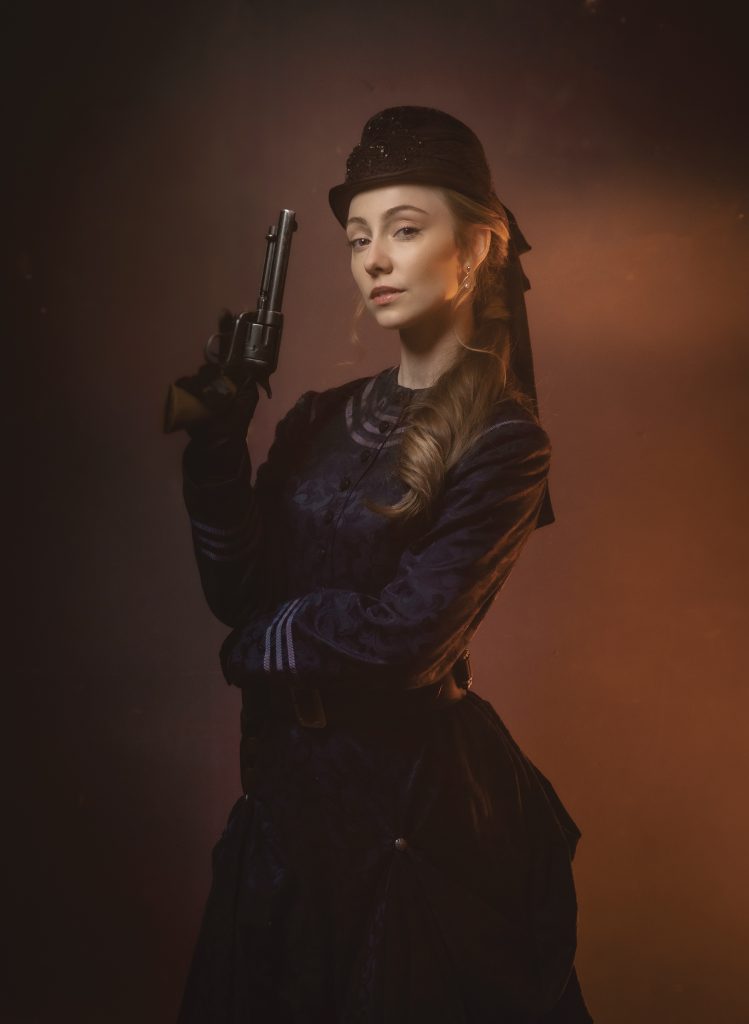
PHOTOGRAPHY (all images): Courtesy Morgan Weistling/INSP
From our October 2025 issue.