




The top five trends we saw in Santa Fe at Native Fashion Week.
New York, London, Milan, Paris, Santa Fe — the New Mexico capital city has officially joined the ranks of top destinations setting the sartorial agenda, and all from an Indigenous perspective. At the forefront of this fashion frenzy is SWAIA, the team behind the first-ever U.S. Native Fashion Week (now in its second year).
Native American fashion isn’t just for Native fashionistas — Indigenous designers are eager to share their couture creations with everyone. They’re paying homage to their heritage with time-honored traditions while embracing innovative approaches made for the modern day. The result? Stylish looks that feel timely yet timeless.
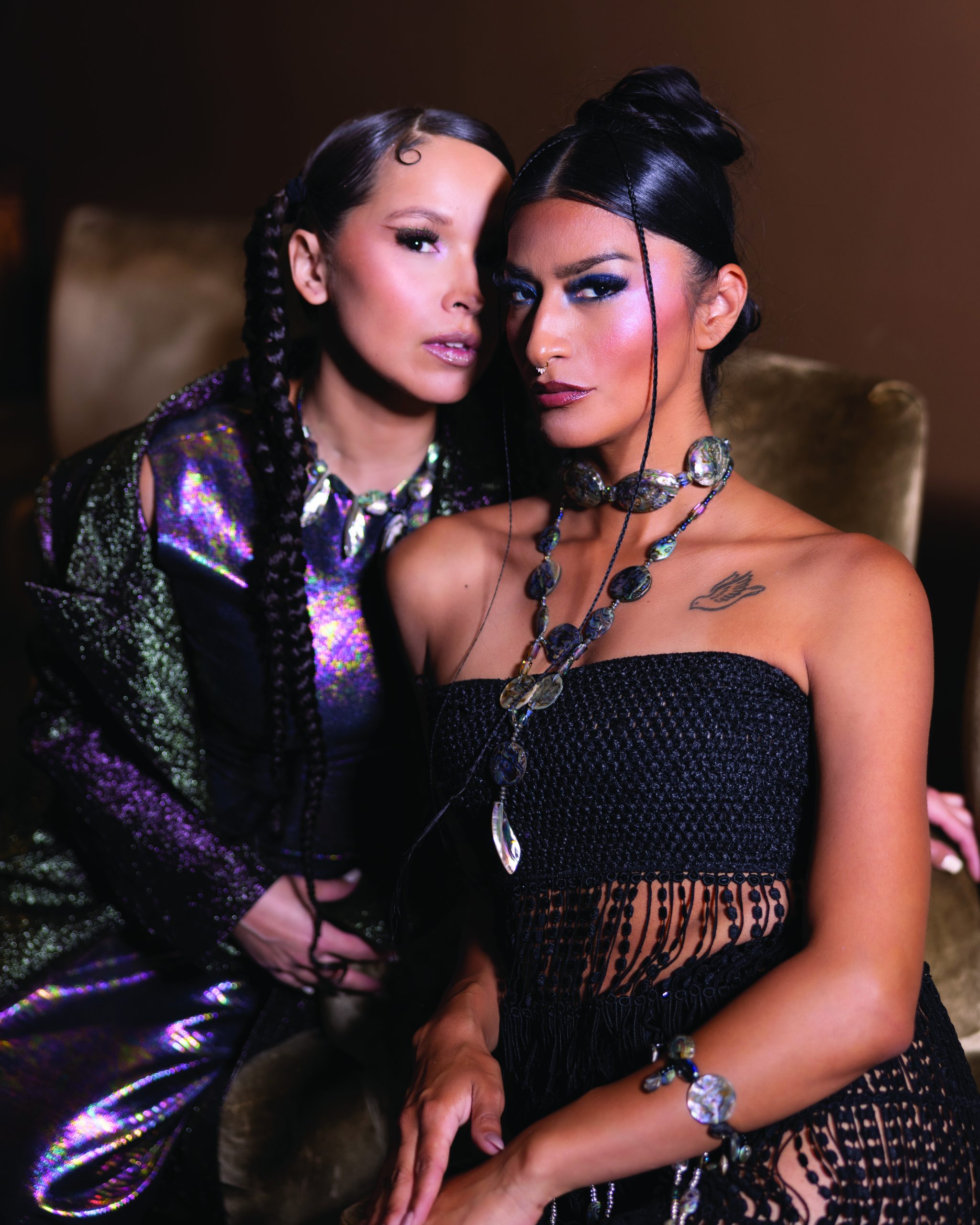 PHOTOGRAPHY: Tira Howard
We have joyfully watched the rising Indigenous style phenomenon hit a fever pitch in recent years, and we brought our passion for fashion to the front row of Native Fashion Week. Designers from across the continent like Patricia Michaels, Randi Nelson, and Stevens & Snyder lit up the catwalk with inspiring apparel and accessories that chic attendees clamored to snatch up the second the models stepped off the runway.
The stylish affair made this strong statement: Indigenous fashion has always been here and is here to stay.
But this isn’t solely about making a statement — it’s also about setting the trends. The reach of Indigenous fashion stretches far beyond tribal communities, with stylish waves rippling out from the Southwest and hitting the fashionable far reaches of the world. Here are the top five trends we spotted at Native Fashion Week.
 PHOTOGRAPHY: (SWAIA/Indigenous Fashion) Zoe Urness
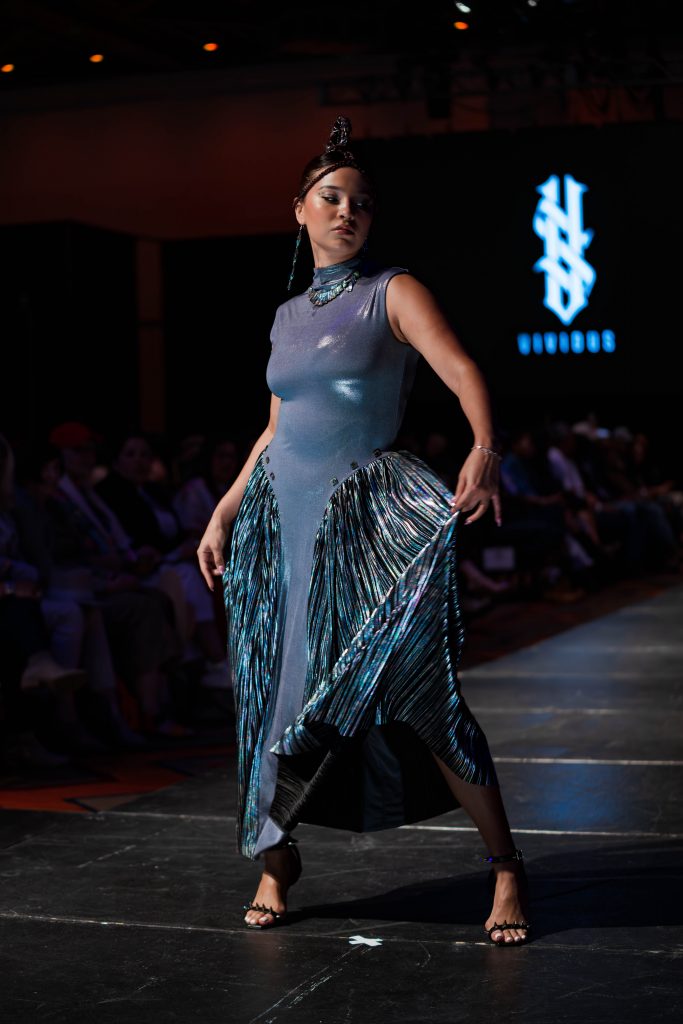
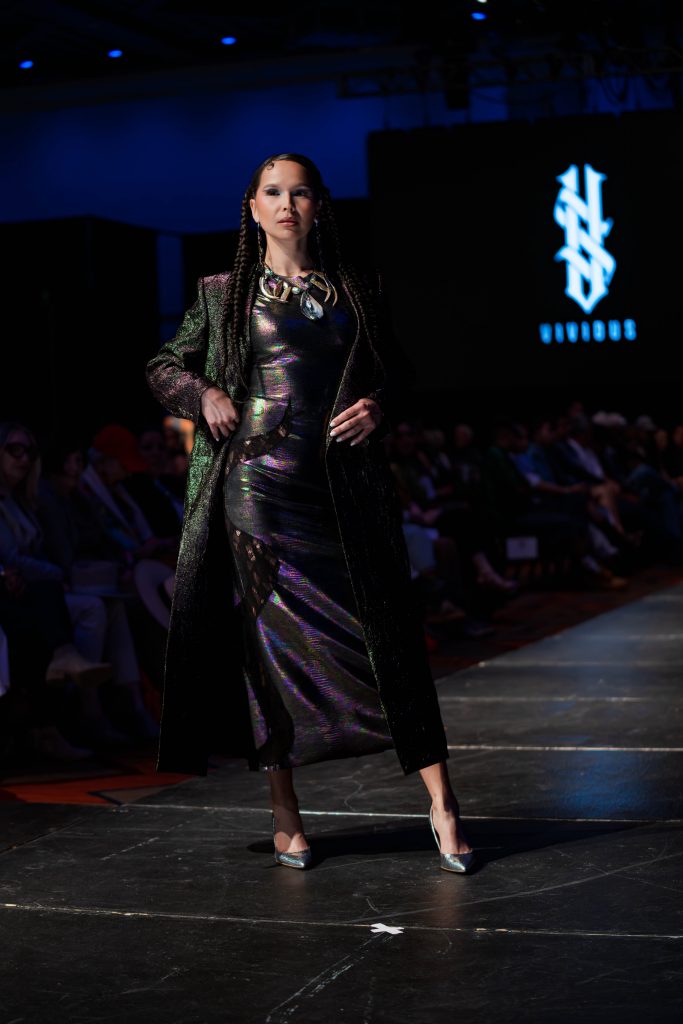
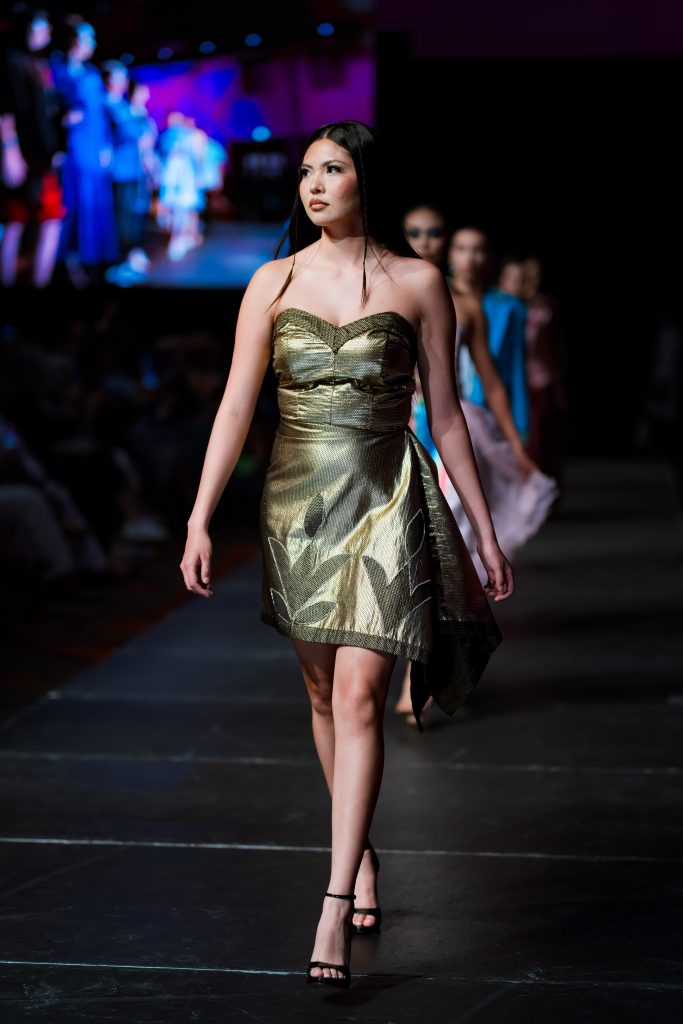
Metallic Moment
Shimmering and glimmering in gold, silver, and bronze.
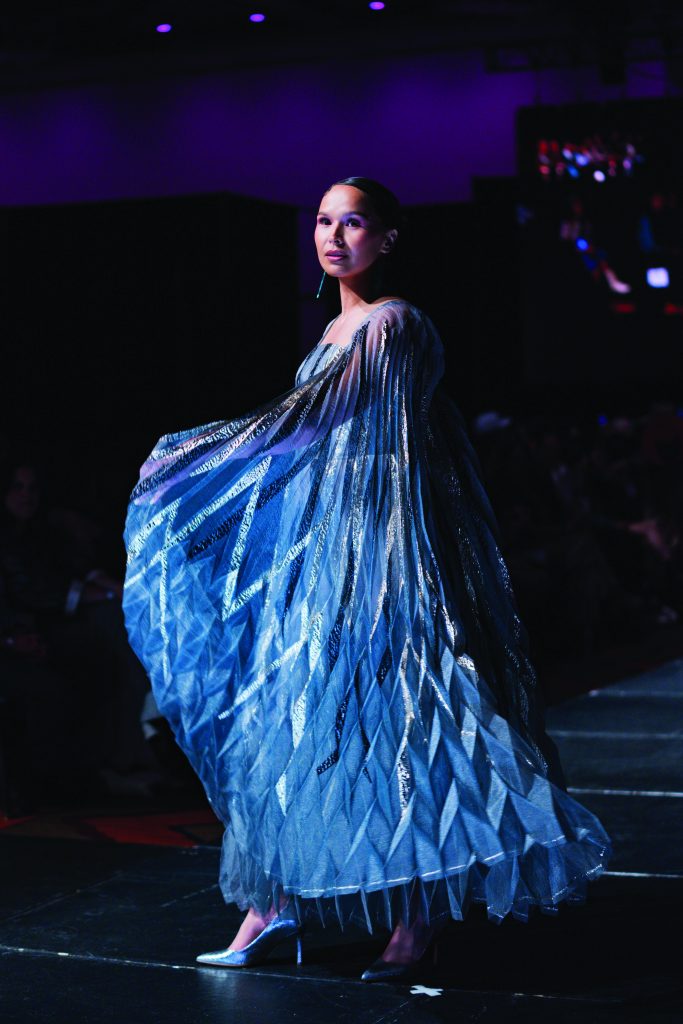
Designers didn’t hold back when it came to mesmerizing metallics. Tierra Alysia (Pomo/Filipino) went all out with an entire glistening collection for her Vividus brand. Like all of her work, those dresses, jackets, and sets held special meaning; many of them featured or emulated abalone shells, an all-important cultural element that heavily factors in this Northern California tribe’s regalia. Other Indigenous artists like Vina Brown (Haíłzaqv/Nuučaanu̓ ɫ) of Copper Canoe Woman and Yolonda Skelton (Gitxsan Nation) of SugIitLukxs Designs let the accessories take center stage, showcasing enchanting yet absolutely wearable bodices and capes that adeptly caught both the light and everyone’s attention. Each piece presented eventgoers with a compelling challenge: I dare you to look away.
PHOTOGRAPHY: Viisual Photography
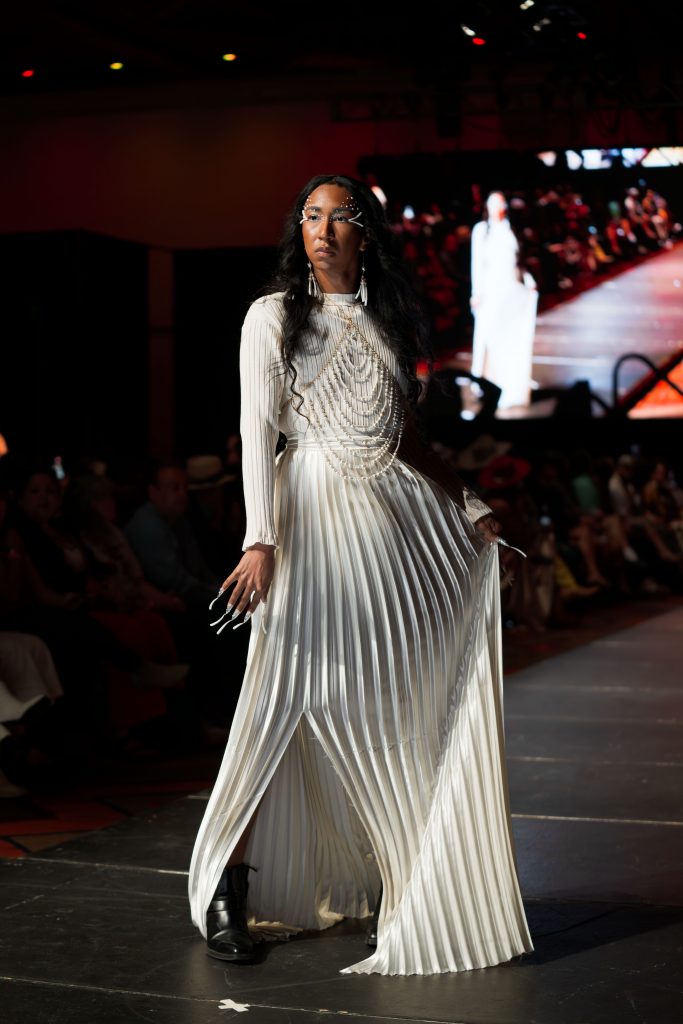
Flow State
Movable masterpieces that make an epic impression.
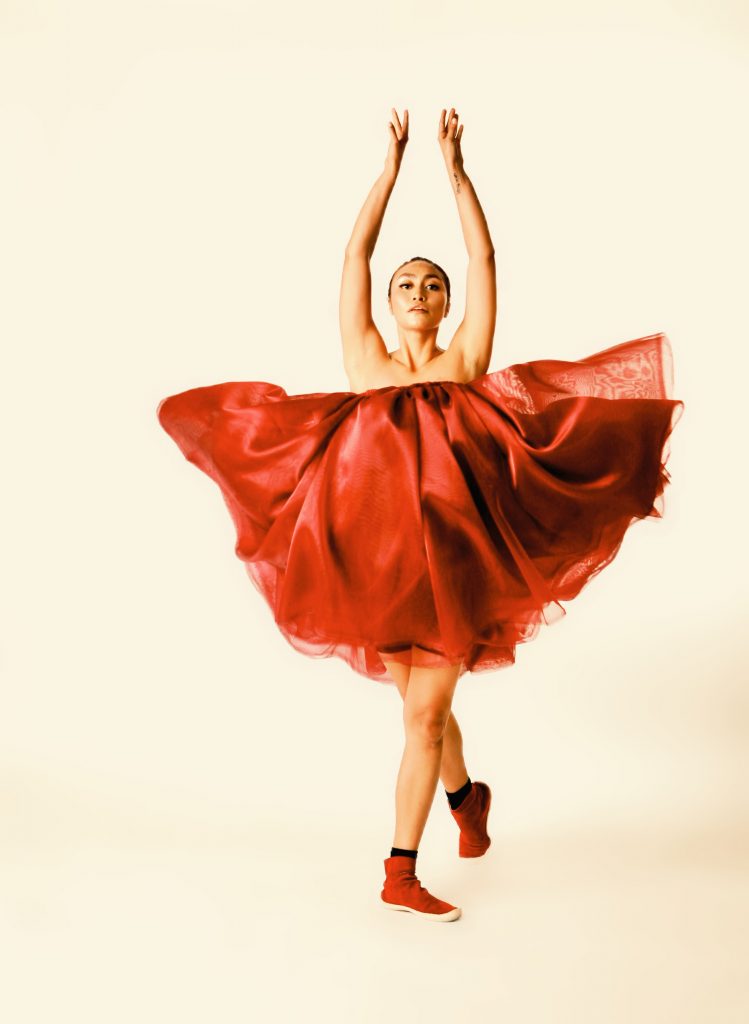
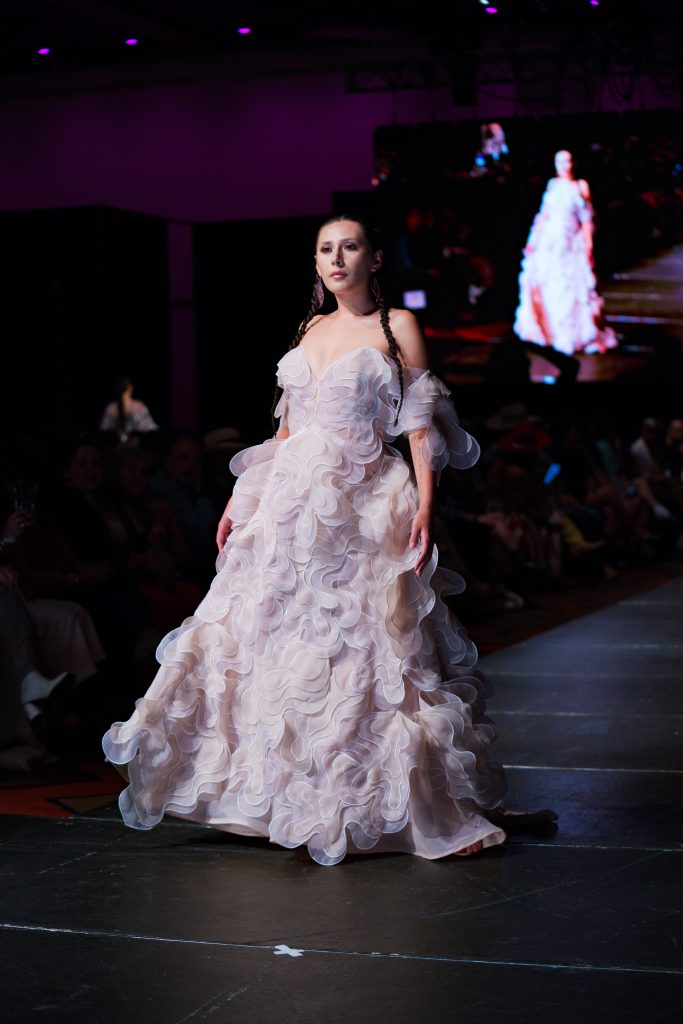
Gone are the days of uniformity in fashion. The SWAIA runway proved that flowing, flattering frocks come in all shapes and sizes, all materials and modes. Featuring perfectly placed pleats and draped floral details, dresses from designers such as Indigenous icon Patricia Michaels (Taos Pueblo) and body-inclusivity advocate Lesley Hampton (Anishinaabe/Temagami First Nation) were in constant motion with their wearer. That makes for an ensemble that looks and feels totally custom—and that’s right at home in any atmosphere yet will steal the spotlight in whatever room it graces. Bonus: These designs are primed for a photo op and give a one-of-a-kind impression with every snap, whether for the red carpet or an Instagram reel.
PHOTOGRAPHY: Viisual Photography; Zoe Urness
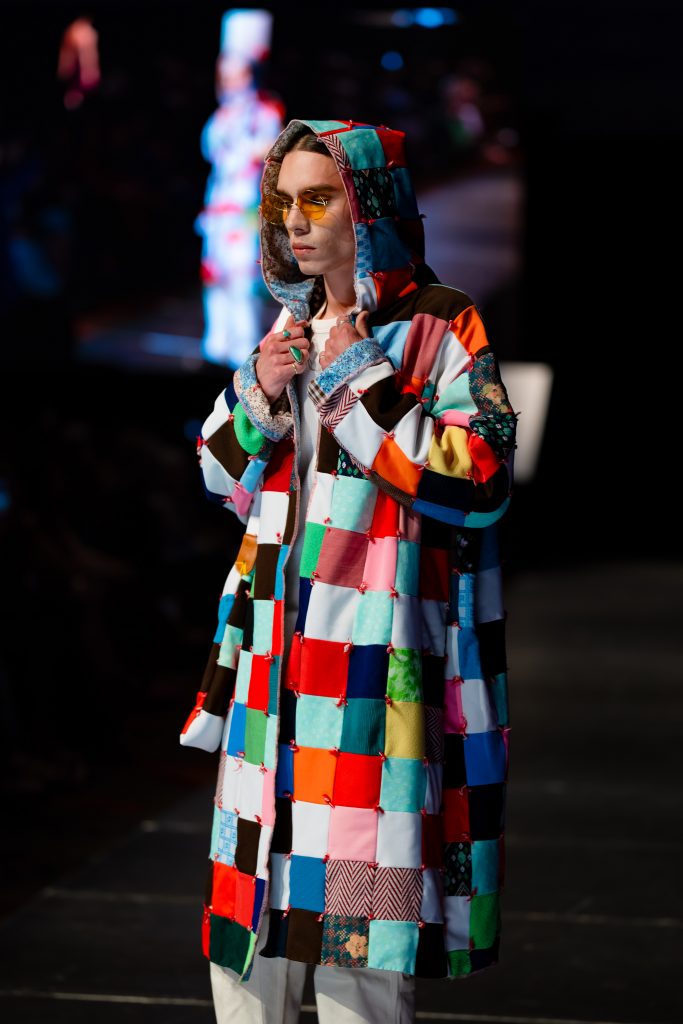
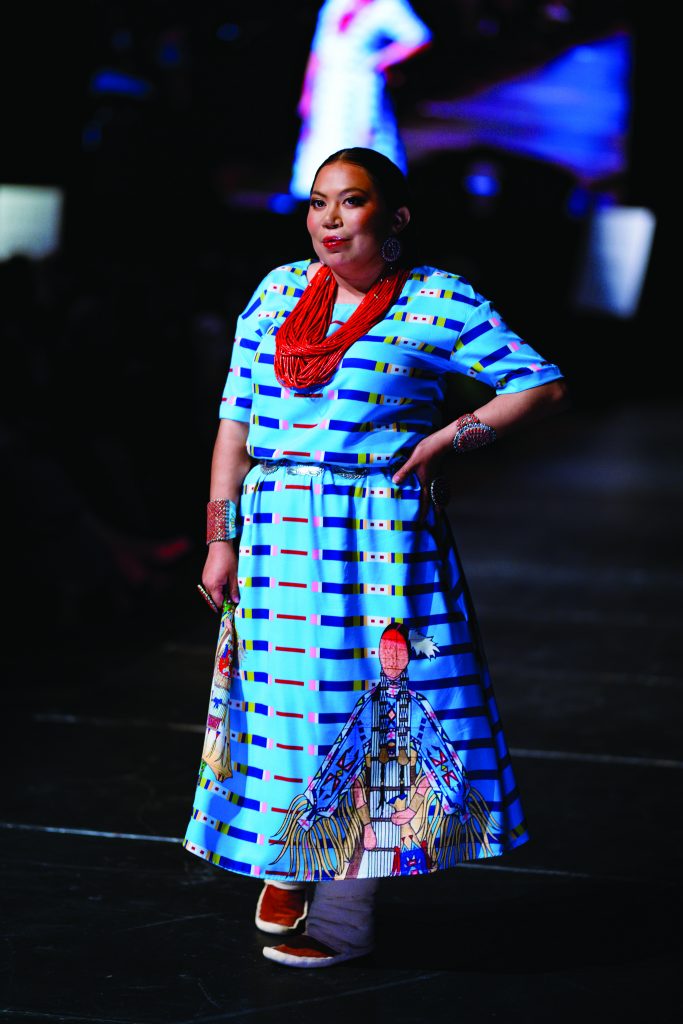
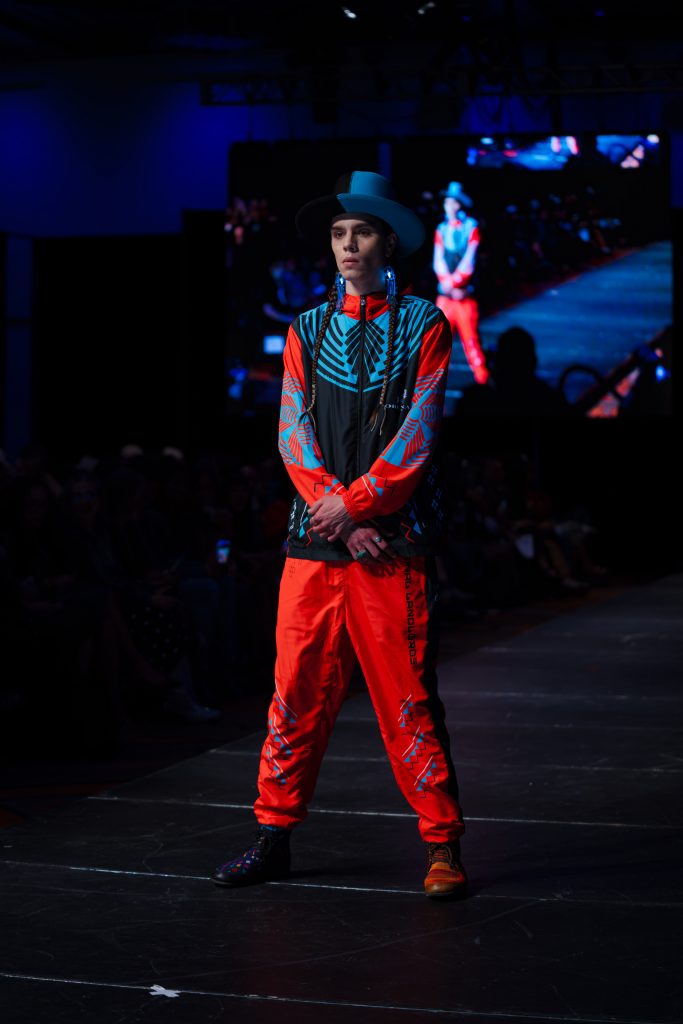
Color Coded
Playful pops in rich hues from soft pastels to jewel tones.
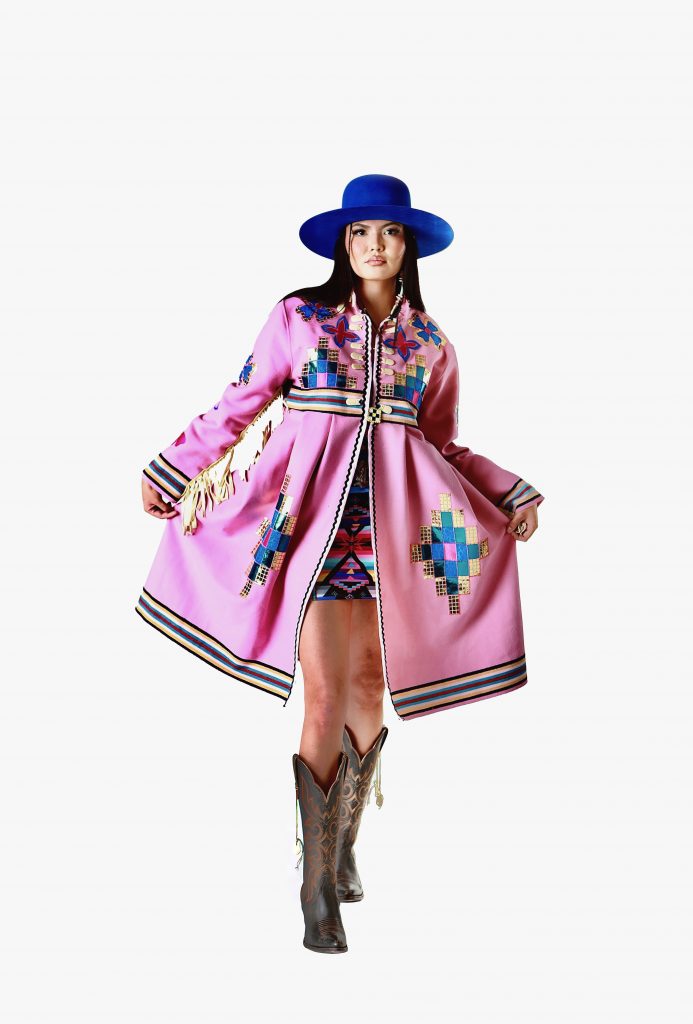
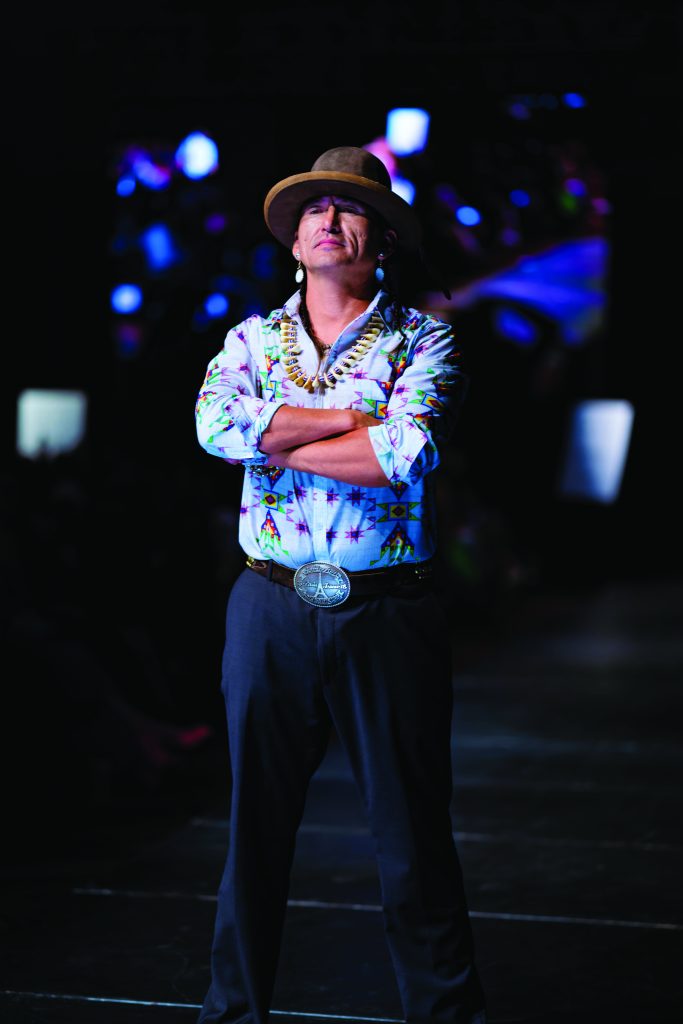
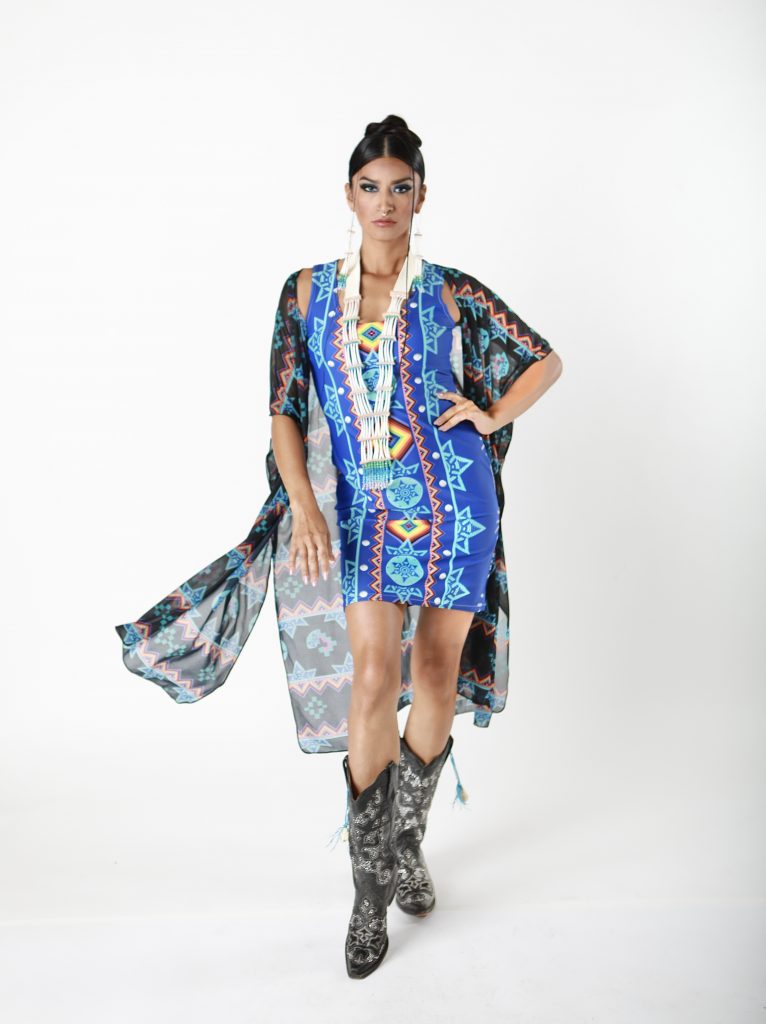
Since time immemorial, Native style has come alive with vibrant, vivacious colors and tantalizing tribal motifs, often reflecting specific symbolism. Fashion labels like Dene Couture by Tishna Marlowe (Dënesųłıné) and Original Landlords by Jeremy Arviso (Diné/Hopi/Gila River Pima/Tohono O’odham) embraced punchy, powerful hues. Their designs offer a not-so-subtle reminder that fashion doesn’t always need to take itself so seriously—it can also have some fun, without compromising on quality or veering too casual. From utterly stylish streetwear to effortlessly elegant outerwear, this apparel has earned its rightful spot in any artfully curated closet. (And trust us: Fashionistas don’t need a colorful occasion to don it.)
PHOTOGRAPHY: Zoe Urness; Viisual Photography
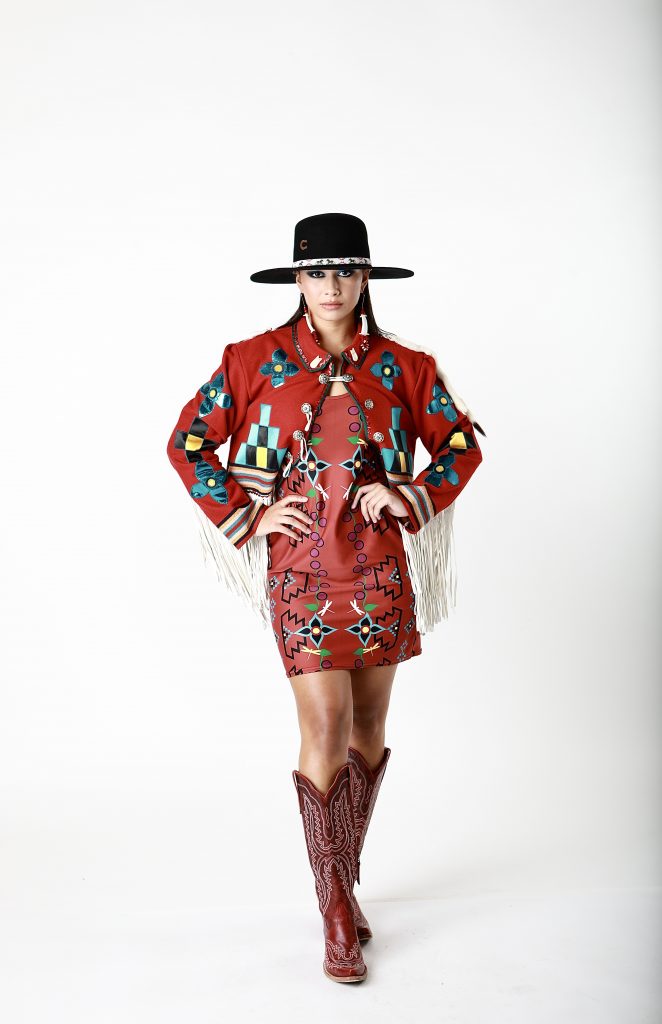
Fringe Benefits
Dripping in eye-catching handcrafted details.
Like so many stylish elements, fringe has deep Indigenous roots. Historically, it was often (but not exclusively) worn by Great Plains tribal nations for both practical purposes—to make use of material scraps and to repel rainwater when worn—and cultural reasons—for powwows and other ceremonies. Fringe is as fashionable as it is functional, which is why it has consistently topped the trends chart for the past century, since flappers took a liking to it in the 1920s. That tradition-meets-today juxtaposition was on full display as models sashayed down the SWAIA catwalk in fringed couture creations by Randi Nelson (Secwépemc/St’uxwtéws First Nation), Kayla Lookinghorse (Hunkpapa Lakota/ Dakota Sioux), and Livia Manywounds (TsuuT’ina/ Siksika) of Dancing Storm Designs.

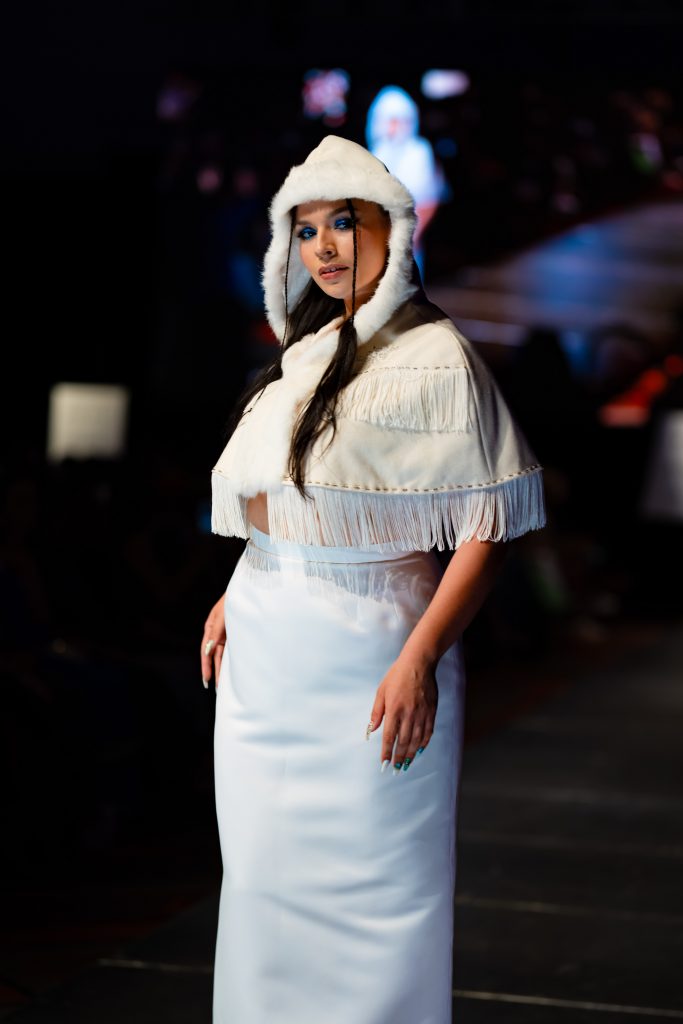
PHOTOGRAPHY: Viisual Photography; Zoe Urness
Getting Graphic
Bold designs that speak louder than words.
These dynamic designs demand to be seen and heard. Lauren Good Day has become known the world over for her attention-grabbing graphic garments that honor her Arikara, Hidatsa, Blackfeet, and Plains Cree heritage. Similarly, Himikalas Pamela Baker’s TOC Legends label is imbued with Musgamakw Dzawada’enuxw, Tlingit, and Haida iconography. Donning Indigenous looks like these can convey a lot about someone: a clear and present passion for fashion, an openness and eagerness to stand out among the crowd, and—most of all—a conscious commitment to supporting Native-owned brands. If that’s not a stylish statement in itself, we don’t know what is.
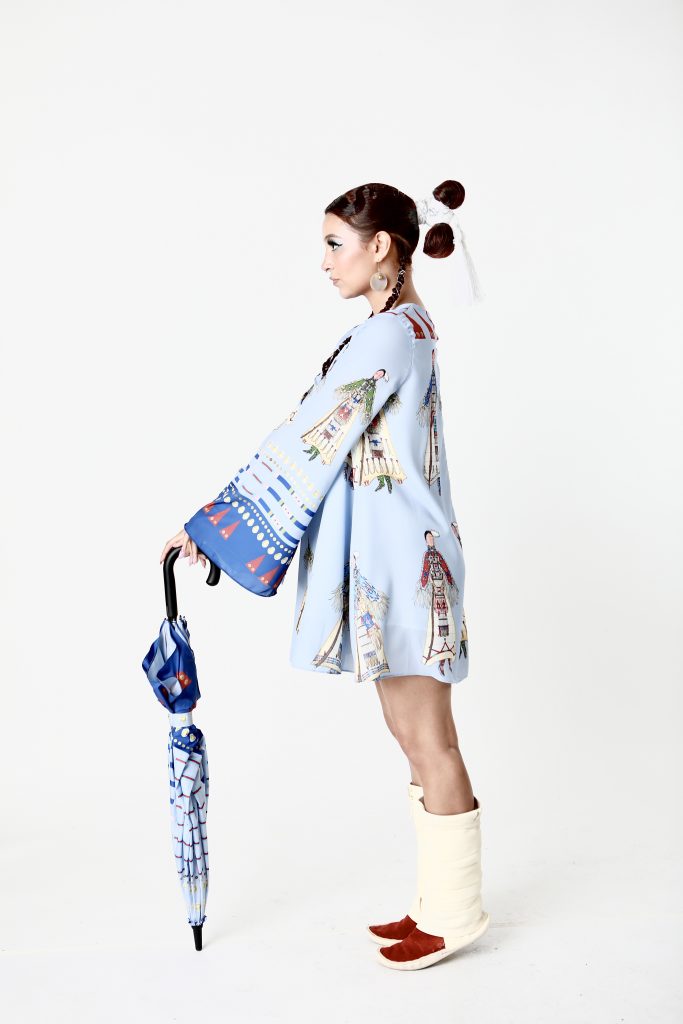
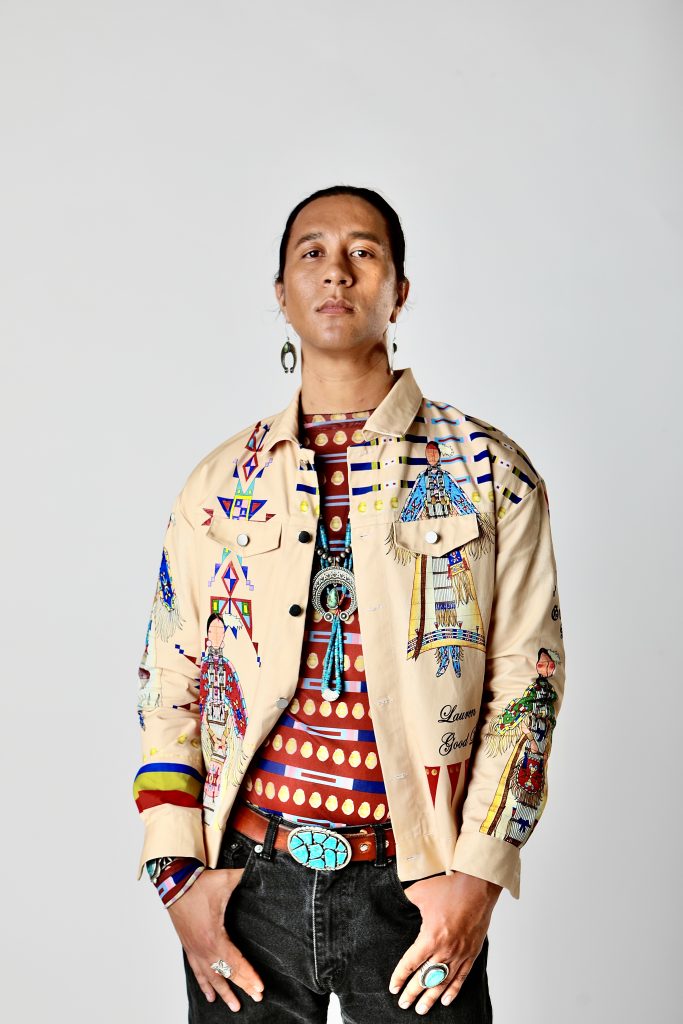

PHOTOGRAPHY: Viisual Photography; Zoe Urness
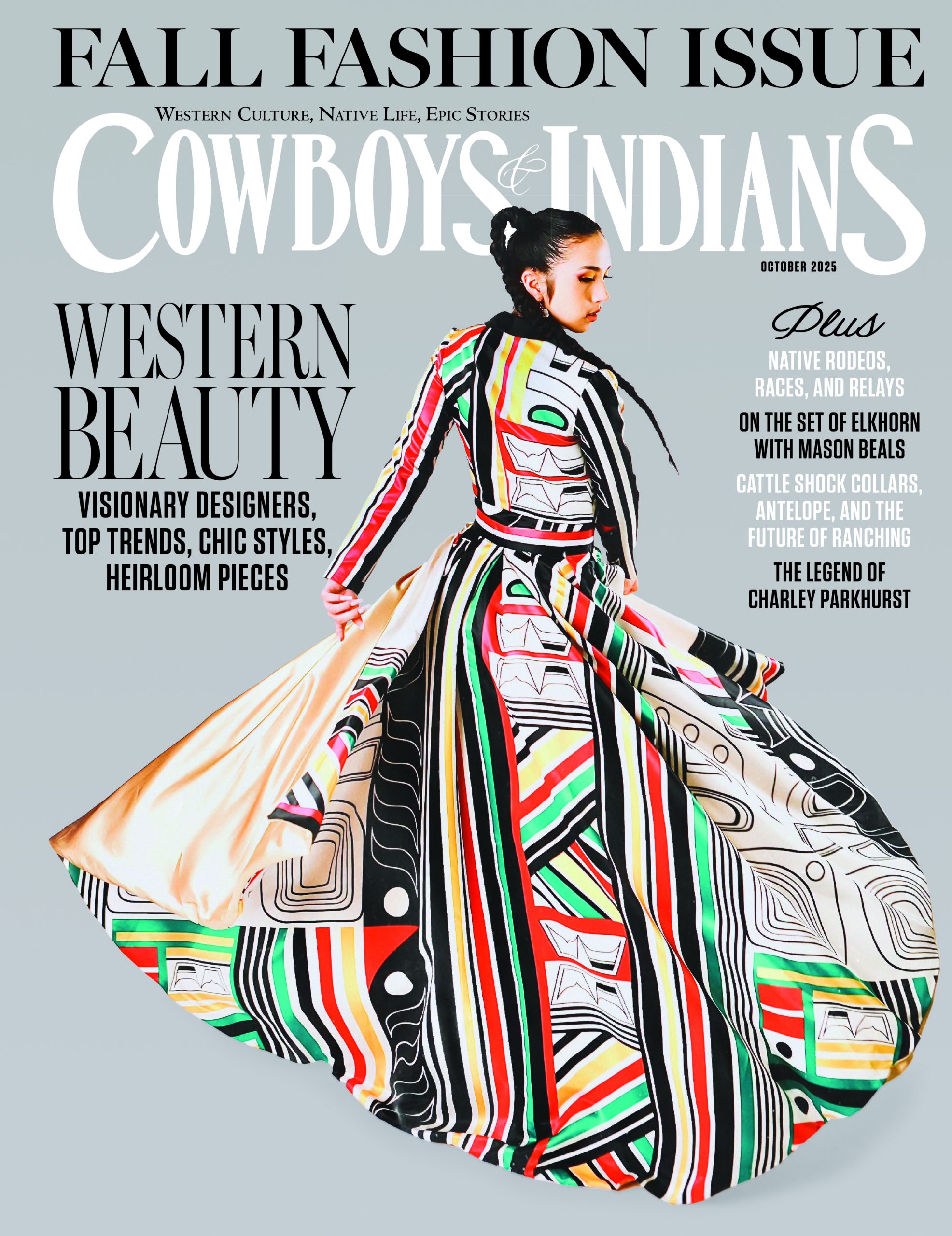
From our October 2025 issue